A home can look clean, updated, and move-in ready – and still have expensive problems hiding behind walls, under floors, or above the ceiling. That is why knowing the best questions for home inspector conversations matters so much. The right questions help you move past surface-level impressions and get clear on what could affect your safety, budget, and negotiating power before closing.
Most buyers do not need to know every building detail. You do need to know what matters, what can wait, and what could turn into a costly surprise after you get the keys. A good inspection is not just about finding defects. It is about giving you the information to make a smart decision with confidence.
Why the best questions for home inspector visits matter
Many buyers show up to an inspection assuming the report will answer everything on its own. Reports are valuable, but the conversation matters too. Asking thoughtful questions helps you understand the seriousness of an issue, whether it is common for a home of that age, and what deserves attention right away.
This is especially true in Texas, where homes can deal with shifting soil, drainage concerns, high humidity, heavy roof exposure, and HVAC systems that work hard for much of the year. A crack in one house may be a minor cosmetic issue. In another, it may point to movement worth monitoring or evaluating further. Context is what turns inspection findings into useful decision-making.
Start with the big picture
One of the first questions to ask is simple: What are the biggest concerns with this house?
That question gives you a practical overview instead of forcing you to sort through dozens of notes without knowing what carries the most weight. A home inspector can usually tell you which findings are major, which are maintenance items, and which are common conditions that should not derail the purchase on their own.
A second smart question is: If you were prioritizing repairs, what would come first?
Not every issue belongs in the same category. Some defects affect safety. Some raise the risk of water intrusion or system failure. Others are items you may choose to address over time. Buyers often feel overwhelmed when a report is long, but repair priority brings clarity fast.
Ask about structure and movement
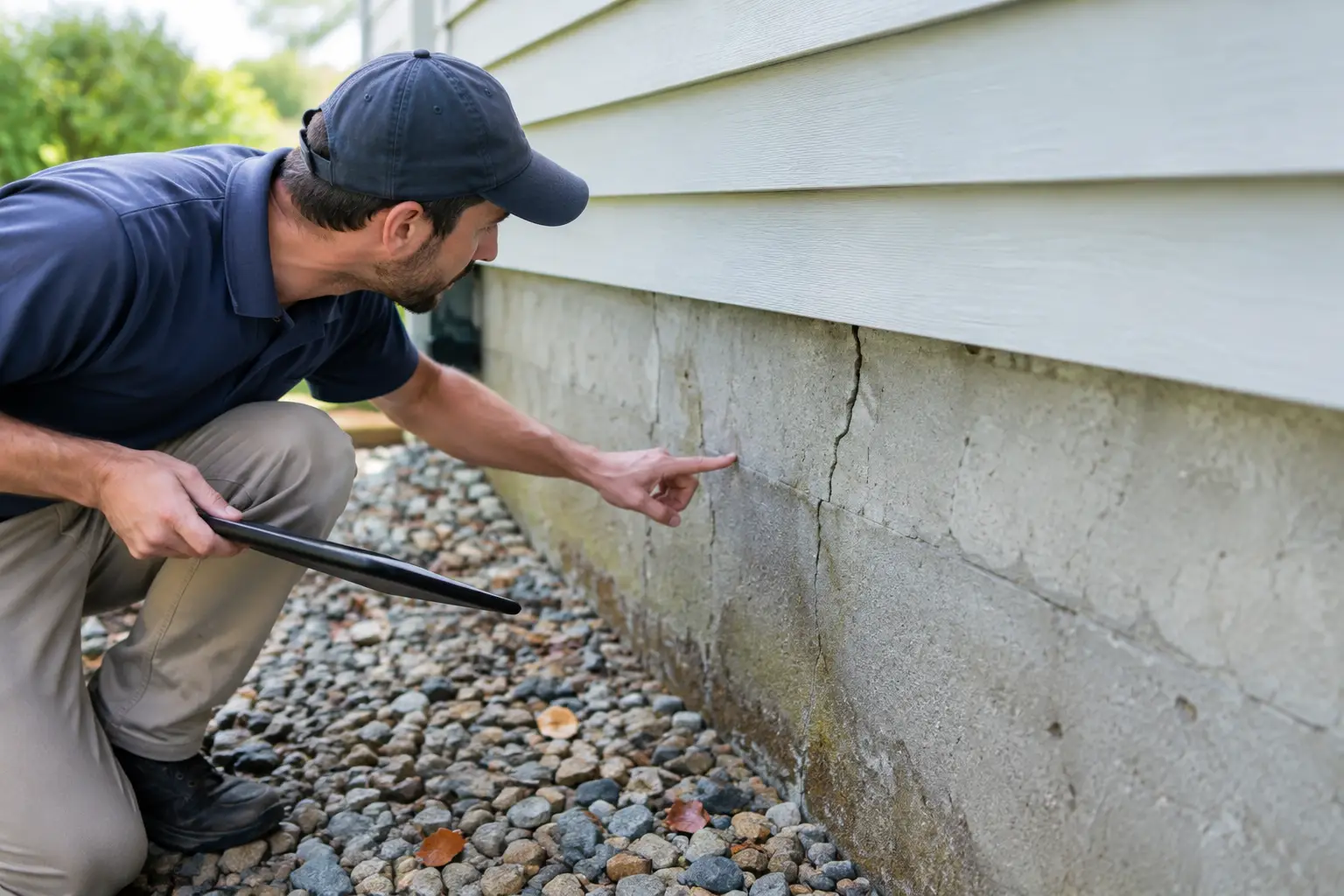
Structural concerns are among the most stressful findings for buyers because they can be expensive and hard to interpret without experience. Instead of reacting to every crack or uneven surface, ask: Do you see signs of settlement or structural movement beyond normal aging?
That wording matters. Nearly every home has some wear. What you want to know is whether the inspector sees evidence that suggests a larger concern. Follow that with: What indicators support that opinion?
An experienced inspector should be able to point to specific observations, such as door alignment, sloping floors, cracking patterns, or signs of past repair. If the answer is not definitive, ask whether a structural engineer or foundation specialist should evaluate further. Sometimes the next step is necessary. Sometimes it is not. The key is not to guess.
Roof questions can save you thousands
Roofing problems do not always announce themselves with a visible leak. A roof may be aging, poorly repaired, or near the end of its service life without obvious interior damage yet. Ask: How old does the roof appear, and how much usable life may be left?
No inspector can predict the exact remaining life of a roof with certainty, but an informed estimate helps you prepare. Then ask: Do you see signs of active leakage, past water entry, or repairs that need closer attention?
This is where visual documentation becomes especially helpful. Staining, patched areas, damaged flashing, and worn materials can all affect your near-term costs. If the roof is functional but older, that is a different decision than buying a home that may need replacement soon.
Electrical and plumbing deserve direct questions
Electrical and plumbing systems are easy to overlook because much of the system is hidden. They also have the potential to create safety issues or expensive repairs. Ask: Are there any electrical concerns that should be corrected immediately?
That question helps separate a missing cover plate from a more serious concern like improper wiring, double-tapped breakers, overheated components, or outdated equipment. If a panel or wiring type is known for reliability issues, the inspector should explain why it matters.
For plumbing, ask: Do you see signs of active leaks, past leaks, poor drainage, or water pressure concerns?
Water damage often costs more than buyers expect, especially when it has been happening slowly. You can also ask whether the visible plumbing materials raise any concerns based on age or condition. If the home is older or there are signs of drainage issues, a sewer line camera inspection may be worth discussing before you close rather than after you move in.
HVAC questions matter in Texas
In the Houston area and surrounding communities, air conditioning is not a luxury. It is a major system you rely on for comfort and livability. Ask: Are the HVAC systems operating as intended today, and do you see signs they may be nearing the end of service life?
That phrasing covers both current performance and likely replacement timing. A system can cool at the time of inspection and still show age-related issues, poor maintenance, or wear that affects reliability.
You should also ask: Is there anything about the ductwork, drainage, insulation, or airflow that concerns you?
Sometimes the equipment itself is not the full story. Poor airflow, condensate drainage problems, or missing insulation can reduce efficiency and lead to comfort issues or moisture damage.
Water intrusion is always worth pressing on
If buyers underestimate one category, it is usually moisture. Ask: Do you see any signs of water intrusion, elevated moisture, or conditions that could allow water in later?
That question opens the door to a broader discussion about windows, siding, grading, roof penetrations, bathrooms, and attic conditions. A house does not need active standing water to have a moisture problem in the making. Improper drainage, failed sealants, and ventilation issues can all lead to damage over time.
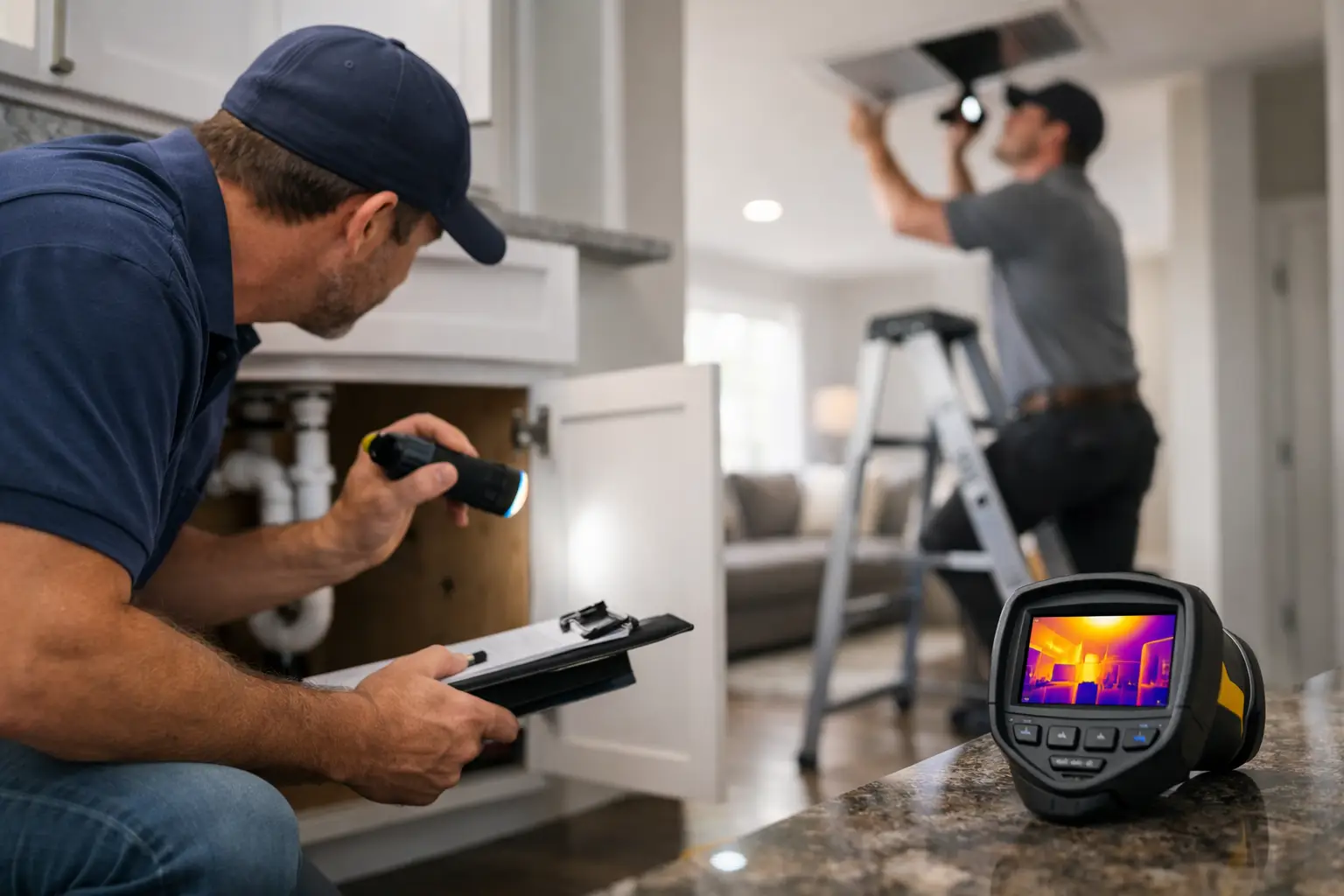
If the inspector uses thermal imaging or moisture tools, ask what those readings or images suggest. Not every temperature difference is a defect, and not every stain means an active leak. This is one of those areas where explanation matters as much as the finding itself.
Ask the questions that help with negotiation
A home inspection is not a wish list generator. It is a decision tool. So ask: Which findings are reasonable to request the seller address, and which are more in the category of routine maintenance or future planning?
That can help buyers avoid wasting energy on cosmetic issues while overlooking defects that affect safety or major systems. Negotiation strategy also depends on the age of the home, market conditions, and the seriousness of the findings. In a competitive market, you may decide to accept some manageable repairs. In another situation, larger issues may justify repairs, credits, or a closer second look.
Another useful question is: If I buy this home, what should I plan to handle in the first year?
That shifts your mindset from inspection day stress to real ownership planning. It is one of the most practical ways to understand the true cost of stepping into the property.
The best questions for home inspector follow-up after the report
Once the report arrives, do not just skim the summary and move on. This is the right time to ask: Can you walk me through the most important photos and findings? A detailed report is valuable, but buyers often get the most confidence when they hear the explanation in plain language.
You should also ask: Which findings need specialist evaluation, and which ones are already clear enough to act on?
That distinction matters. Some issues warrant a licensed roofer, electrician, plumber, or structural engineer. Others are already visible and well documented, and you can use them in repair discussions without needing another round of appointments.
This is where working with a practical, buyer-focused inspection company makes a difference. Clear reporting, organized findings, and post-inspection support can keep you from feeling buried in information when you need answers most.
A few questions buyers forget
Some of the most useful questions are the ones buyers do not think to ask. Ask whether there are signs of previous repairs and whether those repairs appear professional. Ask whether any inaccessible areas could limit what was observed. Ask whether the home shows deferred maintenance as a pattern, not just in one isolated item.
These questions help you judge not only the condition of the house, but how it may have been cared for over time. A single defect may be manageable. A long pattern of neglect can point to more surprises ahead.
If you are purchasing a home with a pool, older sewer lines, or concerns about hidden moisture, ask whether add-on inspections would give you better protection before closing. Sometimes that extra step is the difference between a manageable repair and a major post-purchase expense.
Buying a house always involves some level of uncertainty. The goal is not to find a perfect home. It is to ask the right questions, understand the answers, and avoid walking into costs you never saw coming. If your inspector helps you see the house clearly, prioritize what matters, and move forward with confidence, that inspection has done exactly what it should.