A new home can look finished long before it is truly ready for ownership. Fresh paint, clean floors, and new appliances can make it easy to overlook problems that affect safety, performance, or future repair costs. Knowing how to identify builder defects before closing gives you time to document concerns, request corrections, and avoid accepting unfinished or improperly installed work.
Builder defects are not always dramatic. Some are cosmetic and relatively easy to address. Others involve drainage, roofing, electrical systems, plumbing, HVAC, or structural components that may create expensive problems after move-in. The goal is not to expect a flawless home. It is to distinguish normal minor imperfections from conditions that deserve a closer look and a clear response from the builder.
Start With the Home’s Big-Picture Performance
Begin outside, where the house meets the lot. In Greater Houston and surrounding communities, heavy rain, high humidity, expansive soils, and intense heat can expose poor construction practices quickly. Look at whether the ground slopes away from the foundation, whether downspouts discharge away from the home, and whether water appears likely to collect near exterior walls.
A newly built yard may not be fully settled, so minor unevenness can occur. Still, standing water near the foundation, gutters that drain onto a walkway or planting bed beside the home, and visibly low soil along the perimeter should be raised before closing. Drainage is not simply a landscaping issue. Water that repeatedly collects near a foundation can contribute to movement, moisture intrusion, and premature wear over time.
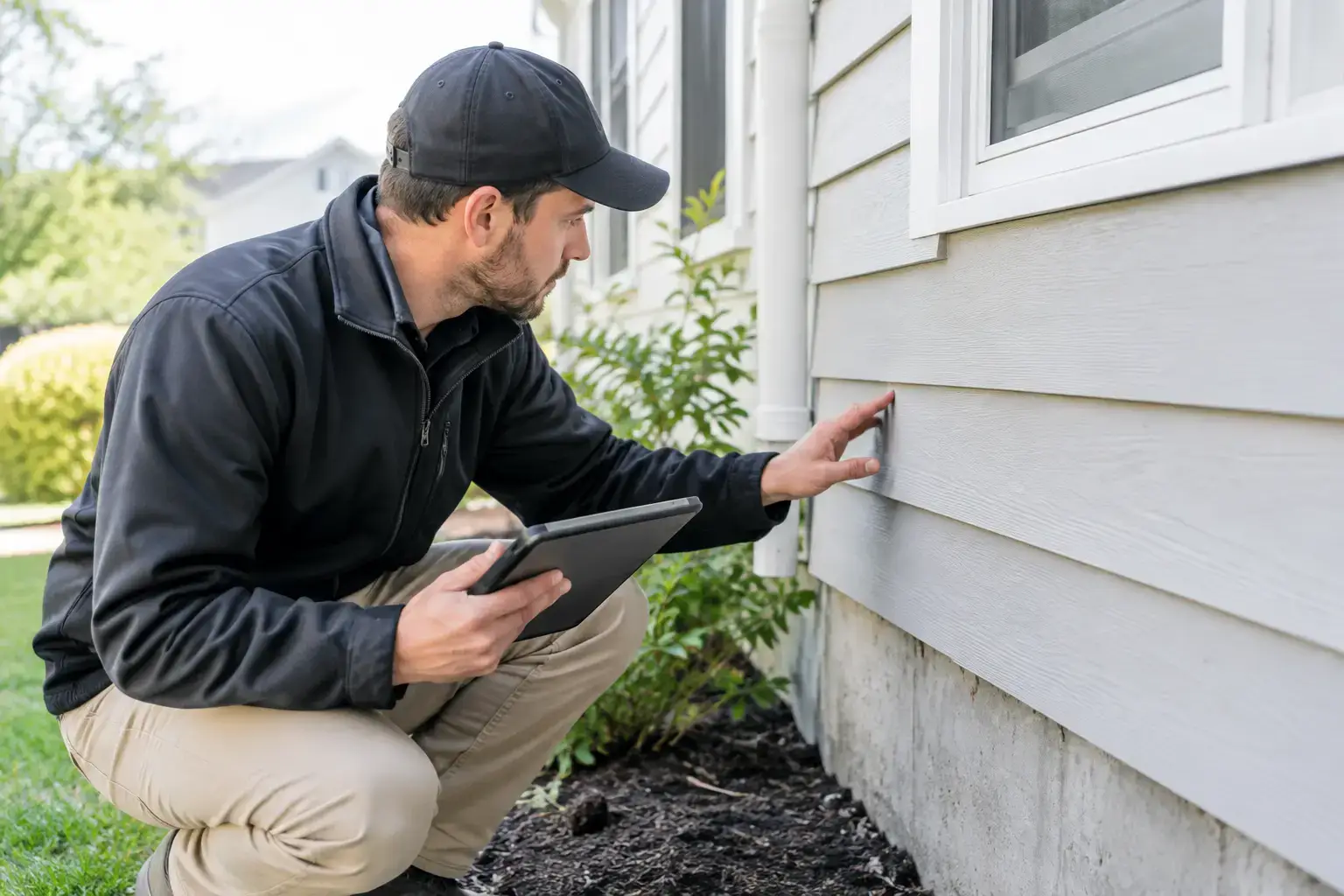
Also step back and look at the roofline, exterior walls, windows, and trim. Roof planes should appear straight, siding and trim should be properly secured, and exterior sealant should be complete around windows, doors, penetrations, and transitions. Gaps may allow water and pests into areas that should be protected.
How to Identify Builder Defects in the Final Walk-Through
A final walk-through is useful, but it should not replace a professional inspection. It is your opportunity to confirm that the home delivered matches what you agreed to purchase and that visible items have been completed. Bring your contract, upgrade selections, inspection report, repair documentation, and a way to take photographs and notes.
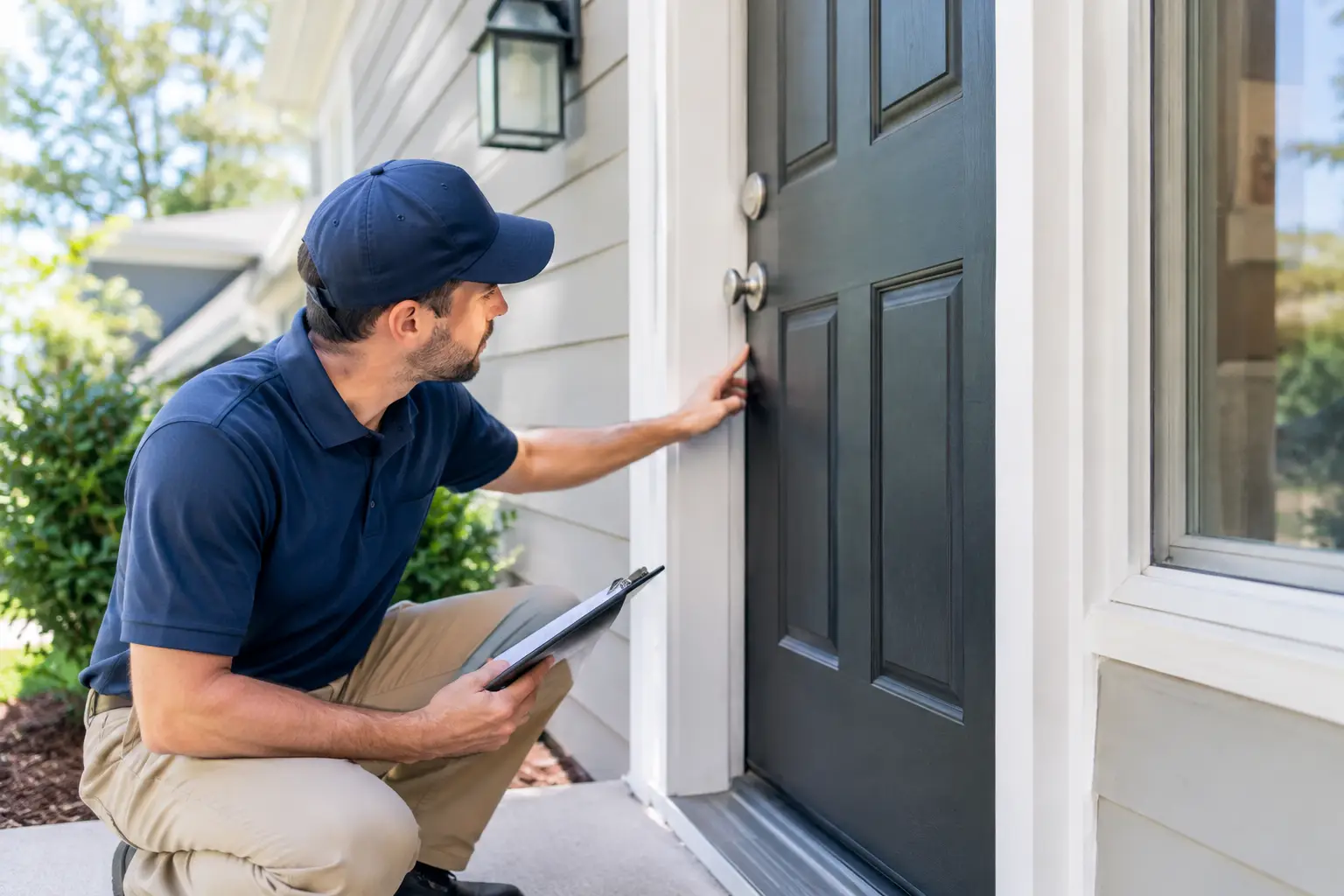
Move through the home methodically instead of relying on a quick visual impression. Open and close every accessible door and window. Turn on lights, test accessible outlets with a simple outlet tester if permitted, operate exhaust fans, flush toilets, run faucets, and check that cabinet doors and drawers function as intended. Test the garage door, door locks, appliances, thermostat, and any included smart-home features.
Pay attention to patterns. One stiff interior door may need a simple adjustment. Several doors that rub, do not latch, or have uneven gaps can point to rushed installation or framing movement. A small paint touch-up is common. Repeated paint drips, visible drywall seams, poorly aligned trim, or damaged flooring across multiple rooms suggest the finish work was not properly completed.
Document concerns as you find them. Take wide photos showing location and close-up photos showing the issue. Write down the room, item, and condition while you are there. Clear documentation makes it easier to communicate the concern without confusion later.
Look Beyond Cosmetic Finish Issues
Cosmetic defects matter, especially when they affect the condition and value of a new home. But buyers should avoid letting visible finish items distract them from larger systems. A scratched cabinet panel is usually straightforward. A bathroom exhaust fan that does not operate, a loose electrical outlet, or an HVAC system that does not maintain a reasonable temperature needs more attention.
Check for these common signs of incomplete or poor-quality work:
- Uneven floors, cracked tile, separated grout, or flooring that feels loose underfoot
- Cracks in drywall that are wide, repeated, or located around doors, windows, and ceiling transitions
- Cabinets, countertops, or stair railings that feel loose or appear poorly secured
- Plumbing fixtures that leak, drain slowly, lack hot water, or have weak water flow
- GFCI-protected outlets near kitchens, bathrooms, garages, and exterior areas that do not respond properly
- Missing insulation covers, incomplete weatherstripping, or unsealed openings around pipes and wiring
Not every defect means the home has a severe underlying problem. New materials can shrink, settle, and adjust as the home cycles through temperature and humidity changes. What matters is the location, extent, and potential consequence of the condition. A qualified inspector can help separate routine punch-list items from issues requiring correction by the builder or further evaluation by a specialist.
Check Safety Features Carefully
New construction should meet applicable building requirements, but buyers should never assume that every detail was installed correctly. Safety concerns should be documented promptly because they can affect the home from day one.
Check that smoke alarms and carbon monoxide alarms are present where required and appear operational. Look for secure handrails on stairs, properly installed guardrails at elevated areas, tempered safety glass where appropriate, and accessible electrical panels with clear labeling. Exterior steps, walkways, and driveways should not create obvious trip hazards or unsafe transitions.
In the attic, garage, utility room, and around mechanical equipment, look for missing covers, exposed wiring, disconnected ducts, or blocked access panels. These spaces are often less polished than living areas, yet they contain critical parts of the home. A clean-looking interior does not guarantee that mechanical and safety details were completed correctly.
Pay Close Attention to Plumbing and HVAC
Plumbing defects can remain out of sight until cabinets swell, floors are damaged, or water bills increase. Run hot and cold water at multiple fixtures, including showers, tubs, sinks, and exterior hose connections. While water is running, look beneath accessible sinks for drips and listen for unusual sounds from drains or pipes.
A slow drain may be a minor adjustment, but recurring drainage issues, leaking shutoff valves, loose toilets, or water stains deserve prompt attention. If the home has a sewer line connection that warrants further review, a sewer camera inspection can provide information that is not available during a standard visual evaluation.
For HVAC, do not settle for the fact that air comes out of a vent. The system should respond to thermostat changes, cool or heat consistently, and show no obvious signs of improper installation. Check that supply registers and return grilles are open and securely attached. Condensate drainage should be properly managed, and equipment should be accessible for service.
Texas homes depend heavily on air conditioning for comfort and humidity control. Problems with installation, duct connections, drainage, or airflow may not be obvious during a brief walk-through, but they can affect comfort, efficiency, and equipment life after closing.
Review the Builder’s Response, Not Just the Promise
When defects are found, the next step is not simply receiving a verbal assurance that they will be handled. Ask for repairs or corrections to be documented clearly. The record should identify the specific issue, the expected correction, and when it will be completed. If work is performed before closing, recheck it whenever possible.
Some buyers worry that raising concerns will create friction with the builder. A professional builder should expect a buyer to ask reasonable questions and seek correction of legitimate issues. A clear, organized list is more productive than a vague request to “fix everything.” It also helps your real estate agent support the process and track outstanding items.
Timing matters. A pre-closing inspection gives you leverage while the transaction is still active. However, many new homes also have warranty periods, and a thorough inspection before a warranty deadline can identify defects that became more visible after the home was occupied. The right approach depends on the builder’s warranty terms, the home’s age, and what was found before closing.
Get an Independent Set of Eyes Before You Commit
Municipal inspections and builder quality-control checks have a role, but they are not the same as an independent inspection performed for the buyer. Their purpose, timing, and scope differ. An independent inspector works to help you understand the home’s visible condition and identify concerns that may affect your investment.
For buyers in Houston, Cypress, Katy, and nearby communities, CK Inspections brings hands-on construction and home-building experience to the process. A detailed report with clear photos and straightforward explanations can help you prioritize what needs attention, communicate effectively with the builder, and make decisions with more confidence.
A new home deserves the same careful review as an older one. Before you sign the final documents, take the time to look past the fresh finishes and ask the practical question: has this home been completed in a way you can rely on?