
A roof can look fine from the driveway and still carry thousands of dollars in risk. The roof inspection checklist buyers should use before closing is not about finding one missing shingle and panicking. It is about understanding the roof’s age, condition, drainage, visible damage, and remaining service life so you can make a protected, informed decision.
For Houston-area buyers, that conversation matters even more. Intense heat, heavy rain, humidity, wind, and hail can shorten the life of roofing materials and expose weak points around flashings, vents, and valleys. Don’t buy blind based on a clean-looking roofline or a seller’s assurance that there are no problems.
Why the Roof Deserves Close Attention Before Closing
A roof protects nearly every other part of the house. When it fails, moisture can affect attic framing, insulation, ceilings, walls, electrical components, and indoor air quality. The visible stain on a bedroom ceiling may be a small repair, but it may also point to a longer history of water intrusion that deserves a closer look.
Roof concerns also create a practical insurance issue. An older roof, visible storm damage, or a roof near the end of its expected life may affect insurability, premiums, or the buyer’s ability to obtain coverage on the terms they expected. In Texas, where weather events can be severe and frequent, confirming the roof’s true condition before the option period ends can prevent a stressful surprise later.
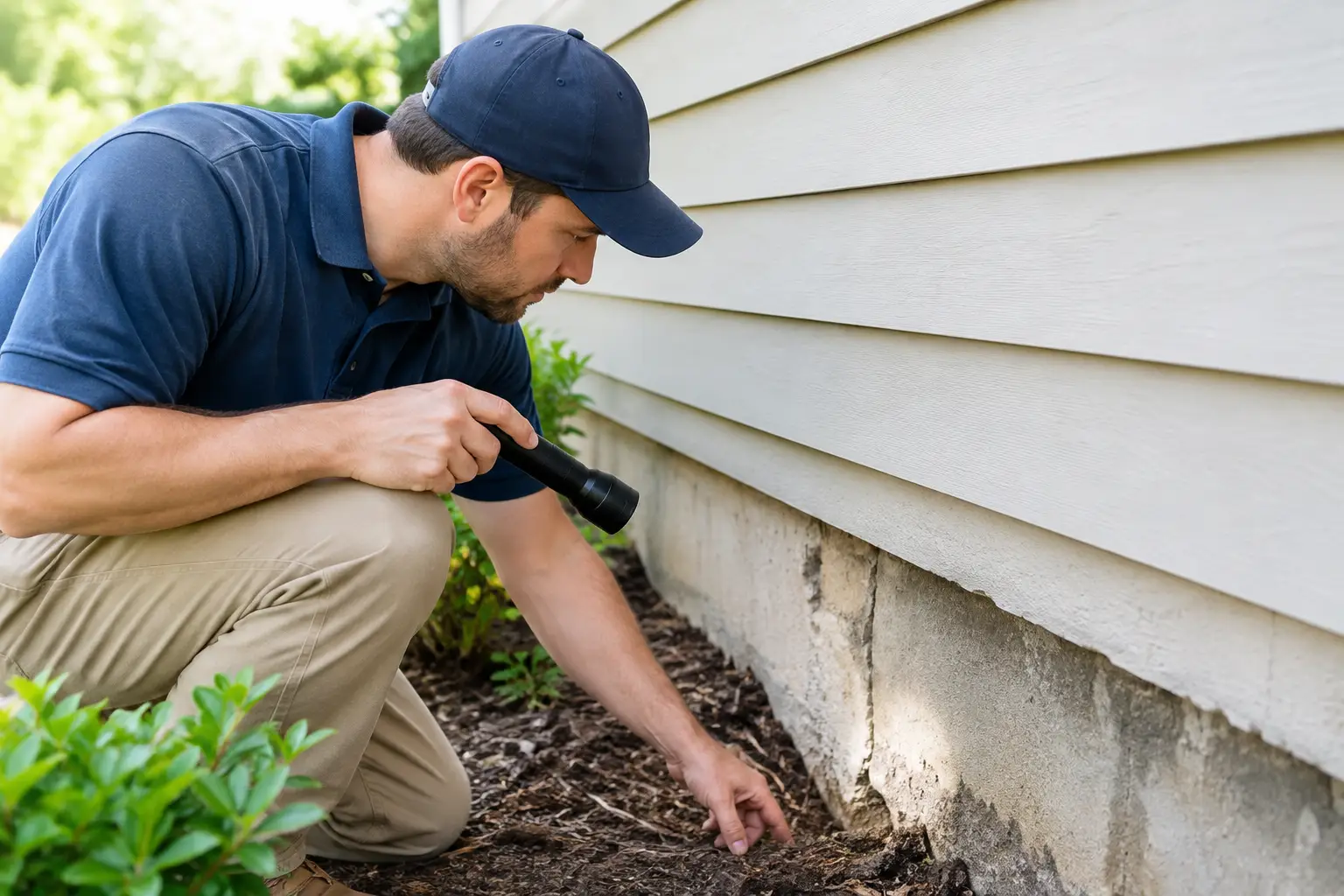
A home inspection is a visual, non-invasive evaluation. It can identify many signs of concern, but it is not the same as a roofing contractor’s estimate or a guarantee that a roof will never leak. If an inspector identifies substantial damage, active leaking, significant wear, or areas that cannot be safely evaluated, a qualified roofer should provide a more detailed assessment before you finalize negotiations.
Roof Inspection Checklist for Buyers
Use this checklist during the inspection process and while reviewing your report. Your inspector will assess what is visible and safely accessible, while you use the findings to decide what questions, repairs, or specialist evaluations are appropriate.
1. Confirm the roof’s approximate age and material
Ask what type of roof covers the home and when it was installed. Asphalt shingles are common throughout Greater Houston, Cypress, and Katy, but their service life varies based on product quality, installation, ventilation, shade, weather exposure, and maintenance. A roof that is 15 years old is not automatically failing, and a newer roof is not automatically problem-free.
Request any available documentation, including permits, transferable warranties, invoices, and records of storm-related repairs. A seller disclosure can be useful, but it should not replace a professional visual evaluation. If the seller says the roof was replaced recently, confirm whether that means a full replacement or a limited repair.
2. Look for worn, damaged, or missing roofing materials
An inspector looks for visible signs such as missing shingles, cracked or curled shingles, damaged tile, exposed fasteners, deteriorated sealant, and areas of excessive granule loss. On asphalt shingles, granule loss can be a sign of age or storm wear, although a few loose granules alone do not prove the roof needs replacement.
Pay attention to repairs that do not match the surrounding roof. A patched section may be perfectly serviceable, but it can also indicate prior wind damage, a leak, or recurring trouble in that area. The key question is whether the repair appears properly completed and whether related moisture damage is visible inside the home.
3. Check flashings, penetrations, and roof transitions
Many leaks begin at the details, not in the middle of a roof field. Flashing is the material installed where the roof meets a chimney, wall, skylight, valley, vent pipe, or other penetration. These areas need careful installation because water naturally concentrates or changes direction around them.
Look for loose, damaged, rusted, or improperly sealed flashing. Plumbing vent boots, attic vents, exhaust vents, satellite mounts, and solar-related penetrations also deserve attention. Caulk and roof cement can be appropriate in certain repairs, but excessive patching may signal deferred maintenance or a temporary fix rather than a durable solution.
4. Evaluate drainage and the gutter system
Water should move off the roof and away from the foundation in a controlled way. Gutters, downspouts, splash blocks, and grading all play a role. Overflowing gutters can allow water to back up at roof edges, damage fascia boards, stain exterior surfaces, and contribute to foundation moisture concerns.
Check whether gutters are securely attached, visibly clogged, dented, sagging, or missing. Downspouts should direct water away from the home, not discharge immediately beside the foundation. In a house without gutters, roof runoff and grading become even more important.
5. Review the attic for evidence the exterior cannot show
The attic often tells a more complete story about roof performance. During a home inspection, accessible attic areas may reveal water stains, active moisture, wet insulation, daylight visible through openings, damaged framing, or signs of poor ventilation.
Stains do not always mean there is an active leak. They may be old, dry marks from a past repair. Still, they should be documented and evaluated in context. If the staining is widespread, the wood is deteriorated, or moisture is present, do not assume a simple shingle repair will solve the entire problem.
Ventilation also matters in Texas. A poorly ventilated attic can trap heat and moisture, which may shorten shingle life and place extra strain on the home’s cooling system. The solution depends on the roof design, insulation arrangement, and existing intake and exhaust ventilation. More vents are not always the answer if the system is unbalanced or installed incorrectly.
6. Ask about storm damage without making assumptions
Hail and wind damage are common buyer concerns, especially after major Houston-area storms. Some damage is visible from the ground or roof surface, while other conditions require a roofer with the right expertise to assess. An inspector may recommend further evaluation when there are signs consistent with impact damage, lifted shingles, damaged ridge materials, or compromised roof components.
Avoid treating every granule mark or dented gutter as proof that an insurance claim is warranted. Likewise, do not dismiss concerns simply because there is no active leak during the inspection. A roofing professional can help determine the scope and repair options when the inspection identifies a material concern.
How to Read Roof Findings in Your Inspection Report
Not every roof comment should lead to the same response. A missing shingle tab, loose gutter, or minor sealant issue may be a manageable maintenance item. A roof with widespread deterioration, active leaks, structural concerns, or an unknown condition due to unsafe access deserves more urgency.
Focus on three questions: What is the condition today? What could happen if the issue is not addressed? What information is still needed before you proceed? A clear inspection report should organize findings, include visual documentation where possible, and explain when further evaluation is recommended.
For example, “roof covering appears near the end of its service life” is different from “active moisture intrusion observed in the attic.” The first may call for budgeting and an insurance conversation. The second may require prompt investigation and repair negotiation. Context matters, and a good inspector can help you understand the difference without overstating what can be seen in a single visit.
Questions to Ask Before You Make a Repair Request
When roof issues appear in the report, ask the seller for repair records and the age of the roof. Then ask whether there have been prior leaks, insurance claims, or recent repairs. If a contractor evaluates the roof, request a written scope that explains whether repairs are localized or whether replacement is recommended.
Be cautious about vague promises such as “the seller will fix the roof.” A useful repair agreement identifies the work to be completed, who will perform it, whether permits are needed, and what documentation will be provided. Depending on the condition and your transaction timeline, a credit may be more practical than a rushed repair. In other situations, a properly documented repair before closing may offer greater confidence.
Your real estate agent can help structure the request, but the decision should reflect your risk tolerance, financing requirements, insurance needs, and future budget. A first-time buyer with little reserve cash may reasonably view an aging roof differently than a buyer planning extensive renovations with funds set aside for improvements.
Protect the Investment Before You Commit
The roof is not a cosmetic detail. It is one of the home’s most consequential protective systems, and its condition can change the cost and confidence behind a purchase. A detailed home inspection from CK Inspections helps buyers understand visible roof concerns alongside the attic, drainage, structure, HVAC, electrical, plumbing, and other major systems.
Before your option period closes, make sure you know what the roof is telling you. A clear report, the right follow-up questions, and qualified specialist input when needed can help you move forward with confidence instead of inheriting an expensive surprise.