A home can pass a municipal code inspection and still have expensive problems that matter to a buyer. It can also have older features that would not meet current code but may have been acceptable when the home was built. That distinction is the heart of home inspection versus code inspection – and understanding it can keep you from making the wrong assumptions before closing.
For buyers in Greater Houston, where homes range from decades-old properties to brand-new construction, the difference is especially practical. A code inspection and a pre-purchase home inspection may overlap in a few areas, but they have different purposes, scopes, and outcomes.
What a Code Inspection Is Designed to Do
A code inspection is generally performed by a city, county, or other local authority during permitted construction, renovation, or repair work. The inspector checks whether the work being performed meets the locally adopted building codes and permit requirements.
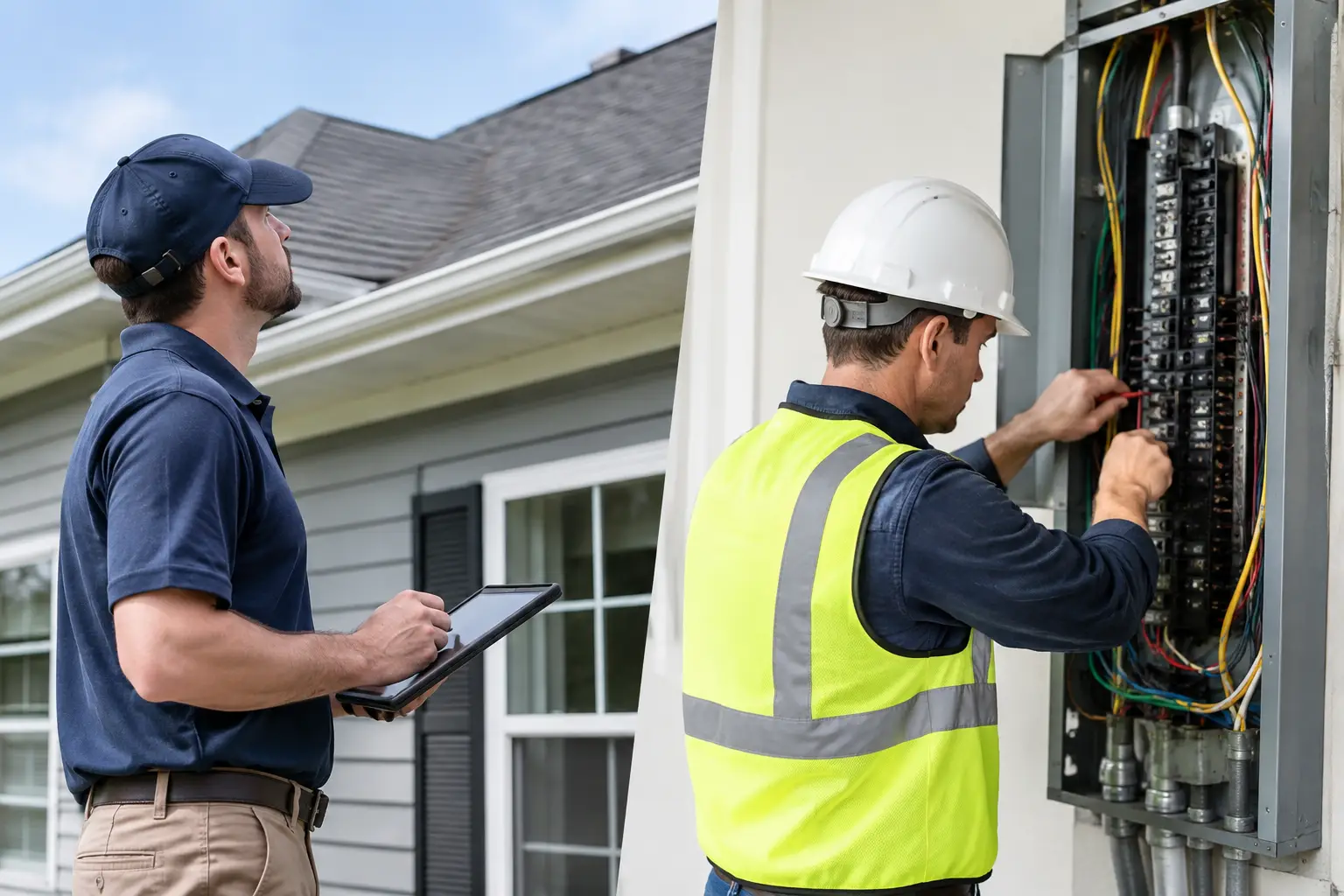
For example, a code inspector may review framing before drywall goes up, examine electrical work before walls are closed, or inspect plumbing and mechanical installations at required stages. If something does not comply with the applicable code, the inspector can fail that phase of work and require correction before the project proceeds.
That process serves an important public purpose. It helps establish minimum standards for safety, health, and construction practices. But a code inspection is not intended to provide a full condition assessment of the entire home for a future buyer.
Code inspectors are usually focused on the permitted project and the conditions visible during that inspection stage. They are not typically evaluating every aging component, predicting remaining service life, documenting all maintenance concerns, or assessing whether a house is a wise purchase at its current price.
What a Home Inspection Is Designed to Do
A home inspection is a buyer-focused evaluation of the property’s readily accessible and visible systems and components. Its purpose is to help you understand the home’s overall condition, identify material defects, and make an informed decision before your option period or closing deadline passes.
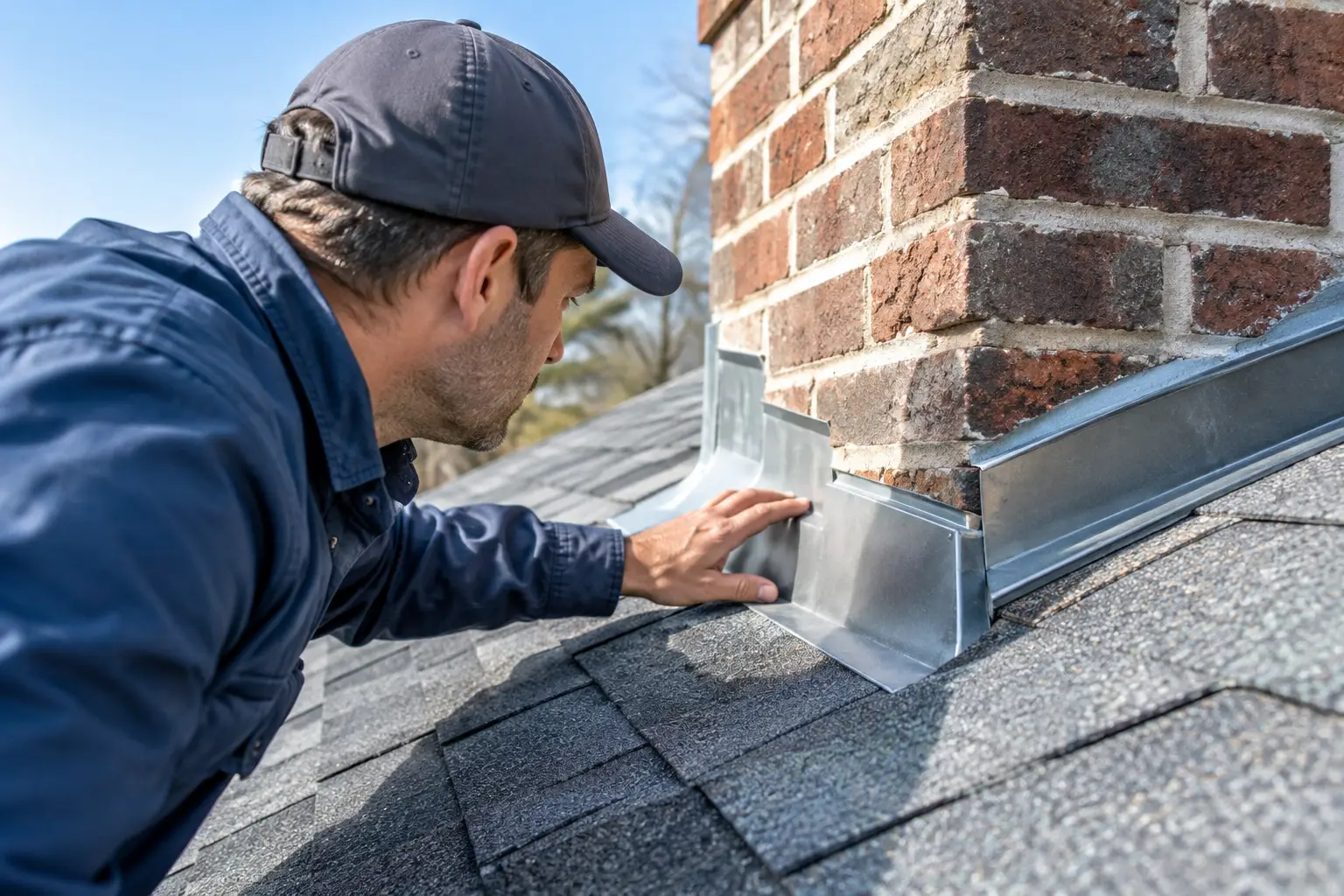
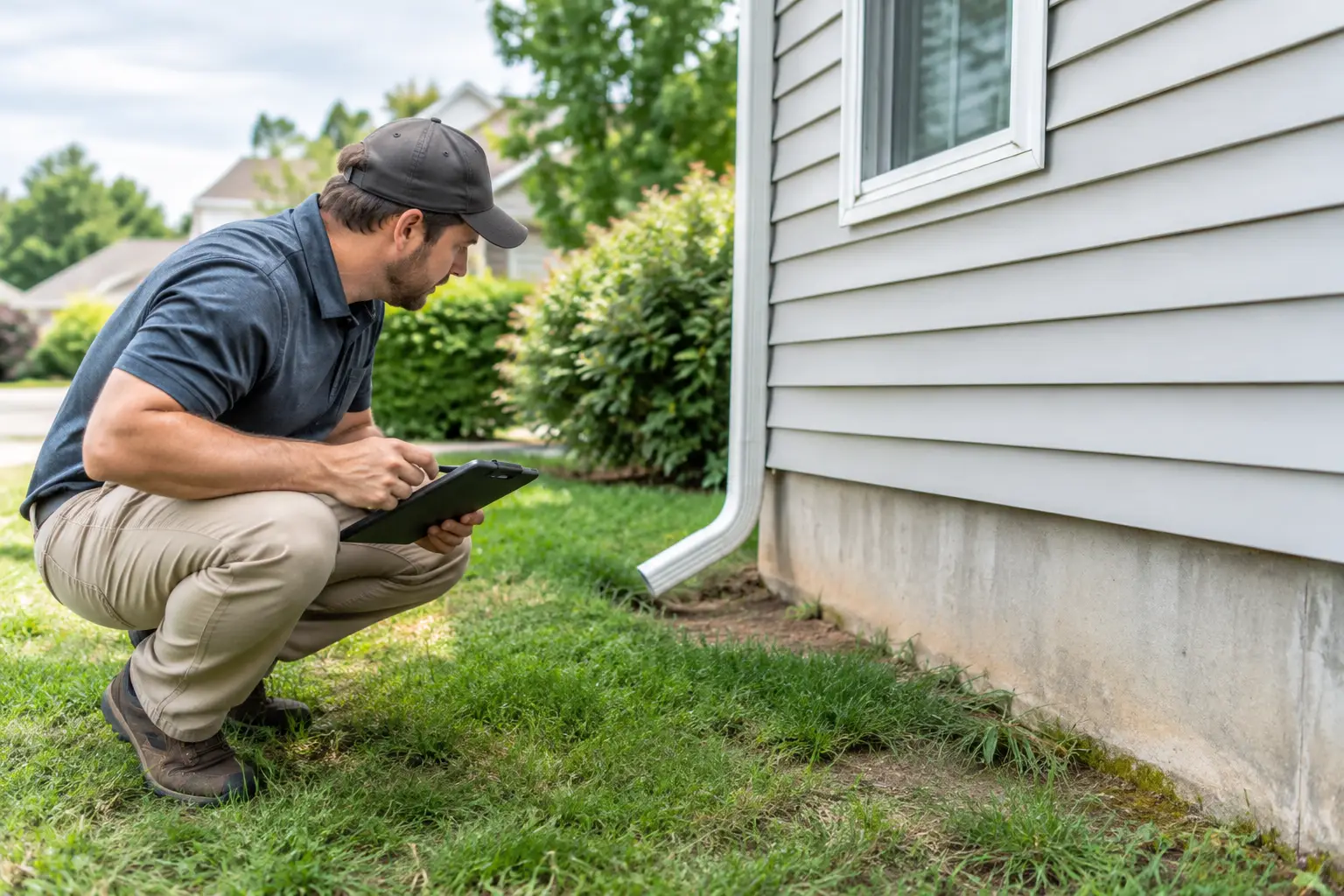
A qualified home inspector looks at how the home functions as a whole. That includes major structural components, roofing, electrical systems, plumbing, heating and cooling equipment, interior features, exterior conditions, and other accessible areas of concern.
The result is not a permit approval or a pass-fail certificate. It is a detailed report that explains what was observed, why it matters, and where further evaluation or repair may be warranted. For a buyer, that information can guide repair negotiations, help prioritize future maintenance, or reveal an issue serious enough to reconsider the purchase.
At CK Inspections, the goal is straightforward: help buyers avoid costly surprises without burying them in technical language. A good report should give you a clear picture of the property, not leave you guessing what needs attention first.
Home Inspection Versus Code Inspection: The Key Differences
The easiest way to separate the two is to look at who each inspection is meant to protect and when it occurs.
A code inspection protects the public by verifying compliance for a specific permitted construction activity. It commonly occurs while work is underway, when parts of the project are exposed and corrections can be made before the next construction stage.
A home inspection protects the buyer by assessing the condition of the house at the time of the inspection. It usually happens after the home is built and often just before a sale is completed. The inspector is looking beyond whether a particular installation may have met code years ago. The question is whether the home has defects, safety concerns, poor performance, deterioration, or conditions that could create significant expense.
There is also a difference in enforcement. A municipal code inspector has authority related to permits and approvals. A home inspector does not enforce code, issue citations, or require a seller to make repairs. Instead, the inspection report gives the buyer usable information to discuss with their agent, seller, builder, or qualified specialists.
Why “Up to Code” Does Not Always Mean “No Problem”
Buyers often hear that a home is “up to code” and assume that means there is nothing to worry about. That phrase can be misleading, especially with resale homes.
Building codes change over time. An older home may have electrical, stairway, insulation, ventilation, or safety features that do not meet current standards but were common or permitted when the house was built. In many cases, existing features are not automatically required to be upgraded simply because a newer code has been adopted.
More importantly, code compliance does not guarantee condition. A roof can have been installed under permit and still be near the end of its useful life. An air conditioner can have passed an earlier inspection and still show performance concerns today. A plumbing fixture can be code-compliant yet leak, drain slowly, or have signs of wear.
A pre-purchase inspection focuses on the conditions that affect your ownership experience and potential repair costs now. That is what makes it valuable in a real estate transaction.
Can a Home Inspector Refer to Building Codes?
Yes, but with the right context. A home inspector may identify a condition that appears unsafe, improperly installed, or inconsistent with common safety practices. In some situations, current building standards can help explain why a condition deserves attention.
However, a home inspection is not a full code-compliance inspection. The inspector generally cannot see behind finished walls, beneath flooring, or inside every concealed area. They are also not evaluating every item against every edition of every applicable local code.
This distinction matters when reviewing an inspection report. If a report identifies an issue involving missing safety features, improper wiring, inadequate clearances, or another concern, the value is not limited to whether a local official would issue a citation. The practical question is whether the condition creates a safety risk, affects function, or could lead to repair costs after you move in.
New Construction Still Needs a Buyer-Focused Inspection
New homes often receive several municipal inspections during construction. That is helpful, but it should not be treated as a substitute for an independent inspection before closing.
Municipal inspections are necessarily limited by time, scope, and construction phase. They may not identify every incomplete item, workmanship concern, functional issue, or condition that becomes visible only after the home is nearly finished. A final walkthrough with your builder is also valuable, but builders and buyers do not always view the same condition with the same level of independence.
For new construction buyers, an independent inspection can provide a documented assessment of accessible conditions before closing. It gives you a practical punch list to discuss with the builder and helps establish a clearer record of what was observed at that point in time.
When a Code Inspection May Be Needed After Purchase
There are situations where a buyer or homeowner may need guidance from the local permitting authority after closing. This is most common when planning a major renovation, adding a pool, modifying electrical service, replacing substantial plumbing, or addressing work that appears to have been completed without appropriate permits.
A home inspection may raise questions about these conditions, but the next step depends on the situation. Your real estate agent, local jurisdiction, builder, contractor, or a qualified trade professional may help clarify permit history, code requirements, and repair options.
Do not assume every older condition requires immediate code upgrades, and do not assume unpermitted work is harmless. The right response depends on the scope of the work, local requirements, safety concerns, and your plans for the property.
What Buyers Should Take From the Difference
A code inspection answers a narrow but necessary question: did the permitted work meet the applicable requirements at the time it was inspected? A home inspection answers the purchase question: what is the visible condition of this property, and what could affect me after I buy it?
Both have value, but neither replaces the other. Permit records, builder paperwork, and municipal approvals can provide useful background. They should not be the only information you rely on before committing to one of the largest purchases of your life.
Before your inspection period ends, give yourself enough time to read the report, ask questions, and understand which findings are urgent, which are negotiable, and which belong on your future maintenance plan. Clear information does not make every house perfect, but it helps you move forward without buying blind.