A house can look spotless during a showing and still have expensive problems hiding behind walls, under floors, or above the ceiling. That is why home inspections for buyers matter so much. Before you commit to one of the biggest purchases of your life, you need a clear picture of the home’s actual condition – not just the parts staged for photos.
For buyers in Houston, Cypress, Katy, and nearby Texas communities, that clarity can make the difference between moving forward with confidence and walking into years of avoidable repairs. A home inspection is not about finding reasons to kill a deal. It is about protecting your investment, understanding risk, and making smart decisions before closing.
Why home inspections for buyers matter
When you tour a home, you are seeing it as a potential owner. When an inspector evaluates it, they are looking at the property as a system. The roof, foundation, electrical, plumbing, HVAC, attic, insulation, windows, and interior components all affect how the home performs and what it may cost to maintain.
That perspective matters because many serious issues do not announce themselves in obvious ways. A small ceiling stain could point to an active roof leak. A bathroom that drains slowly could suggest a larger sewer line concern. An air conditioner that turns on during a showing may still be near the end of its useful life.
For buyers, the inspection creates leverage and clarity. You may decide to move forward as planned, request repairs, negotiate credits, plan for future maintenance, or reconsider the purchase if the risk is higher than expected. All of those are better outcomes than buying blind.
What a buyer’s home inspection actually covers
A standard pre-purchase inspection is a visual evaluation of the home’s accessible systems and components at the time of the inspection. That means the inspector is not tearing open walls or predicting every future failure. What they can do is identify visible deficiencies, safety concerns, signs of poor workmanship, and conditions that may need repair or further evaluation.
In most cases, the inspection focuses on the home’s major structural and mechanical systems. That includes the foundation and structural components, roofing materials and visible roof conditions, electrical panels and fixtures, plumbing fixtures and visible supply and drain lines, HVAC equipment, windows and doors, walls, ceilings, floors, attic spaces, insulation, and many interior and exterior features.
This is where detail matters. A vague inspection report is hard to act on. A thorough report with photos, clear descriptions, and organized findings gives buyers something practical. It helps you understand what is minor, what is more urgent, and what may affect your negotiation strategy.
What an inspection does not do
A good inspection is extremely valuable, but it is not magic. It is not a code compliance certificate, a warranty, or a guarantee that nothing will fail after move-in. Homes are physical structures, and all of them age.
It also does not mean every defect is a deal breaker. Nearly every home, including newer homes, has findings. The real question is whether the issues are manageable, expected for the property’s age, or signs of more serious trouble.
The issues buyers most want to catch early
Most buyers are not worried about a loose doorknob. They are worried about the defects that can quickly turn into major bills. In Texas, that often means paying close attention to foundation movement, drainage concerns, roof condition, aging HVAC systems, plumbing leaks, electrical hazards, and moisture intrusion.
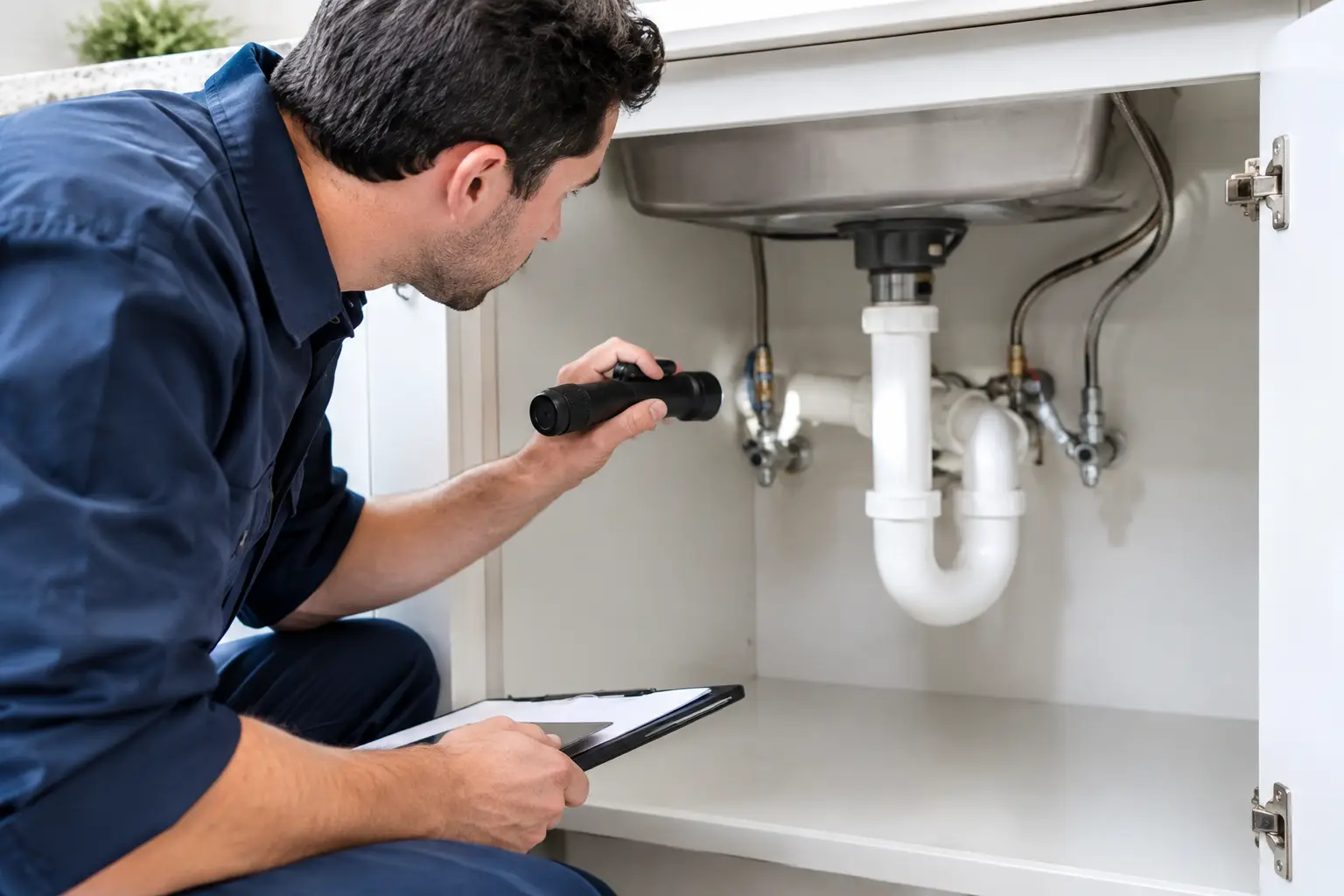
Moisture is a big one. Water has a way of creating secondary damage over time, from deteriorated materials to mold-like conditions and wood rot. A home can appear dry and still show signs of past or active moisture problems in the attic, around windows, below sinks, or near exterior penetrations.
Electrical concerns are another category buyers should take seriously. Double-tapped breakers, improper wiring, missing safety devices, and outdated components are not always obvious during a casual walk-through. The same goes for plumbing issues that may point to leaks, corrosion, poor drainage, or supply line concerns.
Older roofs and HVAC equipment also deserve close attention. Sometimes the question is not whether they are working on inspection day. It is whether they are showing signs of wear that suggest repair or replacement costs are getting close.
Specialized services can give buyers a fuller picture
Some homes need more than a standard inspection. Depending on the property, age, and visible conditions, add-on services can provide better insight into hidden problems.
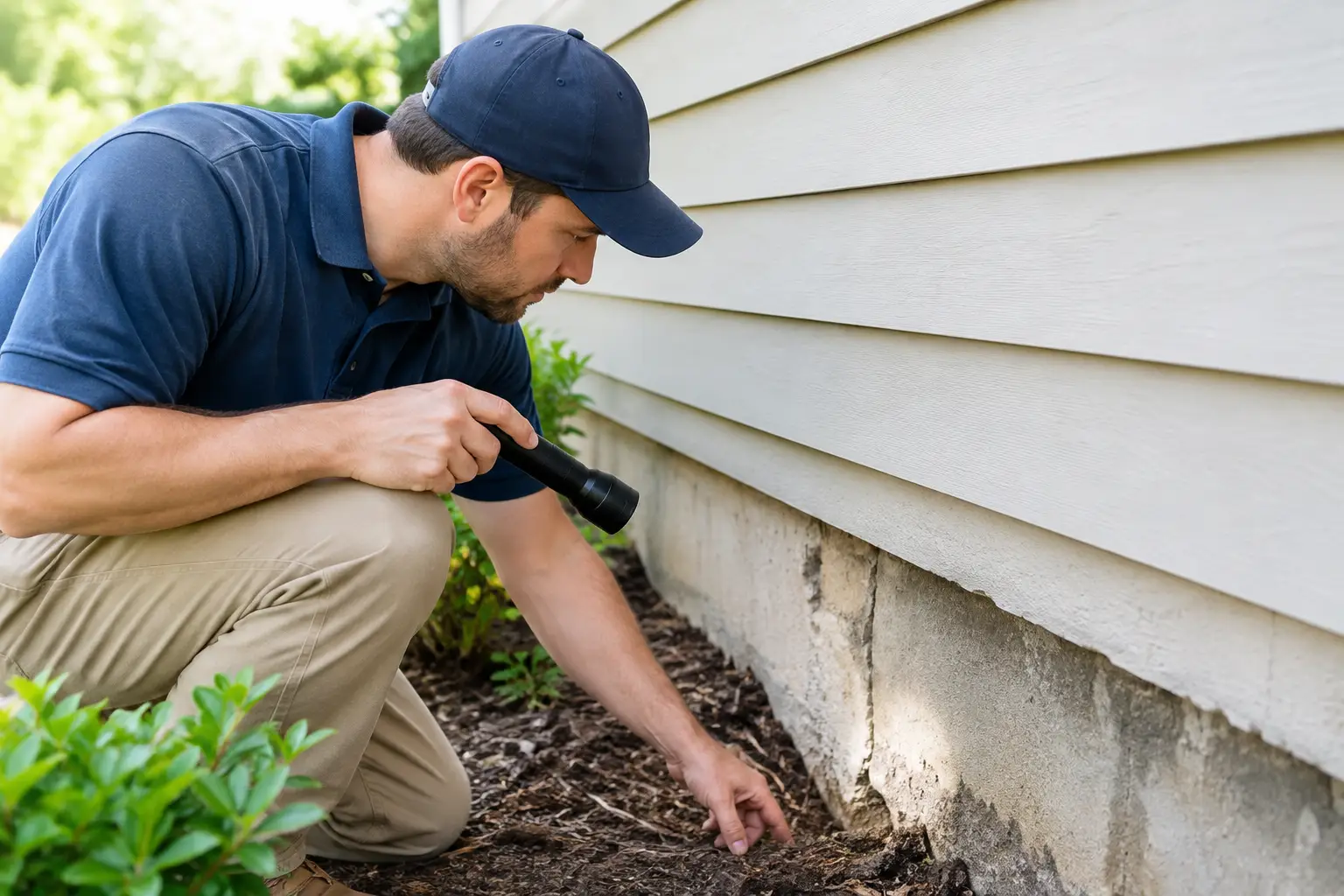
A wood-destroying insect inspection can be especially important in Texas, where termites and other organisms can damage structural wood components over time. A sewer line camera inspection can reveal cracks, root intrusion, blockages, or other underground drainage defects that would never show up during a normal showing. Thermal imaging can help identify temperature differences that may suggest moisture intrusion, insulation gaps, or overheating electrical components.
These services are not necessary in every transaction, but they can be extremely useful when the home’s condition, age, or history raises questions. This is one of those areas where it depends. A newer home may still benefit from additional evaluation if there are signs of concern, while an older home often deserves a more layered approach.
How buyers should use the inspection report
The inspection itself is only part of the value. What really protects you is how you use the information afterward.
Start by separating major concerns from routine maintenance items. Every house has a list of things that could be improved. That does not mean every item should become a repair request. Focus first on structural issues, active leaks, safety hazards, major system defects, and anything that could lead to significant expense in the near term.
Then think practically. If the report identifies an aging water heater, that may not justify renegotiating the deal by itself, but it does help you budget. If the report shows roof damage, non-functional HVAC components, or foundation-related symptoms, that may call for further evaluation or stronger negotiation.
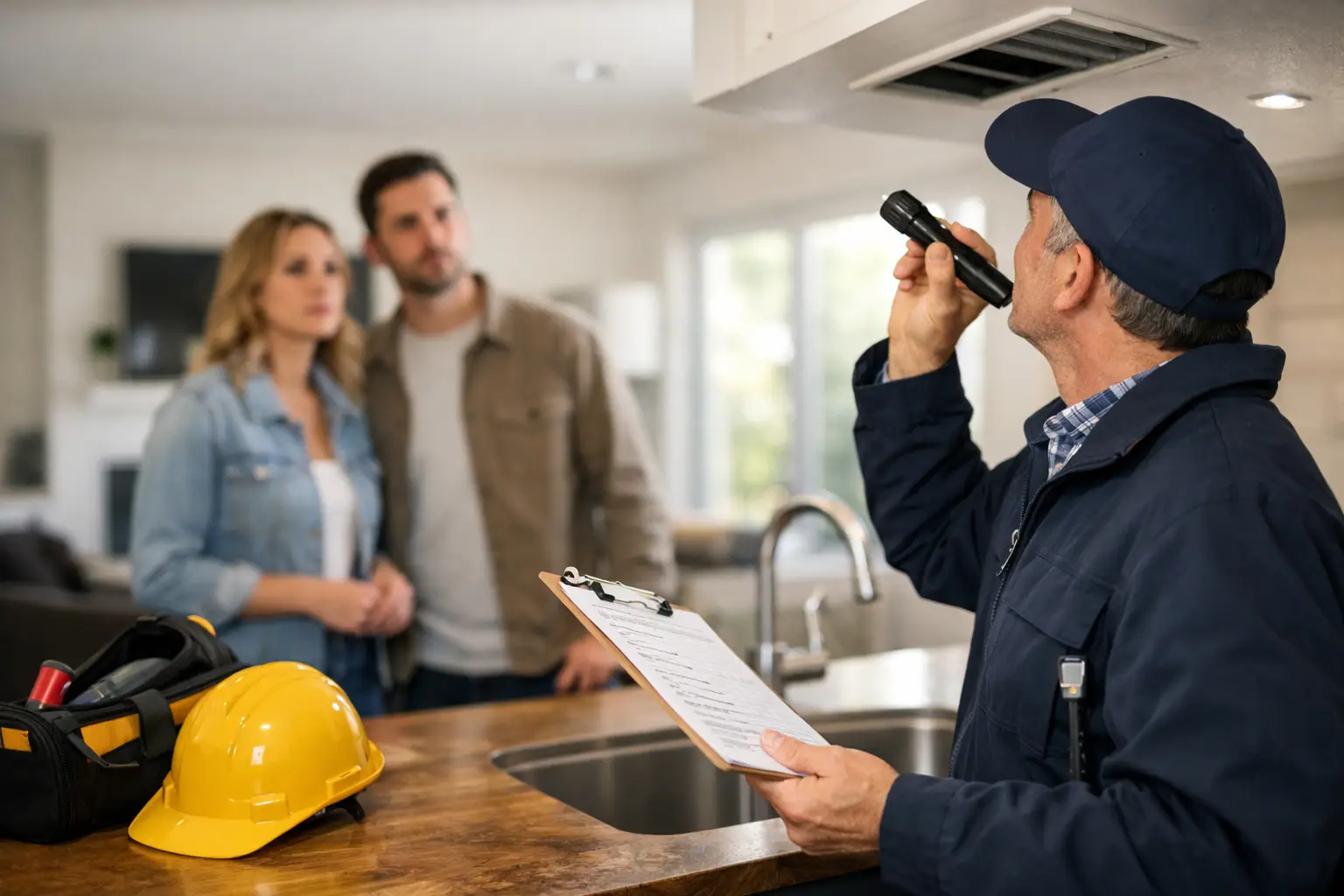
This is also where organized reporting makes a real difference. Buyers and agents need findings that are easy to review, understand, and turn into next steps. Clear photos and repair request tools help keep the transaction moving without losing sight of what matters.
Home inspections for buyers in competitive markets
In a fast-moving market, some buyers feel pressure to waive protections just to stay competitive. That pressure is real, but so is the risk.
If you skip the inspection contingency or minimize the inspection process, you may save time in the offer stage and pay for it after closing. That does not mean every buyer has the same options. In some transactions, strategy matters. You may choose a shorter option period, a pre-offer inspection when possible, or a focused plan for reviewing findings quickly. The right approach depends on the property, your budget, and your tolerance for risk.
What should stay constant is the goal: get as much reliable information as you can before the home becomes your responsibility.
What to look for in an inspection company
Not all inspection experiences feel the same from a buyer’s side. Some companies deliver a rushed appointment and a report filled with technical language but little guidance. Others provide the kind of clarity that helps you make decisions with less stress.
Look for an inspection company that is thorough, communicates clearly, and produces modern reports with visual documentation. The best experience is not just about identifying defects. It is about helping you understand what those defects mean.
Post-inspection support also matters. Buyers often have questions after they review the report or discuss findings with their agent. Working with a company that remains available after the appointment can make the process feel far more manageable. That practical, supportive approach is one reason many Texas buyers turn to CK Inspections when they want detailed reporting and real peace of mind.
A smart inspection is about confidence, not fear
Some buyers worry that an inspection will only make them more anxious. In reality, uncertainty is usually what creates the most stress. When you know what you are buying, you can make decisions from a position of confidence.
Sometimes the report confirms that the home is in solid condition with a manageable list of repairs. Sometimes it reveals issues that justify renegotiation. Sometimes it tells you the property is not the right fit. All three outcomes can protect your finances.
Buying a home always involves some level of risk. A professional inspection does not remove every unknown, but it gives you something far better than guesswork: a grounded understanding of the home in front of you. And when the stakes are this high, that kind of clarity is worth having before you sign the final paperwork.