A house can look freshly painted, clean, and move-in ready while a foundation movement issue, roof framing concern, or drainage problem sits quietly beneath the surface. When comparing a structural inspection vs home inspection, the key question is not which service is better. It is whether the home needs a broad pre-purchase evaluation, a focused structural opinion, or both before you commit to one of the largest purchases of your life.
For most Houston-area buyers, a thorough home inspection is the right starting point. It gives you a practical view of the major systems and components that affect safety, function, maintenance, and potential repair costs. A structural inspection becomes especially valuable when the home shows signs that deserve a closer look or when a lender, seller, or inspector recommends further evaluation.
What a Home Inspection Covers
A pre-purchase home inspection is a visual, non-invasive assessment of a property’s readily accessible systems and components. The goal is to help you understand the home’s condition on the day of the inspection, identify material defects, and make an informed decision before closing.
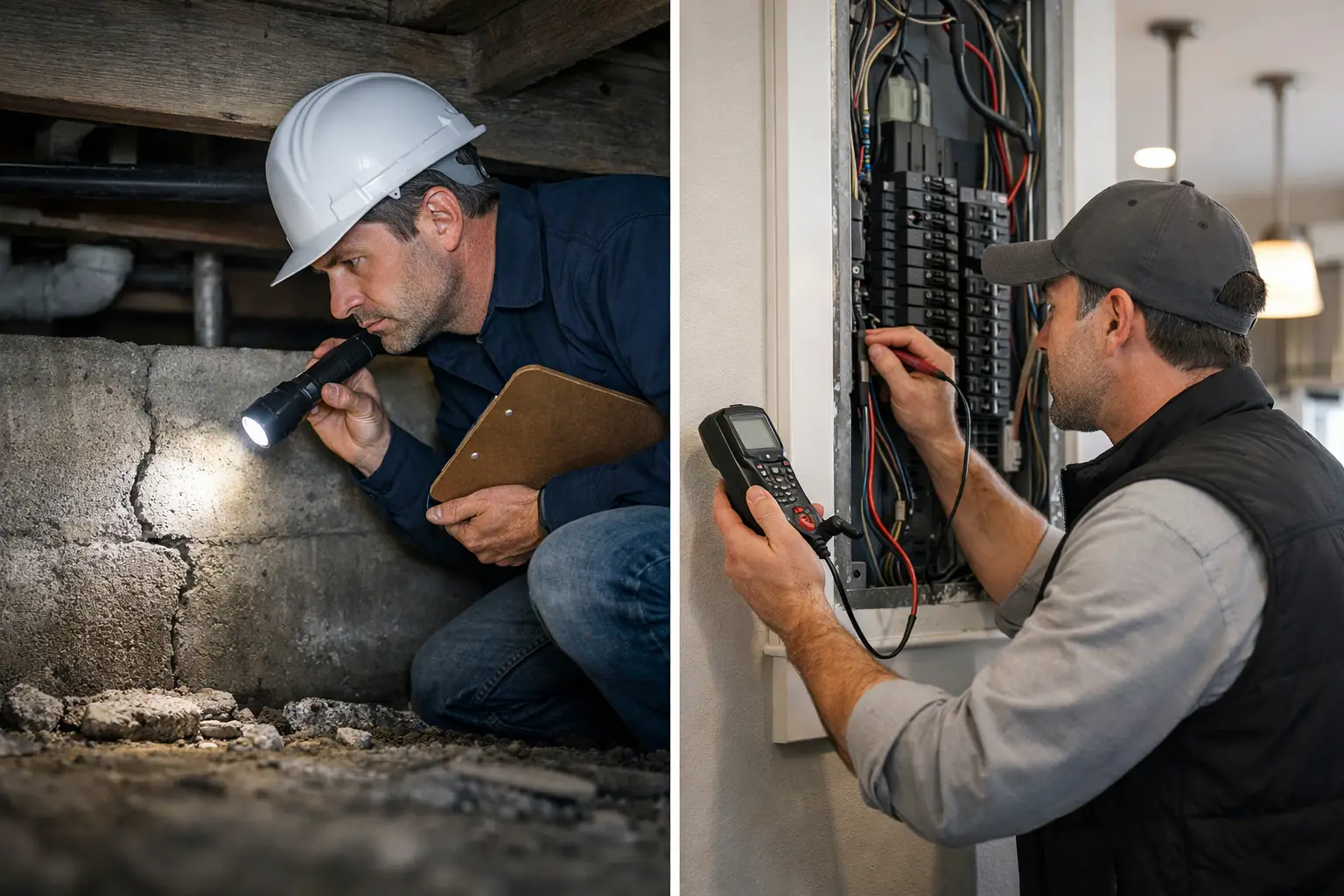
A qualified home inspector typically evaluates the foundation and visible structural components, roof covering, attic, exterior, electrical system, plumbing, HVAC equipment, interior rooms, doors, windows, fireplaces, and built-in appliances. The inspection report organizes the findings and uses photographs to show you what was observed and why it matters.
This broad scope is what makes a home inspection so valuable to buyers. It may reveal a leaking water heater, aged electrical panel, damaged roof shingles, unsafe wiring, poor grading, active plumbing leaks, or signs of foundation movement in one appointment. You are not left guessing where the larger risks may be.
A home inspection is not a warranty, a code compliance inspection, or a guarantee that no future problems will occur. It is also not designed to predict the remaining life of every component. Instead, it gives you a clear, documented snapshot of visible conditions so you can avoid costly surprises and ask better questions during negotiations.
What Is a Structural Inspection?
A structural inspection focuses specifically on the parts of a home that carry, transfer, or resist loads. Depending on who performs it, the term can describe a detailed assessment by a home inspector of visible structural conditions or a more specialized evaluation by a licensed structural engineer.
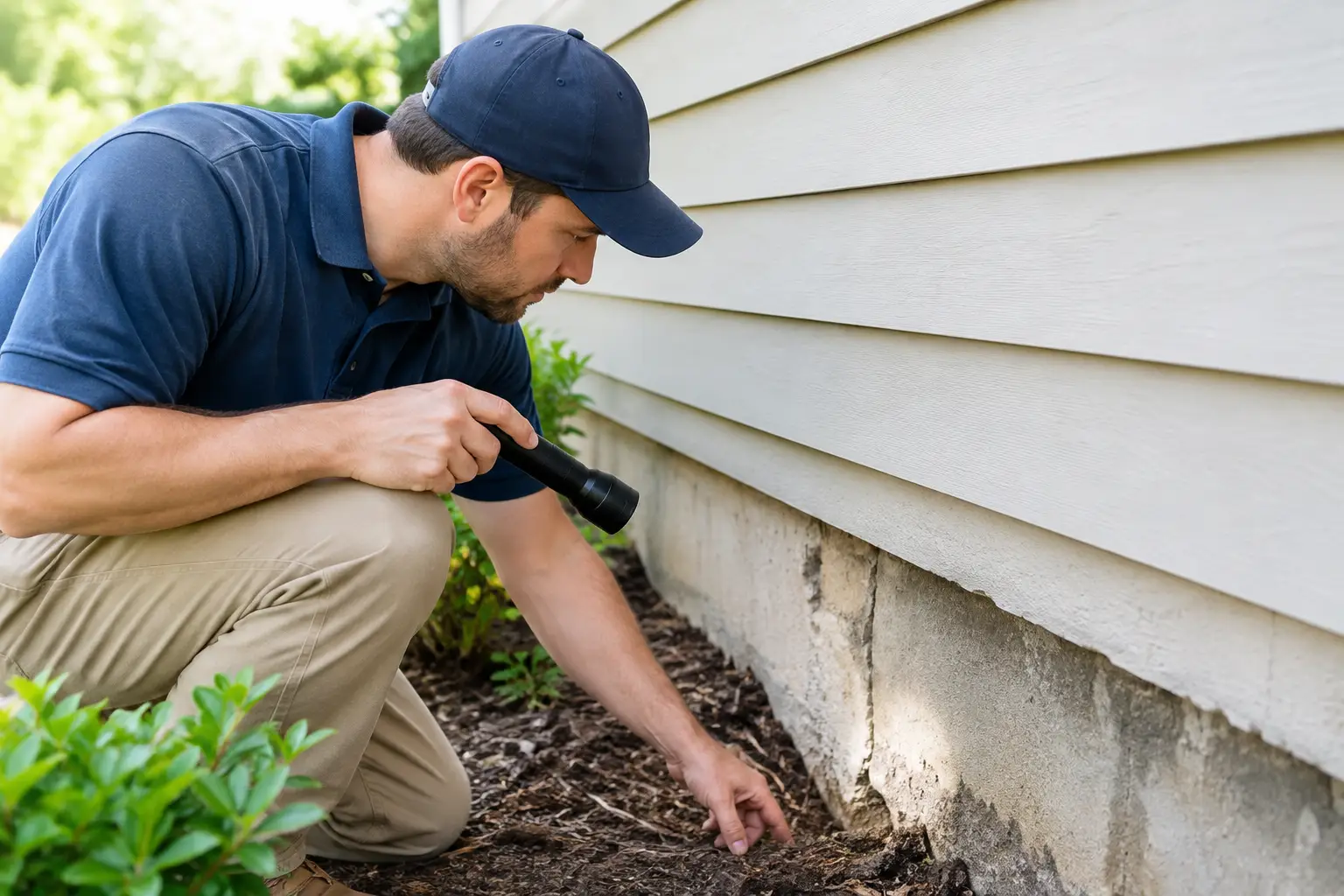
The scope may include the foundation, slab, piers, beams, floor framing, wall framing, roof framing, columns, crawlspace supports, retaining walls, and visible evidence of movement or distress. The purpose is to determine whether observed conditions may be affecting the home’s stability, performance, or safety.
In Texas, this distinction matters. Much of Greater Houston sits on expansive clay soils that can swell when wet and shrink during dry periods. Poor drainage, plumbing leaks, tree roots, and changing moisture levels can contribute to foundation movement. Not every crack means a serious structural problem, but the pattern, location, width, and associated symptoms can tell a more meaningful story than any single crack alone.
A structural engineer can provide engineering analysis and, when appropriate, recommendations for repair or further investigation. That level of evaluation is often needed when there are substantial foundation concerns, significant framing alterations, unusual settlement, or questions about whether repairs are necessary and properly designed.
Structural Inspection vs Home Inspection: The Practical Difference
The simplest difference is scope. A home inspection looks across the house. A structural inspection looks deeply at one critical category of the house.
During a standard home inspection, the inspector evaluates accessible structural elements as part of the overall assessment. They may document stair-step brick cracks, sloping floors, separated trim, sticking doors, ceiling cracks, exposed framing damage, or signs of moisture affecting structural materials. Those findings can help a buyer understand whether the issue appears minor, needs monitoring, or warrants a specialist.
A dedicated structural evaluation goes further into the cause and significance of those concerns. It may involve detailed measurements, analysis of movement patterns, review of prior repairs, or an engineer’s professional recommendations. It is not automatically necessary for every property, and ordering one without a clear reason can add cost and time to a transaction.
That is why starting with a comprehensive home inspection is usually the most efficient approach. It gives you a complete picture rather than narrowing your attention to one area before you know whether other major defects are present. If structural red flags appear, you can then pursue the right next step with confidence.
When Should a Buyer Request a Structural Evaluation?
A home inspection may recommend additional structural review when visible conditions suggest the possibility of significant movement, deterioration, or inadequate support. The recommendation is not a diagnosis and does not automatically mean the house is unsafe. It means the condition deserves an opinion beyond the limits of a general visual inspection.
Consider a structural specialist or engineer when you see several related symptoms, such as:
- Noticeable floor slopes, bouncy floors, or uneven transitions between rooms
- Large, recurring, or stair-step cracks in brick veneer or interior walls
- Doors and windows that bind, separate from frames, or will not latch properly
- Gaps between walls, ceilings, cabinets, or exterior trim
- Evidence of foundation repairs, added piers, or past structural modifications
- Sagging roof lines, damaged framing, or inadequate supports in an attic or crawlspace
Context matters. A small drywall crack can result from normal seasonal movement or routine settling. A small crack combined with uneven floors, brick separation, and drainage problems deserves closer attention. A careful inspector helps distinguish between common cosmetic issues and patterns that should not be ignored.
Why Houston Buyers Need Both Perspectives
Houston, Cypress, Katy, and nearby communities include homes built across different decades, soil conditions, drainage designs, and construction practices. A newer home can have defects. An older home can be well maintained and structurally sound. Age alone does not answer the question.
Local conditions make drainage especially relevant. Gutters that discharge next to the foundation, negative grading, standing water, damaged underground drains, or irrigation issues can create moisture changes around a slab. A home inspection can identify visible drainage concerns and other maintenance issues that may contribute to future problems. A structural professional can assess whether movement-related symptoms indicate a need for repair.
Buyers should also be cautious about assuming a prior foundation repair resolves every concern. Documentation, transferable warranties, repair scope, and the current condition of the home all matter. If repairs are visible or disclosed, ask for records and have the condition evaluated during your inspection period. The right answer may be simple monitoring, additional drainage work, a specialist review, or no further action at all.
How Inspection Findings Help You Negotiate
Inspection results are not just a repair list. They are decision-making tools. A detailed report lets you prioritize health and safety concerns, major expenses, active water intrusion, and items that need specialist review before the option period ends.
If structural concerns arise, avoid rushing into a repair demand based only on assumptions. Request the appropriate evaluation, obtain documentation, and understand the likely cause and recommended correction. Depending on the findings, you may ask the seller to make repairs, provide a credit, adjust the purchase price, or allow more time for due diligence.
For a first-time buyer, this process can feel intimidating. For an experienced buyer, it can be tempting to minimize concerns in a competitive market. Neither approach protects your investment. Clear reporting and professional guidance put the facts in front of you so you can decide what level of risk and future cost you are willing to accept.
Start Broad, Then Follow the Evidence
A structural inspection is not a replacement for a home inspection, and a home inspection is not a substitute for an engineering evaluation when one is needed. Each service has a different role in protecting your purchase.
CK Inspections helps buyers begin with a thorough, visual evaluation of the home and clear documentation of conditions that need attention. When the evidence points to a structural concern, acting quickly during your inspection period can preserve your options and prevent a costly surprise after closing.
Before you buy, give the house the same careful review you would want if the repair bills were already yours. That is how you move forward with real confidence, not blind optimism.