The inspection day is not the time to stand quietly in the kitchen and wait for the report. If you’re wondering what should buyer do during home inspection, the short answer is this: show up, pay attention, ask good questions, and use the appointment to understand the home you may be buying.
A home inspection is one of the best chances you have to avoid costly surprises before closing. It is not just a box to check for your lender or your contract. It is your opportunity to see the property through a trained, objective lens and learn where the house is solid, where it may need maintenance, and where problems could affect your budget or decision.
What should a buyer do during home inspection?
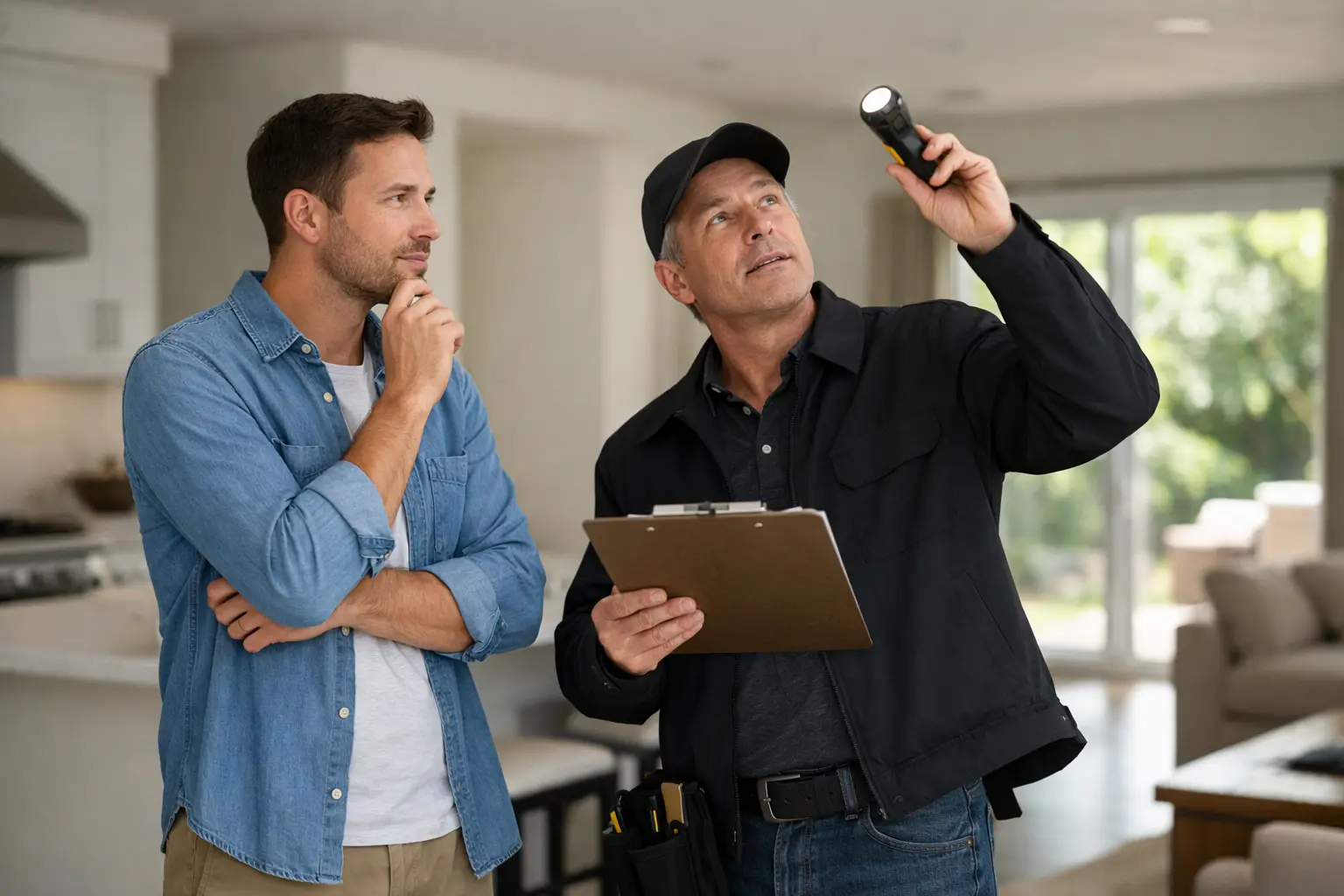
The buyer should treat the inspection as a working appointment, not a formality. That means arriving on time, following the inspector’s process, taking notes, and listening for patterns rather than reacting emotionally to every comment.
Every house has findings. Even newer homes can have drainage concerns, unsafe wiring details, HVAC performance issues, roof wear, plumbing leaks, or signs of deferred maintenance. The goal is not to find a perfect house. The goal is to understand the true condition of the property well enough to move forward with confidence, renegotiate intelligently, or step back if the risk is too high.
If possible, attend at least the last hour of the inspection. Some buyers prefer to be present for the full appointment, which can be helpful if you want a deeper understanding of the home. Still, it depends on the inspector’s workflow and the property’s size. In many cases, giving the inspector space to work first and then joining for a walkthrough leads to a better conversation.
Arrive ready to observe, not interrupt
A good inspector follows a system. They are moving through major components such as the roof, exterior, structure, attic, electrical, plumbing, HVAC, interior rooms, appliances, and visible insulation and ventilation conditions. Buyers get the most value when they respect that process.
That does not mean staying silent. It means choosing your timing. Instead of asking constant what-if questions while the inspector is testing outlets or documenting roof conditions, save your larger questions for natural pauses or the review at the end. This helps the inspector stay focused and reduces the chance of something being missed.
Bring your phone for photos, a small notebook, and the property disclosure if you have it. Comfortable shoes help too, especially in Texas heat, where inspections often include a lot of exterior walking.
Focus on the big issues first
The fastest way to get overwhelmed is to treat every defect the same. A loose doorstop and an active roof leak do not belong in the same mental category.
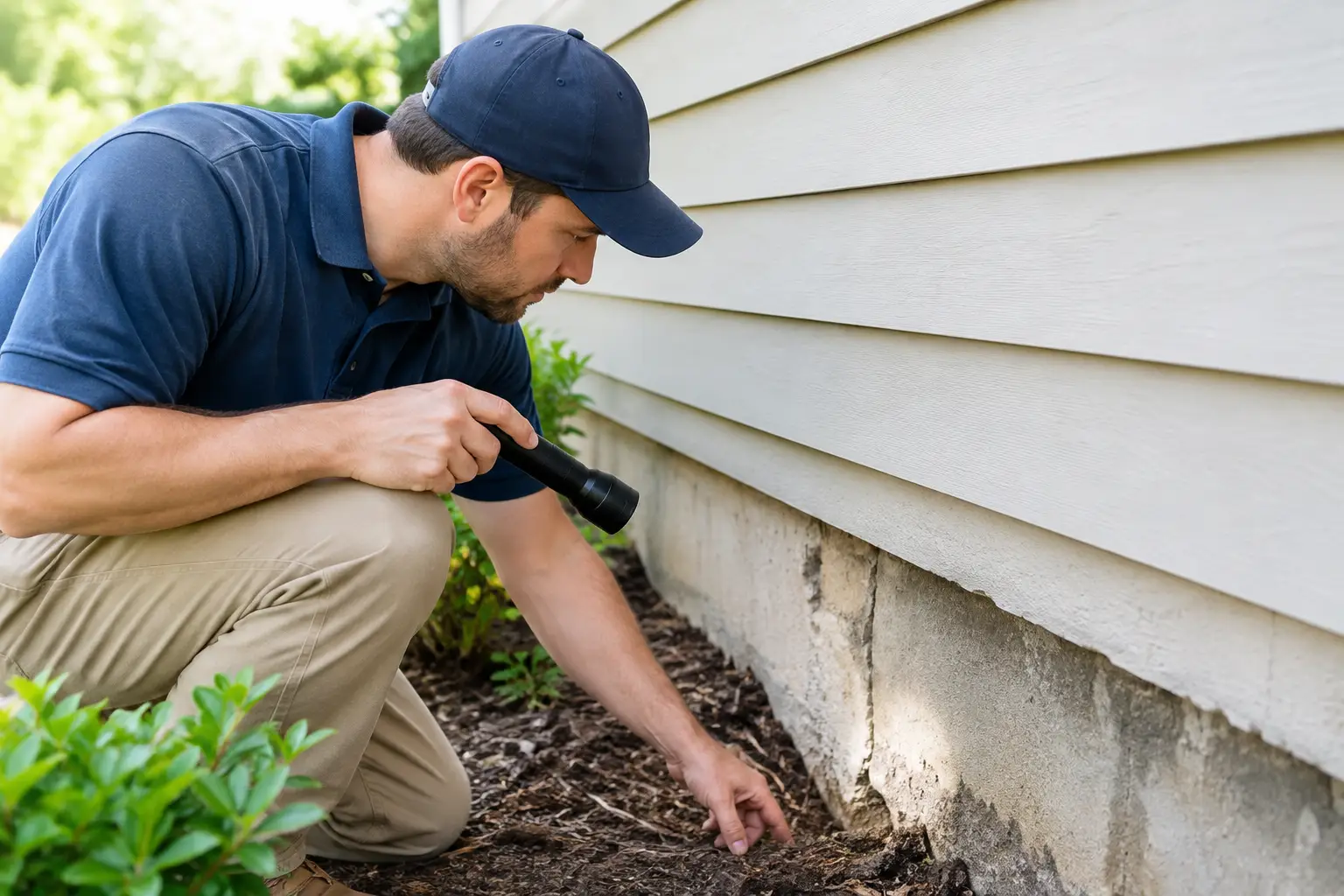
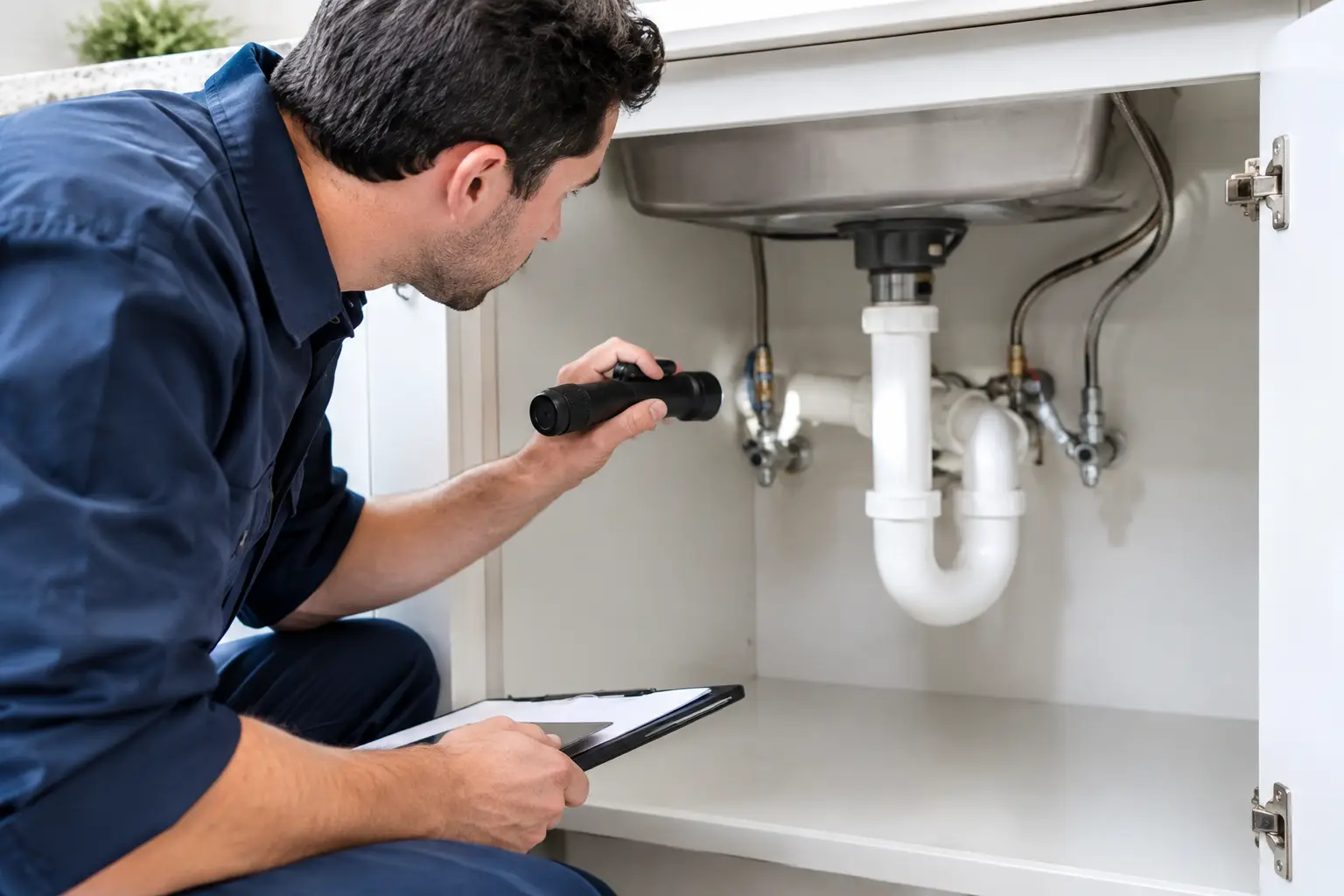
During the inspection, pay closest attention to findings involving structure, moisture intrusion, roofing, electrical safety, plumbing leaks or drain issues, HVAC performance, and signs of wood-destroying insect activity. These are the categories most likely to affect safety, habitability, and repair costs.
Cosmetic issues matter, but they usually do not carry the same financial weight. Chipped paint, worn caulk, sticking doors, or minor drywall cracks may still deserve attention, but they should not distract you from the conditions that can become expensive fast.
This is where an experienced inspector adds real value. The report should not just list defects. It should help you organize them by significance so you can decide what needs immediate action, what can be monitored, and what belongs on a future maintenance list.
Ask questions that help you make decisions
Buyers sometimes ask, “Is this house good or bad?” That question is too broad to be useful. A better approach is to ask questions that clarify severity, timing, and next steps.
Ask whether a condition is a safety concern, whether it appears active or old, whether specialist evaluation is recommended, and what could happen if the issue is ignored. You can also ask whether the finding is common for a home of that age or whether it stands out as unusual.
Those answers can shape your negotiation strategy. For example, an older but functioning HVAC system may not justify a repair request if it is doing its job today, though you should budget for replacement sooner rather than later. On the other hand, a leaking drain line, panel defect, or evidence of active moisture intrusion deserves closer attention because the damage can spread.
A practical buyer is not trying to turn the inspection into a pass-fail event. The smarter move is to understand where the house stands today and what ownership is likely to cost you in the near future.
What should buyer do during home inspection if serious defects show up?
Stay calm and get specific. Inspection findings can sound alarming when you hear them one at a time in real time. That is why context matters.
If significant concerns appear, ask the inspector to explain the issue in plain language and show you the location. Look at the photos. Understand whether the defect affects safety, function, or long-term durability. Then ask whether a licensed specialist should evaluate it further before closing.
In some cases, the right move is to request repairs. In others, a price reduction or seller credit makes more sense. Sometimes the issue is large enough that a buyer should reconsider the purchase entirely. That decision depends on your budget, risk tolerance, market conditions, and how much work you are prepared to take on after closing.
This is especially true in competitive markets. Buyers sometimes feel pressure to accept problems just to keep the deal alive. That can be costly if the home has hidden defects that were visible during the inspection period but not fully understood. Slow down and make decisions from the report, not from pressure.
Use the inspection to learn the house
A quality inspection is not only about defects. It is also your chance to learn how the home works.
Pay attention when the inspector points out the main water shutoff, electrical panels, HVAC equipment, attic access, gas shutoff locations, or drainage patterns around the exterior. Ask about routine maintenance items that matter in Texas homes, such as filter changes, condensate line care, grading, roof drainage, and sealing around penetrations.
This information is useful even if the house is in great condition. Many expensive problems start as manageable maintenance items. When buyers understand the systems early, they are far better prepared to protect the property after move-in.
Do not negotiate from the driveway
One common mistake is trying to build a repair request before the inspector has even finished. Another is calling the seller’s side immediately based on verbal comments alone.
Wait for the written report. A professional inspection report gives you organized findings, photos, and clearer language you can use to discuss next steps with your agent. It also helps separate major concerns from routine maintenance items.
If the report includes a repair request builder or similar tool, use it to stay focused and efficient. The best negotiations are specific. They reference documented defects, explain why the item matters, and avoid turning a legitimate inspection response into a long wish list.
For many buyers, this is where post-inspection support matters most. A thorough report is valuable, but clear follow-up is just as important when you are deciding what to ask for and what to accept.
Know when extra inspection services make sense
Sometimes the general home inspection raises questions that call for additional evaluation. In Texas, that can include wood-destroying insect inspections, sewer line camera inspections, or thermal imaging when moisture or performance concerns need more clarity.
These add-ons are not necessary for every home, but they can be very worthwhile depending on the age of the property, visible symptoms, and the inspector’s observations. An older home with mature trees, previous plumbing history, or suspicious staining may justify more investigation than a newer property with cleaner visible conditions.
The key is to avoid guessing. If the home shows signs that a hidden issue may exist, getting better information before closing is usually cheaper than finding out after you own it.
Keep your expectations realistic
No inspection can predict every future problem or see through walls. Inspectors evaluate the home’s visible and accessible systems and components on the day of the appointment. That means there are limits, and buyers should understand them.
Still, realistic expectations do not reduce the value of the inspection. They increase it. When you know what an inspection can and cannot tell you, you are better able to use the findings correctly. You are not looking for a guarantee that nothing will ever break. You are looking for a clear picture of the home’s present condition and the risks that deserve your attention now.
For buyers in Houston, Cypress, Katy, and nearby communities, that practical clarity can make all the difference. A careful inspection, a detailed report, and thoughtful follow-up help you avoid buying blind. If you want that level of support, CK Inspections is built to help you make a confident decision before closing.
The best buyers are not the ones who panic over every note in the report. They are the ones who show up, ask smart questions, and use the inspection to protect both their investment and their peace of mind.