A new home can look settled long before it has fully revealed how it performs. After months of Texas heat, heavy rain, daily HVAC use, and normal household activity, minor construction issues can become easier to identify. An 11 month warranty inspection Cypress TX homeowners schedule is a practical way to document concerns before the builder’s one-year coverage window closes.
The goal is not to create a long punch list for its own sake. It is to give you a clear, professional assessment of visible and accessible conditions that may deserve the builder’s attention while you still have warranty protection. Don’t let an avoidable deadline turn into an out-of-pocket repair.
Why the 11-Month Mark Matters
Most newly built homes include a builder warranty, but the terms, exclusions, notice requirements, and coverage periods vary. The one-year mark is commonly associated with workmanship and materials, while certain components may carry different coverage periods. Your purchase documents and warranty booklet control what the builder is obligated to address.
By month 11, your home has had time to go through real-world conditions. Materials expand and contract, framing dries, doors are opened and closed thousands of times, and drainage patterns become more apparent after rain. Some issues that were not obvious at final walkthrough can show themselves gradually.
Waiting until the final few days is risky. Builders may require written notice before the warranty expires, and arranging an inspection, reviewing the report, and submitting a request can take time. Scheduling several weeks ahead gives you room to understand the findings and follow the builder’s process without unnecessary pressure.
What an 11 Month Warranty Inspection in Cypress, TX Can Evaluate
A warranty inspection is a visual, non-invasive evaluation of the home’s readily accessible systems and components. It is not a code compliance inspection, an engineering analysis, or a guarantee that every future issue will be predicted. It is, however, a valuable second look from an independent inspector whose job is to help you understand the home’s present condition.
Structure, Exterior, and Drainage
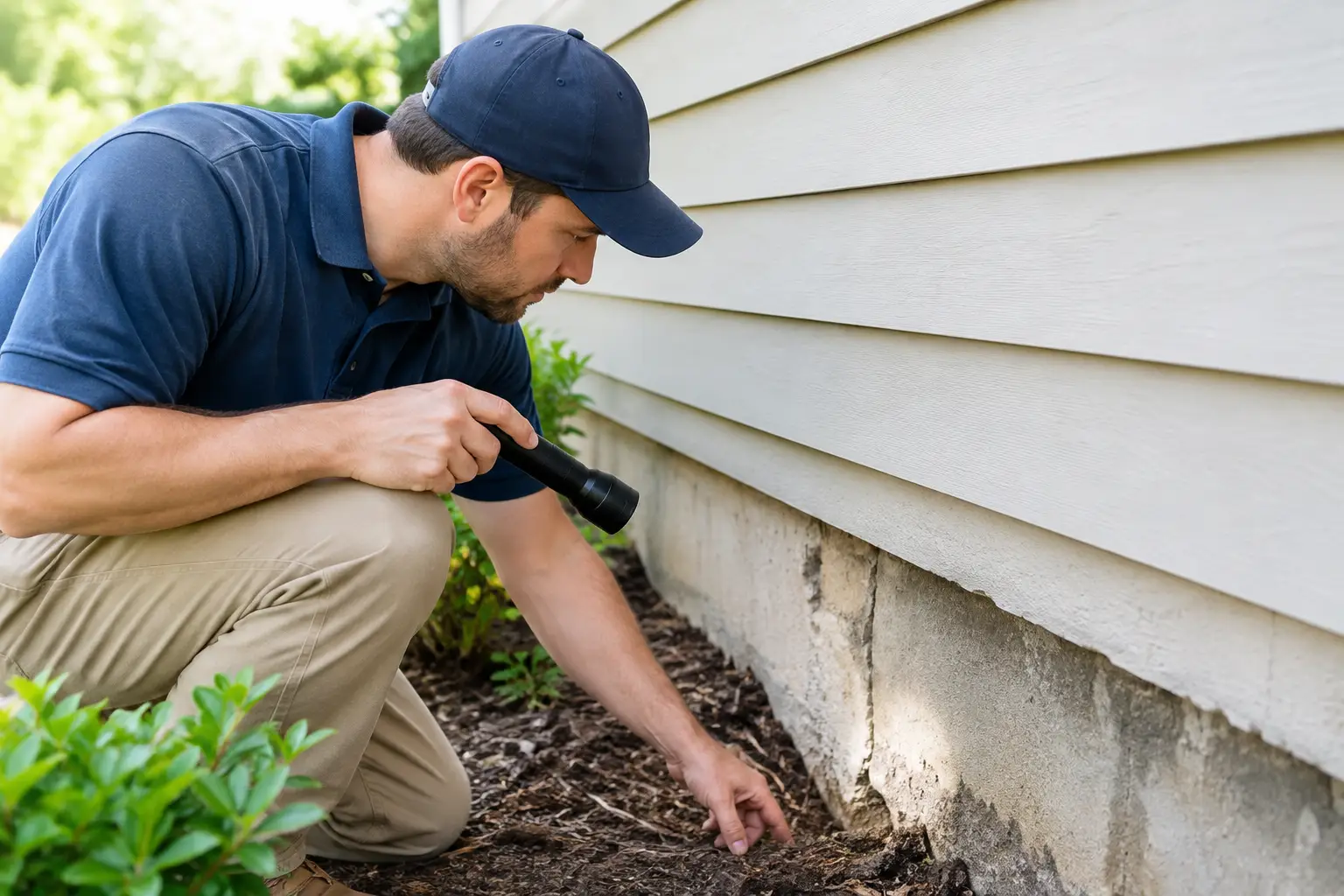
The inspection begins with the home’s visible structure and exterior. In the Cypress area, shifting soils, seasonal rainfall, and high humidity make proper drainage and exterior maintenance especially relevant. The inspector may evaluate visible foundation conditions, grading near the home, roof coverings, flashing, exterior cladding, windows, doors, and attached structures.
Not every crack means a serious structural problem. Small drywall or caulk cracks can be part of normal settlement, and builders may have published standards for cosmetic items. Still, cracks with particular patterns, doors that no longer operate properly, standing water near the foundation, or exterior gaps should be documented and evaluated in context.
Roofing, Attic, and Insulation Conditions
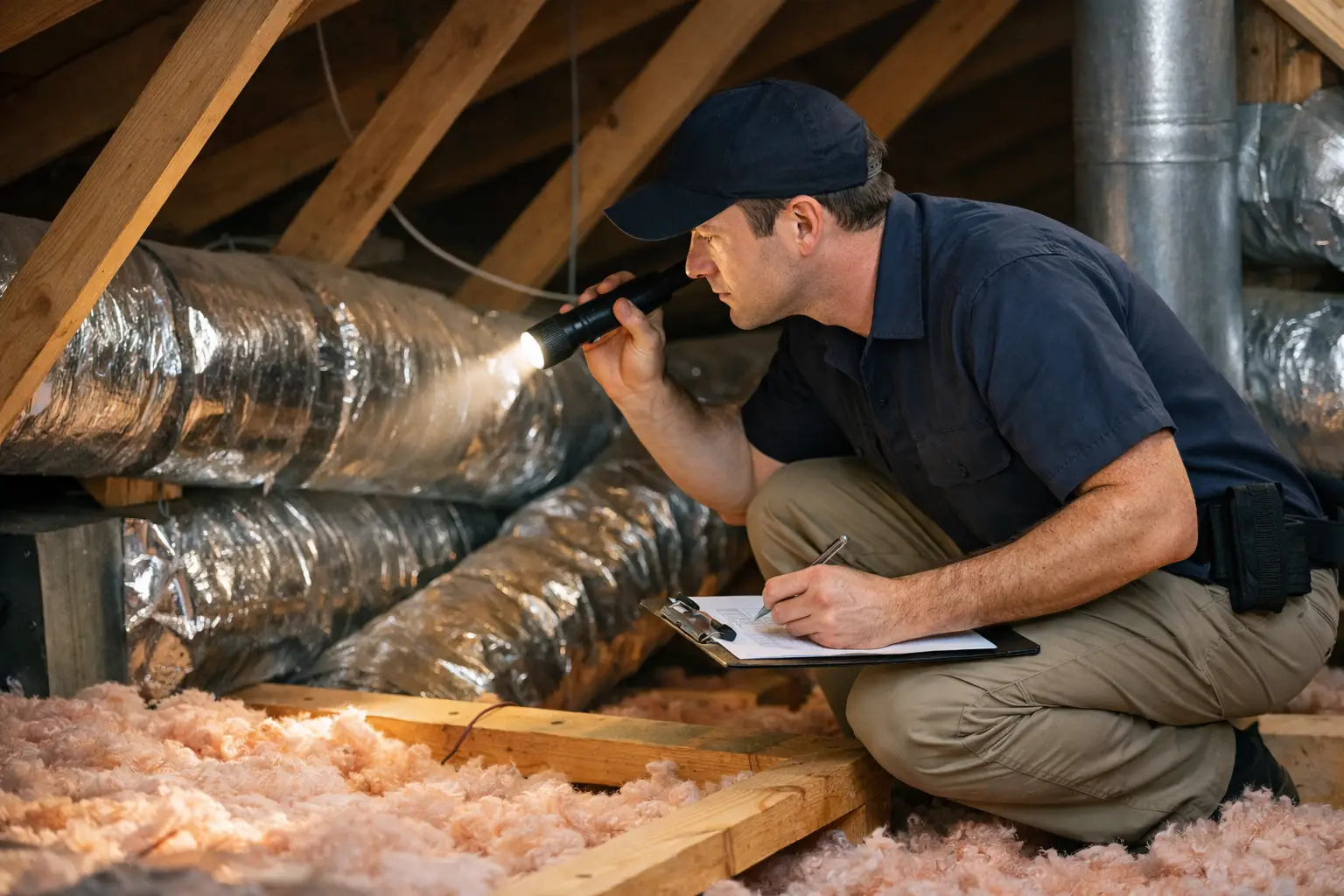
Roof concerns are best addressed before a small issue has time to damage finishes below. An inspection can identify visible roof covering defects, flashing concerns, penetrations, gutter issues, and accessible attic conditions. The attic review may also note insulation distribution, ventilation components, visible framing conditions, and signs of active concerns that warrant builder review.
New roofs can develop problems from installation details, storm exposure, or incomplete finishing around penetrations. A home may not leak during every rain event, so the absence of an active leak does not automatically confirm that all roof details are performing as intended.
Electrical, Plumbing, and HVAC Performance
A practical warranty inspection looks at major visible electrical, plumbing, and HVAC components. This can include representative outlets and switches, the electrical panel, fixtures, accessible plumbing connections, water flow at fixtures, drains, water-heating equipment, and heating and cooling operation when weather conditions allow.
Houston-area homeowners often notice comfort concerns after living through a full summer. A room that runs warmer than the rest of the house, a bathroom exhaust fan that does not vent effectively, a condensate drain concern, or an HVAC system that does not respond as expected may deserve attention. Some comfort differences are related to furnishings, thermostat settings, sun exposure, or closed vents, so an inspector will distinguish observed conditions from conclusions that require further evaluation.
Interior Finish and Function
The interior portion of an 11-month inspection addresses more than appearance. Cabinets, countertops, floors, stairs, railings, windows, interior doors, fireplaces, installed appliances, and visible wall and ceiling conditions can all affect daily use and safety.
Cosmetic items are where expectations and warranty standards can differ most. A builder may consider certain minor imperfections acceptable after occupancy, while more significant damage, loose components, failed caulking, or doors that do not latch correctly may be appropriate for repair. Clear photos and straightforward descriptions help you communicate the issue without overstating it.
How to Prepare for Your Inspection
You will get more value from the appointment when the inspector has reasonable access to the home’s systems. Clear access to the electrical panel, water heater, HVAC equipment, attic entry, and garage helps keep the evaluation efficient. If a room has a recurring concern, leave it accessible and make a note of what you have observed.
Before the inspection, gather your warranty documents, builder contact information, and any prior service records. Keep a short homeowner list of concerns, such as a sticking door after rain, a slow drain, inconsistent room temperatures, or water that collects in one area of the yard. Your observations matter because you live in the home every day.
It also helps to avoid making cosmetic repairs immediately before the inspection. If you have a recurring crack or a caulk joint that separates repeatedly, document it rather than repeatedly covering it up. The goal is an accurate record of the current condition.
What to Do With the Report
A good report should make the next step clear. Rather than leaving you with a technical document full of unexplained observations, it should identify the condition, show where it was observed, and explain why it may matter. Photos are especially useful when you need to submit a warranty request or discuss an issue with the builder’s representative.
Review the report alongside your warranty documents. Focus first on safety concerns, active water-related conditions, system performance issues, and defects that could worsen if left unaddressed. Then submit the items through the builder’s required channel before the deadline. Keep copies of the report, emails, service tickets, photos, and any responses you receive.
Builders may repair some items, monitor others, or determine that a condition falls outside the warranty. If you disagree with a response, your documentation gives you a factual starting point for a follow-up conversation. The inspection report is not a demand for repairs. It is independent information that helps you ask better questions and make timely decisions.
Why an Independent Perspective Helps
Your builder may have already completed a final walkthrough and addressed earlier punch-list items. That process is useful, but it is not the same as hiring an independent inspector to look at the home after months of occupancy. The builder’s team is responsible for construction and warranty service. An independent inspection is focused on helping the homeowner understand what is visible, accessible, and worth addressing.
CK Inspections brings more than 20 years of hands-on construction, home building, and renovation experience to residential evaluations. That practical background helps separate normal maintenance items from conditions that deserve prompt attention, without alarming homeowners over every minor imperfection.
A warranty inspection cannot promise that a builder will approve every request, and it cannot eliminate all future maintenance. Homes need ongoing care, even when they are new. What it can do is help you avoid the much more frustrating situation of discovering a documented, addressable issue just after your coverage period ends.
Your first year in a new home is the right time to learn how it responds to weather, occupancy, and regular use. Before the warranty clock runs out, give yourself a clear picture of what deserves a conversation with your builder – and the confidence to protect the home you worked hard to buy.