A house can look move-in ready and still hide serious electrical panel safety concerns behind a closed metal door in the garage, utility room, or exterior wall. For homebuyers, that matters because the electrical panel is where power is distributed throughout the house. If there is a problem there, the issue is not just convenience – it can affect safety, insurability, repair costs, and your confidence in the purchase.
When buyers think about electrical issues, they often picture dead outlets or old light fixtures. The panel deserves just as much attention. It is one of the most important components in the home, and it can reveal whether the electrical system has been maintained properly, altered over time, or pushed beyond what it was designed to handle.
Why electrical panel safety concerns deserve a closer look
An electrical panel is not automatically unsafe because it is old. Age alone does not tell the whole story. A well-maintained older panel may perform adequately, while a newer panel with poor workmanship can create immediate concerns.
What matters is condition, design, installation quality, and whether the system matches the home’s electrical demands. In Texas homes, especially in fast-growing areas where additions, garage conversions, pool equipment, and HVAC upgrades are common, panels sometimes show signs that the system has been modified without enough planning. That is where hidden risk starts to build.
Some issues are relatively straightforward, such as missing panel screws or unlabeled breakers. Others point to larger concerns, like overheated conductors, water intrusion, double-tapped breakers where they are not permitted, or evidence that the panel may be undersized for the property. These are not cosmetic defects. They can affect how safely the system operates every day.
Common electrical panel safety concerns buyers should know
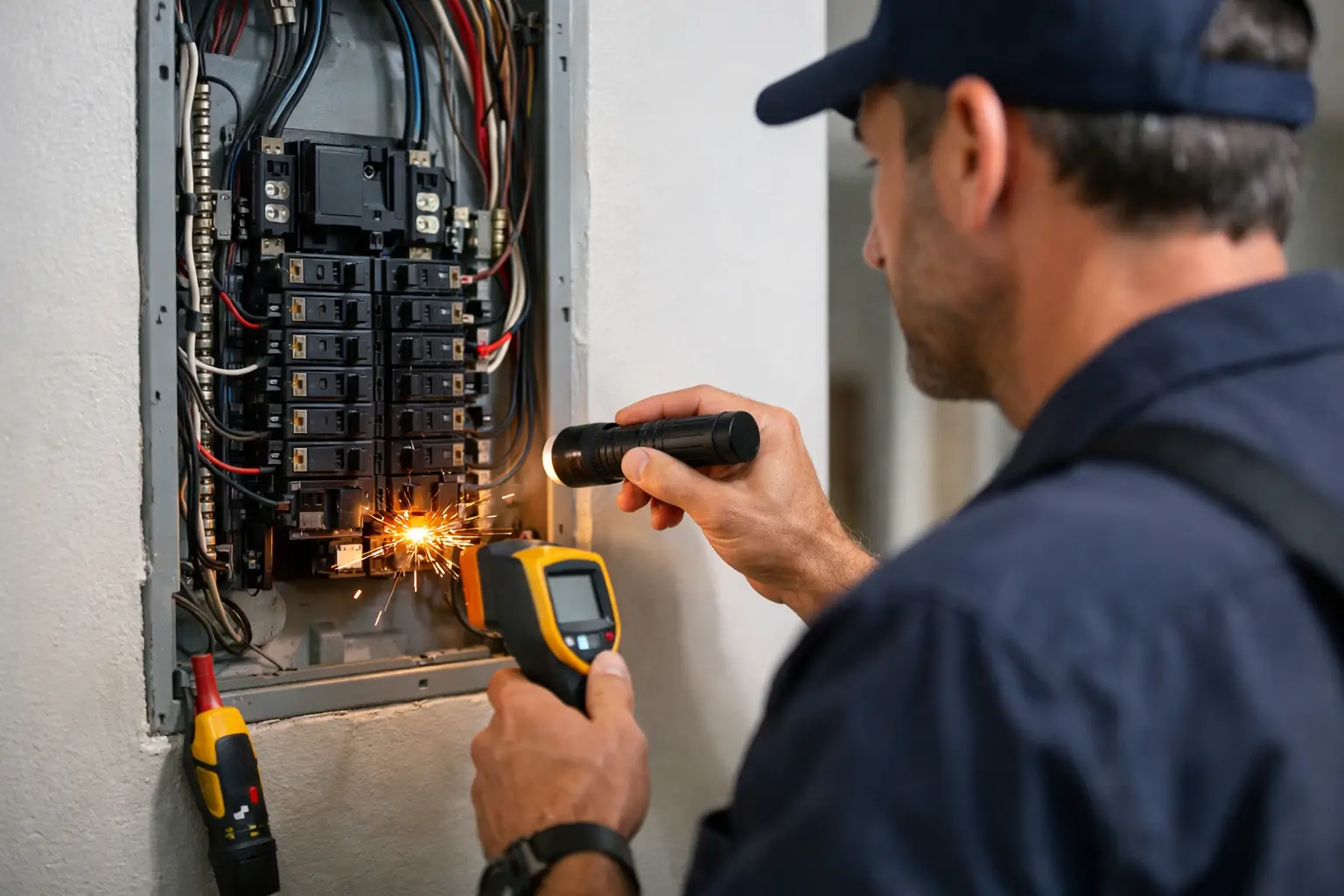
One of the most common concerns is overheating. This may show up as scorch marks, melted insulation, discolored breakers, or a burnt odor near the panel. Overheating can happen for several reasons, including loose connections, overloaded circuits, or internal breaker failure. Any of those conditions deserves prompt evaluation because heat and electricity are a bad combination.
Another issue is improper wiring inside the panel. Buyers may hear terms like double tapping, bonding problems, neutrals and grounds landed incorrectly, or abandoned openings in the panel cabinet. The details can sound technical, but the practical takeaway is simple: panels need to be wired in a very specific way to operate safely. When shortcuts show up, they raise questions about the quality of past electrical work elsewhere in the home too.
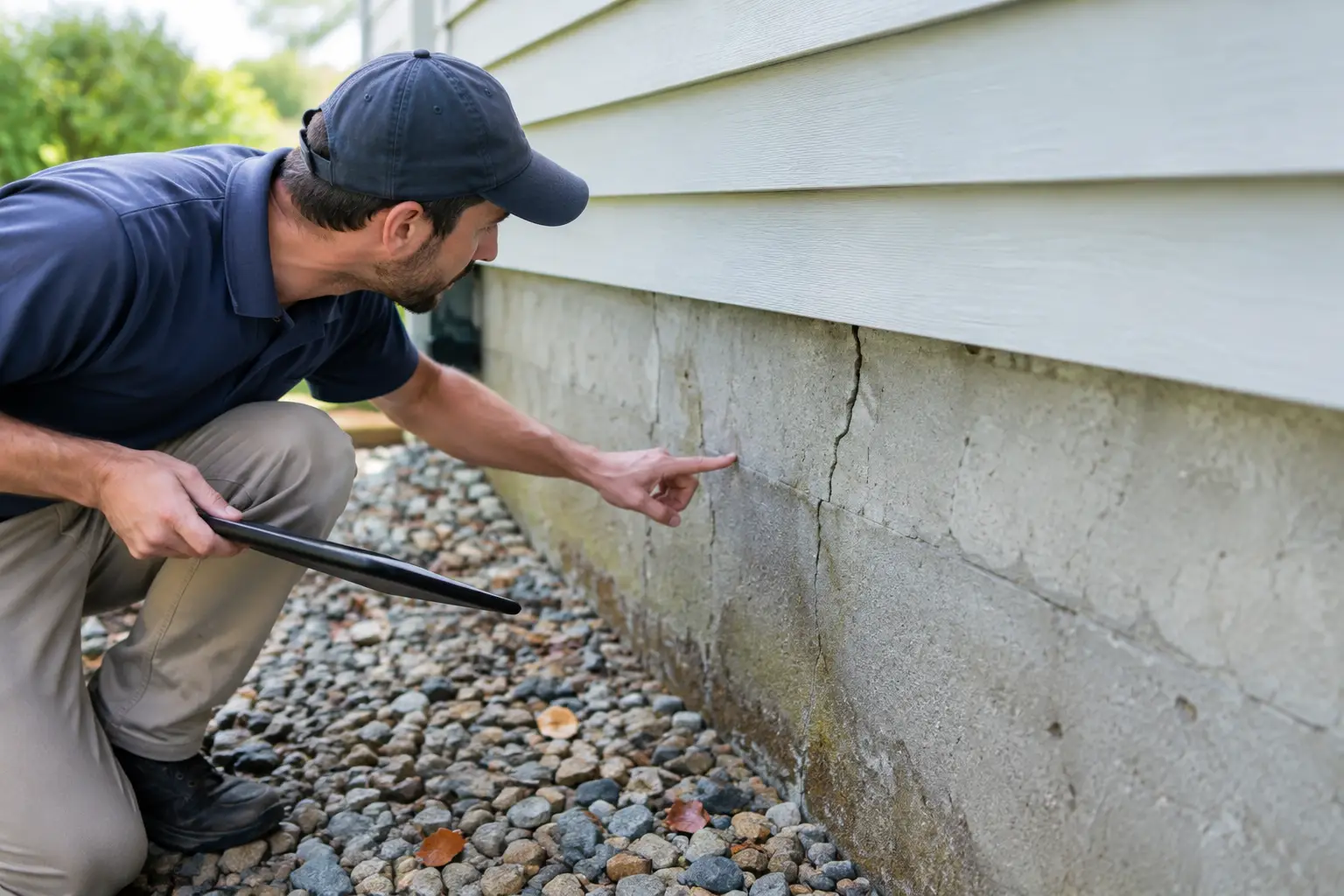
Corrosion and moisture are also major red flags. In our region, humidity, wind-driven rain, and aging exterior equipment can take a toll. If an exterior panel has rust, staining, or evidence of water entry, the concern is not just appearance. Moisture can damage components, contribute to arcing, and shorten the lifespan of breakers and connections.
Sometimes the concern is capacity. An older home may have a panel that was adequate decades ago but now serves far more equipment than originally intended. Modern living adds demand through larger HVAC systems, kitchen appliances, home offices, EV charging, workshops, and backyard features. A panel that is full, overcrowded, or relying on workarounds may be telling you that the electrical system is under strain.
Older panels and recalled equipment
Not all older panels are defective, but some specific brands and models have developed a reputation for failure or poor performance. That matters in a real estate transaction because certain panel types can raise concerns with insurers, electricians, and buyers even if the lights are currently on and everything appears to work.
This is where context matters. A panel does not need to be actively smoking to become a financial issue. If replacement parts are limited, breakers are known to fail to trip, or the equipment has a history of safety complaints, the buyer may be looking at a replacement recommendation rather than a minor repair.
That does not mean every old panel must be replaced on sight. It does mean the panel should be identified accurately and assessed carefully. For buyers, the real question is not whether the home has power today. It is whether the system is dependable and whether future costs need to be factored into the deal.
What a panel can reveal about the rest of the house
The electrical panel often tells a bigger story. If the panel interior is organized, properly labeled, and shows professional workmanship, that can be a positive sign. If it is chaotic, overcrowded, or full of improvised fixes, it may suggest the home has had piecemeal electrical changes over the years.
For example, a panel with multiple added breakers, mismatched components, and poor labeling might point to past renovations, additions, or appliance installations that were not thoughtfully integrated. You may also see clues that a previous owner added a generator connection, a shed feed, or pool equipment without properly updating the service. The panel becomes a record of how the home’s electrical system evolved.
That is one reason homebuyers should not treat panel issues as isolated defects. In some cases, the panel is the only visible location where broader electrical concerns can be identified during a home inspection.
Electrical panel safety concerns during a home inspection
During a residential inspection, the panel is evaluated as an accessible component of the home’s electrical system. The inspector is looking for visible defects, unsafe conditions, signs of overheating, improper connections, missing safety features, and indications that further review by a licensed electrician is warranted.
This is not the same as performing a full electrical engineering analysis, and that distinction matters. A home inspection is a visual, non-invasive assessment. It can identify concerns that affect your buying decision, but some conditions may require a licensed electrician to determine the scope of repair or replacement.
That is actually useful for buyers. The goal is not to turn the inspection into a technical seminar. The goal is to identify material issues clearly enough that you can make informed decisions, negotiate repairs or credits when appropriate, and avoid costly surprises after closing.
When a panel issue is minor and when it is not
Not every defect means you should walk away from the house. Some panel findings are relatively manageable. Missing circuit labels, a panel cover issue, or the need for a breaker correction may be repairable without a major project.
Other findings deserve a more serious response. Evidence of arcing, overheating, corrosion, improper service modifications, known problematic panel types, or capacity limitations can lead to expensive repairs or full replacement. The difference often comes down to whether the issue is isolated and repairable or whether it reflects a larger system problem.
This is where buyers benefit from clear reporting and practical guidance. A good inspection report does not just list a defect. It helps you understand what the defect may mean for safety, function, and next steps.
Why this matters before closing
Electrical repairs are not always cheap, and panel work can become more involved once an electrician starts tracing related defects. A panel replacement may also trigger additional updates, depending on the home’s configuration and local requirements. That can affect your budget, your timeline, and your negotiation strategy.
For some buyers, the bigger concern is peace of mind. If you are purchasing your first home, using VA financing, or trying to keep post-closing expenses under control, unresolved electrical panel safety concerns can turn into the kind of surprise you were trying to avoid in the first place.
That is why this issue deserves attention before you sign final papers. A careful home inspection helps you understand whether the panel appears serviceable, whether a specialist should take a closer look, and whether the home is bringing hidden electrical risk into the transaction. For buyers in Houston, Cypress, Katy, and surrounding communities, CK Inspections approaches panel concerns the same way we approach the rest of the home – with clear documentation, practical findings, and a focus on protecting your investment.
A home does not need to be perfect to be a smart purchase. But when the electrical panel raises safety questions, you want those answers before the keys are in your hand, not after the moving truck leaves.