A house can look spotless during a showing and still have expensive problems hiding behind the walls, in the attic, or under the roofline. If you are wondering what to look for during a home inspection as a buyer, the goal is not to find a perfect home. It is to understand the true condition of the property before you commit.
That distinction matters. Almost every home has defects. What protects you is knowing which issues are cosmetic, which are safety concerns, and which ones can turn into major repair bills after closing. A good inspection helps you avoid buying blind.
What to look for during a home inspection as a buyer
Start by thinking in systems, not finishes. Fresh paint, staged furniture, and updated countertops can distract from bigger concerns. As a buyer, you want clear answers about the structure, roof, electrical, plumbing, HVAC, and signs of moisture or movement.
The most important question is not, “Does this house have any issues?” It is, “Which issues affect safety, function, and future cost?” That mindset will help you focus on what really matters when the report comes in.
Structural movement and foundation concerns
In the Houston area and across many Texas communities, foundation movement is one of the first things buyers should take seriously. Soil conditions, drainage problems, and seasonal moisture changes can all affect how a home settles.
During the inspection, pay attention to cracks in brick veneer, interior wall cracks, doors that stick, sloping floors, and gaps around windows or trim. None of these signs automatically mean the home has a severe structural failure. But together, they can suggest movement that deserves closer review.
This is where context matters. A small cosmetic crack may be normal. A pattern of cracking combined with drainage issues and uneven floors can be far more significant. You are not just looking for defects in isolation. You are looking for a pattern.
Roofing condition and signs of leaks
Roofs are expensive, and roof problems often stay hidden until water damage appears inside. A home inspection should evaluate the visible condition of roofing materials, flashing, penetrations, and drainage components like gutters and downspouts.
As a buyer, watch for missing or damaged shingles, signs of patchwork repairs, sagging areas, exposed fasteners, and staining on ceilings or in the attic. An older roof is not always a deal breaker, but you need a realistic sense of remaining life and any evidence of active leakage.
If there has been recent rain, even better. Moisture often reveals itself when conditions are right. If the home has a history of leaks, that does not always mean you should walk away. It does mean you should understand whether the underlying cause was properly corrected.
What to look for during home inspection in major systems
Big-ticket systems can create the most stress after closing because they are costly to repair and essential to daily living. Buyers should pay close attention to electrical, plumbing, and HVAC findings, especially in older homes or homes that have been renovated.
Electrical safety and function
Electrical issues can range from minor updates to serious safety hazards. A home inspection may identify double-tapped breakers, improper wiring, missing cover plates, outdated components, and unsafe conditions at the panel.
For buyers, the concern is both safety and capacity. Can the system support modern household use? Has work been done professionally, or do repairs look improvised? A recently flipped home may have polished finishes but still contain questionable electrical workmanship behind those walls.
If the inspector notes safety concerns, do not treat them as routine paperwork. Electrical defects are worth addressing before closing, either through repairs, credits, or further evaluation.
Plumbing leaks, drainage, and water heater condition
Plumbing problems are common, and small leaks can lead to bigger damage over time. During the inspection, look for active leaks under sinks, corrosion on supply lines, slow drains, water stains, damaged fixtures, and signs of previous repairs.
Also pay attention to the water heater. Its age, condition, installation quality, and any signs of rust or leakage matter. A water heater near the end of its service life is not unusual, but it is something you should budget for.
In some cases, a standard inspection may raise enough concern to justify a sewer line camera inspection. That can be especially helpful for older homes, homes with mature trees, or properties where drainage problems are suspected. It is a practical way to reduce surprises that a visual inspection alone cannot fully confirm.
HVAC performance and age
In Texas, air conditioning is not a luxury. It is a core system that affects comfort, cost, and livability. During the inspection, buyers should look for signs that the HVAC system is operating properly, cooling and heating as intended, and not showing obvious signs of failure.
Age matters here. An older unit may still function during the inspection, but that does not mean it has years of reliable service left. You want to know whether the system appears well maintained, whether there are visible deficiencies, and whether replacement may be approaching.
A working system on inspection day is good. A system with deferred maintenance, poor airflow, damaged components, or inconsistent performance deserves a closer look.
Moisture, ventilation, and hidden interior damage
Water is one of the most destructive forces in a home. It can affect framing, insulation, drywall, flooring, and indoor air quality. That is why buyers should pay close attention to any mention of moisture intrusion, poor ventilation, or staining.
Check bathrooms, kitchens, laundry areas, attics, and around windows. Look for warped materials, soft spots, peeling paint, mildew-like staining, and musty odors. In the attic, ventilation problems can contribute to heat buildup, condensation, and shortened roof life.
Some moisture issues are visible. Others are easier to identify with tools like thermal imaging, which can help detect temperature differences associated with hidden leaks or insulation gaps. Not every property needs add-on services, but some homes benefit from a more detailed look.
Attic, insulation, and ventilation conditions
Buyers often underestimate the attic, but it can reveal a lot about the home. Signs of leaks, structural modifications, poor insulation coverage, disconnected ductwork, and ventilation deficiencies often show up there before they are obvious in finished living spaces.
A hot Texas attic puts stress on roofing materials and HVAC efficiency. If insulation is thin or uneven, energy costs may be higher than expected. If ventilation is poor, moisture and heat can build up in ways that damage the home over time.
You do not need the attic to be perfect. You do want to know whether it is doing its job.
Exterior drainage and grading
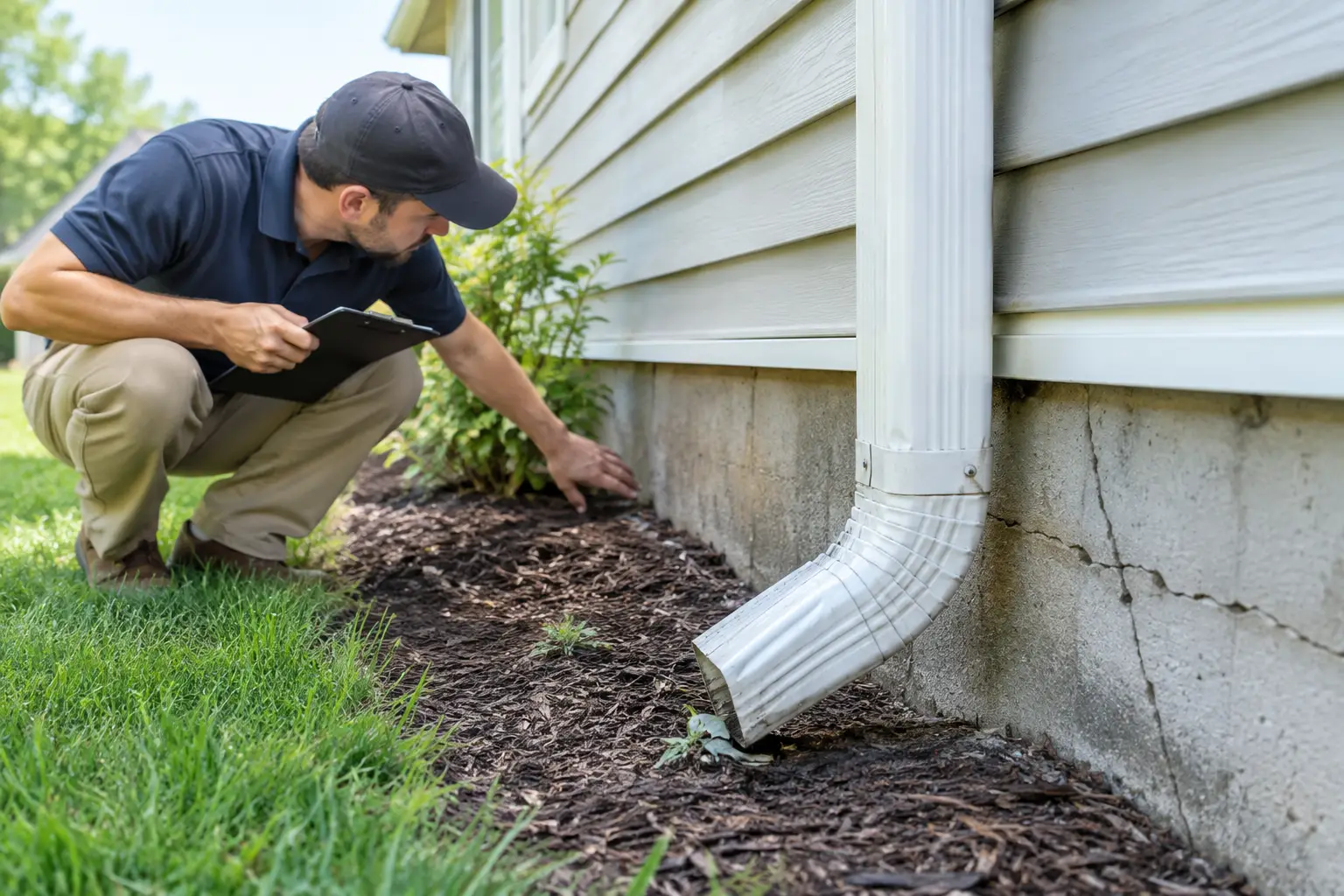
Many expensive problems start outside. If water is not directed away from the home, it can contribute to foundation movement, moisture intrusion, and erosion.
During the inspection, look at grading, gutter discharge locations, standing water, and soil contact near siding or trim. In Texas, where storms can dump significant water in a short time, drainage is not a minor detail. It is part of how the home protects itself.
A property can have only modest visible defects yet still have poor water management. That is why drainage findings should never be ignored as purely cosmetic.
Wood-destroying insects and concealed damage
Termites and other wood-destroying insects can cause hidden damage that buyers may never notice during a walk-through. If the home has risk factors such as past infestation, wood-to-soil contact, or visible damage, an added wood-destroying insect inspection may be a smart step.
This is especially true if the home looks clean on the surface but has older wood components or signs of previous repair. You are not trying to create reasons not to buy the house. You are trying to make sure the condition matches the price and your comfort level.
How buyers should use the inspection report
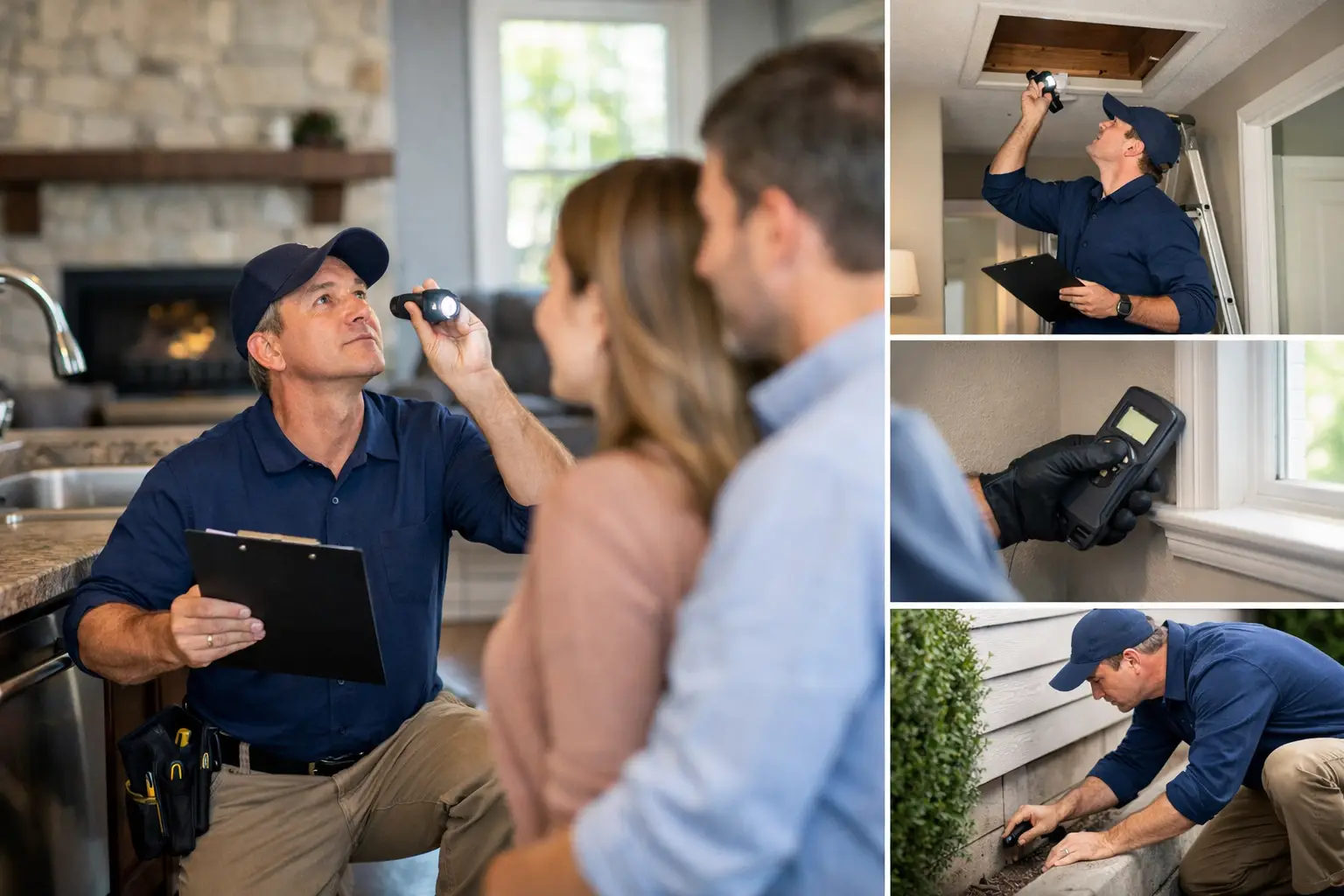
A home inspection report is not a pass-fail document. It is a decision-making tool. The best reports organize findings clearly, include photos, and help you distinguish between maintenance items, recommended upgrades, and material concerns.
As a buyer, focus first on safety hazards, active leaks, structural movement, roof issues, and major system defects. Then consider what is urgent, what can be negotiated, and what simply belongs in your future maintenance budget.
This is where support matters. If something in the report is unclear, ask questions. A thorough inspection is most valuable when you understand what the findings mean for your purchase, not just when you receive a long document.
For buyers in Greater Houston, Cypress, Katy, and nearby communities, that practical clarity can make all the difference. A detailed inspection from a company like CK Inspections helps turn uncertainty into a plan, whether that means moving forward, negotiating repairs, or taking a second look before closing.
The right inspection does more than point out defects. It gives you a clearer picture of the home you may be about to own, and that kind of confidence is worth bringing to the closing table.