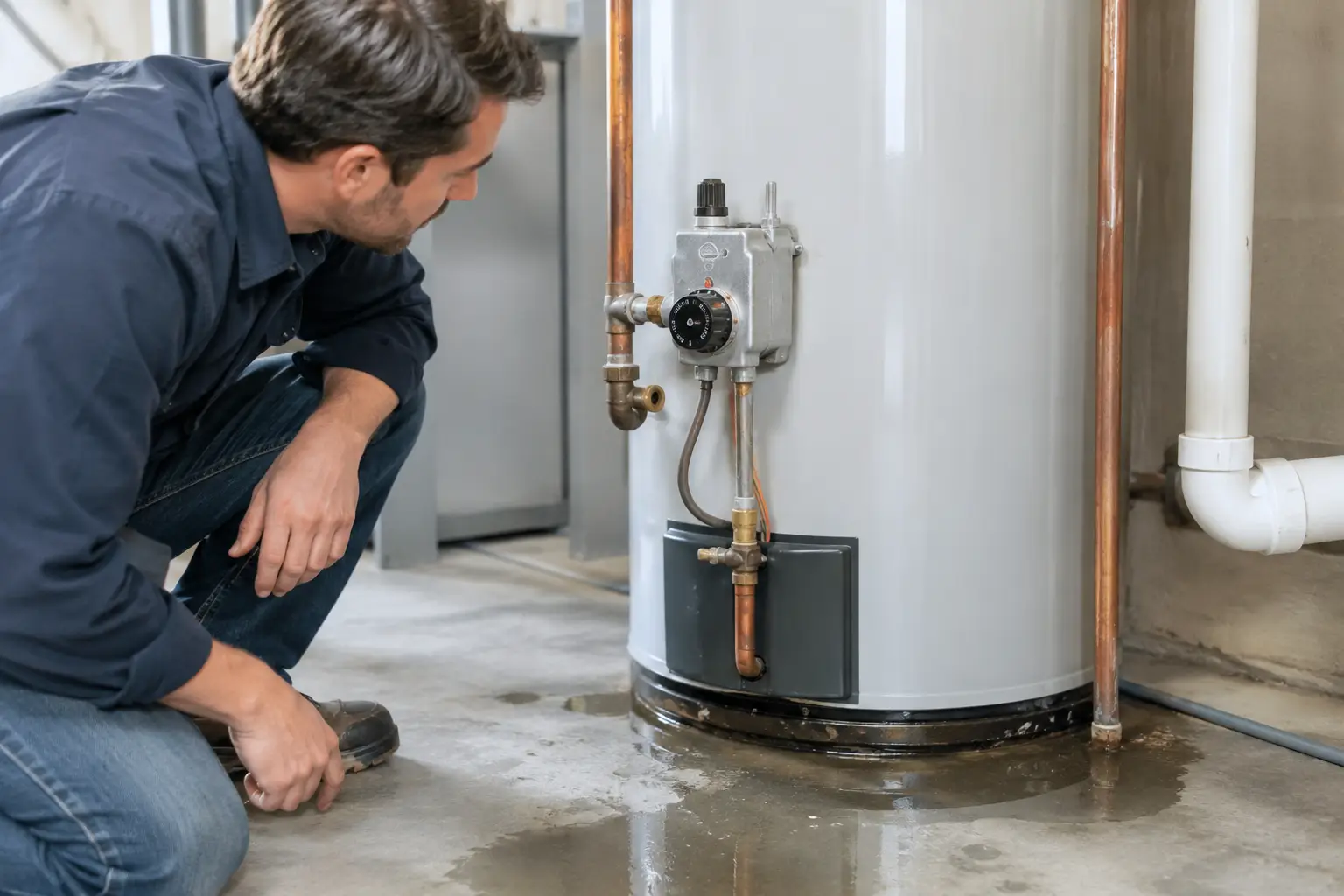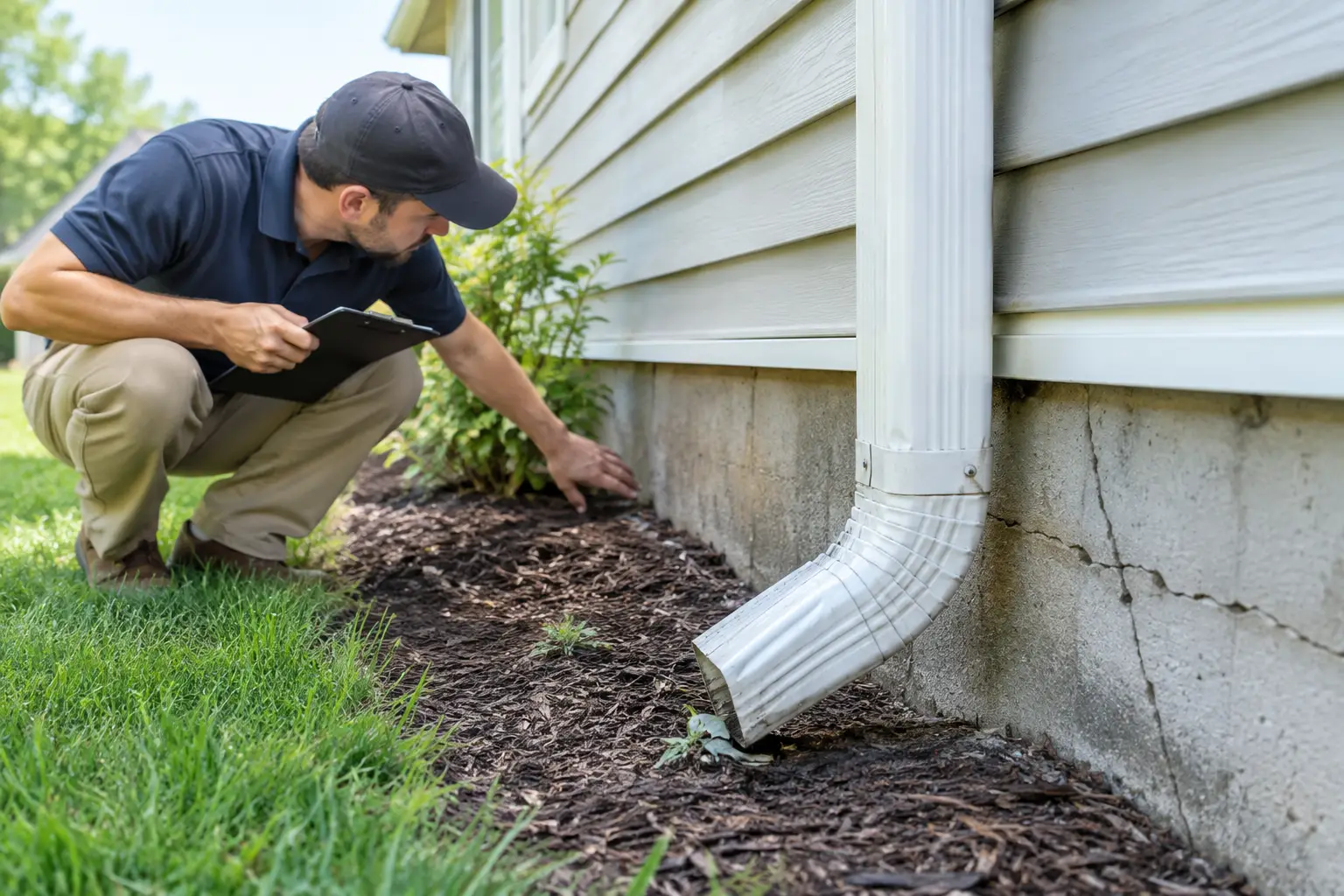

A shower that feels weak or a faucet that blasts like a pressure washer can tell you something useful about a home. Knowing how to test water pressure gives buyers a simple way to spot a potential plumbing concern before it becomes an expensive surprise after closing.
Water pressure is not the same as water flow. Pressure is the force pushing water through the pipes, measured in pounds per square inch (psi). Flow is the amount of water delivered over time. A home can have acceptable pressure but poor flow at one fixture because of a clogged aerator, a failing valve, or aging piping. That distinction matters when you are evaluating a property.
Why Water Pressure Matters Before Buying a Home
Pressure affects everyday use, from showers and washing machines to irrigation systems and tankless water heaters. More importantly, pressure that is too high can stress pipes, fittings, appliance hoses, valves, and water heaters. It may not create an immediate leak, but it can shorten the life of plumbing components and expose weak connections.
Low pressure has its own causes. It may be limited to one fixture, or it may reflect a larger issue such as a partially closed main shutoff valve, a failing pressure-reducing valve, undersized or deteriorated supply piping, a water meter restriction, or a problem with the municipal supply. In homes on private wells, the pressure tank and pump system add another set of possible causes.
For a buyer, the goal is not to diagnose every condition from a single number. The goal is to recognize whether the reading and the home’s performance justify a closer look, a repair request, or additional evaluation before the transaction moves forward.
What You Need to Test Water Pressure
The most reliable basic tool is a water pressure gauge with a threaded connection for a hose bibb or laundry faucet. These inexpensive gauges are designed to attach to an exterior spigot, usually near the front or side of the home. Choose one that reads at least 0 to 160 psi and has clear markings.
Testing at an exterior hose bibb is helpful because it usually measures pressure close to the main water supply, before water passes through many interior fixture restrictions. If the house has no suitable exterior faucet, a laundry connection may work, provided it is accessible and in good condition.
Before attaching a gauge, make sure the faucet is turned off. Remove any hose, splitter, or spray attachment. Inspect the threads and the faucet itself. If the bibb is badly corroded, leaking, or loose, do not force the gauge onto it. A damaged faucet can create a small problem that quickly becomes a larger one.
How to Test Water Pressure at a House
Thread the gauge onto the hose bibb by hand until it is snug. Do not over-tighten it with pliers. Open the faucet fully and wait several seconds for the needle to settle. Record the reading, then close the faucet and remove the gauge.
For a more useful test, take a second reading while someone inside runs a nearby cold-water faucet, flushes a toilet, or turns on a shower. This does not replace professional diagnostics, but it can show whether pressure drops sharply under ordinary demand.
A single daytime reading is only a snapshot. Municipal pressure can vary based on neighborhood demand, time of day, elevation, and local utility operations. If you have access to the property at different times, repeat the test. Some gauges have a red indicator needle that records the highest pressure reached, which can be useful for identifying intermittent pressure spikes.
Do not test at a faucet supplied by a water softener, filtration system, or irrigation line if a standard exterior service faucet is available. Those components can affect the reading and make it harder to understand what is happening at the main water supply.
Check the Home’s Performance, Too
The gauge reading should be considered alongside what you see and hear. Run cold and hot water at more than one fixture. Watch for sputtering, pulsing, long delays before water arrives, cloudy water that does not clear, or dramatic changes when another fixture turns on.
Also look beneath sinks, around the water heater, at appliance supply hoses, and near visible valves for signs of active leakage or corrosion. High pressure does not always leave obvious evidence, and low pressure is not always a major defect. Context is what turns a number into a meaningful decision.
What Is a Normal Water Pressure Reading?
For most residential homes, water pressure around 40 to 60 psi is generally comfortable and workable. Readings near 50 psi are common. A lower reading may still provide adequate service, especially in a smaller home with modern plumbing, while a reading above that range is not automatically a problem.
Pressure consistently above 80 psi deserves attention. Many plumbing standards treat 80 psi as the point where pressure regulation is needed to protect the plumbing system. Excessive pressure can contribute to dripping relief valves, leaking toilet fill valves, failed washing machine hoses, and repeated fixture repairs.
Readings below roughly 40 psi may lead to noticeably weak showers and reduced performance when multiple fixtures operate. Before assuming the issue is the water supply, however, consider whether the pressure loss is throughout the house or only at one location. A dirty showerhead and a compromised main supply line are very different problems.
Static Pressure Versus Pressure Under Demand
The reading taken with no water running is called static pressure. It shows the pressure available when the system is at rest. The second reading, taken while fixtures are operating, gives a basic sense of how the system behaves under demand.
Some reduction under demand is normal. A major drop can point to a restriction, limited supply capacity, an issue with a pressure-reducing valve, or piping that is not delivering water effectively. The exact cause cannot be confirmed by a gauge alone, but the result is worth documenting for further review.
When a Pressure-Reducing Valve May Be Involved
Many homes have a pressure-reducing valve, often called a PRV, installed near the main water shutoff or water meter. Its job is to lower incoming municipal pressure to a safer level for the home’s plumbing. If a gauge shows consistently high pressure, the home may not have a PRV, or the existing valve may be improperly adjusted or failing.
A failing PRV can also contribute to low or fluctuating pressure. Symptoms may include pressure that surges, a noticeable decline when water is used, or a reading that changes significantly from one test to another. These valves are serviceable components, but a buyer should not assume a simple adjustment will solve the issue. Age, installation quality, condition of the piping, and the incoming utility pressure all matter.
Avoid adjusting a PRV during a showing or inspection period unless you are qualified and authorized to do so. Changing the setting can mask a concern, create a leak at an aging connection, or make it harder to establish the home’s condition before closing.
Common Test Results and What They Can Mean
A reading over 80 psi should be brought to the attention of the seller and evaluated by a qualified plumber. The next step may be as straightforward as confirming the presence and operation of a pressure-reducing valve, but it is better to know that before you inherit the risk.
A low reading throughout the home may call for further investigation into the main shutoff valve, PRV, water meter, supply piping, or utility service. In older homes, pipe condition can be part of the conversation. In newer homes, a valve issue or construction-related installation concern may be more likely, though no single rule fits every property.
If the exterior reading is normal but one bathroom has weak flow, focus on that fixture or branch line. Aerators, showerheads, stop valves, cartridge assemblies, and localized piping restrictions can all affect performance. A broad plumbing problem is less likely when other fixtures perform normally.
If pressure is high at first but falls noticeably when fixtures run, the home may have a supply or distribution issue worth evaluating. This is especially relevant for buyers who expect to use multiple showers, irrigation, laundry equipment, or large appliances at the same time.
Include Water Pressure in Your Inspection Strategy
A water-pressure check is a useful buyer tool, but it should not replace a thorough home inspection. An inspector evaluates visible and accessible plumbing components, operates representative fixtures, and identifies conditions that may affect safety, function, or the buyer’s repair planning. When testing indicates an abnormal condition, a licensed plumbing professional may be needed to determine the cause and scope of repairs.
For homes in Greater Houston, Cypress, Katy, and surrounding communities, water pressure can vary between neighborhoods and utility systems. That is one reason a property-specific evaluation matters more than a general assumption about what is normal in the area.
Before closing, keep your attention on patterns rather than one isolated symptom. A gauge reading, fixture performance, visible plumbing condition, and professional inspection findings together provide a clearer picture of what you may be buying. A few minutes spent checking water pressure can help you ask the right questions while you still have options.