A house can look move-in ready during a showing and still have problems hiding behind the walls, under the roof, or beneath the foundation line. That is why a pre purchase home inspection matters. Before you commit to one of the biggest financial decisions you will ever make, you need a clear picture of the home’s actual condition – not just its curb appeal.
For buyers across Houston, Cypress, Katy, and nearby Texas communities, this step is less about adding another task to the transaction and more about protecting yourself from expensive surprises. A solid inspection gives you facts, context, and leverage. It helps you decide whether to move forward, negotiate repairs, ask for credits, or walk away before the cost becomes yours.
What a pre purchase home inspection is really for
A pre purchase home inspection is a visual, non-invasive evaluation of the home’s major systems and accessible components. The goal is simple: identify material defects, deferred maintenance, and safety concerns that could affect your decision.
That includes the areas buyers worry about most, such as roofing, plumbing, electrical, HVAC, structural components, windows, doors, insulation, and visible interior conditions. A strong inspection does more than point out flaws. It helps separate routine maintenance from major concerns so you can understand what actually deserves your attention.
This distinction matters. No home is perfect, not even a newer one. The purpose is not to produce a flawless report. The purpose is to uncover the issues that could lead to significant repair costs, performance problems, or negotiation points before closing.
Why buyers should never skip a pre purchase home inspection
In a competitive market, some buyers feel pressure to shorten timelines or waive contingencies to make an offer more attractive. That can be tempting, especially if the property looks clean and updated. It can also be a costly mistake.
Fresh paint does not tell you whether there is moisture intrusion in the attic. New flooring does not tell you whether the subfloor is damaged. A recently renovated kitchen does not guarantee the electrical work was done properly. Cosmetic improvements often photograph well, but they do not replace an objective review of the home’s condition.
A pre purchase home inspection protects you in three practical ways. First, it reduces uncertainty. Second, it helps you plan for repairs and maintenance. Third, it gives you documentation you can use during negotiations. If the inspection reveals a failing water heater, unsafe wiring, roof damage, or signs of foundation movement, you have a clearer basis for next steps.
Even when a report does not uncover major defects, that result still has value. You move forward with more confidence because your decision is based on evidence instead of assumptions.
What inspectors typically evaluate
Most buyers want to know, “What exactly gets checked?” The answer depends somewhat on the property and what is accessible on the day of the inspection, but a comprehensive inspection generally covers the home from top to bottom.
Structural and foundation concerns
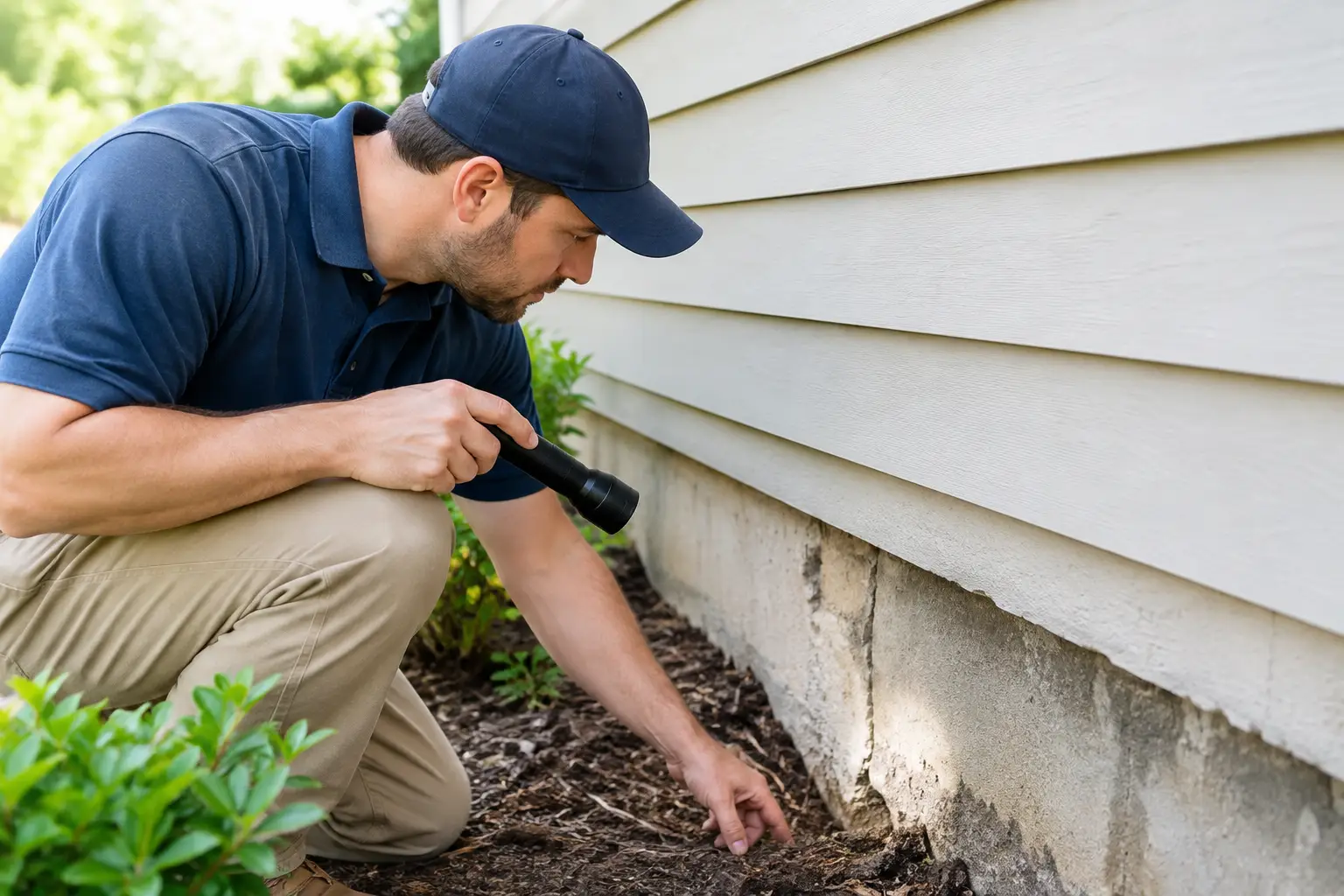
In Texas, foundation and structural performance are major concerns for buyers, and for good reason. Soil movement, drainage issues, and age can all affect how a home settles over time. Inspectors look for visible signs such as cracks, sloping floors, sticking doors, separation at trim, or other indicators that may suggest movement or structural stress.
Not every crack means a serious problem. Some are cosmetic. Others deserve closer attention. The value of the inspection is that it helps you understand which signs appear minor and which ones may need further evaluation.
Roofing, attic, and drainage
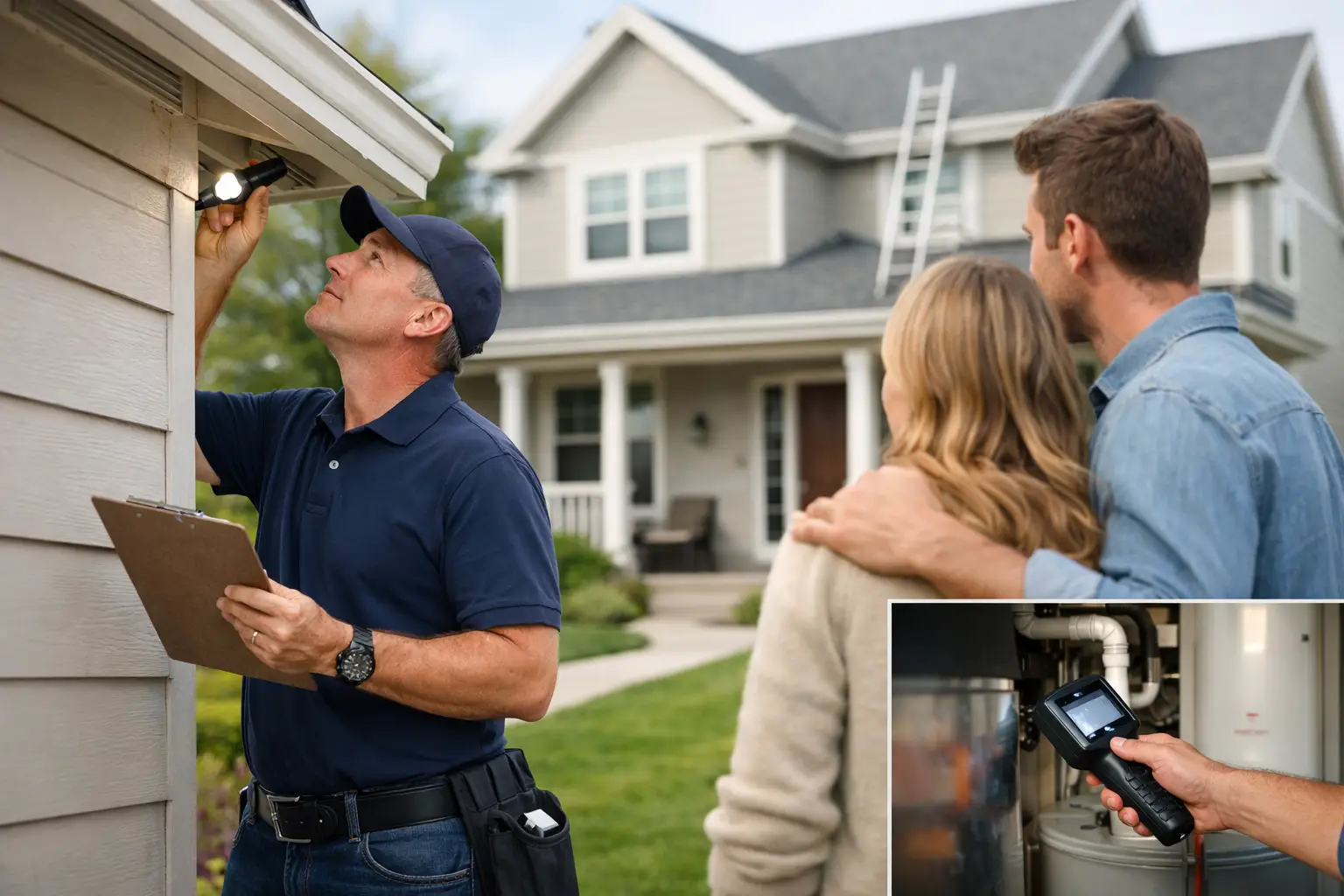
Roof issues can be expensive, and they are not always obvious from the ground. Inspectors assess the visible condition of roofing materials, flashing, penetrations, gutters, attic ventilation, and signs of active or past leaks.
Drainage also matters more than many buyers realize. Poor grading and water management can contribute to foundation problems, moisture intrusion, and long-term deterioration. A home does not need active flooding to have drainage concerns that deserve correction.
Electrical, plumbing, and HVAC
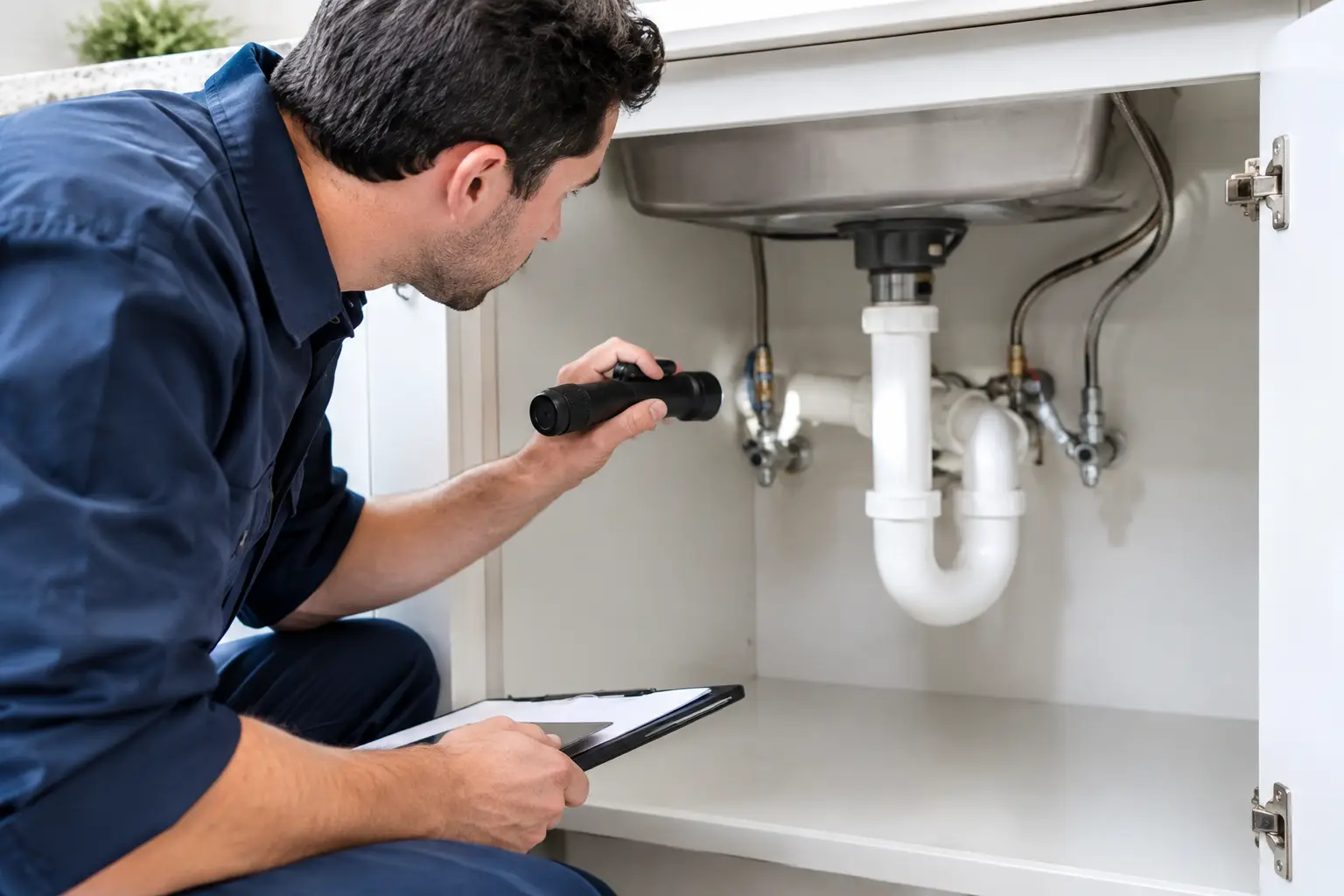
These are the systems that directly affect safety, comfort, and day-to-day cost. Electrical inspections typically focus on panels, visible wiring, outlets, fixtures, and safety-related concerns. Plumbing evaluations look at visible supply lines, drain lines, fixtures, water heaters, and signs of leaks or functional issues. HVAC inspections review the heating and cooling equipment, distribution components, and basic performance at the time of inspection.
These systems can be expensive to repair or replace, which is why buyers need a realistic understanding of their condition before closing. An older system is not necessarily a deal breaker. But old age combined with poor performance, improper installation, or visible damage can change the conversation quickly.
What a pre purchase home inspection does not do
A good inspection is thorough, but it does have limits. It is not a warranty, and it is not a prediction of every future problem the home may experience. Inspectors evaluate what is visible and accessible on the day of the appointment.
That means concealed issues behind finished walls, underground conditions, or intermittent problems may not be fully visible during a standard inspection. This is one reason add-on services can be valuable in the right situation. If a property has older cast iron sewer lines, signs of moisture, or conditions that suggest hidden concerns, additional testing can provide a more complete picture.
For some homes, wood-destroying insect inspections, sewer line camera inspections, and thermal imaging are smart additions. They are not always necessary for every property, but when the home’s age, condition, or history points in that direction, they can uncover problems a standard visual inspection cannot fully confirm.
How to use the inspection report wisely
The report is where many buyers either gain clarity or feel overwhelmed. A detailed report may include a large number of findings, photos, and recommendations. That does not automatically mean the house is in bad shape. It means the inspector documented what they observed.
The key is to focus on significance. Safety hazards, major system defects, active leaks, structural concerns, and items with high repair costs usually deserve immediate attention. Minor maintenance items are still useful to know, but they should not distract from the bigger issues.
This is where organized reporting and visual documentation make a real difference. Clear photos, plain-language explanations, and categorized findings help buyers and agents move from information to action. Instead of trying to decode technical notes, you can identify what is urgent, what is negotiable, and what can be handled later.
If the report raises questions, ask them. Post-inspection support matters because buyers should not be left sorting through important findings on their own.
Negotiations after the inspection
A pre purchase home inspection is not just about discovering problems. It is also about making informed decisions within the transaction. Depending on the findings, buyers may request repairs, ask for a credit, renegotiate the price, or accept the home as-is with a clear understanding of what they are taking on.
There is no single correct response. It depends on the market, the severity of the issues, the seller’s flexibility, and your own budget. A loose doorknob and worn weatherstripping are very different from a compromised roof or unsafe electrical condition. The report helps bring that difference into focus.
For agents, this is where a well-structured inspection report and repair request tools can help keep things efficient. For buyers, it reduces guesswork and supports more confident conversations with the seller.
Choosing the right inspector matters
Not all inspection experiences are equal. Buyers need more than someone who can walk through a property and generate a checklist. They need an inspector who is thorough, clear, responsive, and focused on protecting the buyer’s investment.
That means looking for detailed reports, strong visual documentation, and a communication style that makes the findings understandable. It also means choosing a company that treats the inspection as part of the decision-making process, not just a box to check. In markets like Greater Houston, where climate, soil conditions, aging infrastructure, and fast-moving transactions can all influence risk, practical insight matters.
CK Inspections is built around that protective approach, helping buyers avoid costly surprises and move forward with better information before closing.
The best time to get answers is before the house is yours
Once closing is done, the responsibility shifts to you. That roof leak, sewer issue, faulty breaker, or hidden moisture problem is no longer part of a negotiation. It becomes a repair bill, a scheduling problem, and a source of stress in a home you just bought.
A pre purchase home inspection gives you a chance to slow the process down just enough to make a smart decision. It replaces uncertainty with facts and helps you buy with open eyes. If a home is the right fit, you can move forward with more confidence. If it is not, finding that out before closing is money well spent.