A home can look clean, staged, and move-in ready while still hiding expensive problems behind walls, under floors, or above ceilings. That is why first time home buyer inspection tips matter so much. If you are buying your first house in Houston, Cypress, Katy, or a nearby Texas community, the inspection is one of the few moments in the process where you get a clearer picture of what you are actually buying.
For many buyers, the biggest mistake is treating the inspection like a formality. It is not. A professional inspection helps you identify defects, understand repair needs, and decide whether to move forward, renegotiate, or plan for future maintenance with open eyes.
Why first time home buyer inspection tips matter
First-time buyers are often focused on mortgage approval, down payment numbers, and the monthly payment. Those are real concerns, but a home that stretches your budget gets even riskier when it comes with hidden roof leaks, aging HVAC equipment, unsafe electrical work, or plumbing issues below the surface.
A good inspection does not exist to scare you away from a house. It exists to protect you from buying blind. Nearly every home will have findings. The key is understanding which issues are minor, which are safety concerns, and which could lead to significant repair costs after closing.
That distinction matters even more in Texas, where heat, humidity, shifting soils, drainage problems, and storm exposure can affect a home’s condition in very specific ways. A cosmetic update may catch your eye, but the structure, roof, electrical, plumbing, and cooling systems are what protect your investment.
10 first time home buyer inspection tips that can save you money
1. Schedule the inspection as early as possible
Once you are under contract, time matters. Waiting too long can shrink your option period or inspection contingency window and leave you with less room to review findings, get estimates, and negotiate repairs or credits.
Book your inspection early so you have time to think clearly instead of making rushed decisions. If specialized concerns come up, such as sewer line problems, moisture intrusion, or signs of wood-destroying insects, you may need follow-up evaluations before your deadline expires.
2. Attend the inspection if you can
The written report is important, but being there in person gives you context that a document alone cannot fully provide. You can see where the main shutoff is located, hear how the inspector explains a concern, and ask questions in real time.
This does not mean you need to follow the inspector step by step for hours. Often, the most useful approach is to arrive for the summary portion or be available when the inspector is ready to walk through the major findings. That conversation can make the report much easier to understand later.
3. Focus on the big-ticket systems first
It is easy to get distracted by loose doorknobs, missing screens, or chipped caulk. Those items belong in the report, but they usually should not drive your decision. Pay closest attention to issues involving the roof, foundation performance, electrical system, plumbing, HVAC, attic conditions, and signs of active moisture.
These are the categories most likely to create costly surprises. A house with a few minor maintenance items may still be a solid purchase. A house with multiple major system concerns deserves a much closer look.
4. Read the report with priorities in mind
Many first-time buyers open an inspection report and feel overwhelmed because it contains a lot of detail. That is normal. A thorough report is supposed to be detailed. The goal is not to panic at every comment but to sort findings by severity.
Start with safety concerns, active leaks, structural movement indicators, electrical hazards, and major equipment deficiencies. Then look at deferred maintenance and items that may need budgeting over the next few years. A professional, organized report with photos helps you separate the urgent from the manageable.
5. Ask what is defective now versus what is simply older
Age matters, but condition matters more. An older water heater may still be functioning at the time of inspection. A newer component may already show signs of improper installation or poor performance.
Ask your inspector to help you understand the difference between an item that is near the end of its typical service life and one that is actively failing. That distinction affects negotiation strategy. You may not ask a seller to replace every older component, but you do want to know what could need attention soon after move-in.
6. Do not skip add-on services when the property calls for them
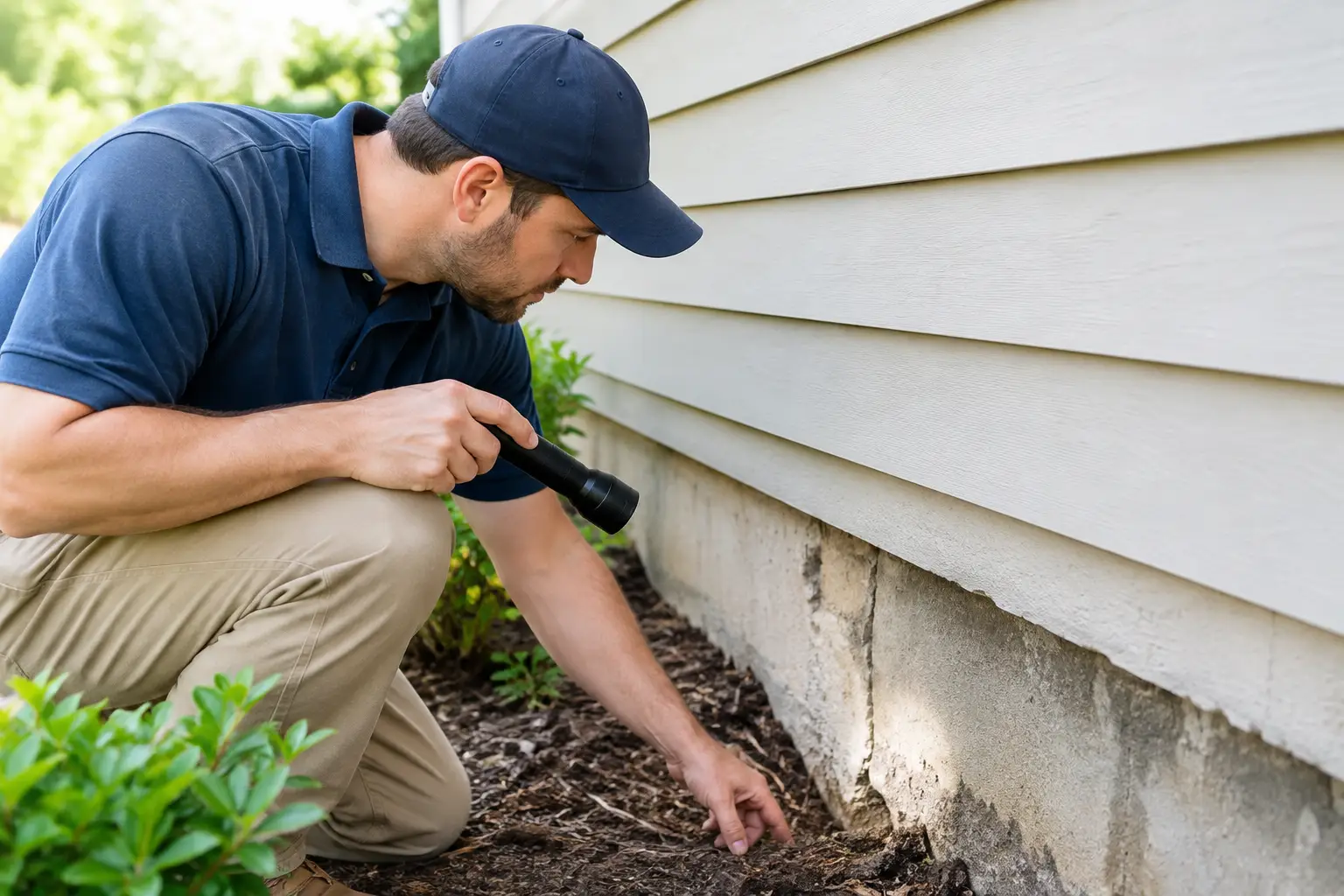
Not every home needs every additional inspection service, but some upgrades are worth serious consideration. In many Texas transactions, a wood-destroying insect inspection can be valuable, especially if there is visible damage, moisture risk, or a history that raises concern.
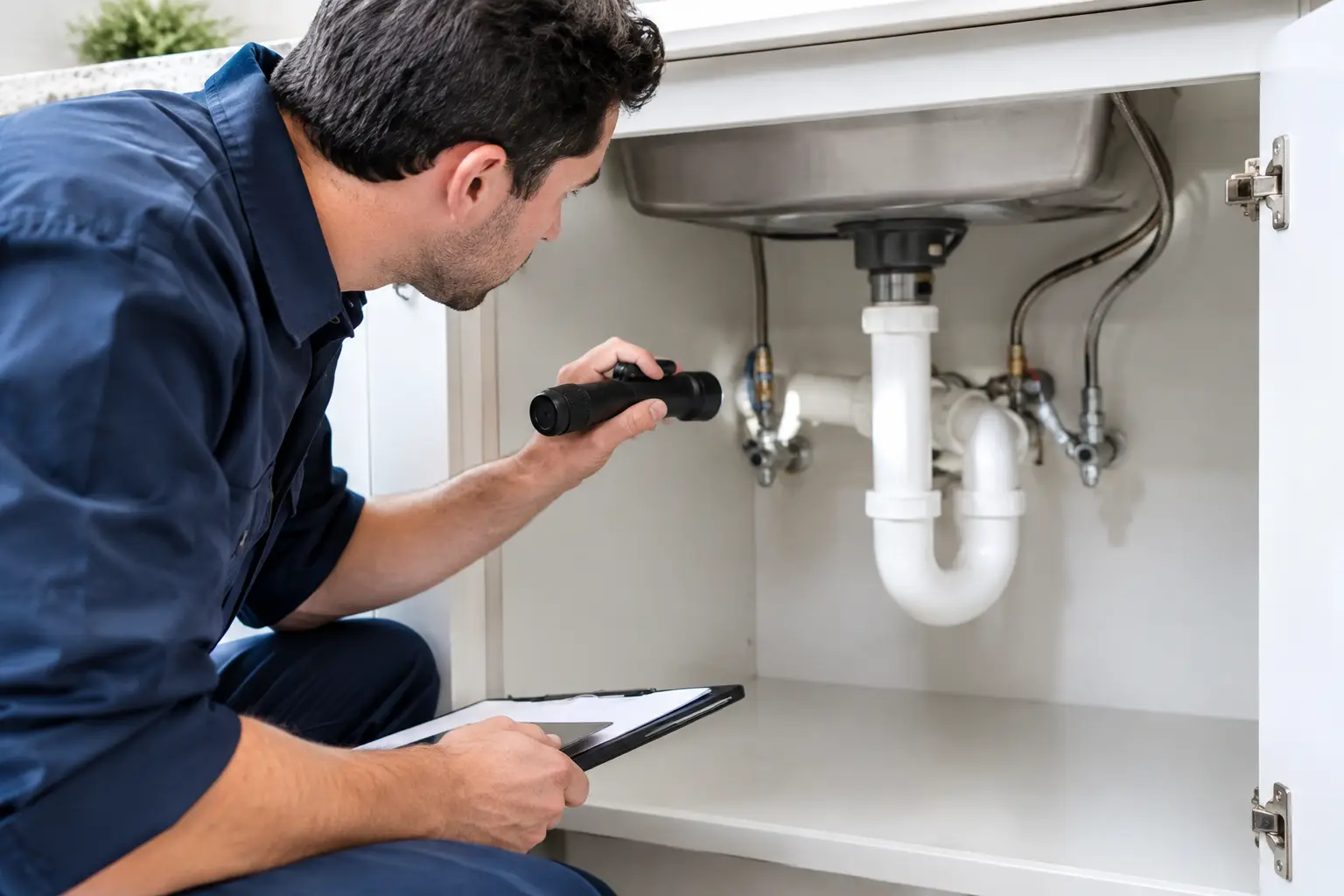
A sewer line camera inspection can also uncover problems that a standard home inspection cannot fully see, such as cracks, root intrusion, or blockages in buried drain lines. Thermal imaging may help identify hidden moisture patterns or missing insulation in some situations. The right add-on depends on the age of the home, visible clues, and your risk tolerance.
7. Use the inspection to plan, not just negotiate
A lot of buyers think the only purpose of the inspection is to build a repair request. That is only part of the value. Yes, significant defects may support negotiations. But even if the seller does not agree to every request, the inspection still gives you a roadmap for ownership.
You learn what needs immediate attention, what to monitor, and what to budget for later. That can be just as valuable as a credit at closing because it helps you avoid getting blindsided in your first year of ownership.
8. Be careful with flipped or recently renovated homes
Fresh paint and new finishes can make a property feel low-risk. Sometimes that is true. Sometimes cosmetic work covers older conditions that were not fully corrected.
Pay close attention to workmanship around electrical outlets, plumbing fixtures, attic access points, grading, windows, and bathrooms. Quick renovations can look sharp in listing photos while masking drainage issues, ventilation problems, or amateur repairs. A polished appearance should never replace a careful inspection.
9. Understand what a home inspection can and cannot do
An inspection is a strong layer of protection, but it is not a warranty and it is not invasive testing. Inspectors evaluate visible and accessible systems and components at the time of the inspection. They cannot see through every wall or predict every future failure.
That is why clear communication matters. Ask what was inspected, what was limited by access, and whether any findings suggest a need for further evaluation by a specialist. The most useful inspections are honest about both discoveries and limitations.
How to get more value from your home inspection
The best inspection outcomes usually come from buyers who stay engaged. Review the report carefully, ask follow-up questions, and talk through your top concerns before your deadlines pass. If your report includes visual documentation and repair request tools, use them to organize next steps instead of trying to piece together a response on your own.
If you are buying in the Greater Houston area, local experience matters too. Homes in this region can face specific issues tied to climate, drainage, movement, and aging building materials. Working with an inspection company that understands those local patterns can make the findings more practical and more useful.
That is part of why many buyers look for a team that provides not just the inspection itself, but support after the appointment. A detailed report is important. So is having someone who can explain what the findings mean for your purchase decision.
What first-time buyers should do after the inspection
After the inspection, pause before reacting emotionally to the report. Even good houses have defects. What matters is whether the issues are acceptable for the price, condition, and your budget.
Review the major findings with your agent, then decide what needs to happen next. You may request repairs, ask for a credit, seek additional specialist evaluations, or move forward with a better understanding of the home’s condition. In some cases, the inspection reveals enough risk that walking away is the smartest financial decision.
If you want a clearer, more confident buying process, that is exactly where a professional inspection earns its value. Companies like CK Inspections help buyers understand what is hidden, what is urgent, and what comes next so they can make a decision based on facts instead of guesswork.
Buying your first home is a big step, but it should not feel like a gamble. The right inspection helps turn uncertainty into information, and information is what protects your money, your timeline, and your peace of mind.