A house can look clean, updated, and move-in ready while hiding a major problem underground. That is exactly why buyers ask, when do you need sewer line inspection? In many cases, the answer is before you close on the home, especially when the sewer line has never been evaluated and the potential repair cost could land squarely on you.
For homebuyers in Houston, Cypress, Katy, and nearby Texas communities, this matters more than many people realize. A sewer line is out of sight, but not out of risk. If it is cracked, blocked, offset, or invaded by roots, the repair can be expensive and disruptive. A standard home inspection can identify many plumbing concerns, but it does not provide a full visual of the buried sewer lateral. That is where a sewer line camera inspection becomes a smart layer of protection.
When do you need sewer line inspection before buying?
The safest answer is simple: you should strongly consider a sewer line inspection before purchasing any home where the underground drain line condition is unknown. Buyers often spend time focusing on the roof, HVAC, foundation, and electrical panel, which makes sense. But one hidden sewer defect can create a repair bill that competes with any of those systems.
This is especially true in older homes, homes with mature trees, homes that have had prior plumbing backups, or homes that have been vacant for a while. Even newer homes are not automatically free from risk. Poor installation, settlement, construction debris, or damaged piping can affect homes of almost any age.
A sewer camera inspection gives you actual visibility into a line you otherwise cannot assess during a walk-through. That can help you avoid buying blind, negotiate repairs, or simply move forward with more confidence.
Red flags that tell you when do you need sewer line inspection
Sometimes the need is obvious. Sometimes it is more of a judgment call. These are the situations where a sewer line inspection becomes especially worthwhile.
The home is older
Older homes often have aging drain materials that are more prone to cracking, corrosion, separation, or root intrusion. In parts of Texas, older properties may have cast iron or clay components that have simply reached the age where defects become more likely. A home can perform well at the sinks and toilets during a showing and still have significant issues farther down the line.
That does not mean every older home has a failing sewer line. It means the odds of hidden wear are higher, and the cost of missing it can be significant.
There are large trees near the house
Tree roots are one of the most common causes of sewer line damage and blockage. Roots naturally seek moisture and can enter tiny cracks or joints in drain piping. Once inside, they continue to grow and catch waste and paper over time.
If the property has mature landscaping, especially near the path to the city connection or septic system, a sewer camera inspection can tell you whether roots are already affecting the line.
You notice slow drains or backup history
If a seller mentions prior drain cleaning, recurring clogs, or occasional backups, take that seriously. Even if the drains seem to be working on inspection day, the underlying issue may still be there. Repeated snaking can temporarily improve flow without fixing a damaged pipe, sagging section, or root problem.
A camera inspection helps separate a minor maintenance issue from a more expensive repair scenario.
The home has been vacant
Vacant homes can hide plumbing problems. Less water use means fewer obvious symptoms, and a line that has partial blockage or deterioration may not reveal itself until the home is occupied again. If a property has sat empty for months, it is reasonable to ask for more certainty before closing.
The seller recently did cosmetic updates
Fresh paint, new flooring, and remodeled bathrooms can make a strong first impression, but cosmetic improvements do not tell you anything about the buried sewer pipe. In some cases, buyers become less cautious when a house looks renovated. That is exactly when it helps to remember that some of the most expensive issues are the ones you cannot see.
What a sewer line camera inspection can reveal
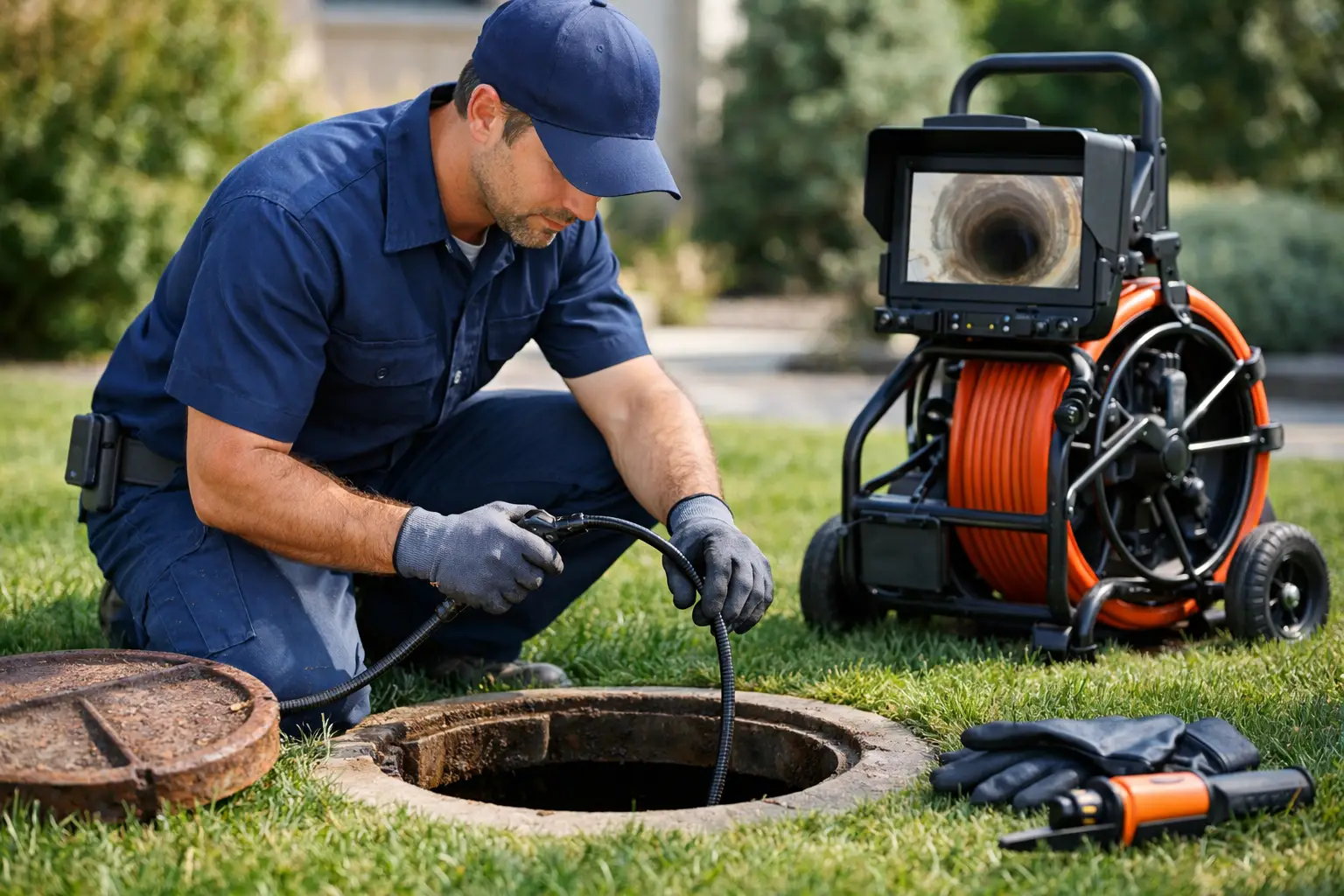
A sewer line inspection uses a specialized camera to evaluate the condition of the main waste line. Instead of guessing, you get direct visual evidence of what is happening inside the pipe.
That inspection may reveal root intrusion, cracks, separated joints, bellied sections where waste and water collect, heavy buildup, corrosion, offsets, and foreign debris. It can also confirm that the line is flowing properly and appears serviceable at the time of the inspection.
That last point matters. No inspection can promise a sewer line will never have a problem later. What it can do is reduce uncertainty and uncover visible defects that could affect your buying decision right now.
When a standard home inspection is not enough
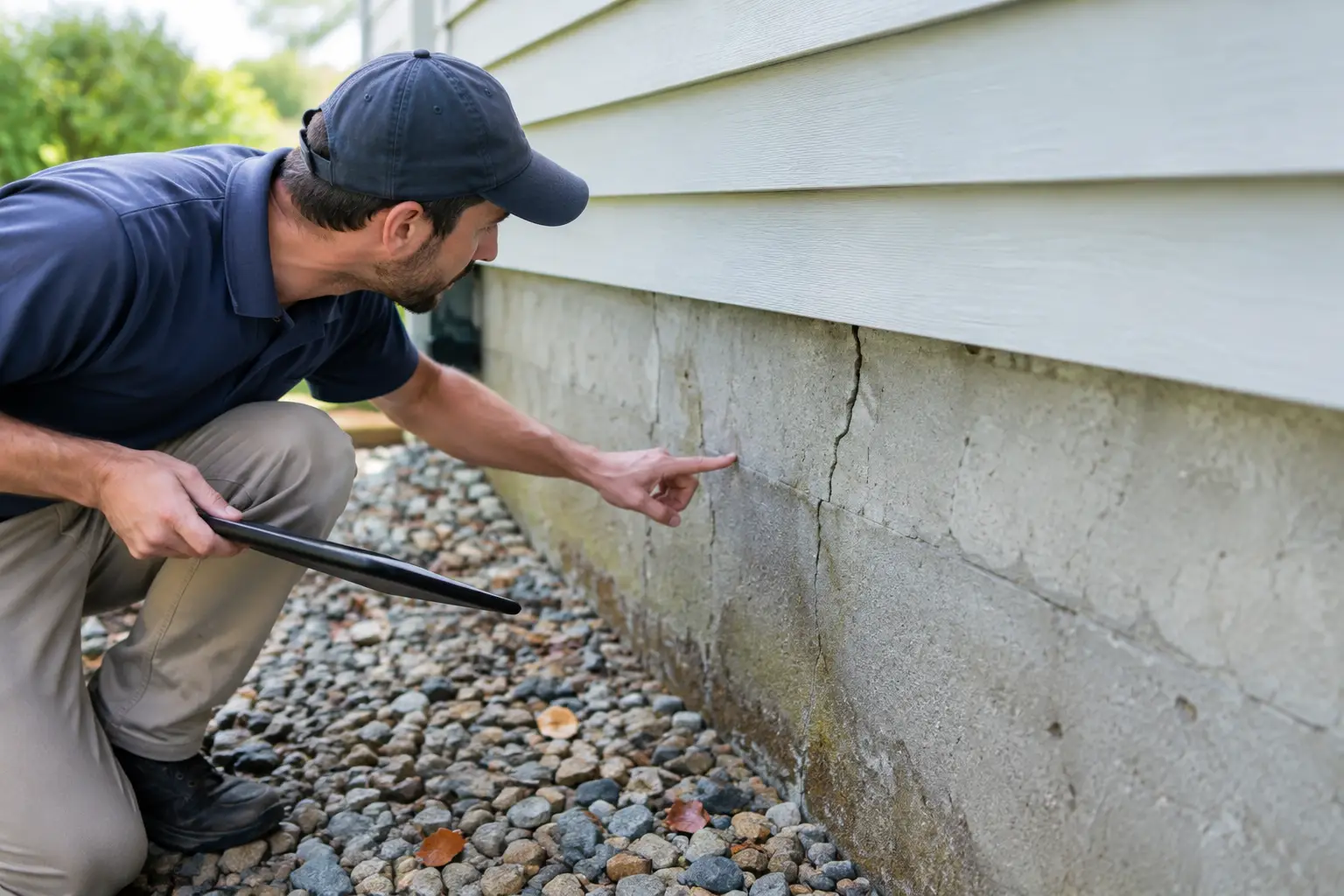
A general home inspection is still one of the most important steps in the buying process. It gives you a broad understanding of the home’s systems and condition. But because the sewer line is underground and not directly visible, a standard inspection has limits.
Fixtures can be operated, drainage can be observed, and signs of plumbing issues may be noted. Still, normal function at sinks, tubs, and toilets does not guarantee the buried line is defect-free. A sewer line can have cracks, root intrusion, or a partial collapse and still appear to drain during a short inspection window.
That is why many buyers add a sewer scope when they want a more complete look at risk. It is not about replacing the home inspection. It is about filling in a blind spot.
Is a sewer line inspection always necessary?
Not always. There are situations where a buyer may decide the risk is lower, especially if the home is newer, the site conditions are favorable, and there are no performance concerns or historical red flags. Some buyers also make decisions based on budget and inspection priorities.
Still, the trade-off is straightforward. Skipping the sewer inspection may save money up front, but it can leave you exposed to a problem that is expensive to repair after closing. For many buyers, that risk is not worth taking, especially on a major purchase.
If you are trying to decide, think less about whether a sewer problem is common and more about what the financial impact would be if the home you buy happens to have one.
Why this matters in a real estate transaction
The timing of a sewer inspection can make a real difference. Before closing, you may have an opportunity to negotiate repairs, request credits, plan for future work, or walk away if the findings are severe enough. After closing, the problem usually becomes yours alone.
This is where practical due diligence protects your investment. Buyers often accept that they should inspect visible systems, but underground plumbing can carry the same level of financial consequence. Knowing the condition of the sewer line helps you make decisions with facts instead of assumptions.
For first-time buyers, this can feel like one more item on an already long list. But the value is clarity. The more you know before closing, the fewer costly surprises you are likely to face after move-in.
What to do if you are on the fence
If you are unsure whether to add this service, start with the property itself. Consider the age of the home, any signs of drainage trouble, nearby trees, seller disclosures, prior repairs, and whether the line has ever been evaluated. If there is meaningful uncertainty, a sewer line inspection usually makes sense.
For buyers who want a thorough picture before closing, this is one of the most practical add-on inspections available. CK Inspections includes sewer camera inspection as an option because hidden underground issues can change the real cost of homeownership fast.
A good home purchase is not just about what looks nice on showing day. It is about understanding what you are taking on. If there is any real question about the buried drain line, getting answers before closing is one of the smartest ways to protect your budget and your peace of mind.
The best time to find a sewer problem is before the house becomes yours.