A wall can look perfectly fine and still be hiding a slow plumbing leak. An HVAC system can be running, but one room may be losing conditioned air behind the ceiling. That is where a thermal imaging home inspection adds real value. It helps reveal temperature patterns that may point to hidden issues a standard visual inspection alone cannot fully confirm.
For homebuyers, especially in Houston-area markets where heat, humidity, aging systems, and heavy storm exposure all matter, that extra layer of insight can make a major difference. You are not just buying countertops and curb appeal. You are buying the condition of the house behind the finishes.
What a thermal imaging home inspection actually does
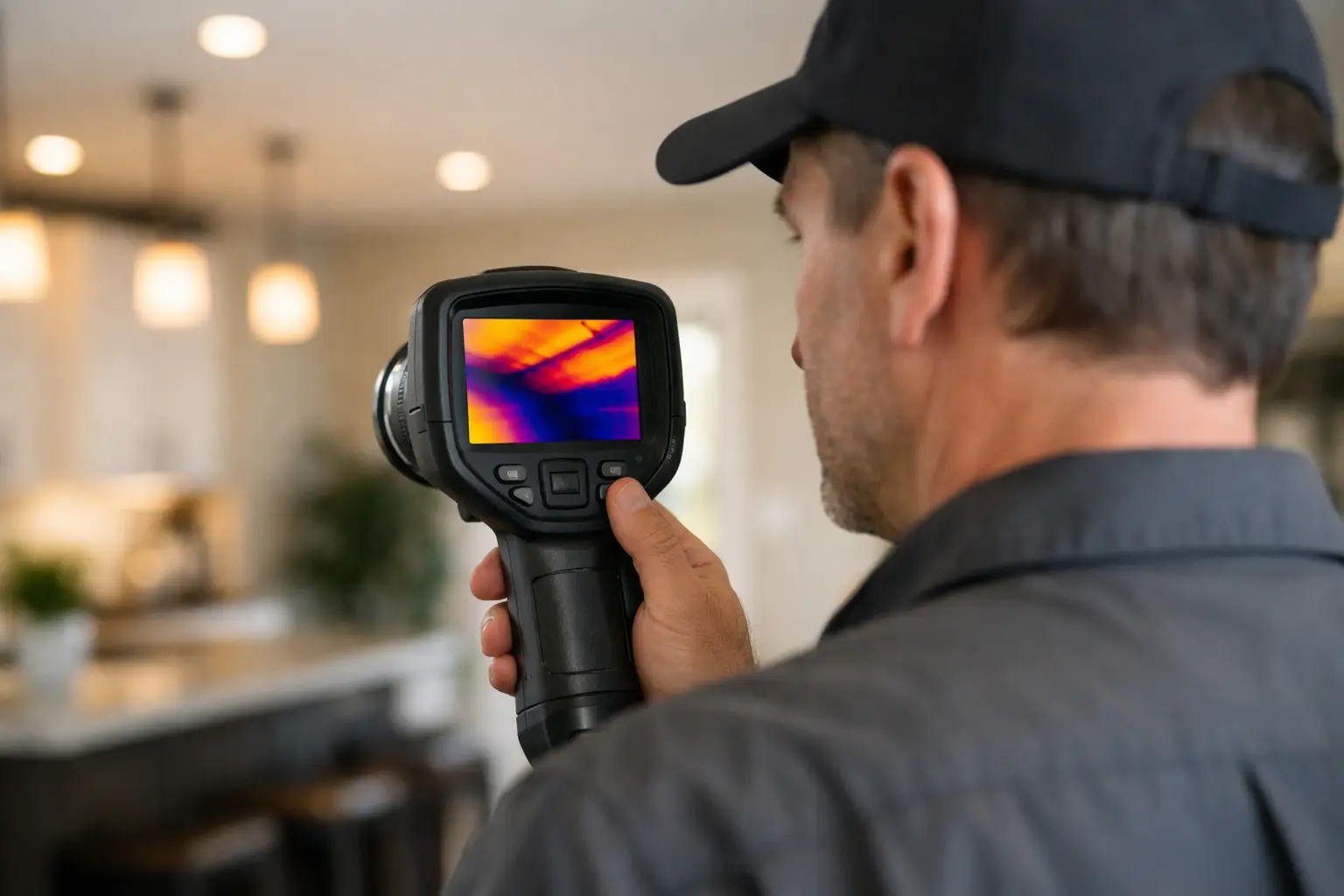
Thermal imaging uses an infrared camera to detect surface temperature differences. The camera does not see through walls like X-ray vision, and it does not diagnose every problem on its own. What it does very well is show patterns of hot and cold areas that may signal moisture intrusion, missing insulation, air leaks, overheated electrical components, or HVAC performance concerns.
That distinction matters. Infrared imaging is a tool for identifying anomalies. A trained inspector then interprets those findings in context with the rest of the inspection. When used correctly, it helps point attention to areas that deserve closer evaluation.
This is why thermal imaging is most useful as part of a full home inspection, not as a stand-alone shortcut. A temperature difference means something only when it is paired with experience, accessible evidence, and a practical understanding of how homes perform.
Why buyers ask for thermal imaging home inspection services
Most serious home defects start out hidden. Water can enter around a roof penetration and stain nothing visible for weeks or months. An air duct can leak in the attic while the system still cools enough to pass a casual walkthrough. An electrical component can overheat before failure becomes obvious.
A thermal imaging home inspection can help flag these kinds of concerns earlier. For buyers, that can mean the difference between negotiating repairs before closing and inheriting expensive surprises afterward.
In Texas, this matters even more because homes often deal with intense attic heat, long cooling seasons, wind-driven rain, and moisture-related stress. Those conditions do not guarantee defects, but they do create plenty of opportunities for hidden issues to develop. When you are making one of the biggest purchases of your life, more useful information is better than less.
What thermal imaging can help uncover
One of the most common uses is identifying possible moisture intrusion. Wet materials often show up as cooler than surrounding dry areas, depending on conditions. That can help an inspector notice suspicious areas around showers, tubs, toilets, windows, ceilings, and roof-related penetrations. The image itself does not prove there is active leaking, but it can show where follow-up is warranted.
Insulation deficiencies are another frequent finding. Inconsistent wall or ceiling temperatures may suggest missing insulation, compressed insulation, or thermal gaps. In an attic-heavy climate like Texas, poor insulation and air leakage can affect comfort, cooling efficiency, and utility costs.
HVAC performance issues can also stand out. Uneven temperature patterns around supply registers, duct runs, and ceilings may suggest air loss, restricted airflow, or cooling distribution problems. Again, the thermal image is not the final answer. It is evidence that helps explain why one bedroom never seems to cool properly or why one section of the home feels noticeably different.
Electrical concerns are another area where infrared can be valuable when conditions allow. Overheating breakers, wiring connections, or electrical components may produce thermal patterns that suggest abnormal heat. That can point to a need for further evaluation before the problem turns into a failure or safety issue.
What thermal imaging does not do
This is where good inspection companies set proper expectations. Thermal imaging is helpful, but it is not magic.
It cannot see through every material and identify the exact cause of every temperature change. A cool spot might indicate moisture, missing insulation, air movement, or simply a difference caused by sunlight, shade, or recent system use. An experienced inspector has to sort out those possibilities.
It also depends on conditions. If there is little temperature difference between indoors and outdoors, some issues may be harder to detect. If HVAC has not been running long enough, or if weather conditions are unusual, some thermal patterns may be less pronounced. That does not make the tool unreliable. It just means interpretation matters, and results are strongest when used by someone who understands its limits.
Buyers should be cautious of anyone presenting infrared imaging as a guarantee that no hidden problems exist. A quality inspection is about reducing risk and improving decision-making, not making impossible promises.
Why the inspector matters as much as the camera
A good infrared camera helps, but the real value comes from the person using it. Two inspectors can point the same camera at the same ceiling and reach very different conclusions depending on training and judgment.
A qualified home inspector knows how to compare thermal findings with visible conditions, moisture indicators, system performance, and construction details. They know when a temperature variation is meaningful and when it is probably not. They also know how to document findings clearly, so a buyer can understand what was observed, why it matters, and what next step makes sense.
That matters in real estate transactions because vague alarms are not helpful. Buyers need organized findings, plain-English explanations, and practical recommendations. Real estate agents need reporting that supports informed conversations, not confusion. Clear visual documentation can make that process easier for everyone.
When thermal imaging is especially worth it
Some homes benefit more than others from thermal imaging, though it can add value in many transactions. Older homes are obvious candidates because aging plumbing, insulation gaps, and electrical wear are more common. Homes with past renovations also deserve extra attention, since concealed work behind walls and ceilings is not always easy to evaluate visually.
It is also a smart add-on when buyers notice musty odors, uneven cooling, stains with no clear explanation, or rooms that feel different from the rest of the house. A home may also appear freshly painted and cosmetically updated, which can make hidden issues harder to spot during a showing.
In competitive markets, buyers sometimes feel pressure to move quickly. That is exactly when hidden-defect detection matters most. If you are trying to avoid costly surprises, thermal imaging can provide useful evidence before your negotiation window closes.
How findings are usually handled
A thermal anomaly does not automatically mean a deal is off. In many cases, it simply means the buyer now has better information.
If the inspector identifies a suspicious moisture pattern, the next step may be additional moisture verification, repair documentation, or evaluation by a qualified contractor. If insulation or HVAC performance issues appear likely, those findings can support repair requests or help a buyer budget realistically. If an electrical hot spot is observed, further review by a licensed electrician may be appropriate.
The point is not to create fear. The point is to replace guesswork with evidence. That is how buyers protect themselves and move forward with more confidence.
Is thermal imaging worth the extra cost?
For many buyers, yes. Not because it turns an inspection into a guarantee, but because it can reveal issues that would otherwise remain hidden at a critical moment.
The cost of adding thermal imaging is usually small compared with the cost of repairing concealed moisture damage, correcting duct loss, or addressing an electrical problem after move-in. Like any inspection service, its value depends on the property, the conditions, and the quality of the inspector performing it. But when the goal is to avoid buying blind, it is often money well spent.
At CK Inspections, that is the point of every inspection service – giving buyers clearer answers before they commit. A home can look right and still have problems worth knowing about. Thermal imaging helps bring some of those hidden conditions into view.
If you are buying a home, ask not just whether thermal imaging is offered, but how the findings are interpreted, documented, and explained. The best inspection is not the one with the longest tool list. It is the one that helps you make a smart decision with fewer unknowns.