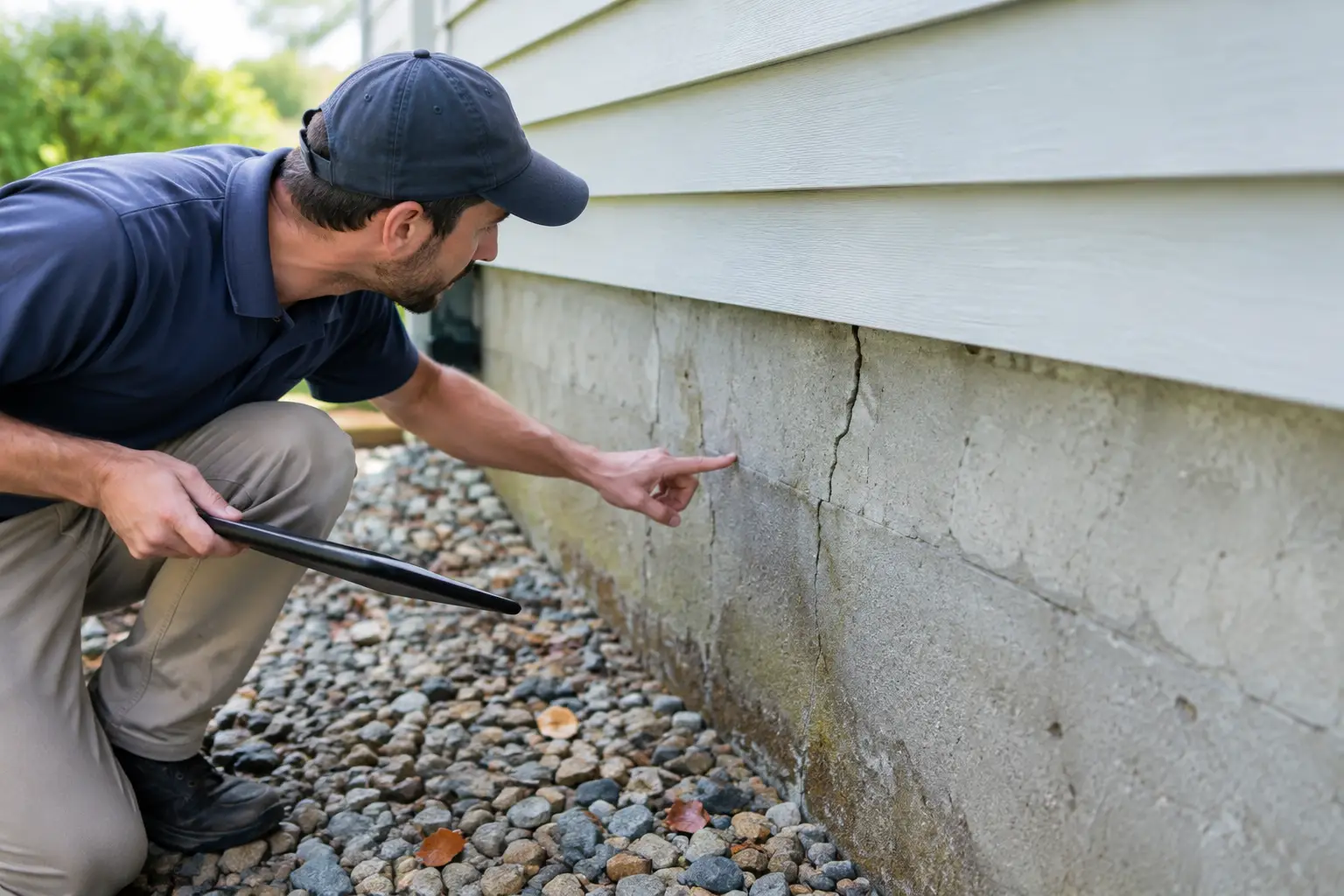
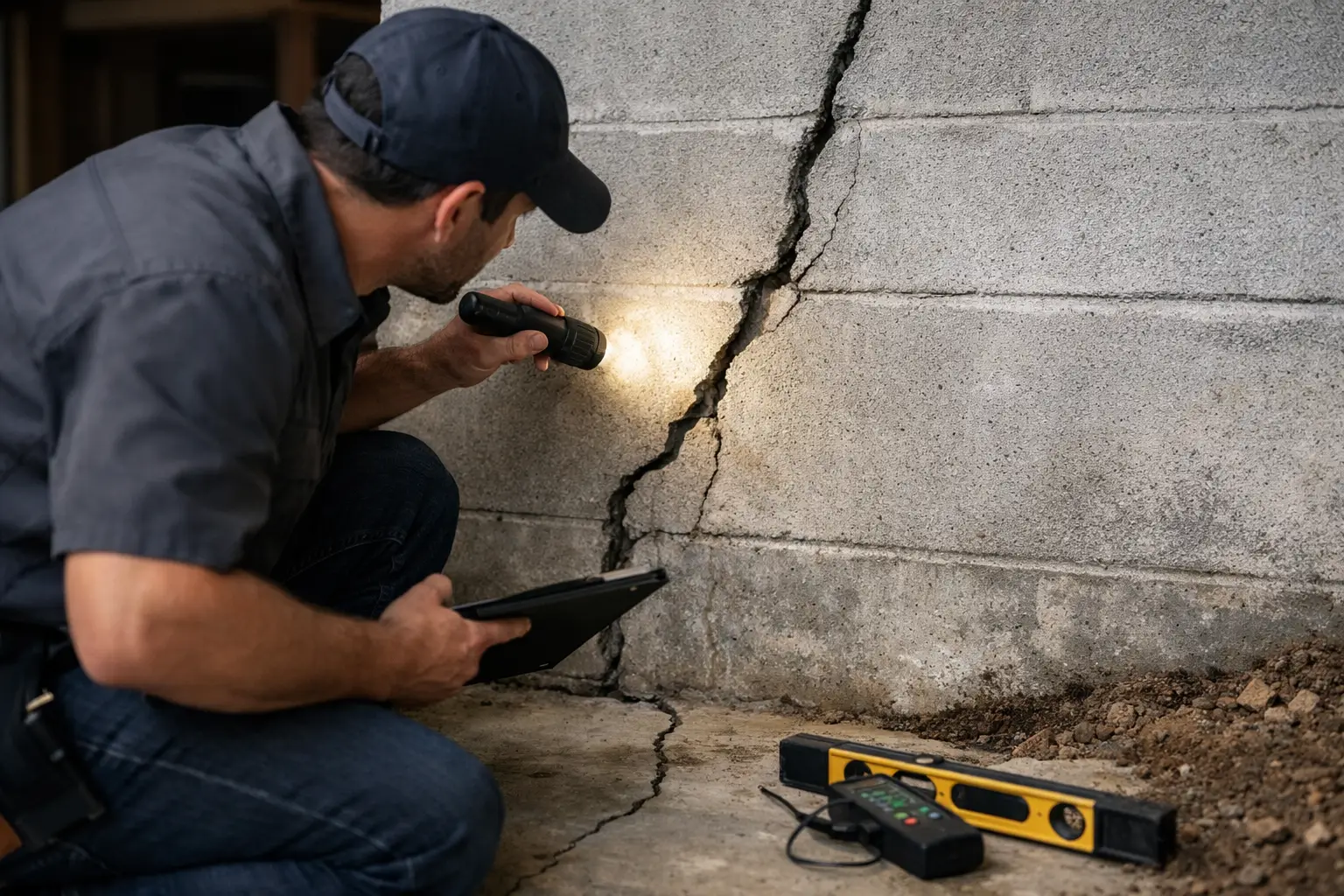
A hairline crack in a slab can look harmless until you realize it runs straight through the room, continues into the brick outside, and lines up with a sticking door. That is usually the moment buyers start asking the right question: foundation cracks when to worry?
In Texas, that question comes up often for a reason. Our soils expand, shrink, and shift with changes in moisture. Heat, drought, heavy rain, plumbing leaks, poor drainage, and tree roots can all affect how a foundation performs over time. Some cracking is cosmetic. Some is a sign of normal settling. And some points to movement that can lead to expensive structural repairs if you miss it before closing.
Foundation cracks when to worry in a Texas home
The crack itself is only part of the story. What matters most is the pattern, width, location, and whether other symptoms show up nearby. A small, isolated crack may not be a major concern. A wider crack that is actively changing, accompanied by sloping floors or separation at walls and ceilings, deserves much closer attention.
For homebuyers, the real risk is assuming every crack is either a disaster or no big deal. Neither approach protects you. The safer path is to look at the whole house and ask what the cracking may be telling you about movement, water intrusion, or deferred maintenance.
Cracks that are often less concerning
Many homes develop minor shrinkage or settlement cracks as materials cure and age. Thin vertical or diagonal cracks in drywall are common, especially around doors and windows. In concrete, hairline cracks can happen as the slab cures. Small cracks in mortar joints or exterior flatwork like driveways and sidewalks are also common.
That does not mean they should be ignored. Even minor cracks should be documented, monitored, and viewed in context. But by themselves, very thin cosmetic cracks with no displacement and no related performance issues are often less alarming than buyers fear.
Cracks that deserve real attention
Foundation cracks become more concerning when they are wide, long, offset, or paired with signs that the structure is moving. Stair-step cracks in brick veneer, horizontal cracks in foundation walls, widening diagonal cracks, or cracks that show one side higher than the other can indicate more than simple shrinkage.
Inside the house, warning signs often show up before a buyer notices the slab itself. Doors that no longer latch, windows that bind, uneven floors, cabinets pulling away from walls, and trim separation can all suggest movement. If several of these symptoms appear together, it is wise to take the issue seriously.
What crack patterns usually mean
Different crack types can point to different causes, although there is no universal rule based on appearance alone.
Vertical cracks are often associated with normal settling or shrinkage, especially if they are narrow and stable. Diagonal cracks may reflect differential settlement, where one part of the foundation moves differently than another. Stair-step cracks in brick often suggest movement in the structure or veneer support. Horizontal cracks are more concerning because they can indicate lateral pressure against a wall, often related to soil or moisture conditions.
Width matters too. A hairline crack is not viewed the same way as a crack wide enough to fit a coin. If a crack appears to have widened over time, that is a stronger warning than the crack existing at all.
Displacement is another major clue. If one side of a crack is no longer flush with the other, the issue moves higher on the concern list. A crack with measurable offset may indicate active or past structural movement rather than a simple surface blemish.
Water changes the picture fast
Even a non-structural crack can become a costly problem if it lets water in. Moisture intrusion can damage flooring, drywall, insulation, and framing. It can also contribute to mold conditions and make a home harder to maintain.
In the Houston area, drainage matters. Poor grading, clogged gutters, short downspouts, ponding water near the slab, and irrigation systems that soak one side of the home can all make foundation problems worse. On the other hand, long dry periods can cause soil shrinkage and settlement, especially around slab-on-grade homes.
That is why foundation evaluation is never just about concrete. Drainage patterns, roof runoff, plumbing leaks, and site conditions all affect what is happening below the house.
When buyers should slow down and investigate
If you are under contract and you notice cracking, do not panic. But do not brush it off either.
This is the point where a professional home inspection becomes valuable. A good inspection helps you move beyond guesswork by documenting visible structural symptoms, related interior and exterior indicators, and conditions that may be contributing to movement. That gives you a clearer picture of whether you are looking at a cosmetic issue, a maintenance issue, or something that needs additional structural review.
For example, a single hairline garage slab crack may not affect your purchase decision much. A pattern of brick cracks, ceiling separations, sloped floors, and doors that rub in multiple rooms is different. That kind of combined evidence may justify further evaluation by a qualified structural engineer or foundation repair specialist.
The goal is not to kill the deal. It is to avoid costly surprises after closing.
Foundation cracks when to worry before closing
The timing matters. Before closing, you still have leverage to ask questions, request repairs, negotiate credits, or decide whether the risk fits your budget and comfort level. After closing, the issue becomes yours.
This is especially important for first-time buyers, who may not know what is normal in an older Texas home and what could turn into a major expense. Some movement-related repairs are manageable. Others can involve extensive foundation work, interior cosmetic repairs, drainage corrections, or plumbing follow-up if the movement has affected underground lines.
An inspection report with photos and organized findings helps you have a more productive conversation with your agent and any specialists brought in afterward. It also helps separate real concerns from cosmetic noise, which can keep a transaction moving when the issue is minor and support stronger negotiation when it is not.
What inspectors look for besides the crack
A crack is rarely evaluated in isolation. Inspectors look at the broader evidence the house is giving off.
That includes floor levels, wall and ceiling separations, door and window operation, brick veneer movement, gaps at trim, signs of past patching, drainage around the perimeter, and moisture conditions. In some homes, signs of prior foundation repair may also be visible. Previous repair is not automatically a deal breaker, but buyers should understand what was done, whether documentation exists, and whether symptoms appear stable.
This whole-house perspective matters because structural performance shows up in patterns. One symptom might be minor. Several related symptoms usually tell a more useful story.
A few Texas realities buyers should know
Many homes in this region show some signs of movement over time. That alone does not make a house a bad purchase. Texas expansive soils are hard on foundations, and older homes often carry cosmetic evidence of that history.
The better question is whether the movement appears typical and manageable, or significant and ongoing. A well-maintained home with minor, older cracking and good drainage may be a reasonable risk. A home with active-looking cracks, poor water control, and multiple interior distress signs deserves much more caution.
That is where practical judgment matters. Buyers do not need to fear every crack. They do need enough information to know what they are taking on.
At CK Inspections, that is the value of a careful pre-purchase inspection. You get clear documentation, visual evidence, and a more confident understanding of whether a crack is likely cosmetic, maintenance-related, or a sign to dig deeper.
If you see cracking in a home you love, treat it like useful information, not background noise. The right evaluation now can save you from buying blind later.