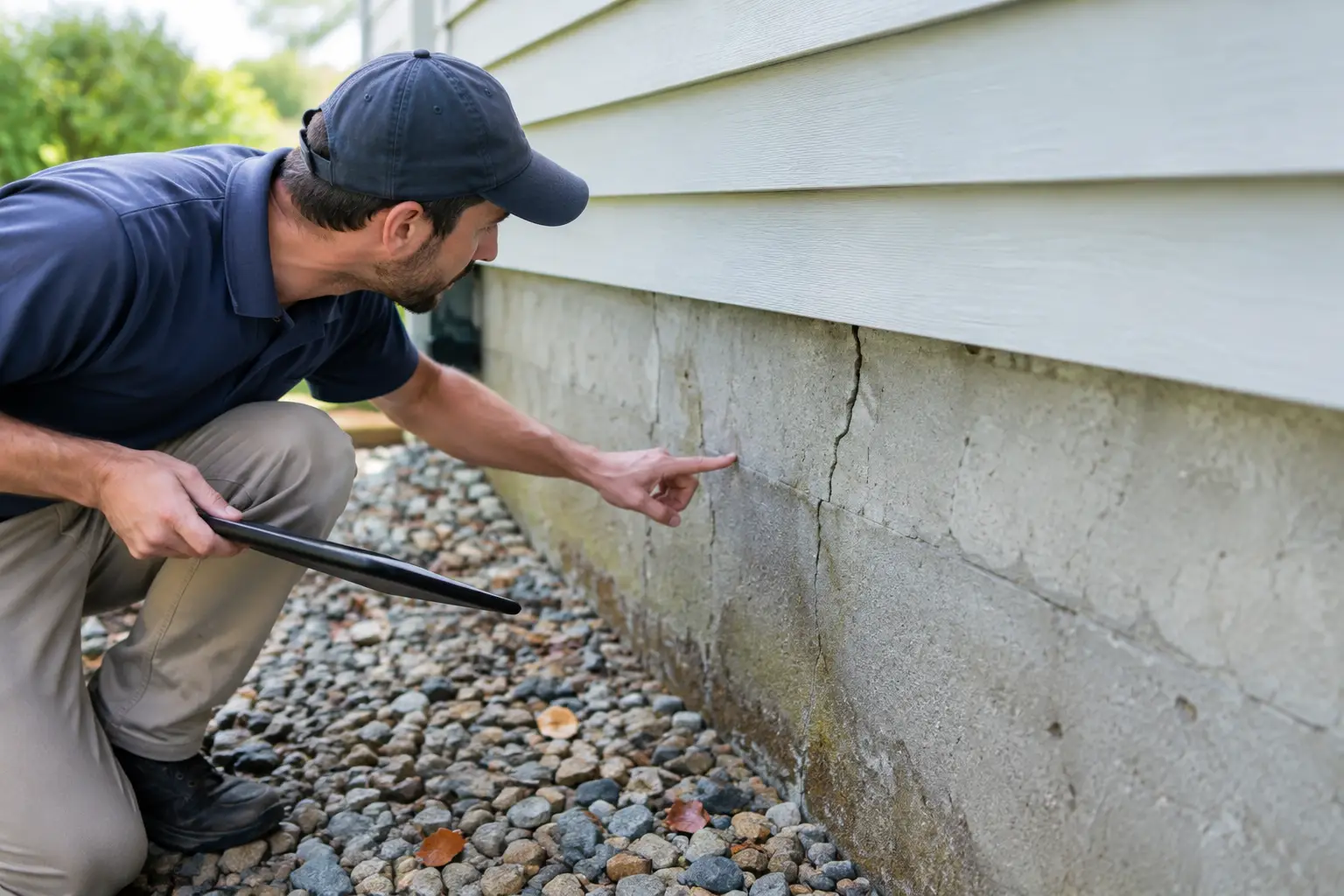
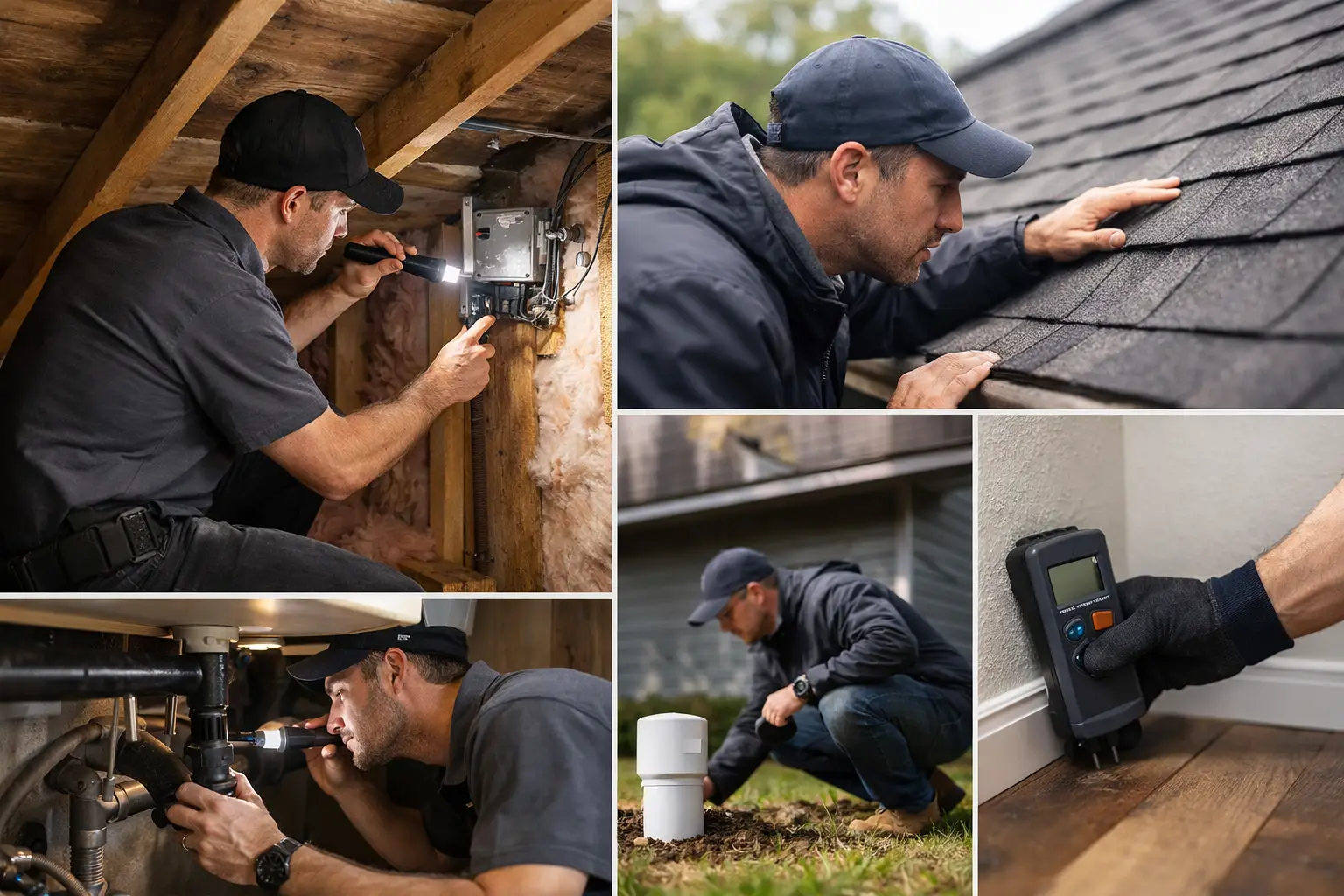
A home can look clean, updated, and move-in ready – and still hide expensive problems where most buyers never think to look. That is why the best add on inspections for buyers are not extras for the sake of it. They are targeted tools that help uncover hidden defects before those issues become your responsibility.
A standard home inspection covers a lot of ground. It gives buyers a strong overview of the home’s major systems and visible components, including the roof, structure, electrical, plumbing, HVAC, and interior conditions. But some of the most costly problems sit outside the limits of a general inspection or require specialized equipment to identify clearly. That is where the right add-on services can make a major difference.
The key is not ordering every optional service available. Smart buyers choose add-ons based on the property itself, the home’s age, visible red flags, and the level of financial risk involved. In Texas, that often means paying close attention to moisture, drainage, pests, sewer performance, and outdoor features like pools.
Why the best add on inspections for buyers matter
Most buyers are trying to answer one question before closing: what am I really buying? A general inspection gets you much closer to that answer, but certain defects can stay hidden unless they are specifically tested or evaluated.
That matters because a hidden sewer line problem, active termite activity, or a leaking pool system can turn a manageable home purchase into a stressful repair project. In many cases, these are not small-ticket fixes. They can affect safety, livability, insurance concerns, or your negotiating position during the option period.
The best add-on inspections help buyers make cleaner decisions. Sometimes the result is peace of mind. Sometimes it is a repair request. Sometimes it tells you to walk away. All three outcomes can protect your investment.
Wood-destroying insect inspection
In Texas, this is one of the most valuable add-ons a buyer can choose. A wood-destroying insect inspection looks for evidence of termites and other organisms that damage wooden structural components. You may not see the activity yourself, especially if it is behind walls, under flooring, or in attic framing.
This matters because insect damage is not always obvious from a cosmetic walk-through. Fresh paint and recent updates do not tell you whether framing, trim, or other wood members have been compromised over time. The issue can range from isolated treatment needs to repairs that affect structural integrity.
This add-on is especially worthwhile for older homes, homes with previous moisture issues, properties with wood-to-soil contact, and neighborhoods where termite activity is common. Even if damage is not active, evidence of prior infestation can still tell you something important about the home’s maintenance history.
For many buyers, this is less about checking a box and more about avoiding a costly surprise that could have been identified before closing.
Sewer line camera inspection
A sewer line camera inspection is one of the clearest examples of why specialized add-ons matter. A standard home inspection can evaluate visible plumbing components and note drainage performance at fixtures, but it does not provide a direct view inside the buried sewer lateral.
A camera inspection can reveal cracks, blockages, root intrusion, offsets, bellies, or deteriorated piping. Those issues may not fully show up during a short inspection window. A drain can appear to work today and still have a serious defect developing underground.
For buyers, this can be a high-value service because sewer repairs are often disruptive and expensive. The line may run under landscaping, driveways, sidewalks, or slab areas, which can increase repair complexity. Older homes deserve extra attention here, but newer homes are not automatically exempt. Installation defects and settlement issues can affect newer properties too.
If a home has slow drains, signs of prior backups, large trees near the sewer route, or a history that is not well documented, this add-on moves from helpful to highly advisable.
Thermal imaging inspection
Thermal imaging helps inspectors identify temperature differences that may point to hidden concerns not visible to the naked eye. It is commonly used to help detect moisture intrusion, insulation deficiencies, HVAC performance concerns, and certain electrical hot spots.
What makes this add-on valuable is not that it sees through walls like a movie gadget. It does not. What it does well is help locate anomalies that deserve closer evaluation. A cool area on a ceiling may suggest moisture. An unusually warm electrical component may suggest a problem worth further investigation. Missing insulation may show up in patterns that explain comfort issues or energy loss.
This is particularly useful in homes with a history of leaks, signs of staining, recent repairs, or areas where moisture may be trapped but not yet visibly damaged. In the Texas climate, where roof leaks, humidity, and HVAC demand can all create hidden issues, thermal imaging can add meaningful context to a buyer’s decision.
It is best viewed as a detection tool, not a guarantee. It helps find concerns that might otherwise be missed, and that early warning can save buyers from inheriting a hidden problem.
Pool and spa inspection
A pool can be a great feature. It can also be one of the more expensive systems on the property to repair. That is why pool and spa inspections belong on the short list of the best add on inspections for buyers whenever the home includes one.
A proper evaluation can look at visible condition, equipment operation, pumps, filters, heaters, safety features, coping, decking concerns, and signs of leakage or deferred maintenance. Buyers often focus on whether the pool looks inviting. Inspectors focus on whether it functions as intended and whether there are visible issues that could become your problem after closing.
This matters in a real financial way. Pool repairs are not limited to one simple category. A buyer could be dealing with equipment replacement, electrical safety corrections, cracked components, surface deterioration, or plumbing leaks. Even when no single defect is catastrophic, a handful of moderate issues can add up quickly.
If you are buying a home with a pool or spa, skipping this add-on can leave a major part of the property largely unchecked.
How buyers should decide which add-ons to choose
The right approach is practical, not fear-based. Start with the property itself. A home with no pool does not need a pool inspection. A newer townhome on a well-documented system may not carry the same sewer risk profile as a 50-year-old house with mature trees and signs of patchwork plumbing repairs.
Age is one factor, but not the only one. Visible symptoms matter. So does maintenance history. If a seller’s disclosure mentions prior leaks, pest treatment, drainage concerns, or plumbing backups, those clues should shape your inspection strategy.
Budget also matters, but it helps to compare the cost of an add-on to the cost of missing the problem. Buyers are often tempted to trim inspection scope to save a little up front. That can be an expensive trade if the skipped service was the one that would have exposed a buried issue.
The best question to ask is simple: which systems or conditions create the biggest risk for this specific property? Once you frame it that way, the most sensible add-ons usually become clear.
When add-on inspections can strengthen negotiations
Inspection findings do more than inform your own comfort level. They can also give you documentation for repair requests, credits, or price discussions before closing. That is especially helpful when findings are clearly organized and supported by visual evidence.
Not every issue will justify a negotiation. Some are maintenance items. Some are expected for the age of the home. But hidden defects discovered through the right add-on inspection can change the transaction in a meaningful way. A sewer defect, active wood-destroying insect activity, or significant pool equipment issue is not the same as a loose doorknob or worn caulk.
This is one reason many buyers want more than a quick walkthrough and a generic checklist. They want clear findings they can use to make an informed decision with confidence.
The best add on inspections for buyers are the ones that match the risk
There is no universal package that fits every home. The best add-ons are the ones that help answer real questions about the property you are under contract to buy. For many Texas buyers, wood-destroying insect inspections, sewer line camera inspections, thermal imaging, and pool and spa inspections are the most useful places to start because they target issues that can be hidden, expensive, and easy to underestimate.
A careful buyer does not order add-ons to be alarmed. A careful buyer orders them to avoid buying blind. If you are serious about protecting your investment, the smartest inspection choices are the ones that give you a clearer picture before the house becomes yours.