
A home inspection report can feel like the moment the deal gets real. You liked the layout, the neighborhood, and the price – then the inspection shows roof concerns, aging plumbing, or electrical issues hidden behind clean paint. That is exactly when a real estate repair request example becomes useful. It gives buyers a clear way to ask for reasonable repairs without turning a workable transaction into a standoff.
For Texas homebuyers, the goal is not to demand every small fix. The goal is to focus on issues that affect safety, function, or the cost of ownership. A strong repair request helps you protect your investment, avoid costly surprises, and move forward with better information and better leverage.
What a real estate repair request example should do
A repair request is not just a list of complaints. It is a negotiation document tied to the inspection findings. The best ones are specific, grounded in the report, and written in a way that keeps the conversation productive.
That matters because sellers are more likely to respond well when the request sounds reasonable and organized. If the wording is vague or emotional, it can make even legitimate concerns easier to dismiss. If the wording is clear, supported, and limited to meaningful items, it usually leads to a better result.
In most cases, buyers should center their request on defects that are unsafe, actively leaking, not working as intended, or likely to create expensive problems soon. Cosmetic issues usually belong in your budgeting, not your repair amendment. A loose doorknob or worn caulk line is rarely worth using as negotiation capital when there are bigger concerns in the report.
Real estate repair request example buyers can adapt
Below is a simple real estate repair request example written in plain, professional language:
Dear Seller,
Based on the buyer’s inspection of the property, the buyer requests that the following items be repaired, replaced, or evaluated by licensed qualified professionals prior to closing:
- Roof: Repair active leak noted above the rear bedroom and replace damaged flashing at reported problem area.
- Electrical: Have a licensed electrician evaluate and correct double-tapped breaker conditions and any other unsafe wiring conditions identified in the main service panel.
- Plumbing: Repair leak under kitchen sink and replace damaged drain components as needed to restore proper function.
- HVAC: Have a licensed HVAC contractor evaluate the system due to temperature differential concerns noted in the inspection report and make necessary repairs for proper operation.
- Exterior: Repair wood rot at window trim on the west side of the home and seal exposed areas to prevent further moisture intrusion.
Buyer requests receipts or documentation for completed repairs prior to final walkthrough.
Thank you.
This format works because it does three things well. It identifies the system, references the concern, and asks for repair by the right type of professional when needed. It does not overreach by prescribing technical methods beyond what is reasonable for a buyer to request.
How to tailor the request to your inspection report
Your inspection report should drive the language. If the report notes active water intrusion, safety hazards, or components that are near failure, those are often stronger negotiation points than deferred maintenance items with lower impact.
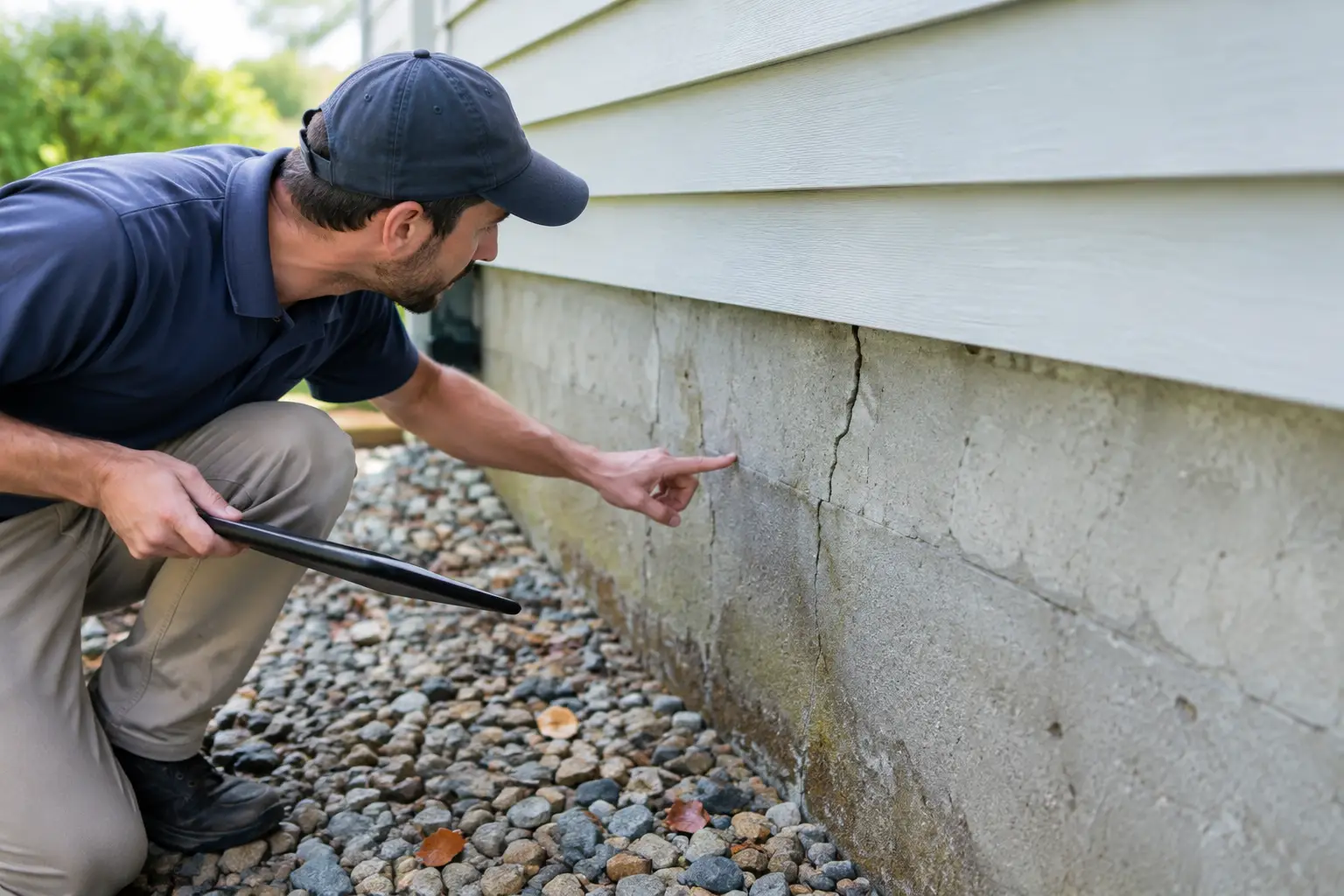
For example, if the report shows foundation movement indicators, you may not want to simply ask the seller to patch cosmetic cracks. A better request may be for further evaluation by a qualified structural professional. If the panel has unsafe wiring conditions, asking for evaluation and correction by a licensed electrician is stronger than asking the seller to “fix electrical issues,” which is too broad.
This is one reason detailed reporting matters. When a report includes photos, clear descriptions, and organized findings, it becomes much easier to build a focused repair request. Buyers are not left guessing about what deserves attention first.
What buyers should ask for – and what to leave out
A smart repair request is selective. In most transactions, you will get farther by asking for fewer, higher-value items than by submitting a long list of minor concerns.
Items worth considering usually include roof leaks, plumbing leaks, unsafe electrical conditions, HVAC performance problems, structural concerns, moisture intrusion, wood rot, broken windows that affect security, and safety issues such as missing GFCI protection in key wet areas. These items can affect livability, future costs, or insurability.
Items that may be better left out include cosmetic blemishes, hairline drywall cracks with no broader concern noted, worn finishes, minor appliance scratches, loose cabinet hardware, or other small deficiencies that are common in lived-in homes. There are exceptions, of course. If a cosmetic issue signals a deeper problem, it may belong in the request. It depends on the report and the age and condition of the house.
Should you ask for repairs, a credit, or a price reduction?
This is where strategy matters. Asking the seller to make repairs is common, but it is not always the best option.
If closing is close and the repair is straightforward, seller repairs may make sense. If the issue is more complex, buyers sometimes prefer a credit or price reduction so they can control the quality of the work after closing. That can be especially appealing when you want to choose your own contractor or when repair timing is tight.
The trade-off is that lenders and transaction structure can affect what is possible. Some sellers also prefer doing the repair rather than reducing the price. Your agent can help navigate the contract side, but the inspection findings should guide the decision. Serious defects need a solution that is documented and realistic, not rushed just to keep the deal moving.
Why wording matters in a repair request
The tone of your request can influence the response almost as much as the content. Strong requests are factual, calm, and tied to the inspection. They do not accuse the seller of hiding problems, and they do not read like a demand letter unless the situation truly calls for a harder stance.
Use direct phrasing such as “repair leak,” “evaluate by licensed electrician,” or “correct unsafe condition.” Avoid vague wording like “check roof” or “look at plumbing.” Vague language creates room for minimal action and future disagreement.
It is also wise to avoid requiring perfect conditions in an older home. Every property has some level of wear. If you treat normal aging as a major defect, you risk weakening the credibility of the issues that really matter.
Common mistakes buyers make after the inspection
One of the biggest mistakes is reacting to the entire report instead of the most important findings. Inspection reports are designed to be thorough. That means they often include maintenance items, monitoring recommendations, and defects of varying significance. Not every note should become part of a negotiation.
Another mistake is relying on verbal descriptions instead of written report language. If an issue matters enough to request, it should be tied back to documented findings. Buyers also get into trouble when they wait too long. Repair option periods are limited, and delays can reduce your leverage.
A third mistake is forgetting the final walkthrough. Even when the seller agrees to repairs, buyers should verify completion, review receipts if available, and make sure the work actually addresses the original concern. A patched stain is not the same as correcting the leak that caused it.
How inspections support stronger negotiations
A repair request is only as strong as the information behind it. When the inspection is detailed, visual, and organized, buyers can negotiate with confidence instead of guesswork. That is especially valuable in competitive markets where emotions can push buyers to overlook real costs.
A thorough inspection helps separate the normal imperfections of homeownership from issues that deserve action before closing. It also helps agents present cleaner, more defensible requests. For buyers in Houston, Cypress, Katy, and surrounding areas, that clarity can make a major difference when you are trying to protect your budget without losing momentum in the transaction.
That is also why many buyers want post-inspection support, not just a report delivered to their inbox. If you have questions about what is major, what is typical, and what is worth negotiating, expert guidance can keep you from overreacting or underreacting. CK Inspections builds reports with that practical next step in mind, so buyers have a clearer path from findings to action.
A better repair request starts before you negotiate
The strongest repair request usually starts with a better inspection, because you cannot ask clearly for what has not been clearly documented. If you go into negotiations with organized findings, photos, and a realistic sense of priorities, you are in a much better position to ask for repairs that matter and let the small stuff stay small.
When you read your report, think like a homeowner, not just a negotiator. Which issues create risk, affect safety, or threaten your budget in the first year? Start there. A clean, focused request protects your purchase and keeps the conversation pointed at what matters most before you sign the final papers.