A home inspection can change the tone of a deal fast. What looked like a solid purchase on showing day can suddenly come with roof concerns, aging HVAC equipment, plumbing leaks, or electrical issues that were never obvious during a walkthrough. That is why home inspection repair negotiations matter so much. They give buyers a chance to address real problems before closing and avoid stepping into costly surprises.
For buyers in Houston, Cypress, Katy, and nearby Texas communities, the key is not asking for everything. The better approach is asking for the right things, in the right way, with clear support from the inspection report. Good negotiations protect your investment without turning a reasonable transaction into a fight.
What home inspection repair negotiations are really about
After the inspection, the buyer and seller have new information. The report does not exist to kill the deal. It exists to show the condition of the home at the time of the inspection, identify defects, and help the buyer make an informed decision.
The negotiation stage is where that information turns into action. Sometimes that means the seller agrees to make repairs before closing. Sometimes it means the seller offers a credit or lowers the price. In other cases, the buyer decides the issues are manageable and moves forward as-is.
The goal is not perfection. Even newer homes have maintenance items, minor defects, and components nearing the end of their service life. The goal is to focus on issues that affect safety, function, structure, or near-term cost.
Which inspection findings deserve attention first
Not every line item should become part of a repair request. If you try to negotiate every loose doorknob and cosmetic blemish, you can lose credibility quickly. Sellers are more likely to respond well when the request is organized, reasonable, and tied to meaningful concerns.
Start with defects that create safety hazards. Exposed wiring, active leaks near electrical components, missing safety devices, and unstable stairs or railings deserve serious attention. These are not minor preferences. They can affect the livability of the home and the risk you take on after closing.
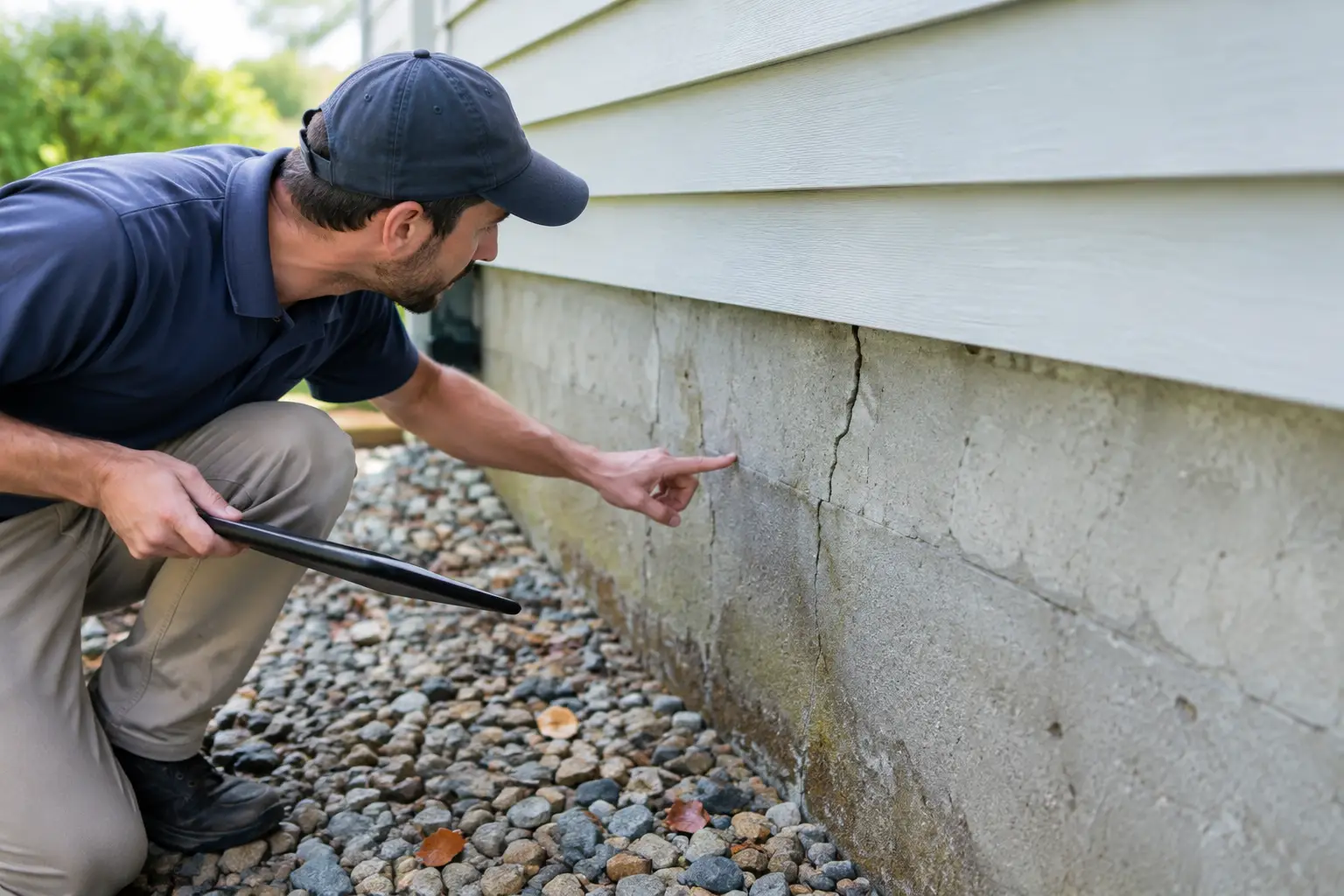
Next, look closely at major systems and expensive components. Roofing problems, foundation movement, drainage issues, HVAC failures, plumbing leaks, sewer line concerns, and electrical panel defects can all carry major repair costs. These are often the items that justify either repairs, credits, or price adjustments.
Water intrusion should also move to the top of the list. A small stain can turn out to be old and inactive, but active moisture around the roof, windows, bathrooms, or foundation area can lead to much larger damage over time. When water is involved, delaying action is rarely in the buyer’s favor.
Then there are issues that are less urgent but still worth discussing if they add up. A GFCI problem in one bathroom might be simple. Several electrical deficiencies throughout the house are different. One cracked shingle may be routine maintenance. Widespread roof wear is not.
What buyers should usually avoid requesting
There is a difference between a defect and a used home showing normal wear. Paint touch-ups, small drywall cracks, worn caulk, sticky doors, or older but functioning appliances may not be strong negotiation points unless they connect to a bigger concern.
This is where expectations matter. If you are buying a 20-year-old home, it should not be evaluated like new construction. Components age. Materials settle. Maintenance history varies. A practical buyer separates normal ownership items from true red flags.
It also helps to avoid vague requests like “fix everything in the report.” That creates confusion and usually slows the transaction down. A better strategy is to identify the priority concerns and ask for a specific solution.
Repairs, credits, or price reduction?
One of the biggest decisions in home inspection repair negotiations is choosing the form of the concession. Repairs sound simple, but they are not always the best answer.
Seller repairs can work well when the issue is straightforward and there is enough time before closing. If a licensed professional can correct the problem and provide documentation, that can remove a real burden from the buyer.
But there is a trade-off. Sellers are usually focused on closing, not on delivering the upgrade standard a buyer might prefer. That can lead to rushed work, minimal repairs, or last-minute scheduling issues.
A credit is often cleaner. It allows the buyer to control who performs the work after closing and how it gets done. For many buyers, especially when the issue involves roofing, HVAC, plumbing, or electrical work, a credit provides more control and less uncertainty.
A price reduction can also help, but it affects the deal differently than a closing credit. Depending on financing, a lower purchase price may not put much immediate cash back in the buyer’s pocket. A credit can be more useful when the buyer needs financial breathing room right away. What works best depends on the loan, the repair scope, and the local transaction details.
How to build a strong repair request
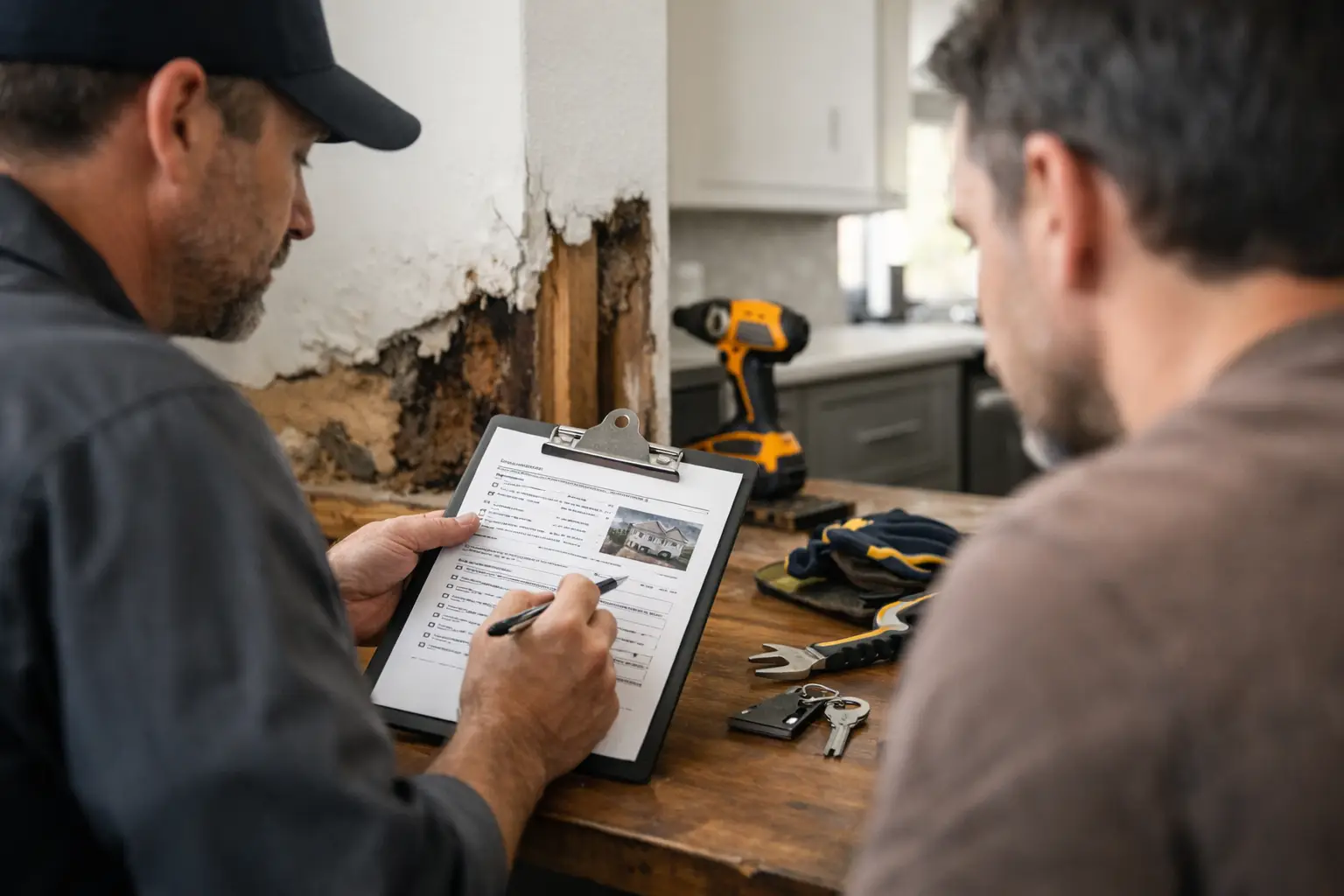
A strong request is clear, limited to meaningful items, and supported by the inspection findings. This is where a detailed report with photos and organized observations becomes especially valuable. Buyers and agents need something concrete to point to, not just a verbal list of concerns.
Focus on the issue, why it matters, and what outcome you want. For example, if the inspection found an active plumbing leak beneath a bathroom sink that has caused cabinet damage, the request should identify that condition and ask for repair by a qualified professional, not simply say “bathroom issue.”
Specificity helps keep emotions out of the process. It turns the conversation away from opinions and toward documented conditions. That usually leads to better results.
Why timing matters in home inspection repair negotiations
This part of the process moves quickly. Option periods and inspection contingency deadlines do not leave much room for delay. If buyers wait too long to review findings, discuss priorities, or submit requests, they can lose leverage.
That is why post-inspection support matters. When an inspector provides a report that is easy to follow and available promptly, buyers can make decisions faster. They can identify what deserves immediate attention, talk through the repair implications with their agent, and respond within the contract timeline.
In a competitive market, timing becomes even more sensitive. Sellers may be less flexible if they have backup interest. That does not mean buyers should ignore serious defects. It means they need to be prepared, focused, and realistic.
Texas buyers should think beyond the obvious
In the Texas market, heat, moisture, soil movement, and storm exposure can all shape negotiations. A home with an aging air conditioning system may deserve more concern in Greater Houston than it would in a milder climate. Drainage issues and foundation performance can also carry more weight because of how expansive soils and heavy rains affect homes across the region.
Roofing concerns are another common example. A roof does not have to be actively leaking to matter. Deterioration, prior patching, or visible storm-related wear can affect future cost and insurability. The same goes for plumbing materials, older electrical components, and sewer line conditions in certain neighborhoods.
This is where a local inspection perspective helps. A buyer needs more than a generic checklist. They need to understand which findings are routine, which are regionally significant, and which could become expensive soon after move-in.
When to walk away
Some deals should not be saved. If the inspection reveals major structural concerns, extensive moisture damage, widespread system failures, or repair costs that push the purchase beyond your comfort level, stepping back may be the right move.
That decision is not always easy, especially after time, money, and emotion have already gone into the transaction. But a difficult inspection result can still be valuable if it prevents a much more expensive mistake. Walking away from the wrong house can be a form of protection, not a loss.
The value of a calm, informed approach
Home inspection repair negotiations are easiest to manage when buyers stay practical. The report may feel overwhelming at first, especially for first-time buyers, but not every issue carries the same weight. Some items need immediate action. Some belong on a future maintenance list. Some are simply part of owning a used home.
What matters most is having reliable information, a report you can actually use, and enough guidance to separate serious defects from background noise. That is how buyers protect their budget, reduce risk, and move toward closing with confidence. A careful inspection does more than point out problems. It gives you the leverage to make a smarter decision before the house becomes your responsibility.