
A home inspection report can feel like a lot at once. One moment you are picturing furniture placement and move-in day. The next, you are reading about roof flashing, GFCI protection, drainage, aging HVAC equipment, and possible plumbing concerns. The best questions after an inspection report help you turn that information into a practical decision instead of reacting to every item with the same level of concern.
A thorough report is designed to document the home’s visible condition on the day of the inspection. It is not a pass-or-fail grade, and a long report does not automatically mean you should walk away. Nearly every home, including newer construction, has maintenance items and defects. What matters is understanding which findings affect safety, cost, function, and your plans for the property.
Start With the Issues That Matter Most
Before discussing repair requests or credits, ask your inspector which findings deserve attention first. In most cases, the highest-priority concerns involve safety hazards, active water intrusion, structural movement, major electrical defects, plumbing leaks, roof problems, or a system that may fail soon after closing.
A useful first question is: Which issues are urgent, and why? Ask your inspector to explain the risk in plain language. For example, an inoperable GFCI outlet near water is a safety concern that should be corrected. A minor cosmetic crack in drywall may simply be a repair item, unless its pattern or location suggests a larger movement issue.
You can also ask, Is this condition active, or is it evidence of an older repair? A stain on a ceiling may indicate a current roof or plumbing leak, but it could also be from a previous issue that was repaired. The distinction affects both your negotiation strategy and the level of follow-up needed.
Best Questions After an Inspection Report for Your Inspector
Your inspector is your strongest source of context. The report provides findings, photos, and recommendations, but a follow-up conversation can help you understand how those pieces fit together.
Ask, If this were your purchase, what would you investigate before the option period ends? This does not ask the inspector to make your decision for you. It helps identify the conditions that warrant specialist evaluation, additional testing, or repair estimates before you lose negotiating leverage.
Ask, What could this cost if it is not addressed? Inspectors generally do not provide repair estimates, but they can often explain whether a condition is likely to remain a minor maintenance task or develop into a larger expense. A loose handrail and an aging roof are both reportable, but they carry very different financial implications.
Ask, Do several findings point to one underlying problem? This is especially valuable in Houston-area homes, where drainage, soil movement, moisture, and high humidity can affect multiple areas. Cracks, doors that do not latch properly, sloping floors, and gaps at trim may be unrelated. They may also suggest that further foundation or structural review is appropriate. You need the context before treating each item as an isolated repair.
Another helpful question is, What could not be fully evaluated during the inspection? Some components may be inaccessible because of stored belongings, locked areas, vegetation, insulation, weather conditions, or limited visibility. Knowing what was outside the scope helps you decide whether another visit, a specialist, or additional service is needed.
Ask When a Specialist Should Be Involved
A home inspector evaluates readily accessible systems and identifies visible deficiencies. Some findings require an opinion, testing, or repair scope from a licensed specialist. This is not a weakness in the inspection process. It is the right next step when the potential cost or risk is significant.
For roofing concerns, ask whether the issue calls for a roofing contractor now or whether it can be monitored and budgeted for. If the report notes damaged shingles, flashing concerns, or signs of moisture intrusion, a roofer can determine the repair scope and remaining service life more precisely.
For HVAC findings, ask whether the system is functioning today, near the end of its expected service life, or showing signs that require an HVAC technician’s review. In Texas, air conditioning is not a convenience you want to gamble on. An older unit may continue operating for years, but a unit with performance concerns, damaged components, or deferred maintenance deserves closer attention.
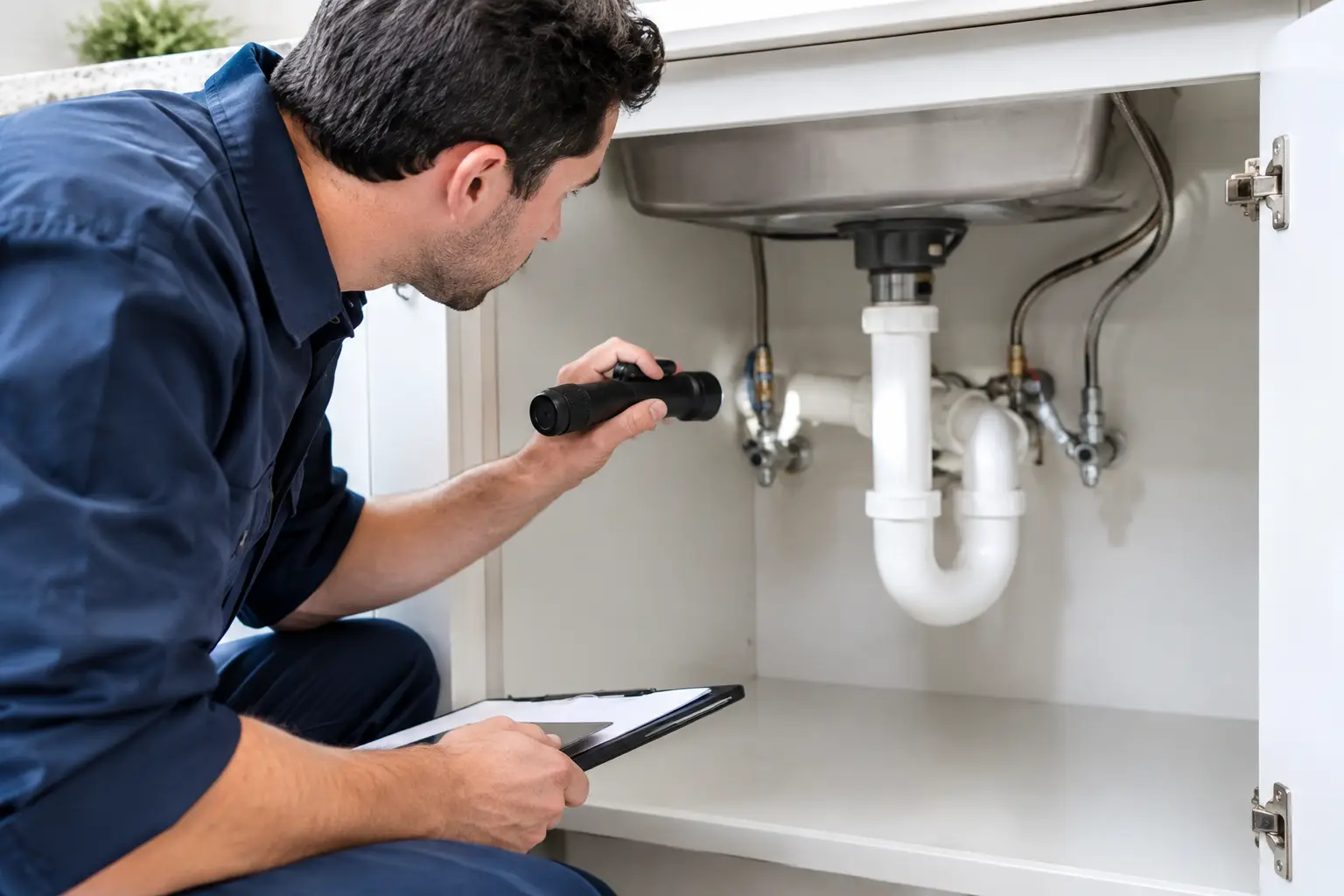
With plumbing, ask whether a sewer camera inspection is appropriate. Slow drains, evidence of prior backups, older drain lines, large trees near the sewer route, or a home with cast iron piping can all justify a closer look. A sewer line issue may be hidden below ground, and the repair cost can be substantial.
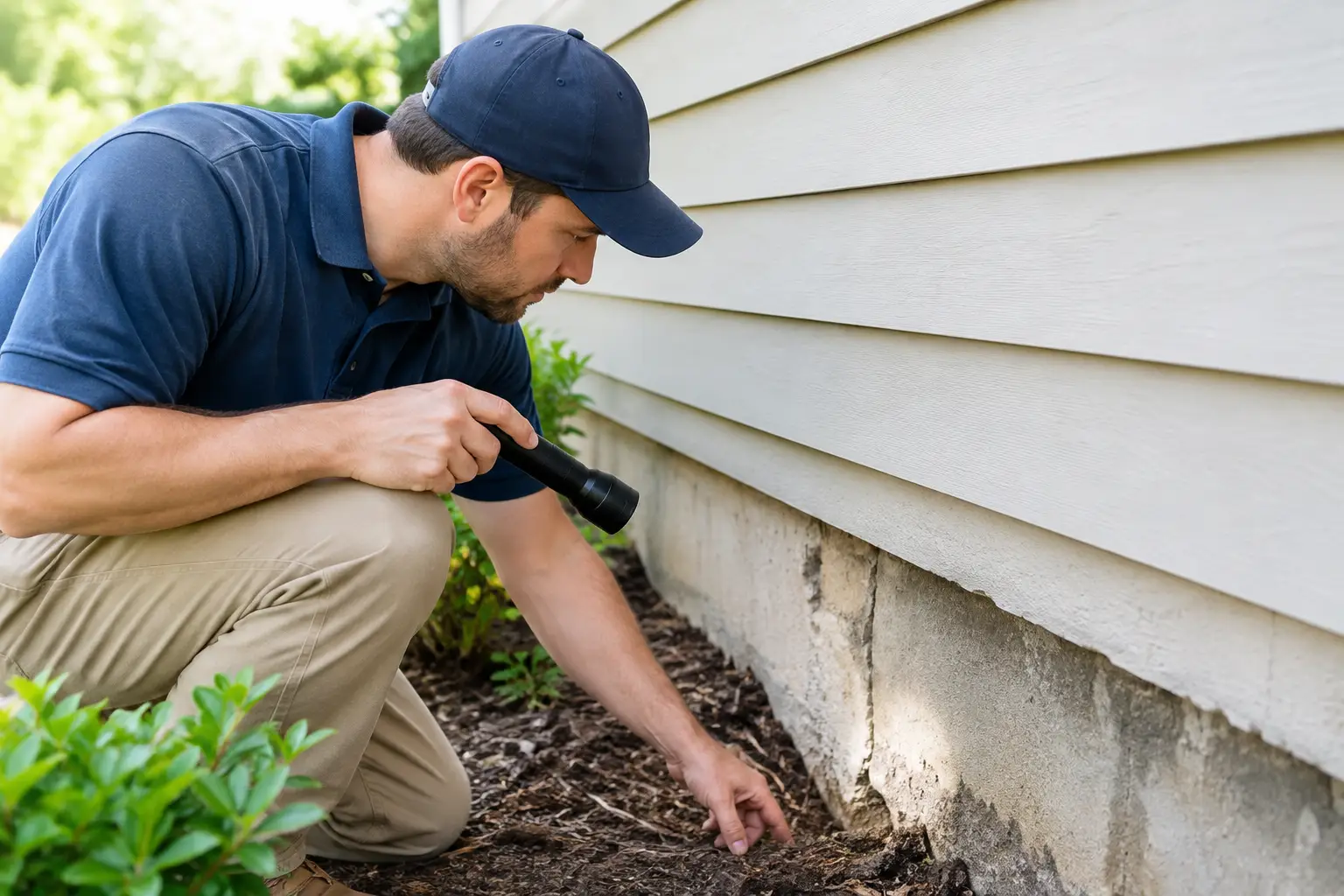
For suspected wood-destroying insect activity, ask what evidence was observed and whether a dedicated wood-destroying insect inspection is recommended. Texas homes can be vulnerable to termites and other pests, and visible damage alone does not always show whether activity is current.
Questions to Ask the Seller or Your Agent
Once you understand the findings, your real estate agent can help you decide what to request within the terms of your contract. The goal is not to ask the seller to make every small repair. The goal is to avoid buying blind when material defects could create safety concerns or costly surprises.
Ask the seller, through the appropriate channels, Do you have records for repairs, maintenance, permits, or warranties related to this issue? Documentation can clarify whether a roof was replaced, an HVAC system was serviced, a foundation repair was performed, or plumbing work was completed by a qualified professional.
If repairs are proposed, ask, Who will complete the work, and will a licensed professional be used when required? A quick repair that only covers up a problem is not the same as a proper correction. You may also want to ask for invoices, receipts, or transferable warranties before closing.
A credit can sometimes be preferable to seller-completed repairs, especially when you want control over the contractor and repair quality after closing. But it depends on your financing, available cash, timing, and the seriousness of the issue. Ask your agent and lender whether a credit is permitted and whether it will meaningfully cover the expected cost.
Do Not Forget the Questions About Your Own Plans
The same inspection finding can matter differently depending on how you plan to use the home. A first-time buyer with a limited repair reserve may need a different strategy than a move-up buyer planning a full renovation. VA buyers and buyers using other loan programs may also face property-condition requirements that affect the transaction.
Ask yourself, Can I comfortably handle this repair after closing? Be honest about both cost and disruption. Replacing an aging water heater may be manageable. Living through extensive plumbing repairs or a major HVAC replacement can be more complicated, particularly if you are moving on a tight schedule.
Ask, What should I budget for during the first year? Even a well-maintained home has routine ownership costs. Your inspection report can help you plan for servicing the HVAC system, cleaning gutters where applicable, addressing drainage, sealing exterior gaps, replacing filters, and monitoring aging components.
Finally, ask, Would this issue change my decision if the seller does not address it? That question brings the report back to its real purpose: helping you make a confident, informed choice. A detailed inspection gives you facts. Your questions turn those facts into a clear path forward.
At CK Inspections, we believe a report should not leave you guessing. Take the time to ask for clarification, seek specialist input when needed, and focus on the conditions that truly affect your investment. A thoughtful next step now can protect your peace of mind long after closing.