That clean showing and fresh paint can hide a very expensive problem. A wood destroying insect inspection gives homebuyers a clearer picture of what may be happening behind walls, under floors, and around structural wood before they commit to the purchase.
In Texas, that matters more than many buyers realize. Warm weather, moisture, and long pest seasons create ideal conditions for termites and other wood-destroying insects. By the time visible signs appear, damage may already be present. If you are buying a home in Houston, Cypress, Katy, or nearby communities, this is one of those inspections that can protect both your budget and your peace of mind.
What a wood destroying insect inspection looks for
A wood destroying insect inspection is designed to identify visible evidence of insects that attack or damage wood. In most home transactions, the main concern is termites, but they are not the only issue. Depending on the property, an inspector may also look for signs of carpenter ants, wood-boring beetles, or other organisms that can affect wooden components.
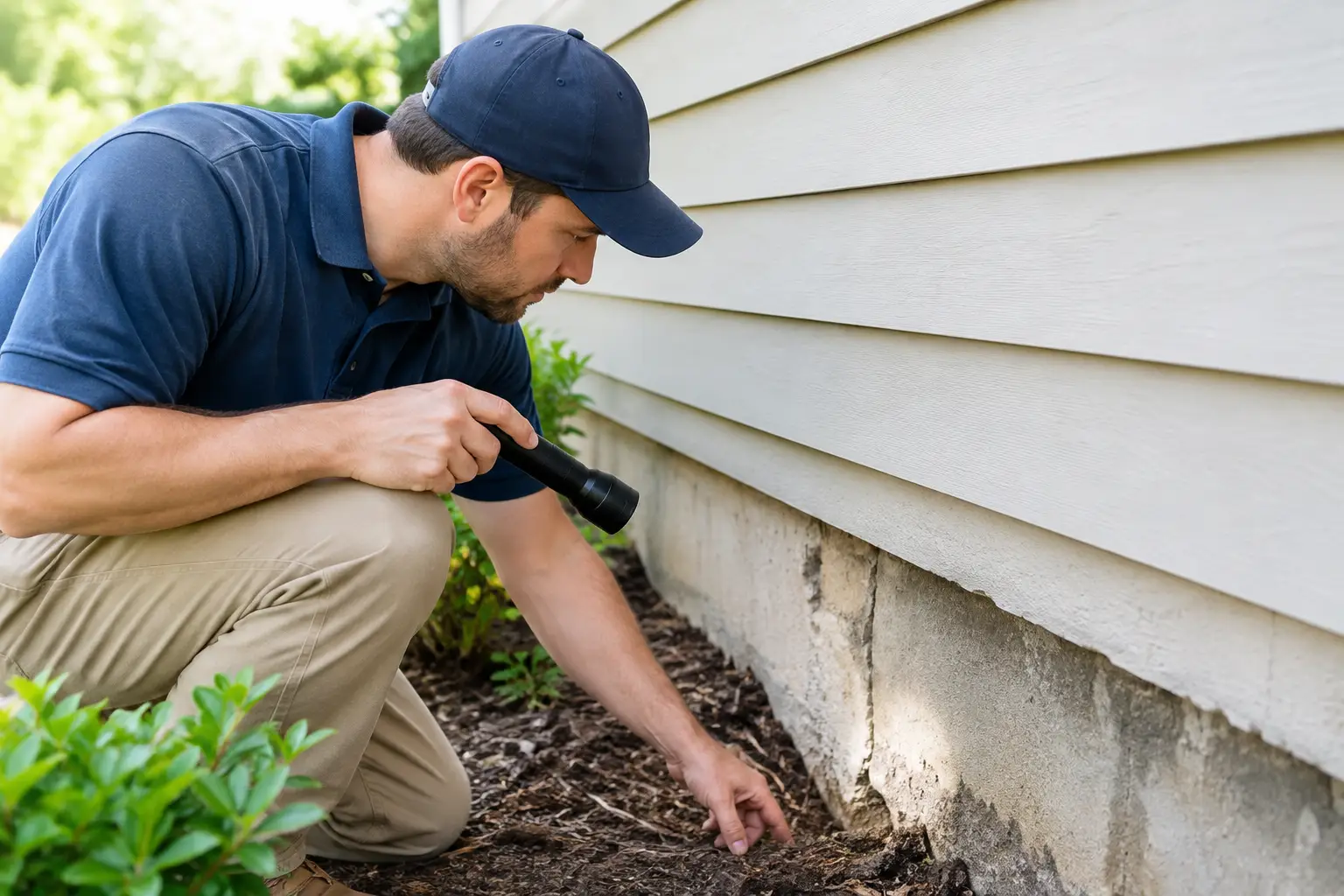
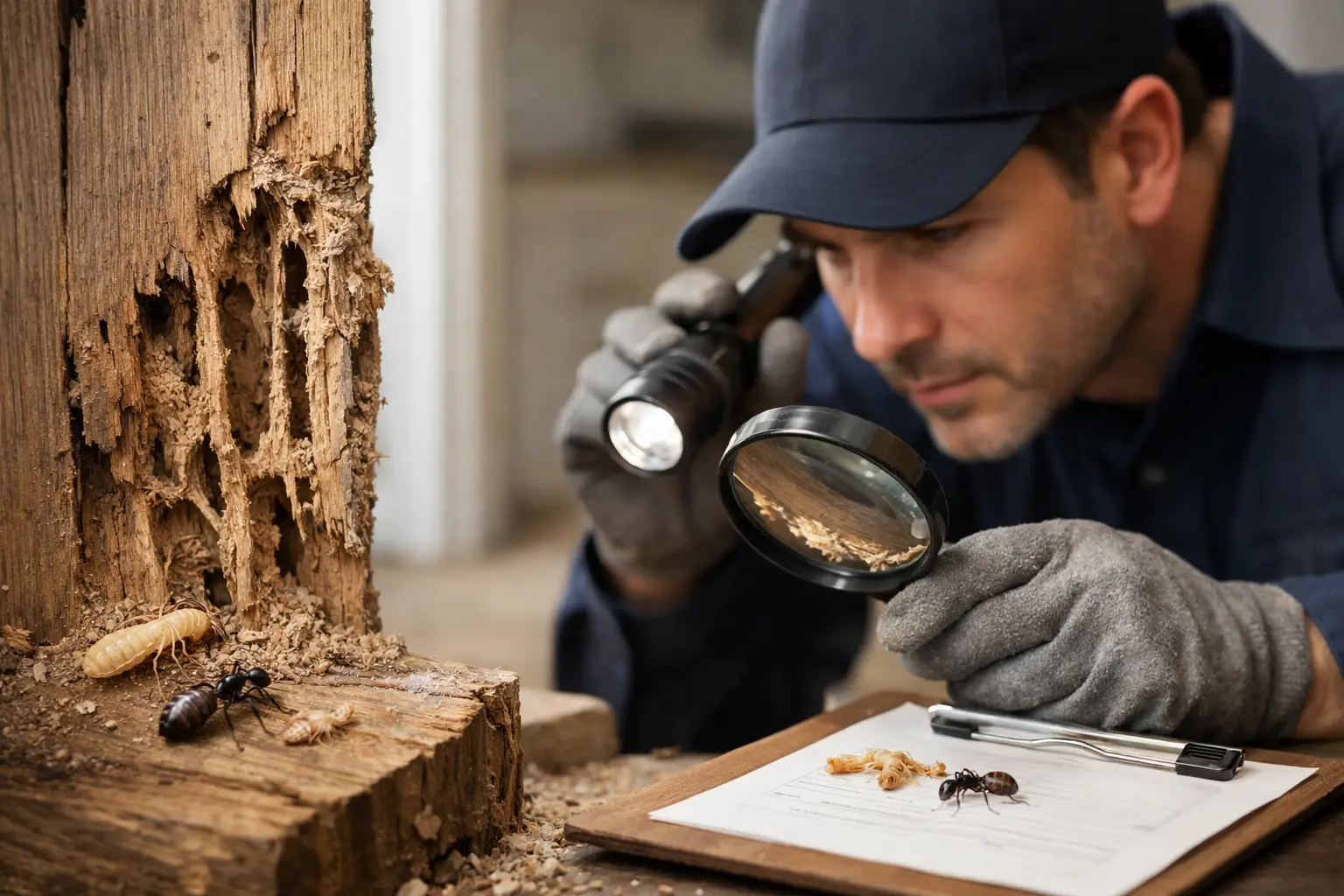
The focus is not just on finding live insects. The inspection also looks for conditions consistent with current or past activity, such as mud tubes, damaged wood, exit holes, frass, moisture-related deterioration, and areas where wood is in direct contact with soil. These clues help buyers understand whether the home may have an active problem, evidence of an older issue, or conditions that make future infestation more likely.
That distinction matters. A house may not have visible live termites on the day of the inspection, but if there is past damage and favorable conditions remain, the risk has not disappeared. A good inspection helps you see the full picture instead of relying on appearances.
Why buyers should not skip this inspection
Most buyers already plan for a general home inspection, and that is the right move. But a general inspection and a wood destroying insect inspection serve different purposes. A home inspection may note signs of damage or conditions that suggest further evaluation is needed, while a specialized insect inspection focuses directly on pest-related evidence and the areas where those issues commonly develop.
For buyers, the value is simple. You are trying to avoid costly surprises after closing. Structural repairs, replacement of damaged trim or framing, and treatment costs can add up quickly. Even when damage is localized, the repair process may involve opening walls, replacing materials, and correcting moisture conditions that contributed to the problem.
There is also the negotiation side. When issues are identified before closing, buyers have more options. You may be able to request treatment, ask for repairs, negotiate a credit, or make a more informed decision about whether the property still fits your budget and risk tolerance. Without that information, you are making a major purchase with a blind spot.
Common signs of wood-destroying insect activity
Some signs are obvious, but many are easy to miss if you do not know what you are looking for. Termite mud tubes along the foundation, on piers, or near framing members are a common red flag. Soft, hollow-sounding, or blistered wood can also point to hidden damage. In some cases, you may see discarded wings near windowsills or doors, especially after a swarm.
Carpenter ants and wood-boring beetles leave different clues. You might find small holes in wood surfaces, fine sawdust-like material, or galleries in wood that indicate insect activity. Moisture-damaged areas are especially worth attention because many wood-destroying insects are drawn to damp, vulnerable wood.
Still, signs do not always tell a complete story on their own. Staining, cracking, or surface deterioration can have more than one cause. That is why inspection findings need to be viewed in context. The goal is not to create alarm over every cosmetic blemish. The goal is to identify evidence that could affect the structure, cost of ownership, or your decision to move forward.
Where inspectors typically find problems
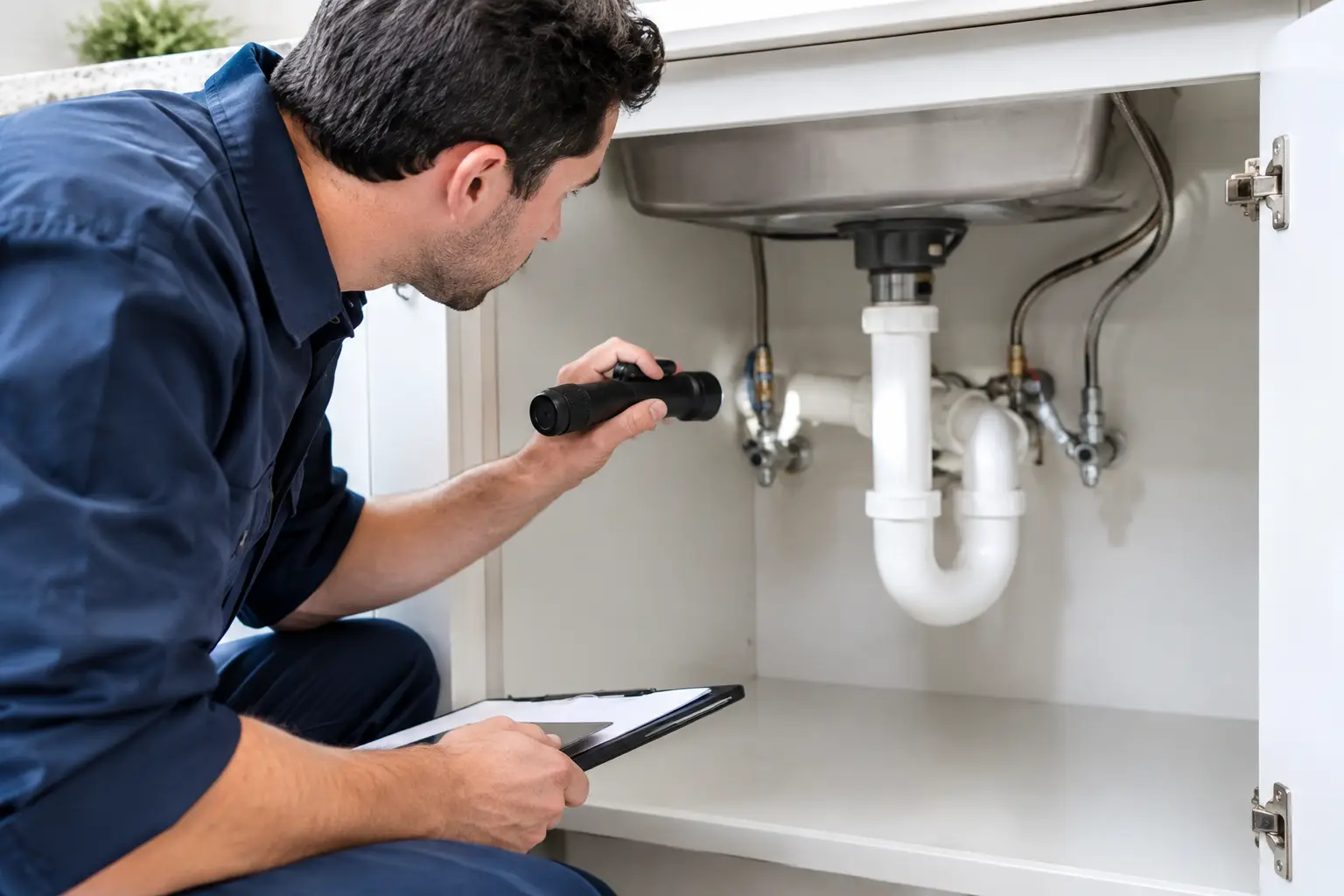
Wood-destroying insect issues tend to show up in predictable places. Crawl spaces, attic framing, garages, foundation perimeters, exterior trim, fence connections, and areas around plumbing penetrations often deserve close attention. Any place where moisture is present or wood is near soil can create an inviting environment.
In Texas homes, older properties and homes with drainage issues can face higher risk, but newer homes are not immune. Construction type, landscaping, irrigation patterns, and maintenance history all influence exposure. A beautifully updated interior does not necessarily mean concealed wood components are free from damage.
This is one reason buyers benefit from working with an inspector who understands local housing conditions. Regional experience helps when evaluating the difference between a manageable condition and a warning sign that calls for treatment or further review.
What the report can help you decide
The inspection itself is only part of the value. The report is what helps you act on the findings. Clear documentation, photos, and organized notes make it easier to understand what was observed and what it may mean for the transaction.
If evidence of wood-destroying insects is found, the next step depends on the severity and location of the issue. Sometimes the priority is treatment. In other cases, the bigger concern is repairing damaged materials or evaluating whether structural components have been affected. Some homes show past treatment and older damage with no clear current activity, which creates a different conversation than an active infestation.
This is where buyers need practical guidance, not unnecessary panic. Not every finding is a deal breaker. But every finding should be evaluated carefully in terms of cost, scope, and future risk. A strong inspection process helps you ask the right questions before deadlines close in.
Wood destroying insect inspection and the home inspection
It is reasonable to ask whether both services are necessary. In many cases, yes. A general home inspection covers the property more broadly, looking at major systems and components such as roofing, electrical, plumbing, HVAC, structure, and interior conditions. A wood destroying insect inspection adds a focused layer of protection where hidden damage can be expensive and easy to overlook.
Think of it this way. The home inspection tells you how the house is performing overall. The insect inspection helps answer whether pests have compromised wood elements or created hidden costs that may not be obvious during a standard walkthrough.
For many buyers, especially first-time buyers, having both inspections creates a more complete decision-making process. You get a wider understanding of the home and better leverage if concerns are identified before closing.
When this inspection becomes especially important
Some transactions carry higher urgency than others. If the home has visible moisture issues, older wood components, previous termite treatment stickers, signs of foundation moisture, or exterior wood-to-soil contact, adding this inspection is a smart move. The same is true if the seller disclosure mentions past infestations or repairs related to termites.
It is also worth strong consideration when you are already stretching your budget. Buyers who have limited cash reserves after closing are often the least equipped to absorb surprise pest treatment and repair costs. Spending a little more upfront for better information can prevent a much larger financial hit later.
Real estate agents also benefit when this step is handled early and clearly. A well-documented inspection can reduce confusion, support repair discussions, and help transactions move forward with fewer last-minute surprises.
What buyers should expect from a good inspection experience
A good inspection experience should leave you more informed, not more overwhelmed. You should understand what was observed, where it was found, and whether the issue points to active infestation, past activity, damage, or conducive conditions. You should also have enough documentation to discuss next steps with your agent and, if needed, treatment or repair professionals.
This is where a detailed, buyer-focused company like CK Inspections stands apart. The right inspection partner does more than identify problems. They help organize the findings in a way that supports confident decisions, stronger negotiations, and fewer surprises after move-in.
Buying a home is already a major commitment. You should not have to guess whether hidden insect damage is waiting behind the walls or under the structure. When the goal is to protect your investment, a wood destroying insect inspection is not just another box to check. It is one of the clearest ways to avoid buying blind and move forward with confidence.