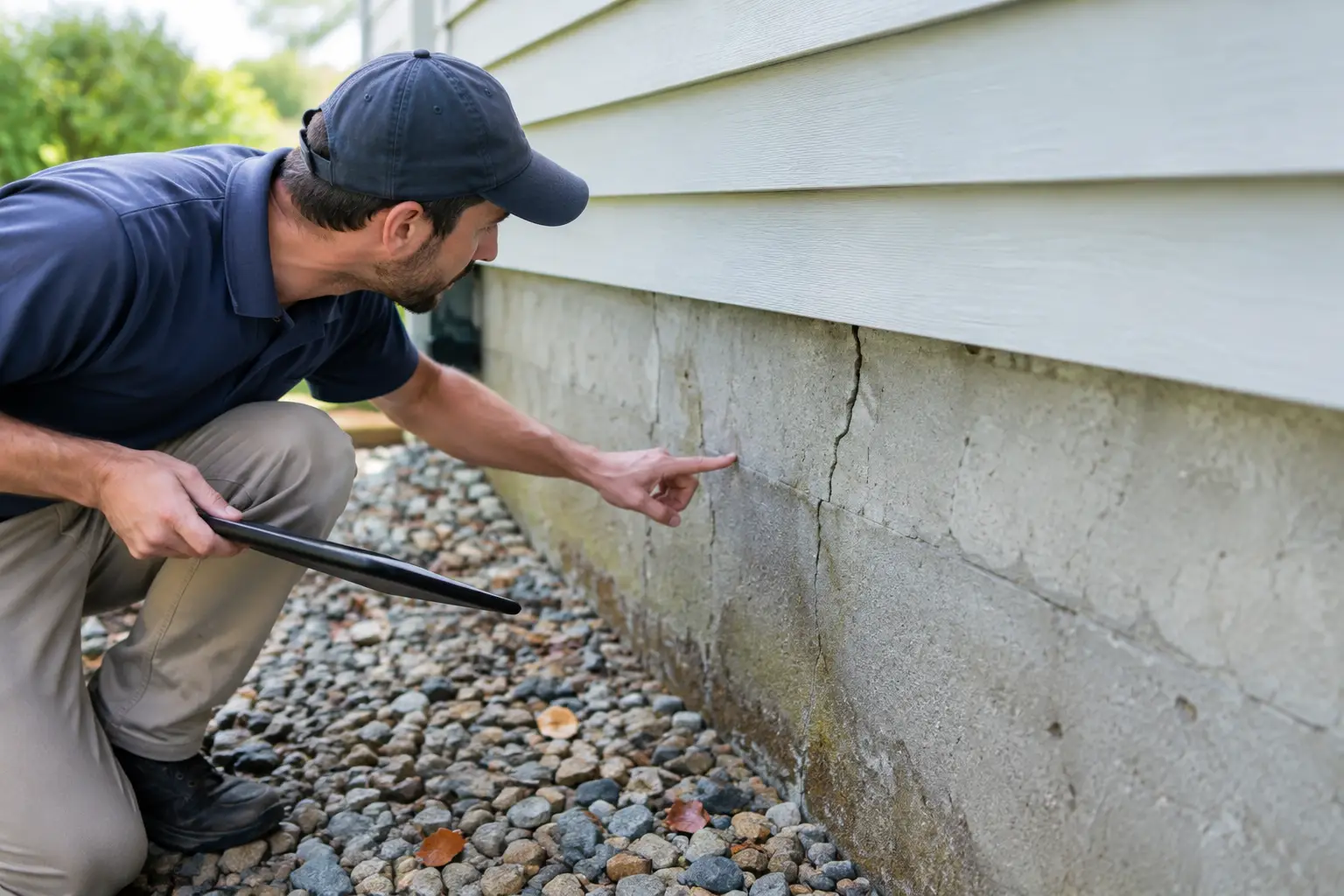
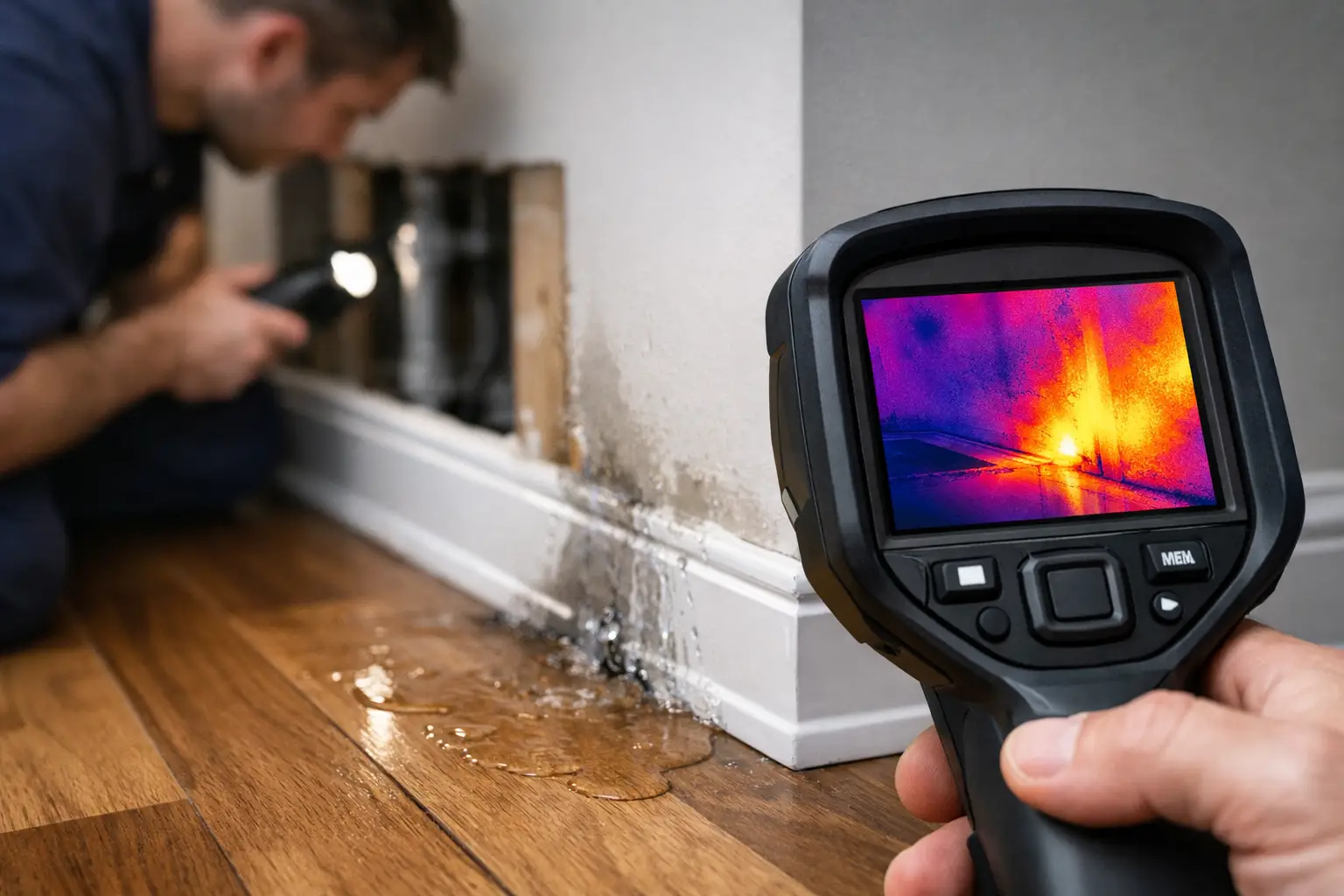
A water stain on a ceiling is easy to spot. The problem is that many leaks never give you that kind of warning until the damage is already expensive. That is why homebuyers often ask, can thermal imaging detect water leaks? The short answer is yes – in many cases, it can help reveal moisture patterns that are not visible during a standard visual inspection.
The key word is help. Thermal imaging does not see water the way an X-ray sees bones. It reads temperature differences on surfaces. When moisture is present behind a wall, under a floor, or above a ceiling, it can change the way that area heats up or cools down. A trained inspector can use those temperature variations as clues that something may be leaking or has leaked before.
For buyers in Houston, Cypress, Katy, and surrounding areas, that matters. Our climate brings heat, humidity, sudden storms, and heavy air conditioning use. Those conditions create plenty of opportunities for moisture issues to develop quietly. Finding them before closing can save you from walking into repairs, mold concerns, or insurance headaches you did not budget for.
How thermal imaging helps detect hidden moisture
If you are wondering how can thermal imaging detect water leaks, think of it as a way to spot abnormal temperature signatures. Wet materials often hold temperature differently than dry materials. A damp section of drywall may appear cooler than the surrounding wall. Moisture around a shower enclosure may show a pattern that stands out from nearby surfaces. A ceiling below a bathroom may reveal suspicious temperature changes even when no stain is visible yet.
That makes thermal imaging especially useful for areas where a leak can stay hidden for a long time. Plumbing lines inside walls, slow roof leaks into attic spaces, and moisture intrusion near windows or exterior walls may all leave a thermal pattern before obvious cosmetic damage appears.
For a homebuyer, that adds an extra layer of protection. During a pre-purchase inspection, thermal imaging can point the inspector toward areas that deserve closer evaluation. It is one more way to avoid costly surprises after move-in.
What thermal imaging can find
Thermal imaging is most valuable when it is used by an inspector who understands houses, building assemblies, and how moisture behaves. The camera itself is only part of the process. Interpreting the image correctly is where experience matters.
In the right conditions, thermal imaging may help identify plumbing leaks behind walls, moisture beneath bathroom or laundry room floors, roof leaks affecting ceilings or attic materials, moisture intrusion around windows and doors, and HVAC-related condensation issues around ducts or air handlers. It can also help reveal areas where past water damage may have been patched cosmetically without fully addressing the source.
This is one reason many buyers choose thermal imaging as an add-on service. Hidden moisture can turn into damaged framing, deteriorated finishes, microbial growth, and repair negotiations that become much harder once the transaction is over.
Can thermal imaging detect water leaks every time?
No, and that is an important part of an honest answer.
Thermal imaging is a strong screening tool, but it is not magic. A leak may be too small, too recent, too deep inside a building assembly, or too well insulated to create a noticeable temperature difference at the surface. If environmental conditions are not favorable, the pattern may not show clearly. In some cases, the moisture may have dried enough that the thermal signature is gone even though staining or previous damage remains.
The reverse is also true. Not every cool or warm spot is a leak. Missing insulation, air movement, HVAC supply lines, shading, reflective materials, and differences in construction can all create temperature anomalies. That is why thermal images should never be treated as a standalone diagnosis.
A qualified inspector uses thermal imaging along with visual evidence, moisture meters when appropriate, building knowledge, and context. That combination is what makes the findings useful.
Why inspection conditions matter
When buyers hear that thermal imaging can detect hidden issues, they sometimes assume it works the same way in every house on every day. It does not. Conditions matter more than most people realize.
If there is an active plumbing leak saturating a wall, the thermal pattern may be obvious. If the home has been vacant, the HVAC has been off, and the indoor temperature is close to outdoor conditions, readings may be less revealing. Roof leaks can be easier or harder to spot depending on recent rain, attic ventilation, ceiling materials, and how much moisture is present at the time of the inspection.
Texas homes create their own set of variables. Strong sunlight on exterior walls, high attic temperatures, and heavy AC use can all influence what a thermal camera sees. That does not make thermal imaging less valuable. It just means accurate interpretation requires training and a realistic understanding of the tool’s limits.
Thermal imaging versus a moisture meter
These tools are often confused, but they do different jobs.
A thermal camera helps identify suspicious temperature patterns over a wider area. It is excellent for scanning surfaces quickly and noticing where something may be unusual. A moisture meter is used to test for the presence of moisture at specific locations. One helps locate potential concerns, and the other can help support whether moisture is actually present.
In practice, they work well together. An inspector may scan a wall with thermal imaging, notice a cooler area near a shower valve, and then use additional inspection methods to determine whether that pattern is consistent with moisture. That approach is far more reliable than relying on either tool alone.
Why this matters during a home purchase
A hidden leak is rarely just a plumbing issue. It can affect drywall, flooring, cabinets, insulation, framing, paint, and indoor air quality. If the leak has been slow and ongoing, the repair can become much bigger than the source itself.
For buyers, that means hidden moisture has financial consequences. You may need repairs before closing, further evaluation from a licensed contractor or plumber, or documentation to support a repair request. In some cases, the finding changes how comfortable you feel moving forward with the purchase.
This is where a detailed inspection process matters. The goal is not to create alarm. The goal is to give you clearer information before your money is fully committed. That is the difference between buying with confidence and buying blind.
When thermal imaging is especially worth considering
Not every home has the same risk profile, but some situations make thermal imaging particularly helpful. Older homes with aging plumbing are one example. Homes with previous renovations are another, especially if bathrooms, kitchens, or roof areas have been updated and you want to verify there are no concealed moisture concerns.
It is also valuable if you notice subtle warning signs during a showing. A fresh paint patch, a musty odor, slightly warped flooring, or a room that feels unusually humid may not prove anything on their own. They do, however, justify a closer look.
In a market where buyers sometimes feel pressure to move quickly, services that help expose hidden defects can be a smart layer of protection. At CK Inspections, that is exactly how thermal imaging is used – not as a gimmick, but as a practical tool to help uncover issues a standard visual review may not fully reveal.
What buyers should expect from the findings
If thermal imaging suggests possible moisture, that does not always mean the inspector can tell you the full extent of the damage on the spot. Some conditions require invasive access, specialized leak detection, or repairs by the seller before the true scope is known.
What you should expect is clear documentation, visual support, and a straightforward explanation of what was observed and why it matters. Good reporting helps you make decisions. It gives you something concrete to discuss with your agent, the seller, or a contractor if additional evaluation is needed.
That clarity is often just as valuable as the finding itself. A vague concern creates confusion. A documented concern creates options.
So, can thermal imaging detect water leaks?
Yes – often very effectively, especially when moisture has created measurable temperature differences on accessible surfaces. But it is best understood as an investigative tool, not a guarantee. It helps inspectors find what the eye alone may miss, and that can make a real difference when you are evaluating a home’s condition before closing.
If you are buying a home, the real question is not whether thermal imaging can do everything. It is whether you want more information before you take ownership of someone else’s hidden problems. In many cases, that extra layer of insight is exactly what helps you move forward with confidence.