
A home can look move-in ready during a showing and still carry expensive problems behind the walls, above the ceiling, or beneath the slab. This VA home inspection guide helps Texas buyers understand what an inspection does, how it differs from a VA appraisal, and how to use the findings to protect a major investment before closing.
A VA Appraisal Is Not a Home Inspection
A VA loan appraisal and a professional home inspection serve different purposes. The appraisal is ordered for the lender. It establishes an opinion of value and considers whether the property appears to meet VA Minimum Property Requirements, commonly called MPRs. The appraiser may call out visible conditions that affect safety, soundness, or livability.
That is helpful, but it is not a substitute for a detailed inspection. An appraiser is not performing a full evaluation of the roof, electrical system, plumbing, HVAC equipment, foundation performance, appliances, and other accessible components. A property can satisfy the appraisal process while still having aging equipment, drainage concerns, prior repairs, or defects that deserve attention.
A home inspection is for you, the buyer. Its purpose is to give you a practical picture of the home’s condition, identify material concerns, and help you decide what to address before the transaction moves forward. Don’t buy blind because the appraisal came back at value or because the property appears well maintained from the street.
What a VA Home Inspection Should Cover
A thorough pre-purchase inspection looks at the home’s major accessible systems and components as they exist on the day of the inspection. The goal is not to make an older home look new or to create an unrealistic repair list. It is to identify defects, safety concerns, deferred maintenance, and conditions that could lead to unexpected costs after you move in.
Structure, exterior, and roof
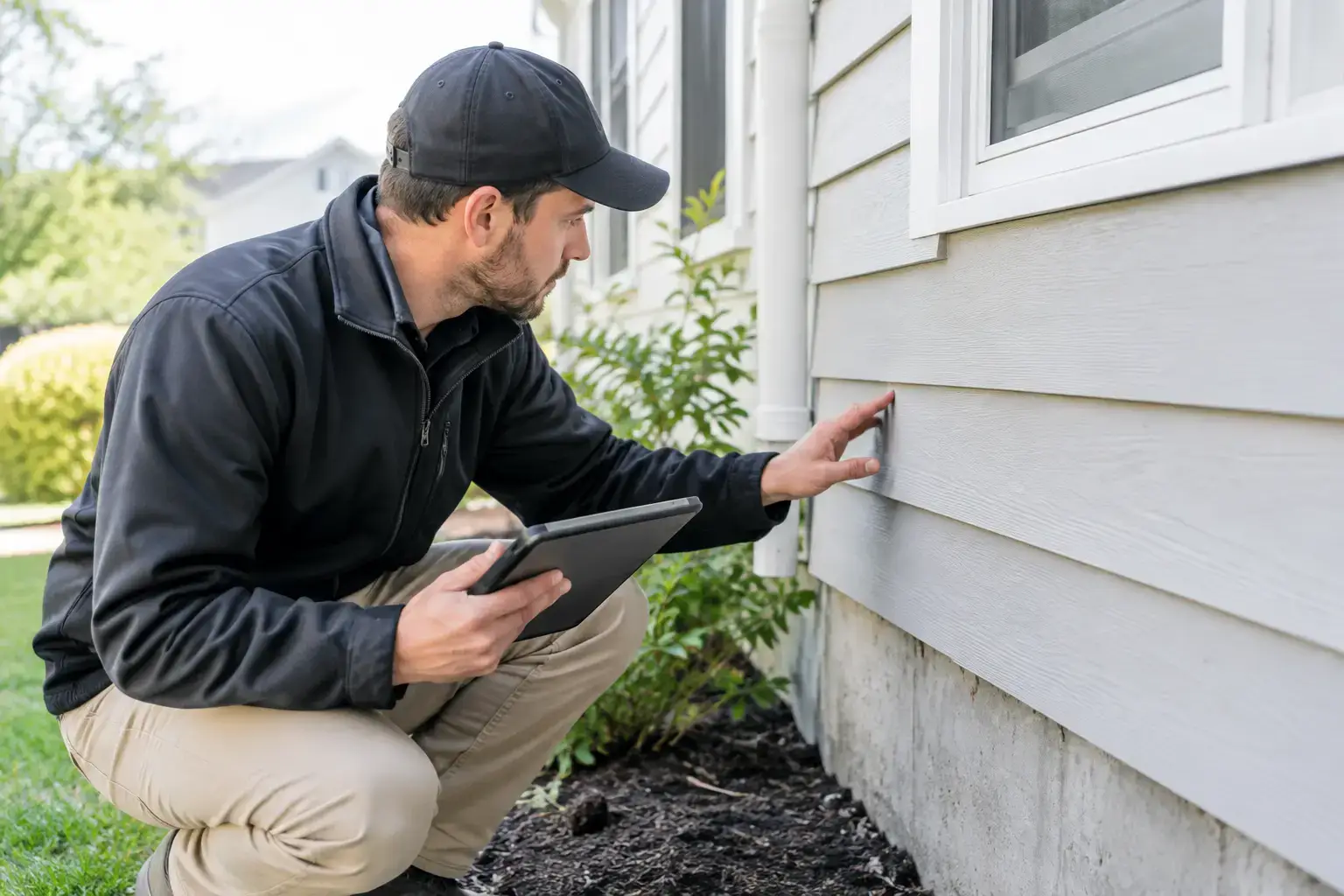
In Greater Houston, the home’s exterior and drainage deserve close attention. Heavy rain, expansive soils, high humidity, and intense heat can all affect a property over time. An inspection should evaluate visible foundation conditions, exterior cladding, grading, drainage patterns, doors, windows, roof coverings, flashing, gutters, and accessible attic areas.
A crack by itself does not automatically mean a foundation failure, and a roof near the end of its expected service life does not always require immediate replacement. Context matters. The inspector should explain what was observed, why it matters, and whether further evaluation by a qualified specialist is appropriate.
Electrical, plumbing, and HVAC systems
Electrical findings may include older wiring methods, missing safety devices, improper panel components, exposed wiring, or outlets that do not respond as expected. These issues range from simple corrections to conditions that should be evaluated promptly by a licensed electrician.
Plumbing inspections can reveal active leaks, poor drainage, damaged fixtures, water-heater concerns, or signs of past repairs. For homes with older drain lines or properties where drain performance raises questions, a sewer line camera inspection can provide additional information that a standard inspection cannot see.
Air conditioning is more than a comfort issue in Texas. A system that cannot cool effectively, has damaged components, or is near the end of its service life can become a major expense quickly. The inspection should document operational performance at the time of the evaluation, while recognizing that no visual inspection can predict exactly when equipment will fail.
Interior, appliances, and safety features
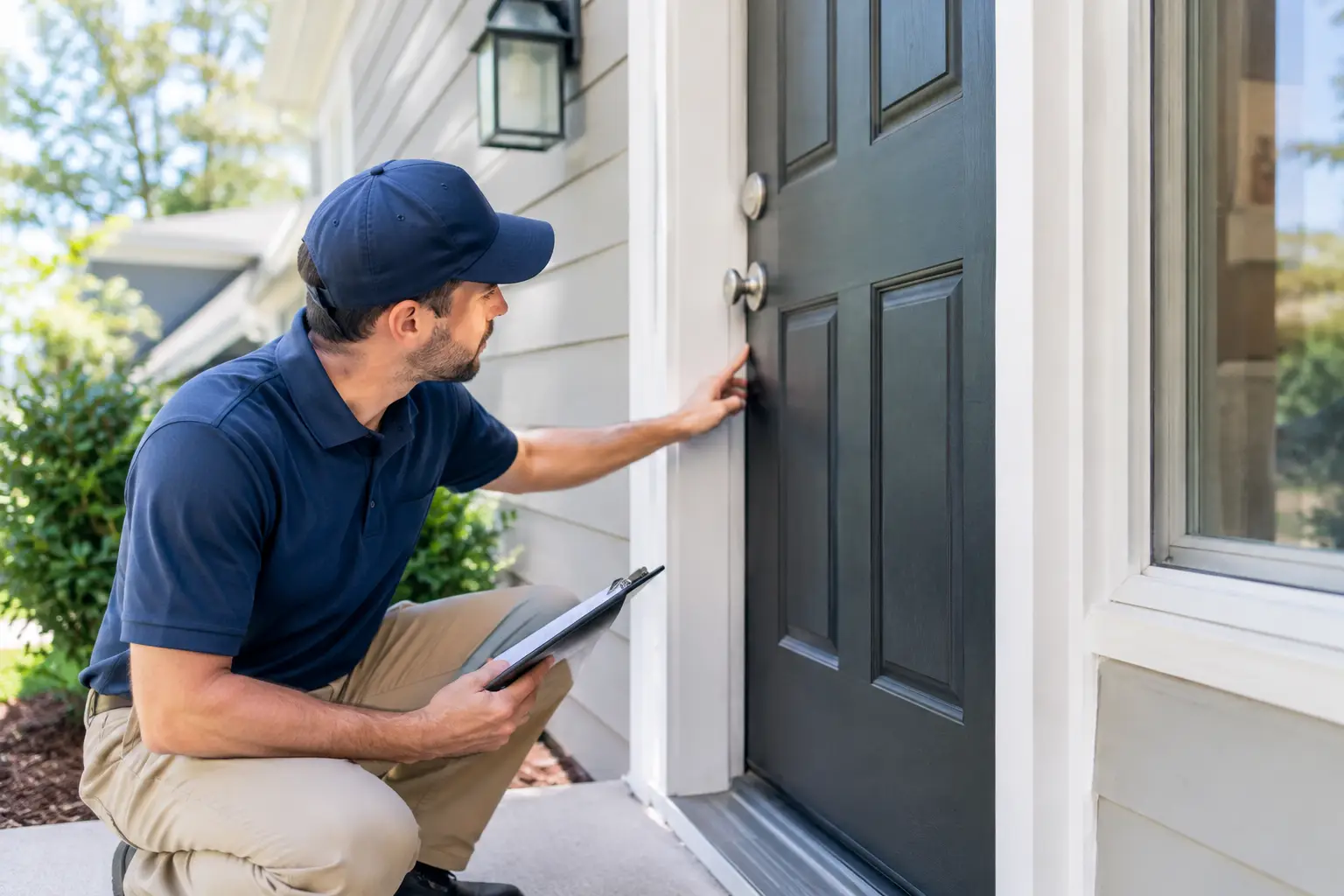
Inside the home, the inspection should cover accessible ceilings, walls, floors, stairs, fireplaces, installed appliances, garage systems, and visible signs of water intrusion or damage. Safety items matter, too. Missing handrails, unsafe stair conditions, damaged garage door components, and absent smoke or carbon monoxide alarms may need attention before move-in.
An inspection is visual and noninvasive. Inspectors do not open finished walls, move personal belongings, or dismantle equipment. That limitation is not a weakness – it is why clear reporting and recommendations for further evaluation are so valuable when a concern cannot be fully confirmed without specialized work.
VA Loan Considerations for Texas Buyers
VA financing is designed to help eligible buyers purchase safe, livable homes, but it does not mean every repair concern will stop a loan from closing. The key question is whether the condition affects the property’s safety, structural soundness, sanitation, or basic functionality.
Conditions that can attract appraisal attention include an actively leaking roof, peeling paint on homes built before 1978, exposed electrical hazards, inadequate access, broken windows, unsafe stairs, or inoperable essential systems. Requirements can vary based on the property, lender guidance, and appraiser observations, so avoid assuming that a particular issue will or will not be required before closing.
Wood-destroying insect inspections are another consideration. Termites and related pests can cause significant damage in Texas, and VA loan requirements for a wood-destroying insect report can depend on location and loan circumstances. Confirm the lender’s requirement early, especially if you are within a short option period. If a report is needed, scheduling it alongside the general inspection can keep the process moving.
The practical advantage of inspecting early is that you can separate VA-required repairs from issues that still matter to you as an owner. A worn water heater may not affect an appraisal, for example, but it can still influence your budget and negotiations.
Schedule the Inspection Before Your Option Period Runs Out
For Texas buyers, timing is protection. Schedule the home inspection as soon as the contract is executed, not after the appraisal is complete. The option period gives you a defined window to inspect the property, request repairs or concessions, renegotiate where appropriate, or walk away under the terms of your contract.
Before the inspection, make sure utilities are on and that the inspector can access the attic, electrical panel, water heater, HVAC equipment, garage, and other major systems. If the house is vacant or the seller is still moving out, ask your agent to help confirm access. A blocked panel or disconnected water service can leave critical questions unanswered.
Your inspection report should use clear photos and plain language, but the report is only the starting point. Focus first on health and safety concerns, active leaks, structural issues, major system defects, and items likely to create large near-term costs. Then consider maintenance needs and smaller repairs in light of the home’s age, price, and overall condition.
Use the Report to Make Better Decisions
Not every finding needs to become a repair request. A balanced approach protects your interests while keeping the transaction focused on material issues. An older home will usually have evidence of age and maintenance needs. Asking a seller to make every cosmetic correction can distract from concerns that genuinely affect safety, performance, or future expense.
Ask your inspector to help you understand the difference between immediate repairs, items needing further evaluation, and routine maintenance. If a specialist is recommended, obtain that evaluation before your decision deadline whenever possible. A roofer, electrician, plumber, foundation specialist, or HVAC contractor may be able to define the scope of repairs more precisely.
For VA buyers, also share material findings with your real estate agent and lender early. Your agent can help structure repair discussions, while your lender can clarify whether a particular condition could affect underwriting or the appraisal process. Clear communication prevents a late surprise from turning into a delayed closing.
Choose an Inspector Who Explains What Matters
The best inspection experience is not simply a long report full of technical language. You need an inspector who understands how homes are built, can recognize when systems are not working together properly, and can explain the real-world significance of a finding without creating unnecessary alarm.
CK Inspections brings more than 20 years of construction, home-building, and renovation experience to the inspection process, helping buyers in Houston-area communities understand the condition of a property with clarity and perspective. Detailed visual documentation and straightforward post-inspection support can help you move from uncertainty to an informed decision.
A VA loan is a valuable benefit. Treat the inspection as the step that helps protect that benefit and the home you are about to make your own. When you understand the property’s condition before closing, you can move forward with confidence instead of inheriting costly surprises.