A buyer walks through a home and sees fresh paint, clean floors, and a roofline that looks fine from the driveway. What they do not see is what usually causes the biggest problems later. That is why understanding general inspection vs termite inspection matters before you close on a Texas home.
These two inspections are related, but they are not interchangeable. A general home inspection gives you a broad picture of the property’s condition. A termite inspection, often called a wood-destroying insect inspection, is focused on evidence of termites and other organisms that damage wood. If you assume one automatically covers the other, you can miss issues that turn into major repair bills after move-in.
General inspection vs termite inspection: the basic difference
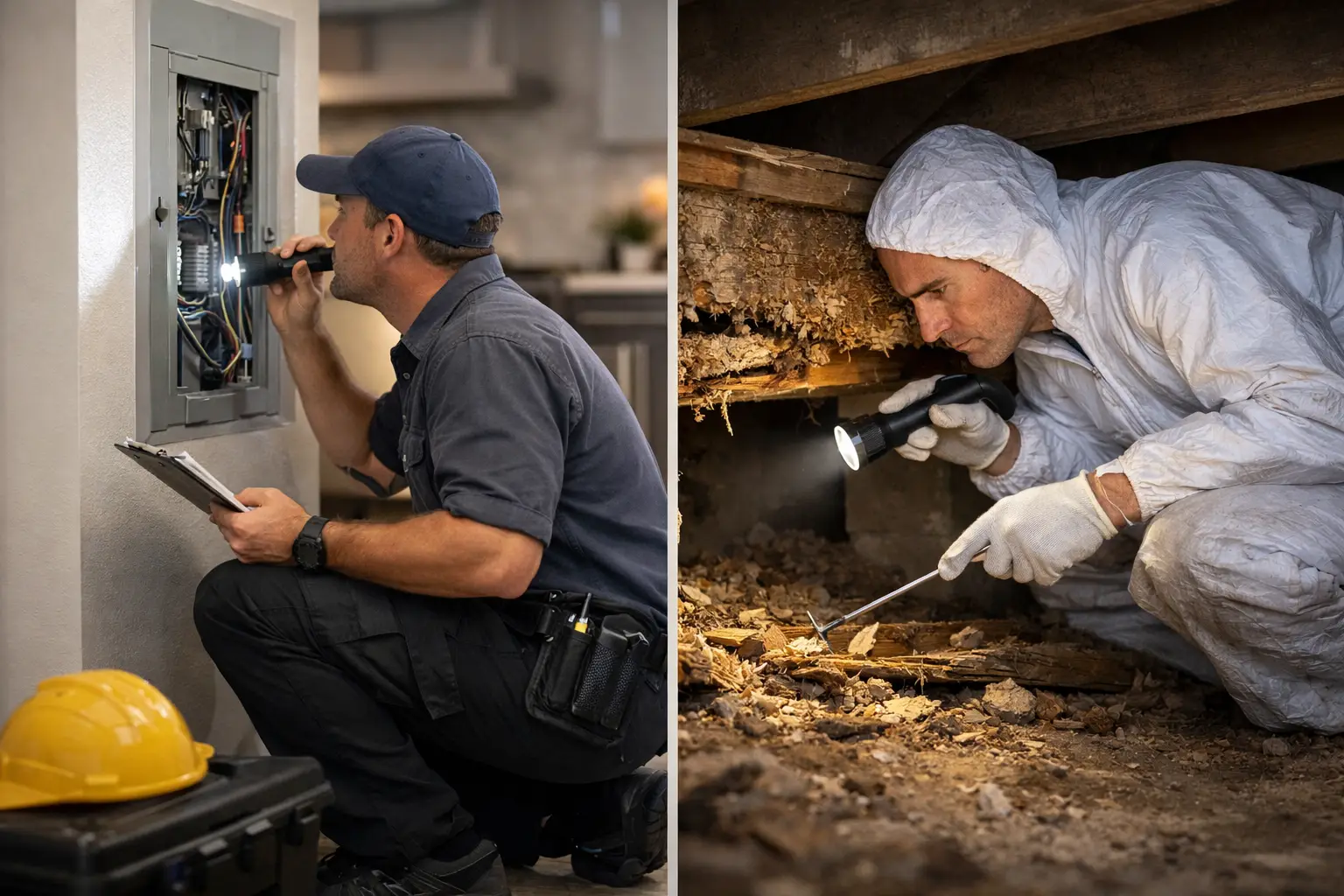
A general inspection is designed to evaluate the home as a system. The inspector looks at major components such as the roof, structure, electrical, plumbing, HVAC, interior, exterior, attic, and built-in appliances. The goal is to identify visible defects, safety concerns, deferred maintenance, and signs that a major system may need repair or replacement.
A termite inspection is much narrower and much more specialized. It is focused on signs of wood-destroying insects, including termites, and in some cases other wood-damaging pests depending on the inspection type and reporting standard. The inspector is looking for evidence such as mud tubes, damaged wood, insect activity, and conditions that make infestation more likely.
The simplest way to think about it is this: a general inspection asks, “How is the house performing overall?” A termite inspection asks, “Is wood damage or insect activity present, and is there evidence of a hidden pest problem?”
What a general home inspection usually covers
For most buyers, the general inspection is the foundation of due diligence. It helps you understand the condition of the home before you commit fully to the purchase. In the Houston area, where heat, humidity, heavy rain, shifting soils, and aging systems all affect homes differently, this broad view matters.
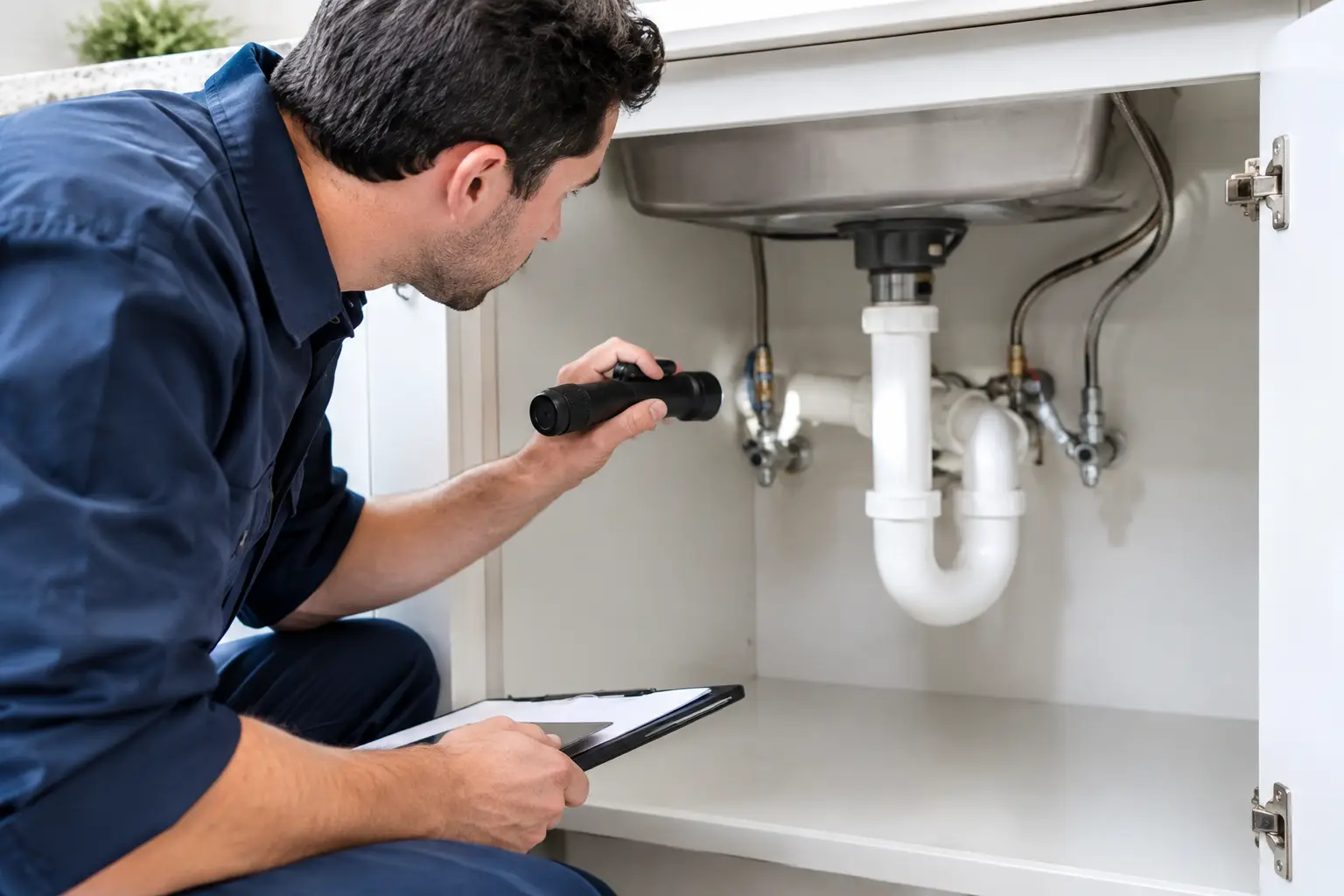
A general inspector typically evaluates the visible and accessible condition of the foundation, grading, roof coverings, attic, insulation, exterior cladding, doors, windows, garage, plumbing fixtures, water heater, electrical panels, outlets, HVAC equipment, and interior surfaces. They may also note signs of moisture intrusion, poor drainage, cracked masonry, unsafe wiring, or failing mechanical components.
This inspection is valuable because many expensive problems are not obvious during a showing. A home can look updated and still have an older air conditioner near the end of its service life, active roof leaks in the attic, or plumbing issues hidden behind walls.
What a general inspection does not do is guarantee that no termite or wood-destroying insect issue exists. An experienced home inspector may spot warning signs like damaged trim or suspicious wood conditions, but that is not the same as a dedicated termite inspection.
What a termite inspection usually covers
A termite inspection is centered on one major risk: wood destruction caused by pests. In Texas, subterranean termites are a serious concern because they can work quietly behind walls, under floors, and around the perimeter of a home for a long time before obvious damage appears.
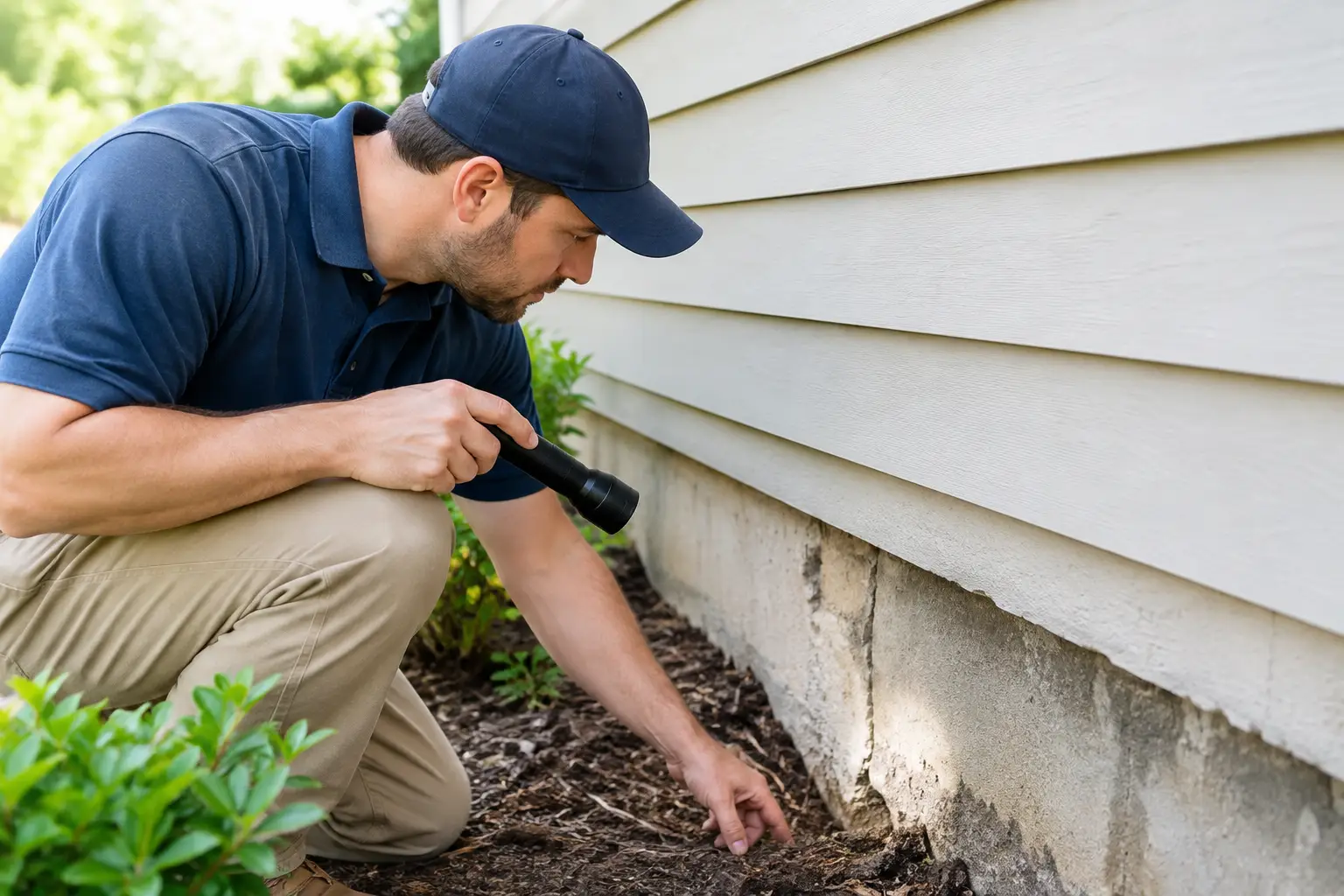
During a termite inspection, the inspector looks for active infestation, past damage, and visible evidence of conditions conducive to infestation. That can include mud tubes along the foundation, damaged or hollow-sounding wood, moisture issues, wood-to-soil contact, and areas where termite entry is more likely.
This inspection may also identify evidence of other wood-destroying insects, depending on the scope. That distinction matters, because not every wood-damaging issue is caused by termites. A buyer needs to know what was observed, what was inaccessible, and whether treatment or further evaluation is recommended.
A termite inspection is not just about finding bugs. It is about protecting the structural integrity of the home and avoiding repairs that can become extensive and expensive.
Where buyers get confused
The most common misunderstanding is assuming a general home inspection includes a full termite inspection by default. Sometimes buyers hear an inspector mention that they did not see visible termite evidence and think that settles it. It does not.
General inspections and termite inspections follow different scopes. A general inspector is assessing the property broadly. A termite inspector is trained and focused on a narrower risk category with its own signs, reporting language, and limitations.
Another point of confusion is damage versus activity. You can have visible wood damage from a previous infestation without current active termites. You can also have active termites with very little visible damage in the early stages. That is one reason a focused inspection is helpful. It separates guesswork from documented findings.
Why both inspections make sense for many Texas buyers
If you are buying a home in Greater Houston, Cypress, Katy, or surrounding communities, the safer approach is often to treat these inspections as complementary rather than optional substitutes.
A general inspection helps you understand the full condition of the property. It can reveal costly issues with roofing, drainage, electrical systems, HVAC performance, plumbing leaks, or structural movement. Those findings matter for negotiation, repair planning, and budgeting.
A termite inspection adds protection in an area where hidden damage can be easy to miss and expensive to correct. In warm, humid climates, pest-related risks are not theoretical. They are part of responsible due diligence.
This is especially true for older homes, homes with previous moisture issues, pier and beam construction, heavy landscaping near the foundation, or any property where wood is in frequent contact with soil or damp conditions. Even newer homes are not exempt if site conditions encourage termite activity.
General inspection vs termite inspection: which one do you need?
For most homebuyers, the honest answer is that it depends on the property, the contract, lender requirements, and your risk tolerance. But if you are looking for the most protective route, both inspections often provide the clearest picture.
If you can only choose one, a general inspection is usually the starting point because it covers the broadest range of major systems and defects. It gives you essential information about the home’s overall condition.
That said, skipping a termite inspection to save a little money can be shortsighted, especially in Texas. If termite damage is present, repairs may involve far more than replacing a few boards. Hidden structural wood damage, treatment costs, and follow-up repairs can change the economics of the purchase quickly.
For VA buyers and other buyers working within specific transaction requirements, termite inspections may also become more than a preference. They may be necessary depending on the loan, property condition, or contract terms.
What each inspection can and cannot tell you
No inspection sees everything. That is not a weakness of the process. It is simply the reality of evaluating a lived-in structure without opening walls or removing finishes.
A general inspection can identify visible defects and patterns that suggest larger concerns, but it is limited by accessibility and by the fact that it is not an invasive examination. A termite inspection can identify visible evidence of infestation or conducive conditions, but it also cannot see through every concealed area.
That is why detailed reporting matters. Clear photos, organized findings, and practical recommendations help buyers understand not just what was seen, but what the findings mean for next steps. When an inspection report is easy to read and easy to act on, it becomes a decision-making tool, not just paperwork.
How to make the inspection process work for you
The best inspection experience starts before the appointment. Ask what is included, what is considered an add-on service, and whether a wood-destroying insect inspection is separate from the general home inspection. That one question can prevent a lot of false assumptions.
It also helps to think about inspections in terms of financial protection rather than box-checking. You are not paying for a report just to satisfy a contract deadline. You are paying for better information before making one of the biggest purchases of your life.
A thorough company like CK Inspections helps buyers by organizing findings clearly, documenting issues visually, and staying available after the inspection when questions come up. That kind of support can make a stressful transaction feel more manageable, especially for first-time buyers who are sorting through repair concerns, credits, and closing timelines.
If you want to avoid costly surprises, do not treat general inspection vs termite inspection as an either-or question until you understand the risks of the specific home you are buying. The right choice is the one that gives you enough information to move forward with confidence, not crossed fingers.
A clean kitchen and a nice staging job never tell the whole story. Good inspections do.