
You get the inspection report back, open it, and suddenly the house that felt like a sure thing looks more complicated. That is exactly why a guide to negotiating after inspection matters. The goal is not to panic, pick a fight, or ask for every minor issue to be fixed. It is to use the inspection findings wisely so you can protect your money, avoid costly surprises, and make a confident decision before closing.
For most buyers, the inspection period is the first real stress test of the transaction. Photos, descriptions, and contractor-level concerns can make defects feel bigger than they are. At the same time, some issues really do deserve immediate attention because they affect safety, structure, major systems, or future repair costs. The difference between a smart negotiation and a weak one usually comes down to knowing what matters, what is typical, and what is worth pushing on.
What negotiating after inspection is really about
Inspection negotiations are not about trying to make an older home perfect. Every home, including well-maintained ones, will have defects, deferred maintenance, and age-related wear. A solid negotiation focuses on material issues that change the home’s value, livability, or risk profile.
In practical terms, buyers are usually trying to accomplish one of three things. They want the seller to make specific repairs before closing, they want a credit or price reduction so they can handle repairs themselves, or they want enough clarity to decide whether to move forward at all. Which path makes sense depends on the findings, the market, the contract, and how much control you want over the repair work.
That is why the strongest approach is usually selective, not emotional. If you hand over a long list filled with loose doorknobs, worn caulk, and minor cosmetic flaws, you weaken the impact of the items that actually matter.
A practical guide to negotiating after inspection
Start by separating the report into categories. Safety issues come first, especially problems involving electrical hazards, active leaks, gas concerns, trip hazards, missing safety devices, or conditions that could create immediate harm. Next are major components such as the roof, foundation, HVAC, plumbing, and electrical system. After that come moisture concerns, drainage problems, wood-destroying insect damage, and anything that suggests hidden deterioration. Cosmetic items should usually stay in the background unless they point to a bigger defect.
This step matters because sellers, agents, and lenders often respond differently based on the seriousness of the issues. A loose cabinet hinge is not negotiated the same way as a failing sewer line or a roof near the end of its service life.
Once the findings are organized, read the report carefully and look for language that explains severity. Some items are maintenance recommendations. Others are defects. Some need monitoring, and some need prompt evaluation or repair. A detailed report with photos helps you understand the difference, which is one reason buyers benefit from working with an inspection company that documents findings clearly and supports them after the inspection.
Then think about cost, but be realistic. Not every issue needs a formal contractor bid before you respond, though larger defects often do. If the inspector identified a significant concern with the foundation, roof, HVAC, plumbing drain lines, or electrical panel, getting pricing or further evaluation can strengthen your position. It also keeps you from asking for a random number that has no support behind it.
What buyers should ask for after a home inspection
There is no single best request in every deal. Sometimes a seller repair makes sense, especially when the issue is straightforward and time-sensitive. Other times, a credit is the better move because it lets you control the quality of the work after closing.
Repairs can be helpful when lender requirements are involved or when the issue affects occupancy or safety. But seller-completed repairs come with trade-offs. The seller will often choose the lowest-cost fix, and there may be little time to verify workmanship before closing. If you are dealing with a complex issue, a credit may give you more protection because you can choose your own licensed contractor and set your own standard for the work.
Price reductions can also work, though they affect the transaction differently than closing cost credits. In some cases, a credit is more useful to a cash-conscious buyer because it reduces out-of-pocket expenses at closing. In others, a price cut may be the cleaner option. Your agent can help you match the request to the contract and financing structure.
The key is to ask for solutions that fit the problem. A seller is more likely to respond reasonably to a focused request tied to documented defects than to a broad demand that reads like a renovation wish list.
How to make your request stronger
Keep the tone professional and direct. The most effective repair amendment or inspection response is specific. Identify the defect, reference the report, and state what you want. If pricing is available, include it. If a licensed specialist needs to evaluate the condition further, say that clearly.
It also helps to prioritize. If there are ten issues in the report but only three are serious, lead with those three. You can mention the others, but do not let minor items distract from major concerns. This protects your credibility and signals that you are approaching the transaction reasonably.
Timing matters too. Most contracts give buyers a limited option period or inspection window. Waiting until the last minute can reduce your leverage and create unnecessary pressure. Review the report quickly, ask follow-up questions, and work with your agent to prepare a response while you still have room to negotiate.
If you are in a competitive market like much of the Houston area, strategy matters even more. Sellers may be less willing to absorb every repair request when backup buyers are available. That does not mean you should ignore serious defects. It means your request should be grounded, defensible, and focused on the items that truly affect your risk.
When to push hard and when to let it go
The best guide to negotiating after inspection includes a simple truth: not every defect deserves a showdown. Normal wear and tear, aging finishes, hairline cosmetic cracks, and small maintenance items are common in resale homes. If the house is priced appropriately and the major systems are in acceptable condition, asking for too much can hurt the deal without meaningfully helping you.
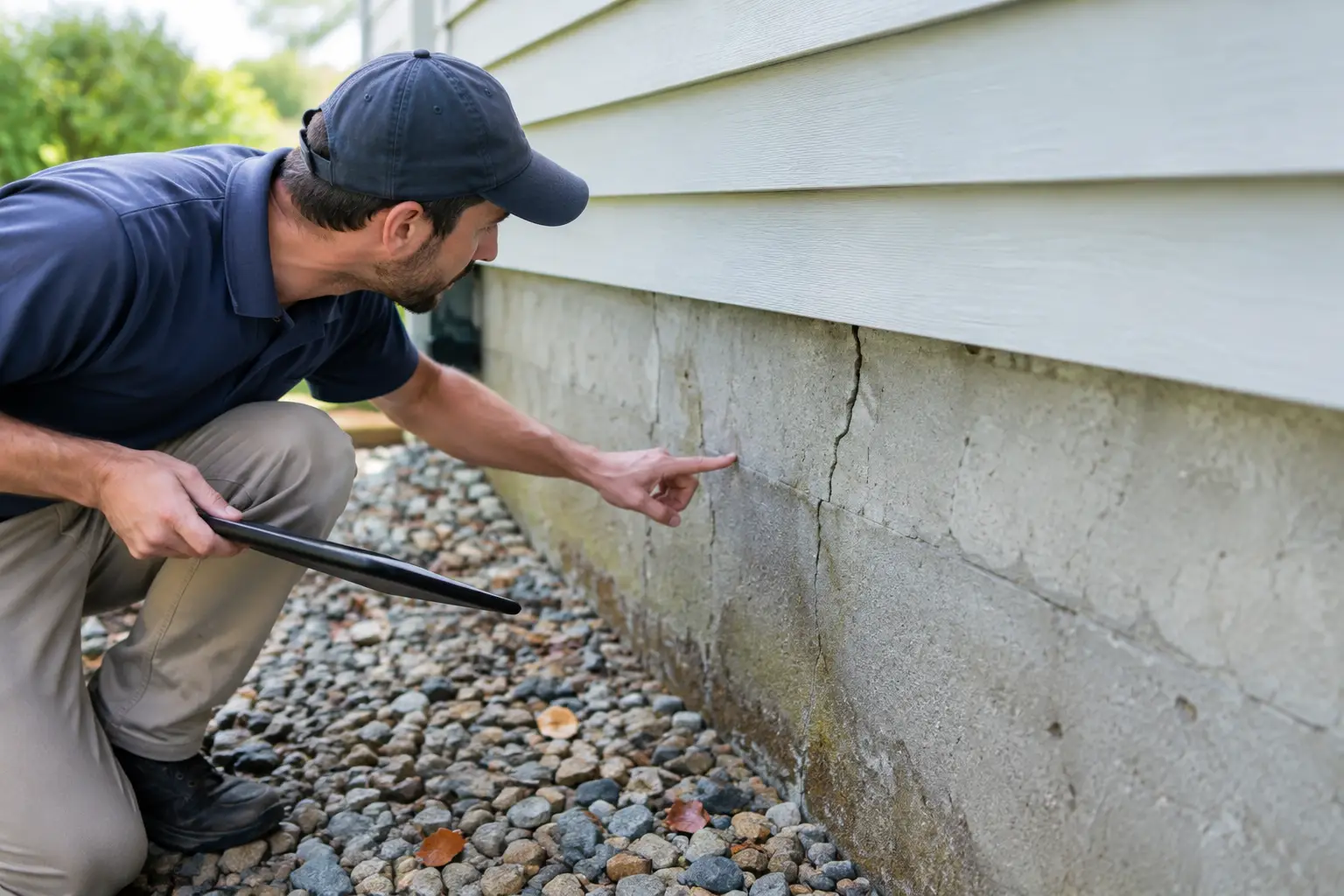
On the other hand, you should take major red flags seriously. Foundation movement beyond normal settling, active roof leaks, unsafe wiring, sewer line failures, widespread moisture intrusion, HVAC systems that are not functioning properly, and evidence of substantial wood damage can quickly turn into expensive ownership problems. Those are the moments to negotiate firmly because they affect both cost and peace of mind.
There is also a middle ground. Sometimes the findings are not catastrophic, but they point to future expense. An older water heater, an aging air conditioner, or roof materials nearing the end of service life may still be functioning at the time of inspection. In those cases, a seller may resist full replacement, but a partial credit or price adjustment may still be reasonable.
Why the inspection report itself makes a difference
A vague report makes negotiation harder. A report that is organized, visual, and clear gives buyers a much stronger footing. Sellers are more likely to respond to documented conditions they can see and understand. Agents can prepare better repair requests. Buyers can make decisions faster.
That is part of what makes a professional inspection valuable beyond the appointment itself. Strong post-inspection support helps buyers sort through what is urgent, what is typical, and what deserves further evaluation. Companies like CK Inspections build that peace of mind into the process by giving clients detailed findings they can actually use, not just a stack of technical notes.
The decision that matters most
Sometimes negotiation leads to a fair compromise. Sometimes the seller agrees to enough that the path forward feels clear. Sometimes the numbers no longer work, and walking away is the smartest financial move.
That is not a failed inspection. That is the inspection doing its job.
A house can still be the right house after defects are found, but only if you understand the true condition, the likely cost, and the level of risk you are willing to accept. Good negotiation is not about winning every line item. It is about making sure you do not buy blind.
If the report reveals serious issues, ask for what protects you. If the concerns are manageable, keep perspective. And if the answers are not good enough, trust the information in front of you. Peace of mind is worth more than forcing a deal across the finish line.