A house can look spotless during a showing and still hide expensive problems behind the walls, under the roof, or beneath the slab. That is why a complete home inspection guide matters before you commit to one of the biggest purchases of your life. If you are buying in Houston, Cypress, Katy, or nearby Texas communities, the right inspection helps you avoid costly surprises and move forward with real confidence.
What a complete home inspection guide should help you understand
A good inspection is not just a box to check before closing. It is a practical, risk-reducing step that gives you a clearer picture of the home’s current condition. The goal is not to decide whether a house is perfect. Very few are. The goal is to identify material defects, deferred maintenance, safety concerns, and systems that may need repair or replacement soon.
That distinction matters, especially for first-time buyers. An inspection does not guarantee future performance, and it is not a code compliance certification or a warranty. It is a professional visual evaluation of accessible systems and components on the day of the inspection. When that evaluation is done thoroughly and reported clearly, it becomes one of the most useful decision-making tools in the transaction.
What a home inspector typically examines
The scope of a standard residential inspection is broad because homes are complex. Major systems work together, and a weakness in one area often affects another. A roof leak can damage framing and insulation. Poor grading can lead to foundation movement. An aging HVAC system can create comfort issues and future budget strain.
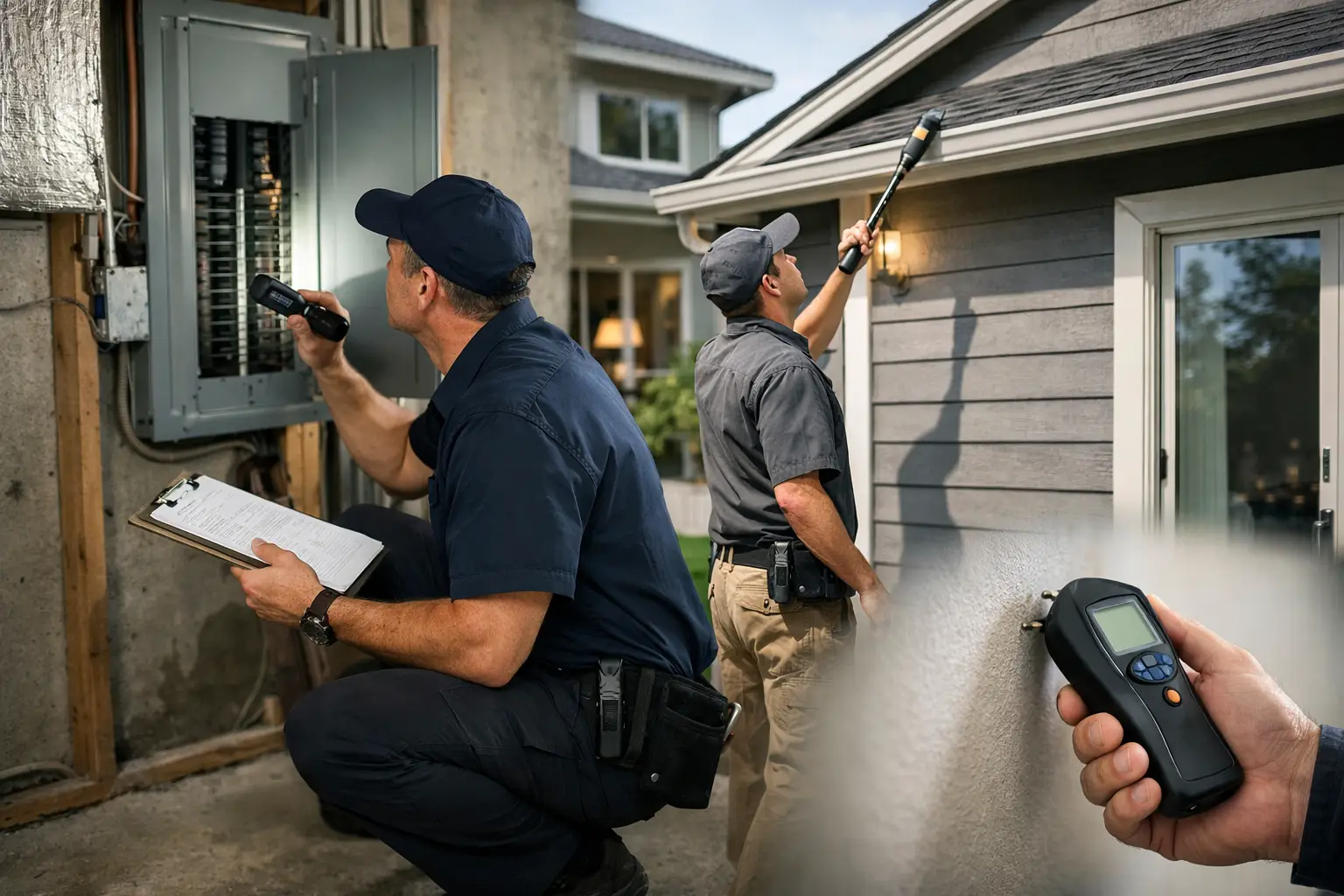
A typical inspection includes the structure, roofing, attic, exterior, interior, doors and windows, electrical system, plumbing system, HVAC equipment, built-in appliances, insulation, and visible drainage conditions around the home. Inspectors are looking for active defects, signs of past problems, installation concerns, and conditions that deserve further review.
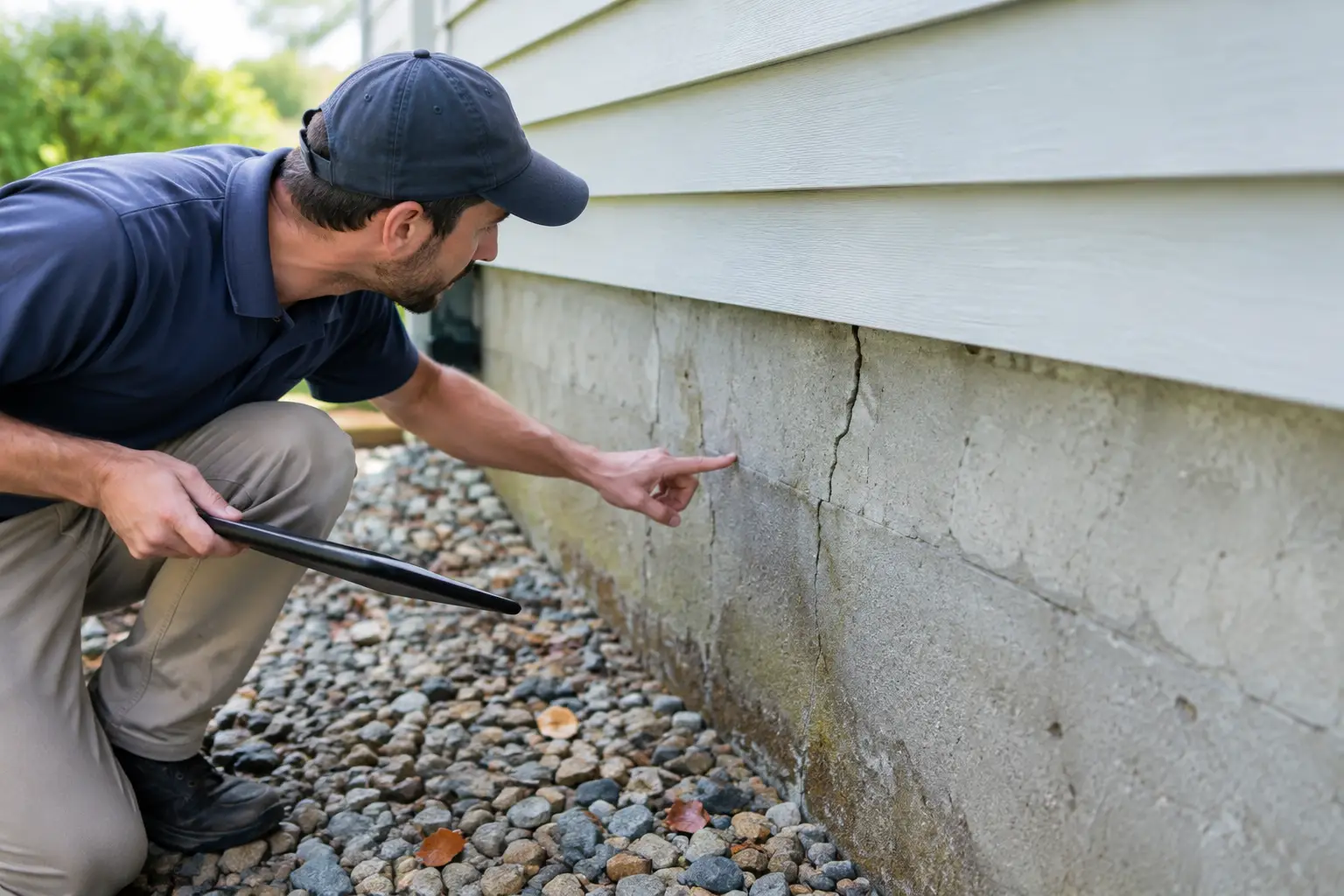
Structural observations usually focus on visible signs such as foundation movement, cracks, sloping floors, misaligned doors, or framing concerns. In Texas, where expansive soils and shifting conditions can affect foundations, these observations are especially important. Not every crack means a major structural problem, but some patterns deserve closer attention.
Roof inspections often reveal issues buyers would never spot from the ground. Missing shingles, flashing defects, ponding, damaged vents, and signs of previous repairs can all affect the remaining life of the roof system. In storm-prone areas, wear from wind and weather can be a real factor even when the roof still looks acceptable from the street.
Electrical inspections look at service panels, visible wiring, outlets, grounding, bonding, and safety devices such as GFCI and AFCI protection where applicable. Older homes may have outdated components, amateur modifications, or overloaded circuits. These issues are not just inconvenient. Some can create fire or shock hazards.
Plumbing inspections typically include visible supply lines, drain lines, fixtures, water heaters, and functional drainage. Leaks, corrosion, improper repairs, water pressure issues, and aging water heaters are common findings. Sometimes the visible plumbing looks fine while hidden drain issues tell a different story, which is why add-on services can be valuable.
HVAC inspections focus on visible condition and basic operation of heating and cooling equipment. In Texas heat, air conditioning is not a luxury. It is essential. A unit that cools during a mild inspection day may still show signs of age, deferred maintenance, or limited remaining service life.
What is not always included in a standard inspection
One of the most useful parts of any complete home inspection guide is knowing where the limits are. Standard inspections are comprehensive, but they are not limitless. Inspectors do not open sealed walls, move heavy furniture, predict exactly when a component will fail, or inspect areas that are inaccessible or unsafe.
That is also why specialized add-ons can be worth the investment. A wood-destroying insect inspection may uncover termite activity or damage that is not obvious during a general inspection. A sewer line camera inspection can identify root intrusion, cracks, offsets, or blockages in a buried line that would otherwise stay hidden until a backup happens. Thermal imaging can help detect temperature anomalies that suggest moisture intrusion, missing insulation, or electrical hot spots. If the property has a pool or spa, that system deserves its own evaluation as well.
These services are not necessary for every property in every situation. It depends on the age of the home, the property features, the visible clues, and your tolerance for risk. But when hidden problems can turn into four-figure or five-figure repairs, targeted add-ons often make financial sense.
Common problems buyers uncover
Most inspection reports include a mix of minor maintenance items and more significant concerns. That is normal. Even well-kept homes develop issues over time. What matters is understanding which findings affect safety, function, and future cost.
In Texas homes, common concerns include roof wear, drainage problems near the foundation, HVAC performance issues, plumbing leaks, older water heaters, electrical defects, and failed window seals. You may also see signs of previous patchwork repairs that solved the symptom but not the source. For example, fresh paint around a ceiling stain does not tell you whether the leak was actually fixed.
Some findings are deal-breakers for certain buyers. Others are negotiation points. A worn roof near the end of its life may be manageable if the price reflects that reality. A major foundation concern or active sewer line defect may change the entire equation. This is where a clear report and post-inspection conversation become so important.
How to read the report without getting overwhelmed
A detailed report can feel intimidating at first, especially if this is your first home purchase. The key is to avoid treating every item as equally serious. A missing doorstop is not in the same category as a double-tapped breaker, a plumbing leak, or evidence of structural movement.
Start by focusing on major defects, safety hazards, water intrusion concerns, and systems that may require near-term replacement. Then look at the cumulative cost of smaller issues. Ten minor repairs can still become a meaningful expense if you need to handle them right away.
Photos and organized findings make this process much easier. When the report clearly shows where the issue is, what was observed, and why it matters, you can have a more productive conversation with your agent, specialists, and the seller. This is one reason many buyers prefer inspection companies that prioritize modern reporting and visual documentation. Clear communication protects you from guessing.
What happens after the inspection
The inspection itself is only part of the value. What you do next is where the information starts working for you.
Sometimes the right move is to proceed as planned because the issues are expected for the age and price point of the home. Sometimes it makes sense to ask for repairs, request credits, renegotiate price, or bring in specialists for further evaluation. In a few cases, walking away is the smartest financial decision you can make.
There is no one-size-fits-all answer. Market conditions matter. So does your budget, your repair tolerance, and how competitive the transaction is. In a fast-moving market, buyers sometimes feel pressure to overlook defects. That can be expensive later. A calm, informed review of the findings helps you decide based on facts instead of momentum.
This is also where post-inspection support matters. If your inspector is available to answer questions after the report is delivered, the process becomes less stressful and more useful. Buyers should not be left sorting through technical findings on their own.
Choosing the right inspector matters
Not all inspections deliver the same level of protection. A rushed walkthrough with vague comments is very different from a thorough evaluation backed by detailed reporting, strong visuals, and practical explanations. You want an inspector who is methodical, clear, and focused on helping you understand risk before closing.
For many buyers, especially in the Houston area, that means choosing a company that examines major systems carefully and offers relevant add-on services when they make sense. It also means choosing someone who communicates in plain language and helps you separate routine maintenance from costly surprises. That consumer-protective approach is exactly why many buyers turn to CK Inspections.
A home does not need to be flawless to be a good purchase. But you deserve to know what you are buying, what needs attention, and what could affect your budget after move-in. The right inspection gives you that clarity, and clarity is what helps you buy with confidence instead of hope.