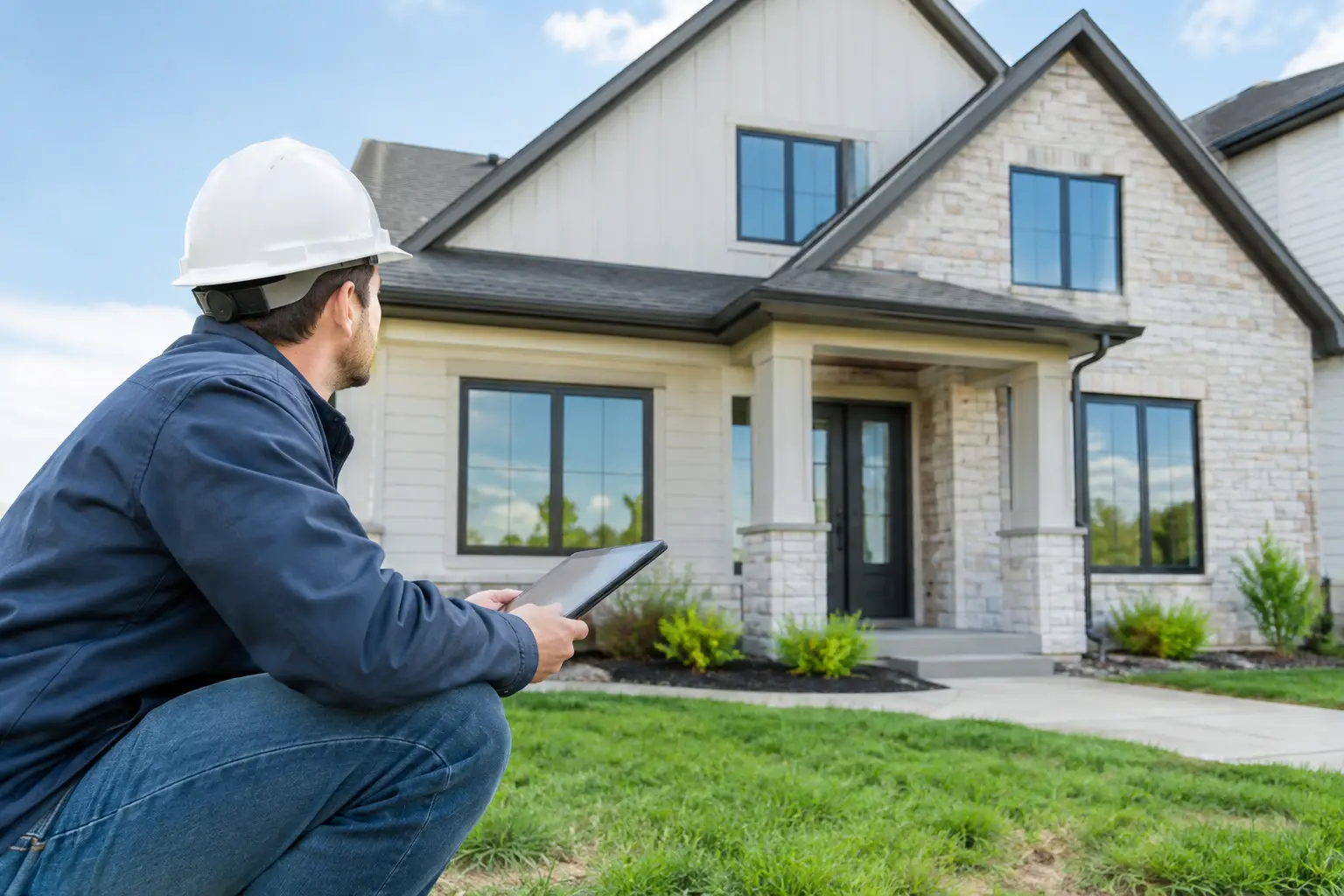
A home can look perfect during a showing and still hide expensive problems behind walls, under floors, or above ceilings. That is exactly why buyers ask how to prepare for home inspection before they get too far into the contract. The right preparation does not mean trying to predict every issue. It means showing up informed, asking better questions, and knowing how to use the inspection to protect your investment.
For buyers in Houston, Cypress, Katy, and surrounding Texas communities, that preparation matters even more. Heat, humidity, shifting soils, older plumbing materials, aging roofs, drainage concerns, and hard-working HVAC systems can all affect a home in ways that are not obvious during a quick walkthrough. A thorough inspection helps you avoid costly surprises, but you get the most value from it when you treat it as more than a box to check.
How to Prepare for Home Inspection Before the Appointment
Start with the contract timeline. Inspection periods are often short, and waiting too long can leave you rushed when it is time to review findings, request repairs, or decide whether to move forward. As soon as you are under contract, schedule the inspection and confirm what is included.
This is also the time to think about add-on services. A standard home inspection covers the major systems and components of the house, but some properties call for a closer look. If the home is older, has cast iron or questionable sewer history, a sewer line camera inspection may be worth adding. If there is a pool or spa, that system should be evaluated separately. If termites or other wood-destroying insects are a concern, ask for that inspection upfront rather than after the general inspection turns up suspicious damage.
Preparation also means gathering context. Review the seller disclosure before the inspection if you have it. Look for past foundation repairs, roof replacements, plumbing leaks, electrical updates, HVAC age, or recurring drainage issues. The goal is not to assume the disclosure tells the whole story. It is to walk into the inspection with a sharper eye and more focused questions.
If you have already toured the home, make a short list of anything that stood out. Maybe a bedroom felt warmer than the rest of the house. Maybe you noticed cracks above doors, slow drains, a patched ceiling, or windows that were hard to open. Small observations can help guide the inspection conversation.
What Buyers Should Bring and Ask
You do not need a toolkit. You need the right mindset. Bring your phone, a way to take notes, and a copy of the seller disclosure or listing information if helpful. Wear shoes that are practical if you may be walking around the exterior, garage, or yard.
More important, bring questions. A good inspection is not just a report delivery. It is a chance to understand the home’s condition in plain language. Ask which issues are routine maintenance, which are defects, and which ones may need prompt attention. That distinction matters. Every house has wear and tear. Not every finding should trigger alarm.
A few practical questions can make the inspection far more useful. Ask which systems appear near the end of their service life. Ask whether any findings suggest a need for a specialist, such as a roofer, electrician, plumber, or structural engineer. Ask which items are likely to affect safety, function, or insurance. And ask what should be addressed first if you end up buying the home.
For first-time buyers, this can feel like a lot at once. That is normal. A trustworthy inspector helps you separate serious concerns from manageable ownership tasks so you can make a confident decision without feeling buried in technical details.
Should You Attend the Inspection?
In most cases, yes. If your schedule allows it, attending at least part of the inspection is helpful. You get to see issues in real time, hear the explanation behind the photos, and ask follow-up questions while everything is fresh.
That said, attending is not the same as hovering. Inspectors need room to work through the home systematically. The best approach is usually to arrive for the final portion or coordinate with the inspector on when questions will be most useful. If you cannot attend, the report becomes even more important, especially when it includes clear visuals, organized findings, and post-inspection support.
How Sellers Can Help the Process
Even though buyers usually ask how to prepare for home inspection, sellers affect the process too. If utilities are off, attic access is blocked, electrical panels are inaccessible, or locked rooms cannot be entered, the inspection may be limited. That can create delays, reinspection fees, or unanswered questions at a point when time matters.
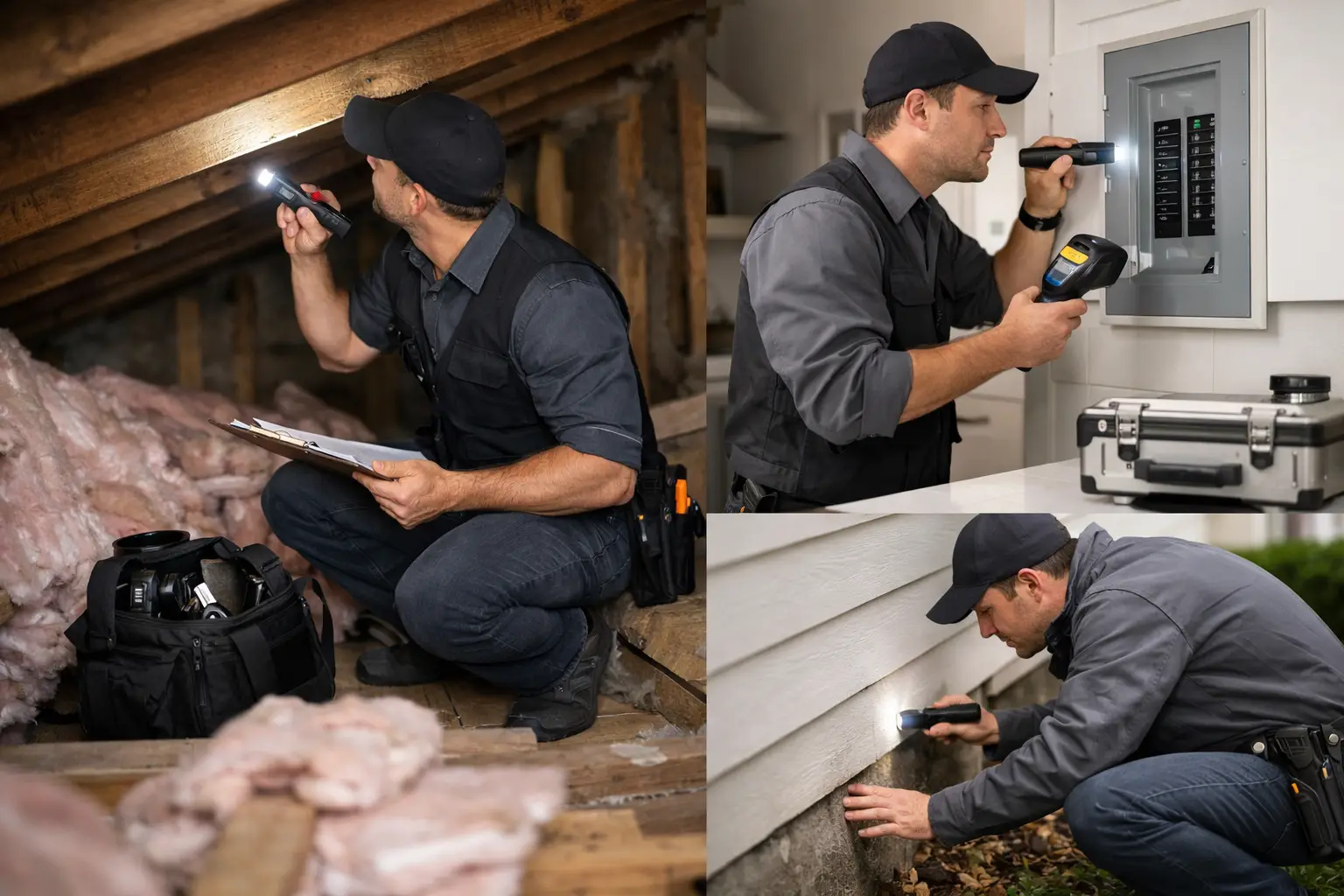
If you are the buyer, ask your agent to confirm that the home will be ready. Water, electricity, and gas should be on. Access should be available to the attic, garage, HVAC equipment, water heater, electrical panel, and crawlspace if present. Pets should be secured. If the seller has receipts or documentation for major repairs or replacements, those records can be useful context.
This does not guarantee a problem-free report. It simply allows the inspector to fully evaluate the home without preventable obstacles.
What Not to Do Before a Home Inspection
The biggest mistake is treating the inspection like a pass-or-fail test. Homes do not earn perfect scores. Even well-maintained properties usually have defects, deferred maintenance, or aging components. If you expect a clean report, you may overreact to normal findings and miss the real purpose of the inspection.
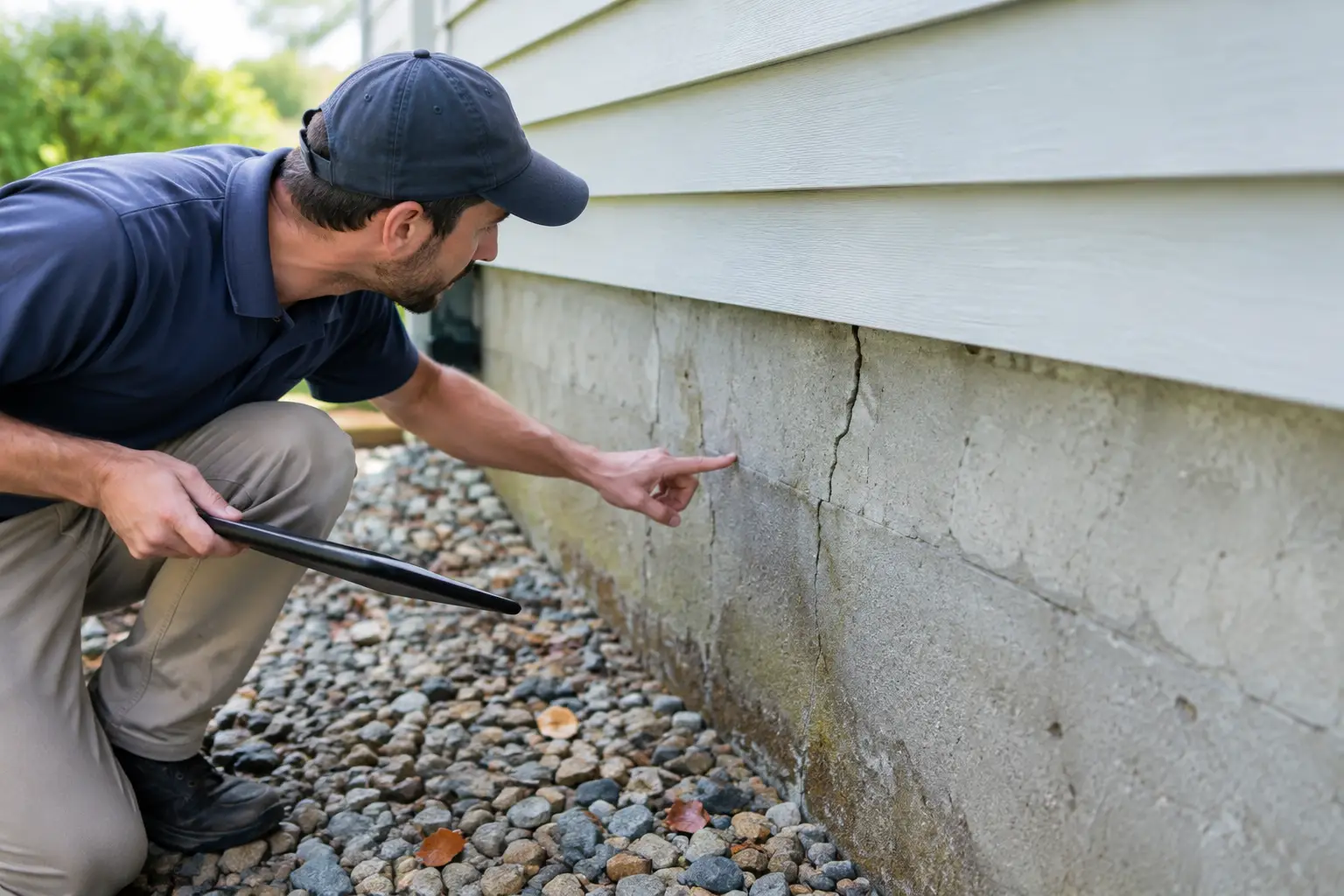
Another mistake is focusing only on cosmetic issues. Chipped paint and loose trim are easy to see. Foundation movement, drainage concerns, unsafe wiring, improper repairs, failing HVAC performance, or hidden moisture are where the real financial risk often lives. A protective inspection process keeps your attention on what actually affects safety, function, and future cost.
It is also a mistake to rely only on the agent’s opinion or the seller’s disclosure without independent evaluation. Those pieces of information can help, but they are not substitutes for a thorough inspection. Buying a home is too significant a financial decision to make blind.
How to Read the Report Without Getting Overwhelmed
A detailed inspection report can be long, especially for older homes. That does not automatically mean the house is a bad purchase. It usually means the report is doing its job.
Start with the big picture. Look first for structural concerns, roof issues, moisture intrusion, electrical hazards, plumbing defects, HVAC performance problems, and anything that may create a safety issue. After that, look at items that are aging or likely to require near-term replacement. Cosmetic and minor maintenance items belong lower on the list.
This is where organized reporting matters. Clear photos, plain-language summaries, and categorized findings make it easier to decide what deserves negotiation, what should be budgeted for later, and what comes with normal homeownership. If your inspector offers post-inspection support, use it. A short follow-up conversation can prevent a lot of confusion.
Using the Inspection to Make a Smart Decision
The point of preparation is not to find reasons to kill the deal. It is to understand the true condition of the property before closing. Sometimes the inspection confirms that the home is in solid shape. Sometimes it reveals repairs worth negotiating. Sometimes it shows that the house needs more work than the price or your risk tolerance justifies.
There is no single right outcome. It depends on the age of the home, the market, your budget, and how much repair work you are willing to take on. A newer home may still have significant defects. An older home may have plenty of manageable findings but still be a strong purchase if the major systems are sound. The inspection gives you leverage, clarity, and a chance to move forward with open eyes.
That is why preparation matters. When you schedule early, choose any needed add-on services, review disclosures, attend if possible, and ask practical questions, the inspection becomes far more than a report. It becomes one of the best tools you have to avoid unexpected repair costs and buy with confidence. If you want that process handled with care and clear communication, CK Inspections is built to help buyers get the answers they need before closing. A careful buyer is not being picky. A careful buyer is protecting their future home, their budget, and their peace of mind.