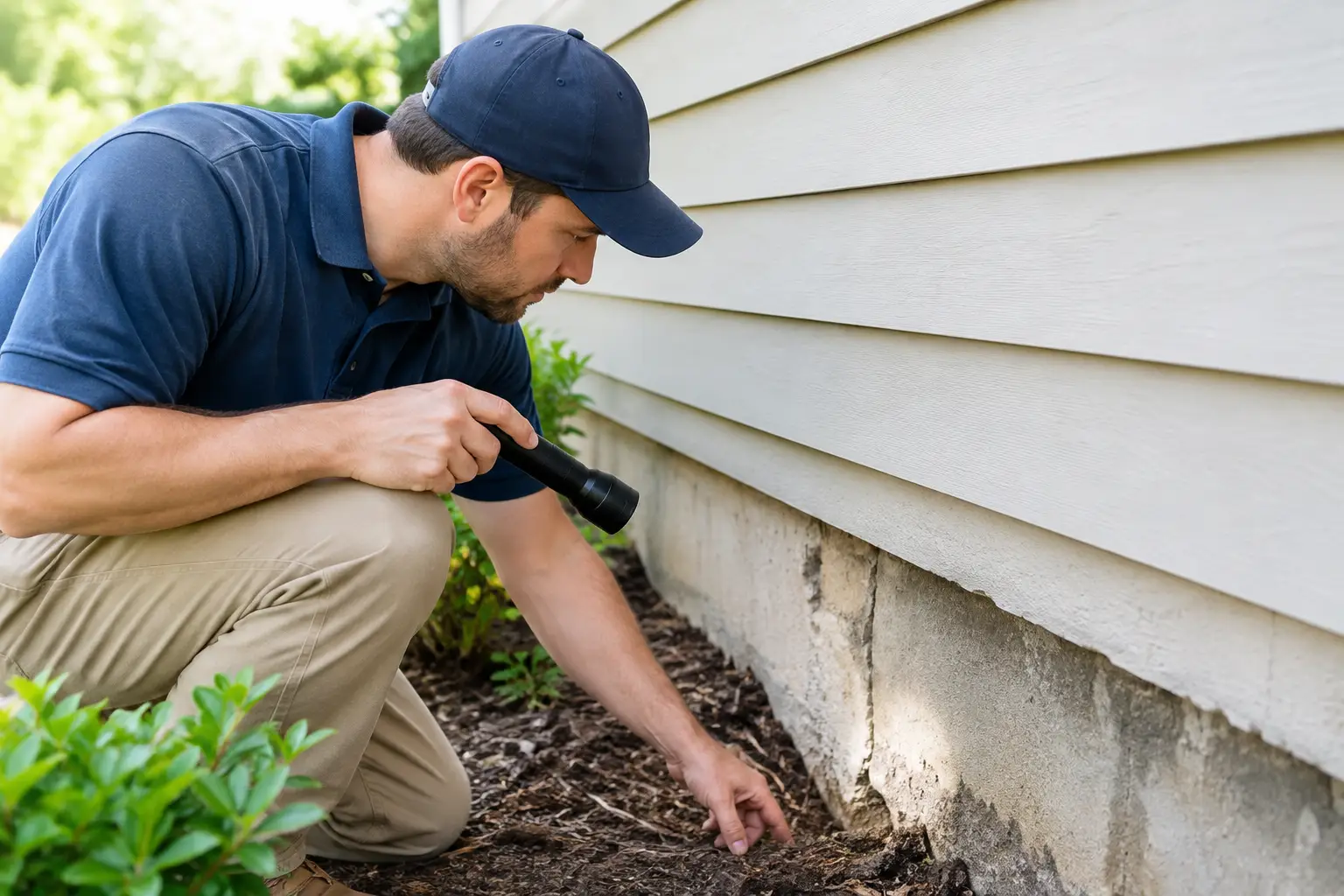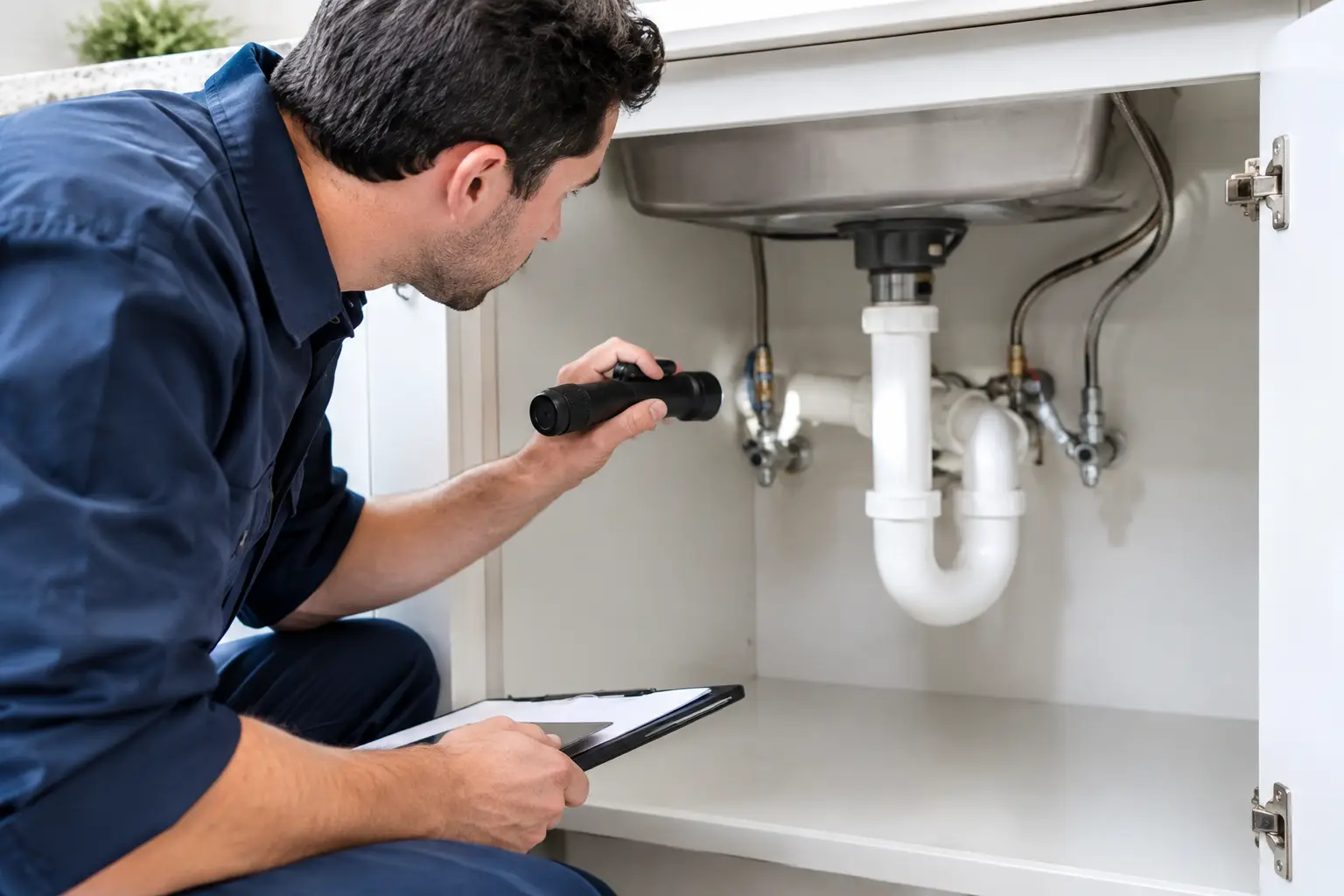
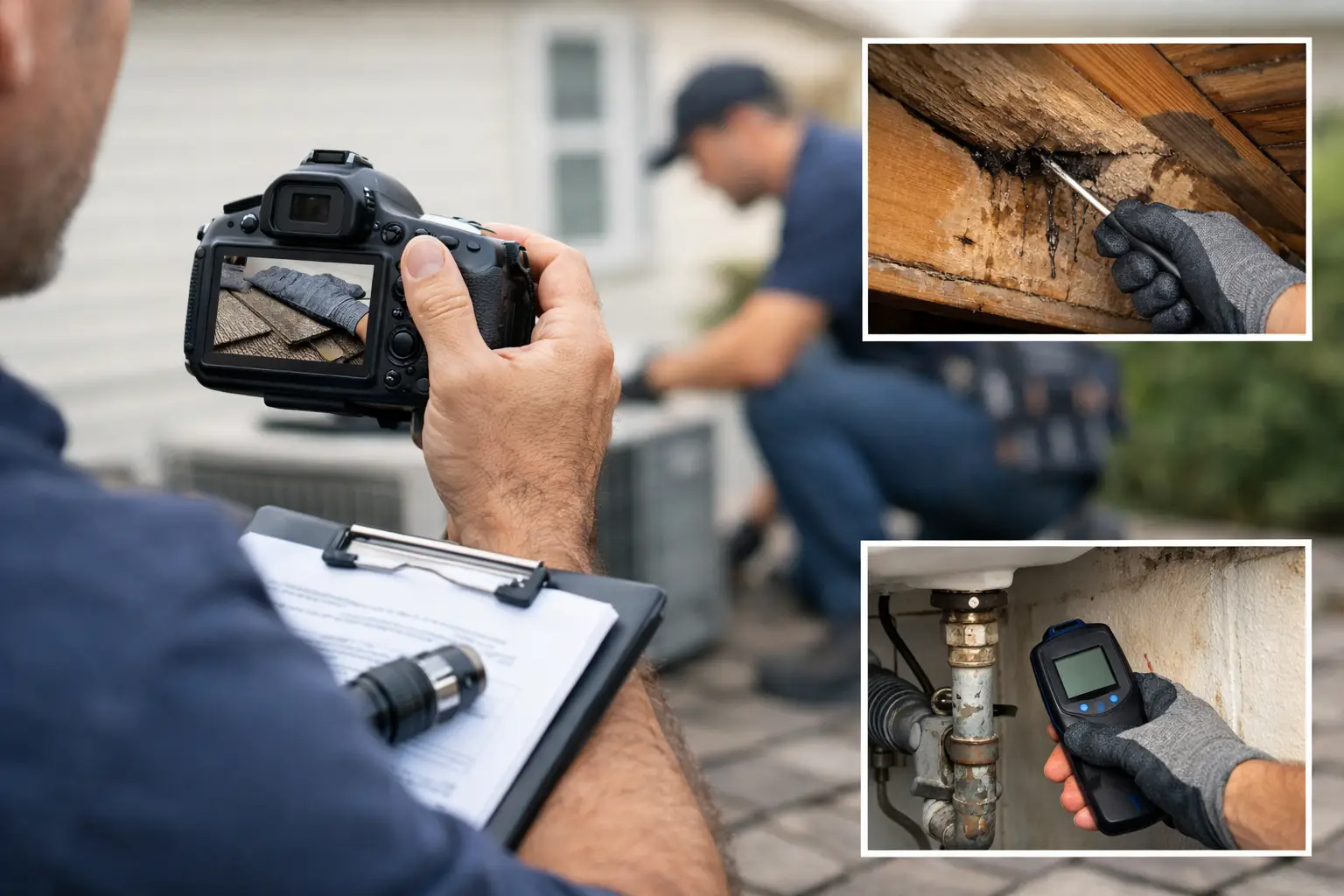
A written finding can tell you that a roof covering is damaged or that moisture is present beneath a sink. Home inspection report photos show you what the inspector saw, where the concern is located, and why it deserves attention before you commit to the purchase. For a buyer facing a major decision, that visual proof can make the difference between guessing and negotiating from a position of clarity.
Buying a home in Houston, Cypress, Katy, or a nearby community means looking beyond fresh paint and staged furniture. Heat, humidity, expansive soils, heavy rain, aging drainage systems, and deferred maintenance can all affect a property in ways that are not obvious during a showing. A detailed report with useful photos helps bring those conditions into focus.
Why Home Inspection Report Photos Matter
Photos are not decoration in an inspection report. They are documentation. They connect the inspector’s professional observation to a visible condition at the property, making the report easier to understand for buyers, agents, sellers, and repair professionals.
A strong photo can clarify whether a finding is cosmetic, a maintenance concern, or a condition that may require prompt evaluation or repair. For example, a photo of staining at a ceiling does not prove an active roof leak by itself, but it shows the location and extent of visible evidence. Combined with the inspector’s notes, it gives the buyer a practical starting point for asking the right questions.
Visual documentation is especially valuable when you cannot remember every detail from the inspection. Most buyers are processing a lot in a few hours: room layouts, appliance locations, conversations with their agent, and the excitement or pressure of a pending purchase. Later, when you review the report at home, photos help you reconnect each finding to the house you toured.
They also help keep repair conversations specific. “Please address the electrical issue” is vague. A report image that identifies an open junction box in the attic, paired with a clear written recommendation, gives everyone a clearer basis for discussion.
What Helpful Inspection Photos Should Show
The best inspection photos do more than capture a problem. They provide enough context to make the finding understandable. That usually means a wider image showing the area, followed by a closer image of the specific condition when appropriate.
For exterior concerns, the photo may show a section of siding, the roof edge, a window, or the foundation area where the issue was observed. For interior findings, it may identify the room, fixture, cabinet, electrical panel, HVAC equipment, or accessible attic location. The goal is not artistic photography. The goal is useful evidence that helps you locate and understand the concern.
At CK Inspections, visual documentation is part of making complex conditions more manageable for buyers. A report should not leave you wondering what an inspector meant by “damaged,” “improper,” or “further evaluation recommended.” The written explanation and photo should work together.
Common findings photos can clarify
Photos can be particularly helpful for visible roof damage, missing or deteriorated sealant, exterior wood rot, cracks or movement indicators, drainage concerns, exposed wiring, plumbing leaks, corroded components, HVAC installation issues, and moisture staining.
They are also useful for documenting conditions inside areas buyers may not spend much time inspecting themselves, such as attics, crawlspaces, electrical panels, roof surfaces, mechanical closets, and under-sink plumbing. These are often the places where small defects can turn into expensive surprises if they are overlooked.
That said, photos have limits. A picture of a cracked slab cannot determine the full cause, movement history, or repair scope. A thermal image can point to a temperature difference, but it does not diagnose every moisture or insulation issue on its own. When a concern needs a specialist, the report should say so clearly rather than overstate what a photograph can prove.
How to Read Photos in Your Inspection Report
Start with the written finding, not the image alone. The narrative should explain what the inspector observed, why it may matter, and what action is recommended. The photo then supports that explanation.
Pay close attention to the report’s priority labels or categories. Safety concerns, active leaks, major functional defects, and conditions with potential for additional damage usually deserve faster action than routine maintenance items. This does not mean every flagged issue should end the transaction. It means you should understand the risk, likely next step, and timing before your option period or inspection contingency ends.
When reviewing photos, ask practical questions. Is the issue isolated or visible in several locations? Does the image show fresh staining, deterioration, damage, or an installation concern? Is the item easy to access and repair, or is it tied to a larger system such as the roof, foundation, sewer line, or HVAC equipment?
A photo may also help you distinguish between a repair request and a future maintenance task. A loose handrail, an uncovered electrical opening, or a leaking pipe connection may be a reasonable item to address before closing. A worn but functioning component near the end of its expected service life may require budgeting and planning instead. The right choice depends on the home’s overall condition, the purchase price, your available funds, and the advice of qualified professionals.
Photos Make Repair Requests More Precise
Real estate negotiations move quickly, and unclear repair requests can create unnecessary friction. Photos help agents and buyers identify the exact conditions they are discussing without relying on memory or broad descriptions.
A visual report can support a focused repair request that separates meaningful defects from normal wear. That matters because asking for every minor item can distract from issues that affect safety, function, or the home’s potential repair costs. A better approach is to review the report carefully, discuss priorities with your agent, and request appropriate documentation when repairs are completed.
For larger concerns, a report photo can also help you decide whether to bring in a specialist before moving forward. If the report documents evidence of foundation movement, roof damage, sewer line concerns, or an HVAC system that is not operating properly, further evaluation may give you a more accurate repair scope. An inspection is designed to identify visible and accessible conditions, not replace every specialized evaluation.
Why Houston-Area Buyers Need the Full Visual Story
Texas homes face conditions that make clear documentation particularly valuable. Heavy rainfall can expose drainage weaknesses. High humidity can contribute to moisture-related concerns. Long cooling seasons place substantial demand on air conditioning systems. Clay soils can expand and contract, which is why foundation-related observations need thoughtful interpretation rather than quick assumptions.
A photo-rich report lets you see the visible evidence behind those observations. If water appears to be collecting near the foundation, you can review the grading, gutter discharge, or drainage pattern shown in the report. If an attic contains staining or damaged insulation, the photo helps establish the location for a roofing contractor or other qualified professional to review.
For older homes, photos are useful for documenting aging materials and past repairs. For newer homes, they can reveal installation defects, incomplete work, or conditions that should not be dismissed simply because the property is recently built. New construction can have defects too, and a clean-looking home is not automatically a problem-free home.
What Good Photos Cannot Replace
Even the clearest images cannot replace a thorough inspection, a careful report narrative, or a conversation with your inspector. They also cannot guarantee that no hidden issues exist behind walls, below floors, underground, or inside components that cannot be safely accessed during the inspection.
This is where add-on services may matter. Thermal imaging can provide additional clues in certain situations. A sewer line camera inspection can evaluate the interior condition of accessible sewer piping. A wood-destroying insect inspection may identify evidence of termites or other wood-destroying insects. Each service answers different questions, and the best choice depends on the home, its age, visible conditions, and your level of risk tolerance.
Avoid treating photos as a reason to panic or a reason to ignore a finding. Use them as evidence. Read the explanation, understand the recommendation, ask follow-up questions, and decide what is reasonable before closing. That is how you avoid costly surprises without becoming overwhelmed by a long report.
Before you remove your inspection contingency or finalize a repair request, take time to review the photos alongside the findings. The right report does not just tell you what is wrong. It gives you a clearer view of the home you are buying, so you can move forward with your eyes open.