
You open the report and suddenly every page seems to say the house is falling apart. That reaction is common, especially for first-time buyers. A home inspection report explained simply starts with this truth: most reports look more alarming than they really are because they document defects, maintenance issues, and safety concerns in detail. The report is not telling you to panic. It is giving you a clearer picture of what you are buying before closing.
For buyers in Houston, Cypress, Katy, and nearby Texas communities, that clarity matters. Homes here deal with heat, humidity, heavy rain, expansive soils, aging HVAC systems, and roof wear from tough weather. A good inspection report helps you sort out what needs immediate attention, what can wait, and what should change your negotiations.
What a home inspection report is really for
A home inspection report is a professional snapshot of the home’s visible condition on the day of the inspection. It is not a pass-or-fail grade, and it is not a guarantee that nothing will go wrong later. Its job is to identify material defects, safety concerns, deferred maintenance, and systems that may be near the end of their service life.
That distinction matters because buyers often expect the report to answer a different question: should I buy this house or not? The report does not make that decision for you. Instead, it gives you the information you need to decide whether the home still makes sense for your budget, timeline, and tolerance for repairs.
In other words, the report is a risk-management tool. It helps you avoid costly surprises and negotiate from a position of knowledge rather than emotion.
How to read a home inspection report without feeling overwhelmed
Start with the big picture, not the small comments. Most modern reports include a summary section, and that is where your attention should go first. The summary usually highlights the more significant findings rather than every minor note about caulking, paint, or routine wear.
As you read, separate the findings into four buckets in your mind: safety issues, major defects, items nearing the end of service life, and minor maintenance. That simple framework keeps you from treating every issue as equally urgent.
Safety issues are the items that could put people at risk, such as exposed wiring, improper electrical bonding, active leaks near electrical components, missing handrails, or combustion concerns. Major defects are conditions that can be expensive or disruptive, such as foundation movement, roof damage, plumbing leaks inside walls, failing HVAC equipment, or structural concerns.
Then there are aging components. A water heater may still work but be old. An air conditioner may be cooling today but show signs of wear. Those items may not justify a repair request in every deal, but they absolutely matter for budgeting. Minor maintenance includes things like worn weatherstripping, missing grout, loose doorknobs, or small areas of wood rot that have not yet become widespread.
What the common sections usually mean
Most reports move system by system. Once you understand what each section is trying to tell you, the report becomes much easier to use.
Structure and foundation
This section addresses the bones of the home – foundation performance, framing, walls, ceilings, and other structural components that are visible and accessible. In Texas, this section gets a lot of attention because shifting soil can affect slab foundations.
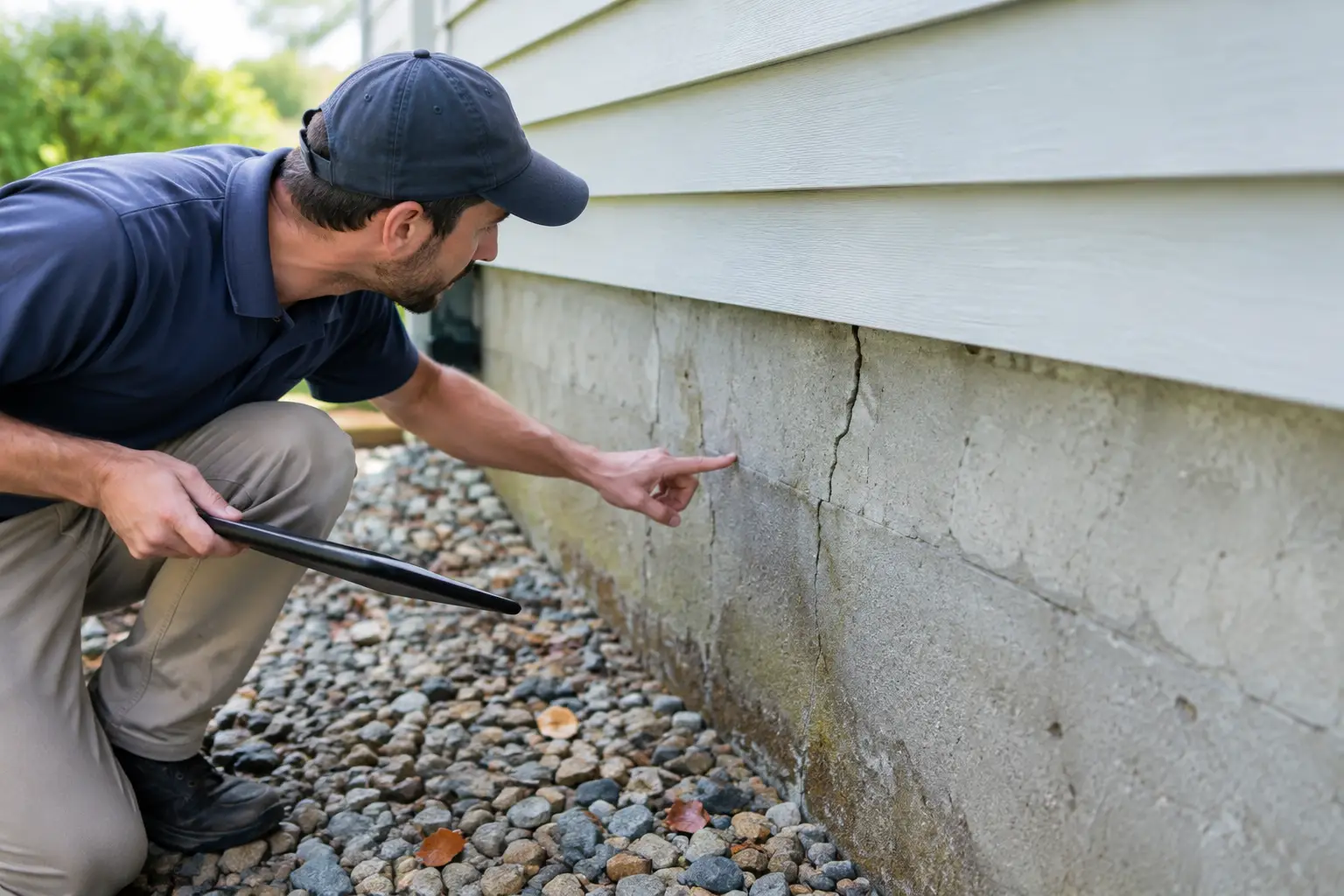
Hairline cracks by themselves do not always mean there is a serious structural issue. What matters is the pattern, size, location, and whether there are related symptoms such as sticking doors, sloped floors, separated trim, or cracked brick veneer. The report may recommend monitoring, repair, or further evaluation depending on what is observed.
Roofing
The roof section looks at the covering materials, flashing, penetrations, drainage, and visible signs of wear or damage. Buyers often focus only on whether the roof is leaking right now, but condition is broader than that. Missing shingles, exposed fasteners, damaged flashing, and worn seals around vents can all lead to future leaks even if staining is not yet visible inside.
A report may also mention the roof appears older or has limited remaining service life. That does not always mean immediate replacement is required, but it does mean you should factor it into your budget and negotiations.
Electrical
Electrical findings can sound technical, but the main concern is usually safety. The inspector is looking for improper wiring practices, panel issues, missing covers, double-tapped breakers where not permitted, GFCI protection concerns, and signs of overheating or amateur repairs.
Some electrical issues are quick fixes. Others point to a larger need for correction by a licensed electrician. If the report flags the panel or widespread unsafe conditions, treat that differently than a note about one reversed polarity outlet.
Plumbing
The plumbing section covers supply lines, drains, fixtures, water heater performance, and visible leaks. Here, the difference between a nuisance and a serious issue is often about location and damage potential. A dripping exterior faucet is inconvenient. An active leak beneath a bathroom or kitchen can damage cabinets, subflooring, drywall, and even create conditions for microbial growth.
Water heaters also deserve attention. If the unit is old, improperly installed, missing required safety components, or showing corrosion, that can become a near-term expense.
HVAC
In the Texas market, HVAC is not a luxury item. It is a major livability and budget concern. The report will typically address cooling response, heating operation, visible condition, insulation on refrigerant lines, condensate management, and filter or maintenance issues.
An older system is not automatically defective, but age changes the conversation. If the system is functioning yet near the end of expected service life, buyers should plan for replacement even if they do not ask the seller to handle it.
Interior and exterior
These sections often include a mix of cosmetic concerns, moisture clues, and maintenance items. Damaged trim, missing caulk, deteriorated siding, or soft wood near windows may not sound dramatic, but they can point to ongoing moisture exposure. Exterior drainage also matters more than many buyers realize. Poor grading or water pooling near the foundation can contribute to bigger problems over time.
What photos and comments are trying to tell you
Photos are not there to make the house look worse. They are there to document the condition clearly. A close-up image of a crack, rusted component, or damaged roof penetration helps you understand both location and severity.
The wording of comments matters too. If a report says monitor, service, repair, replace, or evaluate further, those are not interchangeable. Monitor usually means keep an eye on it. Service often points to maintenance by a qualified contractor. Repair suggests a known defect needing correction. Replace is more serious, and further evaluation means the inspector saw enough concern to recommend a specialist before you move forward.
What to ask after reading the report
A good report should not leave you guessing. If something is unclear, ask which items are most important, which ones are safety-related, and which are likely to become expensive if ignored. You can also ask whether a finding appears isolated or part of a larger pattern.
This matters because not every defect deserves the same response in a real estate transaction. Sometimes the smartest move is requesting repairs. Sometimes it is asking for a credit. Sometimes you accept minor issues and move ahead because the home still makes financial sense. And sometimes the report reveals a level of risk you are not comfortable taking on.
For that reason, organized findings and clear visual documentation are more than a convenience. They help buyers and agents make decisions faster and with fewer misunderstandings. That is one reason many Texas buyers appreciate the reporting style and post-inspection support offered by CK Inspections.
What an inspection report does not cover
A home inspection is thorough, but it has limits. Inspectors evaluate readily accessible and visible components. They are not opening walls, moving personal belongings, or predicting every future failure. Cosmetic preferences, hidden defects, code updates that were not required when the home was built, and specialized concerns may fall outside a standard inspection or require add-on services.
That is why extra services can matter depending on the property. A sewer camera inspection, wood-destroying insect inspection, thermal imaging, or pool and spa inspection may reveal issues a standard inspection alone would not fully address. It depends on the home’s age, features, and visible warning signs.
The simplest way to use the report wisely
If you remember one thing, let it be this: do not judge the house by the number of comments. Judge it by the seriousness, cost, and pattern of the findings. Almost every home has a list. What matters is whether that list points to manageable maintenance or expensive hidden trouble.
Buying a home is a major commitment, and the report is there to protect you from making that commitment blindly. Read it calmly, ask questions, and focus on what affects safety, structure, water intrusion, and major systems first. A clear report does more than explain the house – it gives you the confidence to move forward, renegotiate, or walk away for the right reasons.