A seller says the home has a termite bond. That may sound like strong protection, but it does not automatically tell you whether termites are active, whether prior damage exists, or whether the agreement will protect you after closing. Understanding termite bond versus termite inspection can keep a reassuring phrase from becoming an expensive misunderstanding.
For Houston-area buyers, this distinction matters. Our warm, humid conditions can support termite activity, and many homes have the wood framing, soil contact, landscaping, and moisture conditions that make regular monitoring worthwhile. A bond and an inspection can both be useful, but they answer different questions.
What a Termite Inspection Tells a Buyer
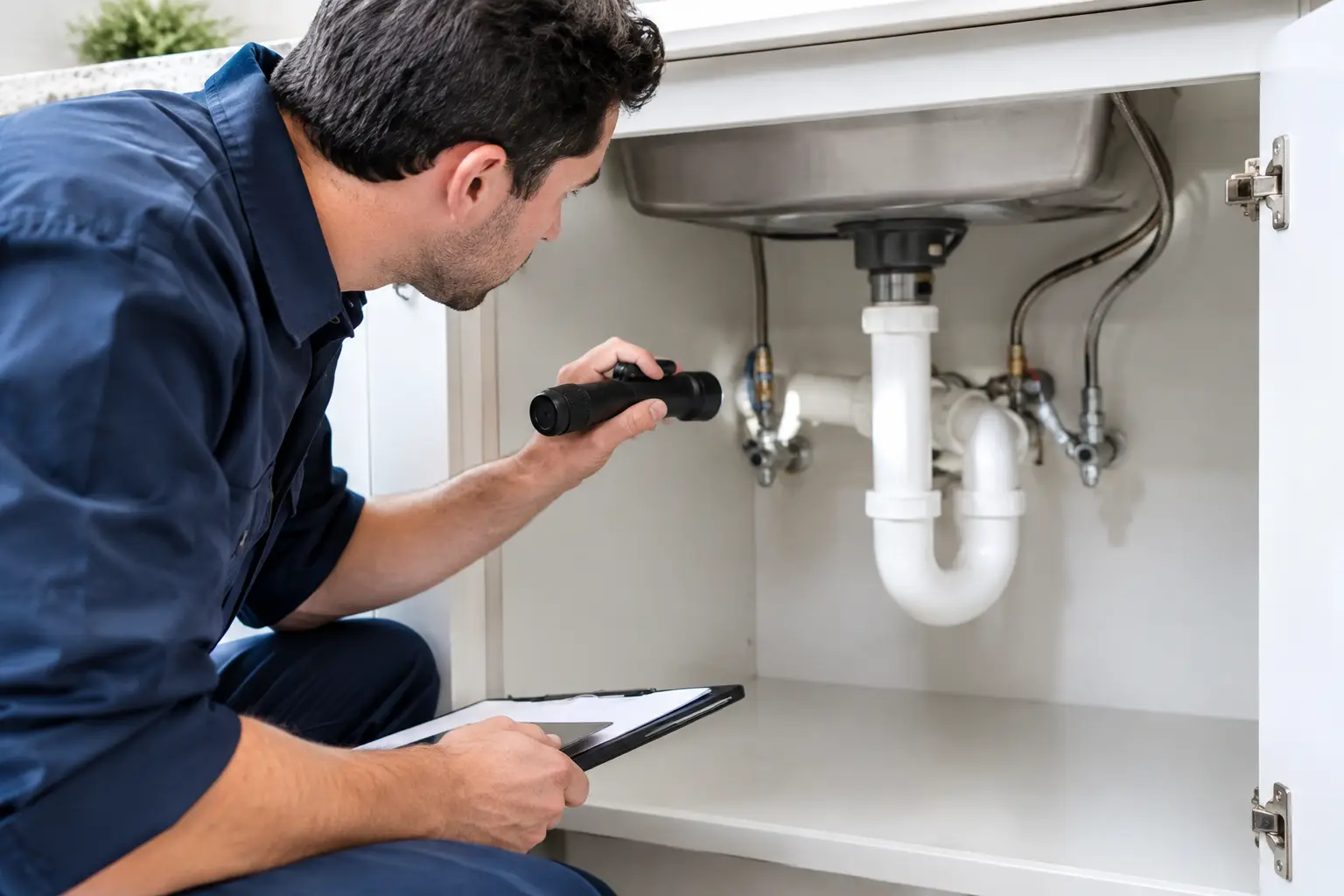
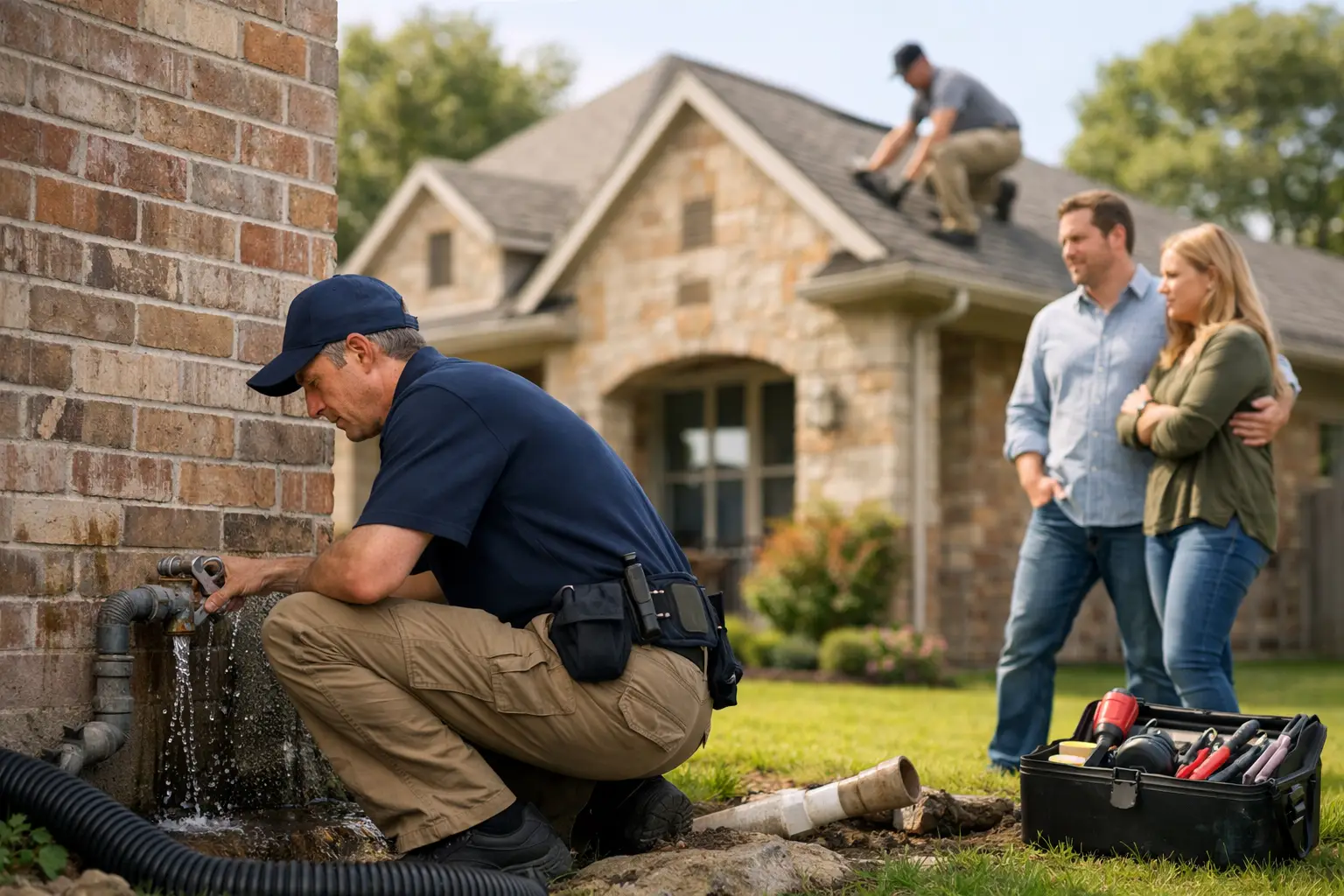
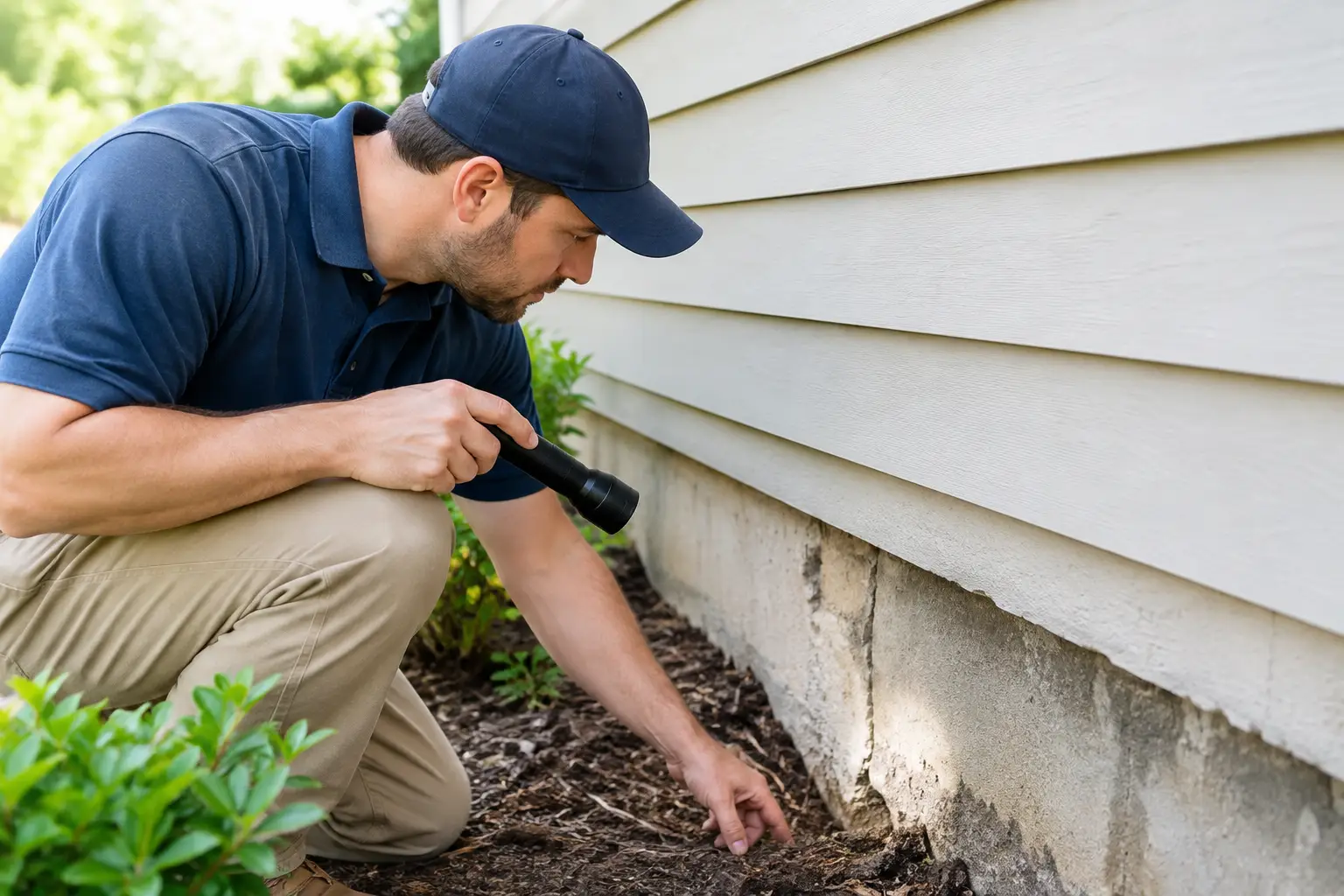
A termite inspection is an evaluation for wood-destroying insects and evidence of their activity. Depending on the scope, the inspector looks at accessible structural areas, including the foundation perimeter, attic, garage, interior surfaces, and other reachable locations where insects may enter or damage wood.
The goal is to identify visible signs of termites or other wood-destroying insects, such as mud tubes, damaged wood, live insects, prior treatment indicators, or conditions that could increase risk. The report may also identify conducive conditions, such as wood-to-soil contact, excessive vegetation near the structure, or moisture concerns around the foundation.
For a buyer, this is a point-in-time assessment. It tells you what was visible and accessible on the day of the inspection. It is not a promise that termites will never appear later, and it cannot see through finished walls, flooring, insulation, or furniture. Still, it provides the information needed to ask informed questions before your option period ends.
A wood-destroying insect inspection should also be considered separately from the general home inspection. A thorough home inspection may identify visible damage or conditions worth further review, but a dedicated insect inspection is designed to address a specific risk. When evidence is found, the buyer needs clarity on whether the concern is active, old, repaired, or still requires treatment and structural evaluation.
What a Termite Bond Actually Covers
A termite bond is a service agreement between a property owner and a pest control company. The details vary widely, but these agreements commonly provide periodic inspections and may include retreatment if covered termite activity is found during the contract period.
The word “bond” can create the impression that every future termite-related cost is covered. That is not always the case. Some plans cover retreatment only. Others may include a limited repair provision, often with caps, exclusions, conditions, and documentation requirements. Many agreements exclude pre-existing damage, inaccessible areas, damage from conditions the homeowner did not correct, and insects not named in the contract.
A bond also has a practical purpose beyond coverage: it creates a schedule for continued professional monitoring. That can be valuable for a homeowner who plans to maintain the property over time. But it is a maintenance agreement, not a substitute for finding out what is happening at the house before you buy it.
Termite Bond Versus Termite Inspection at a Glance
The simplest difference is timing and purpose. A termite inspection helps a buyer evaluate the property’s visible condition before closing. A termite bond helps an owner manage termite risk after treatment or during ongoing ownership.
An inspection can reveal evidence that deserves negotiation, treatment, repair evaluation, or further investigation. A bond may offer future retreatment or limited repair coverage, but it may not pay for a condition that existed before the policy began, was previously known, or falls outside the agreement’s terms.
That means a transferable termite bond can be a positive feature, but it should be treated as supporting documentation, not as proof that the home has no termite history or damage. In some cases, the existence of a bond simply means the property was treated or monitored in the past. That information is useful, but it should lead to better questions.
Why Buyers Should Not Rely on the Bond Alone
A seller may provide a current bond, a renewal invoice, or a note saying the agreement transfers to the buyer. Before treating that as protection, review what is actually being transferred.
First, confirm whether the agreement is transferable and whether transfer requires a fee, an inspection, or paperwork within a certain number of days after closing. A missed deadline can leave the new owner without coverage.
Next, determine the level of protection. Is the plan retreat-only, or does it include damage repair? If repairs are included, ask about the dollar limit, deductible, excluded areas, and whether the company decides what damage resulted from covered termite activity. A repair guarantee with significant exclusions may be less valuable than it first appears.
Also ask for the treatment history. Know when treatment occurred, what method was used, whether there have been recurring findings, and whether annual inspections have been completed. A complete history can provide useful context, especially if your inspection identifies old damage or conditions that warrant follow-up.
Finally, understand that termite companies inspect under the limitations of their own agreement. Their annual visit is helpful, but its scope and reporting may not be the same as an independent pre-purchase wood-destroying insect inspection. Before making a major investment, you want clear information tailored to the transaction, not just confirmation that a service plan exists.
When You May Need Both
In many transactions, the best answer is not choosing a termite bond or an inspection. It is using each for its intended purpose.
A buyer may order a wood-destroying insect inspection before closing, then decide whether assuming the seller’s bond makes sense. If the inspection is clear and the bond offers meaningful, transferable coverage at a reasonable renewal cost, keeping it may be a practical choice. If the agreement is limited, nontransferable, or tied to unresolved concerns, the buyer may prefer to obtain separate treatment recommendations and choose future protection independently.
This approach is especially sensible when a property has a known termite history. Prior treatment does not automatically mean there is an active infestation or a deal-breaking problem. Termites are common in Texas, and properly treated homes can be successfully maintained. The key is to separate the facts: what was found, whether activity is current, what damage is present, what repairs may be needed, and what the service agreement will cover going forward.
What to Request Before Closing
If the seller mentions a termite bond, request the full agreement rather than relying on a verbal description. Ask for the current contract, renewal history, treatment records, most recent inspection report, and transfer instructions. If a report identifies damage, ask whether a qualified contractor or structural professional has evaluated its extent. Pest control treatment addresses insect activity; it does not automatically establish that framing or other components remain structurally sound.
For VA buyers and other buyers whose lender may require a wood-destroying insect report, confirm the requirement early in the transaction. Timing matters. If treatment, a reinspection, or additional documentation is needed, finding that out near closing can create unnecessary pressure.
Your real estate agent can help coordinate records and negotiation, but do not let paperwork replace a careful evaluation. A clean-looking document does not change visible evidence found during the inspection, and a bond does not erase the need to understand existing conditions.
A Practical Way to Make the Decision
Think of the inspection as your due diligence and the bond as a possible ownership tool. The inspection helps you avoid buying blind. The bond may help you manage a known risk after you own the home, provided its terms fit the property and your expectations.
CK Inspections helps buyers in Greater Houston understand inspection findings in plain language, including what needs prompt attention and what requires documentation or further evaluation. The goal is not to create alarm over every past treatment mark or damaged piece of wood. It is to give you a clear picture of the home before your closing decision is final.
Before your option period expires, make sure you have the actual insect inspection report, the complete bond terms, and answers to any questions about prior treatment or damage. That small amount of clarity can protect your budget long after the keys change hands.