A house can look perfect during a showing and still have expensive problems hiding behind the walls, under the roof, or beneath the slab. That is why a buyer home inspection checklist matters. It helps you focus on what actually affects safety, repair costs, and your confidence before closing – not just fresh paint and staging.
For Texas buyers, that clarity matters even more. Heat, humidity, shifting soils, heavy storms, and aging systems can all change how a home performs over time. A good inspection is not about finding a reason to kill the deal. It is about understanding the true condition of the property so you can move forward with open eyes.
What a buyer home inspection checklist should help you catch
The best checklist does not turn you into an inspector. It gives you a practical way to notice warning signs early, ask better questions, and understand the findings you receive in a professional report. Some issues are cosmetic. Others can affect financing, insurance, safety, or your budget in the first year of ownership.
That distinction matters. A cracked outlet cover is minor. A double-tapped breaker, active roof leak, or failing air conditioning system in a Texas summer is a very different conversation. The goal is not to panic over every defect. The goal is to separate routine maintenance from costly surprises.
Buyer home inspection checklist: the major areas to review
Roof and exterior
Start from the outside because many expensive problems begin there. Look at the roofline for sagging, uneven areas, or signs of patchwork. Ask about the roof age if that information is available. Inside the attic or ceilings, water stains may point to active or past leaks, but exterior clues often show up first in damaged shingles, deteriorated flashing, or poor drainage.
Pay attention to grading around the home. Water should move away from the foundation, not toward it. In the Houston area and surrounding communities, drainage issues can create long-term structural and moisture problems. Gutters, downspouts, and splash blocks are simple components, but when they are missing or poorly placed, they can contribute to much larger repairs.
Windows, doors, siding, trim, and caulking also deserve a close look. Soft wood, gaps, or visible deterioration can mean moisture intrusion. If doors stick or windows do not open properly, it could be a simple adjustment – or it could hint at movement in the structure.
Foundation and structure
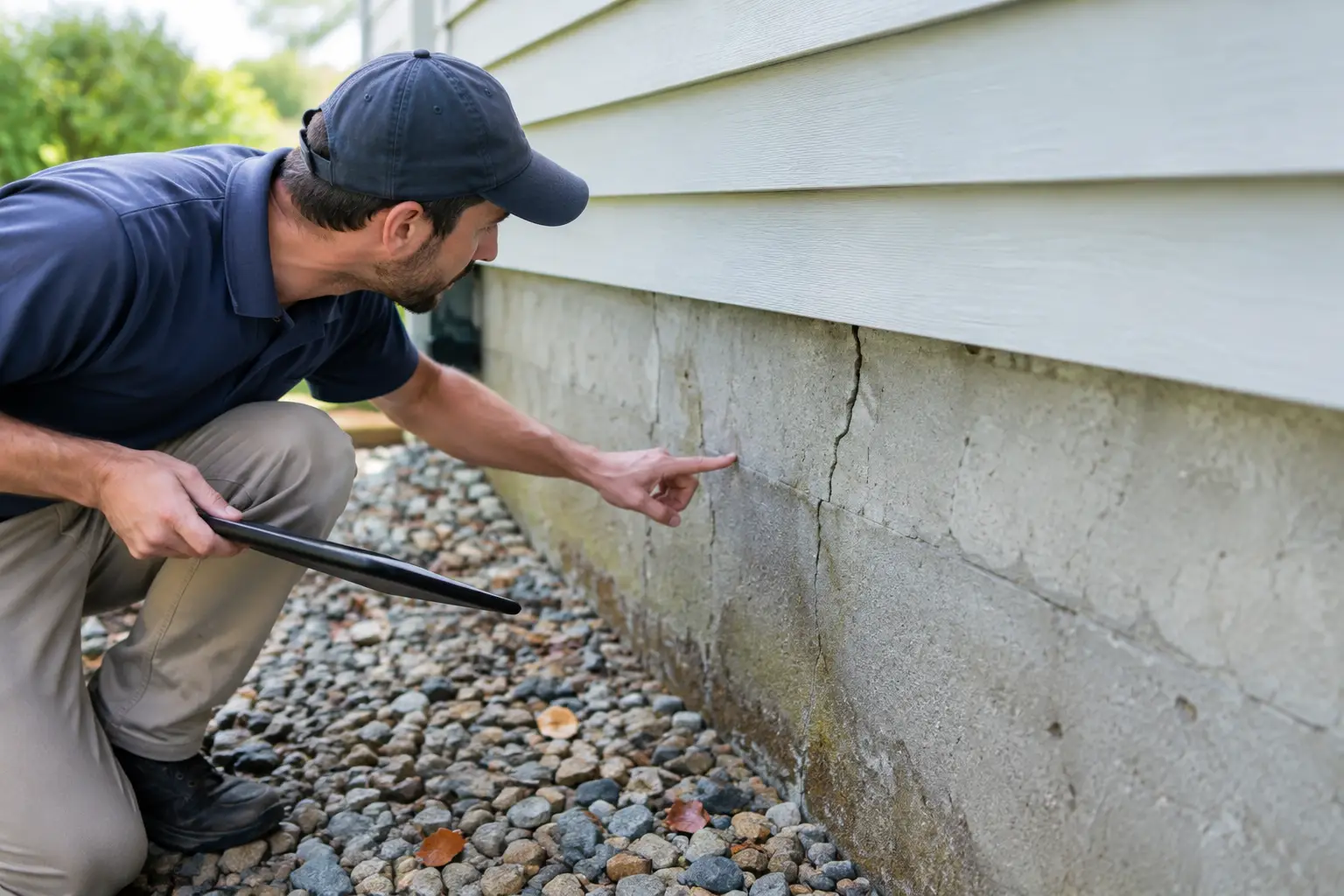
Texas buyers should never gloss over foundation concerns. Hairline cracks can be common in some homes, but wider cracks, sloping floors, separated trim, and doors that no longer latch correctly may suggest more than normal settling. It depends on the pattern, location, and severity.
This is one of the biggest reasons to hire a qualified inspector. Structural concerns are not always dramatic. They often appear as a collection of smaller symptoms that only make sense when viewed together. A well-documented inspection helps you understand whether you are looking at routine aging, deferred maintenance, or a condition that needs further evaluation.
Electrical system
The electrical panel tells an important story about safety and updates over time. You want to know whether the panel is properly labeled, whether breakers appear appropriate, and whether there are signs of overheating, corrosion, or amateur modifications. Older homes may have outdated components that still function but no longer provide the level of safety buyers expect.
Inside the home, test a representative number of outlets, switches, and fixtures if possible during your walk-through. Missing GFCI protection in kitchens, bathrooms, garages, and exterior locations is common and worth noting. So are loose outlets, flickering lights, or evidence that something has been added without professional installation.
Plumbing system
Plumbing issues can stay hidden until they become expensive. Check under sinks for leaks, staining, or repairs that look temporary. Run faucets and showers to get a sense of water pressure and drainage speed. Flush toilets and pay attention to rocking, loose mounting, or tanks that continue running.
The water heater deserves special attention. Look at its approximate age, visible corrosion, and whether there are signs of leakage around the base. In older homes, supply lines, drain materials, and shutoff valves can also be a factor. Not every plumbing concern is urgent, but hidden leaks, aging pipes, and sewer line issues can quickly change the economics of a purchase.
HVAC system
In Texas, the air conditioning system is not a luxury item. It is a core system that affects comfort, livability, and immediate replacement risk. Ask about the age of the system, service history, and whether it appears to cool evenly throughout the house. Dirty filters and neglected maintenance may suggest a larger pattern of deferred care.
Pay attention to unusual sounds, weak airflow, damaged insulation on refrigerant lines, or rust at the equipment. Heating matters too, even if buyers focus more on cooling. A full inspection should evaluate visible components and operating performance, but it is wise to understand that older HVAC systems can still function on inspection day and still be near the end of their service life.
Attic, insulation, and ventilation
Buyers do not usually spend much time thinking about the attic, but it often reveals how the home has been maintained. Inadequate insulation, poor ventilation, roof leaks, damaged framing, and signs of past repairs may all be visible there. In a hot climate, attic conditions affect energy performance and moisture control more than many buyers realize.
This is also an area where thermal imaging can add value in some cases. It may help identify moisture patterns or insulation gaps that are not obvious to the naked eye. It is not magic, and it does not replace a full inspection, but it can provide useful context.
Interior rooms and built-in components
Inside the home, check ceilings, walls, floors, doors, and cabinets for patterns that suggest moisture damage, movement, or poor workmanship. One patched stain may not be alarming on its own. Multiple patched areas, fresh paint in isolated sections, or flooring damage near plumbing fixtures deserve a closer look.
Operate windows and doors where practical. Check stairs and railings for safety. Look at exhaust fans in bathrooms and the condition of kitchen appliances if they are included in the sale. The point is not to create a cosmetic punch list. It is to notice signs that daily wear may be hiding larger defects.
What buyers often miss on their own
A showing is designed to help you imagine living in the home. An inspection is designed to show you how the home actually functions. Those are two different experiences.
Buyers often miss active moisture at window perimeters, unsafe electrical conditions hidden at the panel, improper attic ventilation, damaged ductwork, or signs of wood-destroying insects. Sewer line issues are another common blind spot because the interior plumbing may appear fine while the main line has cracks, root intrusion, or blockages underground.
That is where specialized add-on services can make sense. Not every property needs every extra service. But if the home is older, has large trees, shows drainage concerns, or includes a pool or spa, additional inspection options may protect you from a very expensive surprise.
How to use the checklist without overreacting
A buyer home inspection checklist works best when you use it as a decision tool, not a fear tool. Nearly every home will have findings. Even new construction can have defects. The real question is whether the issues are manageable, negotiable, or serious enough to change your plans.
Focus on the items that affect safety, major systems, water intrusion, structural performance, and near-term cost. Cosmetic flaws and minor maintenance items still matter, but they should not carry the same weight as a damaged roof, foundation movement, or a failing HVAC system.
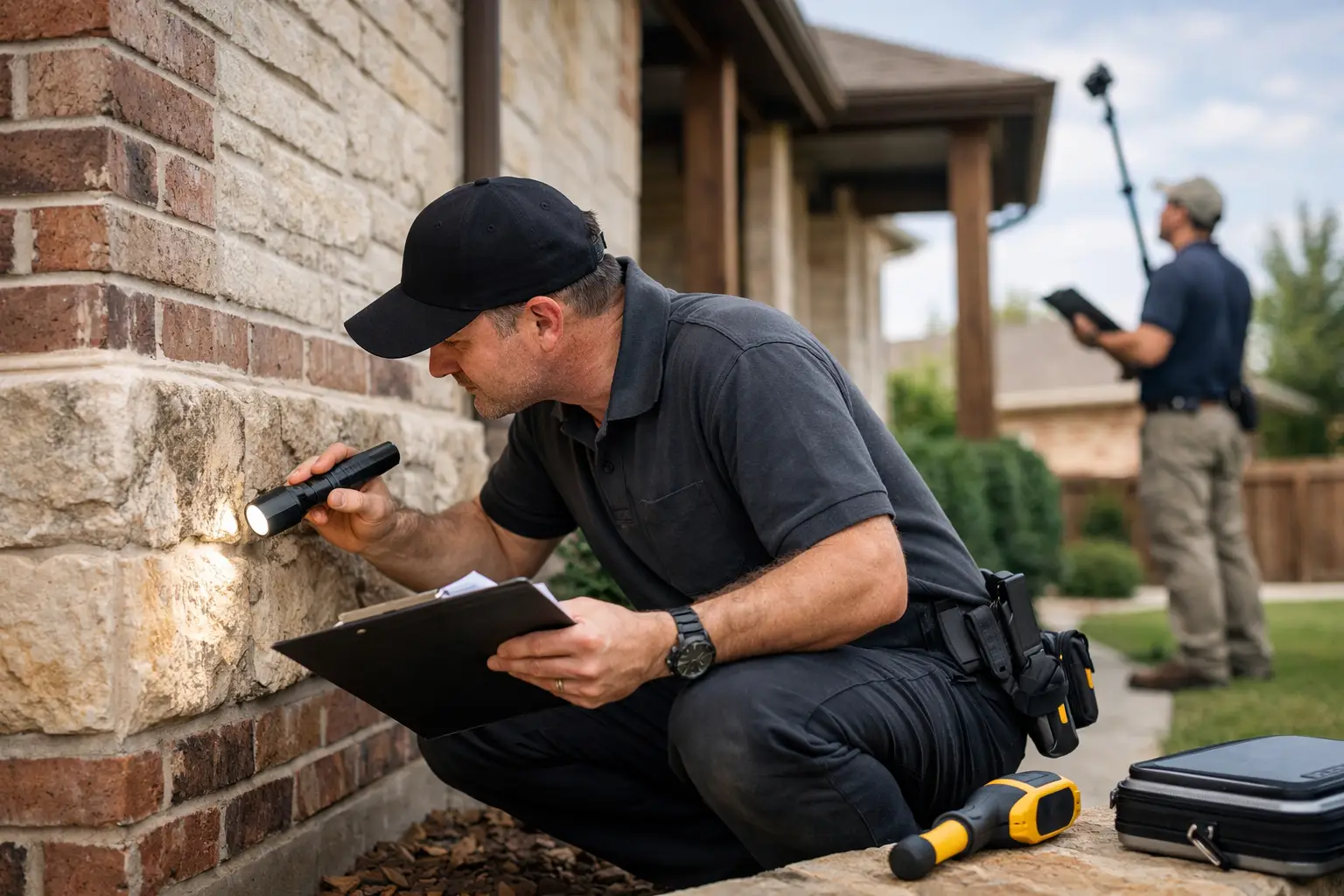
A clear report with photos and organized findings makes this easier. It helps you discuss concerns with your agent, prioritize repair requests, and decide whether to move forward, renegotiate, or bring in a specialist for a deeper evaluation.
Why a professional inspection matters more than a checklist
A checklist helps you know what to pay attention to. It does not replace training, experience, or the ability to connect small clues across multiple systems. That is what protects buyers.
A professional inspection gives you context. It shows not just what is wrong, but why it matters, how urgent it may be, and where you may need more information before closing. For buyers in Greater Houston, Cypress, Katy, and nearby Texas communities, that kind of practical guidance can be the difference between buying confidently and buying blind.
If you want real peace of mind, choose an inspector who gives you detailed reporting, strong visual documentation, and support after the appointment. CK Inspections approaches the process that way because buyers need more than a checklist – they need a clear understanding of the home they are about to invest in.
The right house is not always the one with the fewest notes. It is the one you understand well enough to buy with confidence.