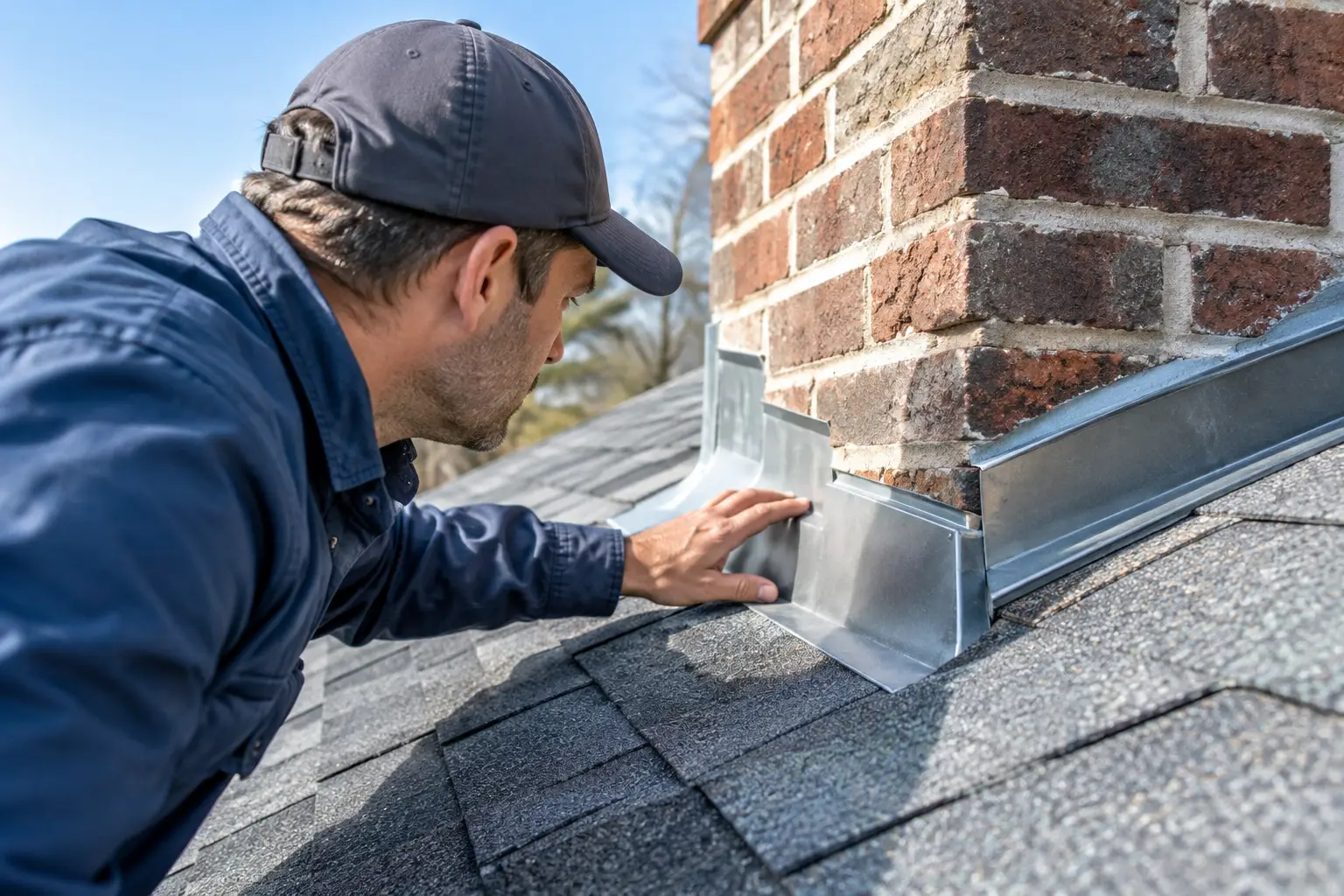
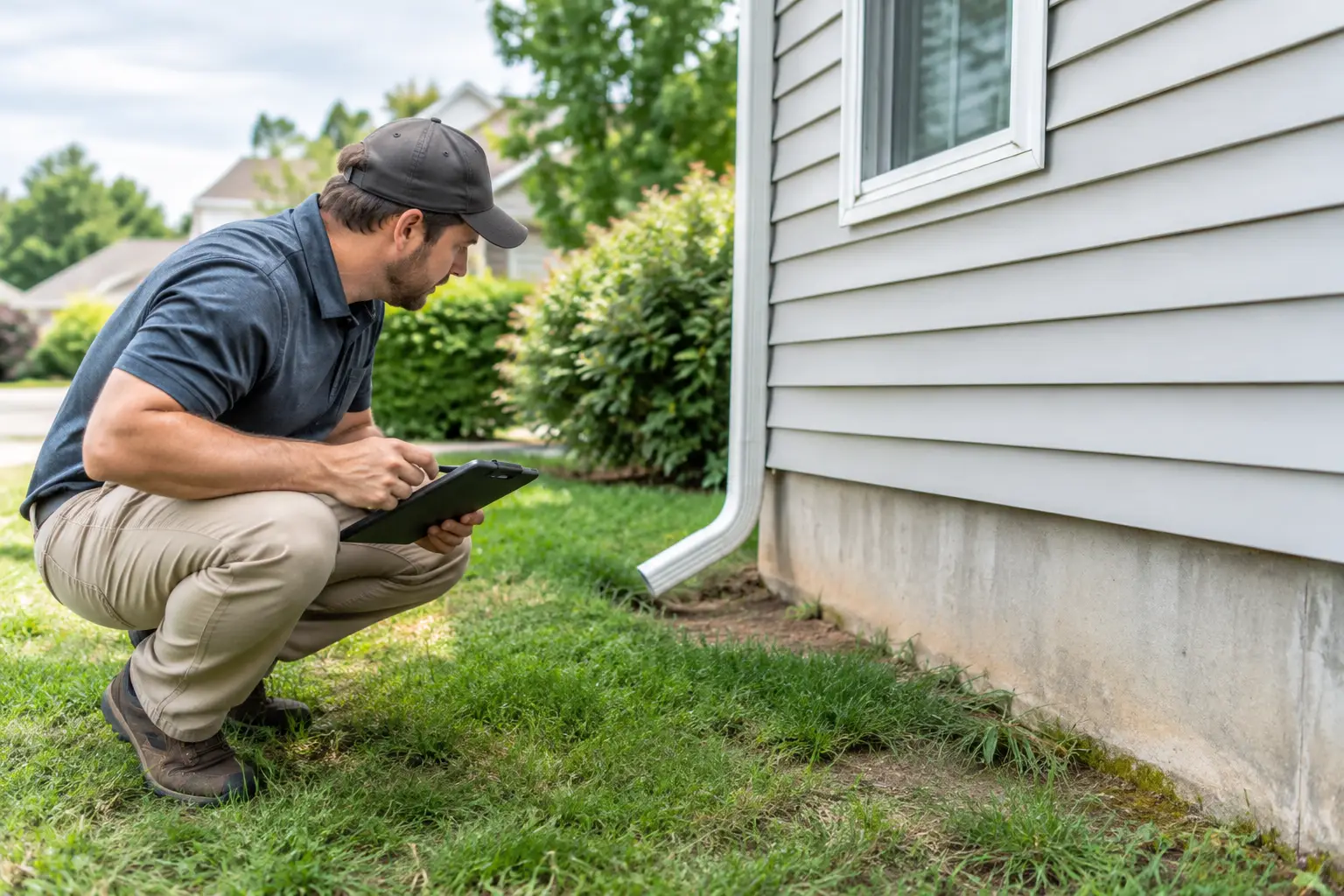
A home can look well cared for from the street and still have a drainage problem waiting at the foundation. Learning how to spot poor grading before you buy matters in Greater Houston, where intense rain can expose weaknesses quickly. Water that does not move away from the house can contribute to foundation movement, exterior damage, wet crawlspaces, pest activity, and expensive repairs after closing.
Grading is the shape and slope of the soil around a home. Its job is simple: direct surface water away from the structure and toward an appropriate drainage path. The details can be less simple, especially on flat lots, homes with landscaping changes, and properties that have been renovated over time.
What Proper Grading Should Do
A properly graded yard does not need to look steep or dramatic. In fact, a gradual, consistent slope is usually preferable. The key question is whether the ground immediately around the home slopes away from the foundation rather than toward it.
A common rule of thumb is a drop of about 6 inches over the first 10 feet away from the foundation. That guideline is not a substitute for evaluating the entire property. Lot size, soil conditions, retaining walls, drainage swales, patios, neighboring properties, and local drainage patterns all affect where water goes next.
For a buyer, the practical standard is this: after a typical storm, water should not collect beside the home, flow toward exterior walls, or remain on the lot long enough to create a recurring problem. A yard can be mostly flat and still drain acceptably if it has a well-designed drainage route. On the other hand, a beautifully landscaped yard can conceal water that is being directed exactly where it should not be.
How to Spot Poor Grading During a Showing
Start outside and walk the perimeter of the house slowly. Do not limit your attention to the front yard. Side yards and rear corners are often where poor grading becomes most apparent, particularly where additions, fences, patios, or neighboring lots affect drainage.
Look for soil that touches or nearly touches the siding
Soil and mulch should not be piled high against exterior cladding. When the grade is too high, it can allow water to contact materials that should stay above the ground. It may also reduce the visible clearance between the siding and soil, making it harder to identify deterioration or wood-destroying insect conditions.
Fresh mulch can make a yard look polished, but it can also hide an elevated grade. Look at the bottom of the brick veneer, siding, weep holes where applicable, and door thresholds. If landscaping material is covering important exterior details, ask why and look closely at other sides of the house.
Watch for low spots near the foundation
Depressions in the soil beside the home are one of the clearest warning signs. These low areas may hold water after rain or allow runoff from the yard to settle against the foundation. Bare dirt, washed-out mulch, algae staining, and dead turf in a small localized area can support the same concern.
Pay attention to corners where roof runoff lands. A downspout that empties directly into a low spot can turn a manageable grading issue into a repeated moisture problem. Downspout extensions and drains can help, but only if they discharge water to an area that slopes away and can handle it.
Check patios, walkways, and driveways
Hard surfaces should also direct water away from the house. A patio, walkway, or driveway that slopes toward an exterior wall can concentrate rainwater at the structure rather than shedding it into the yard.
Look for staining along the base of walls, recurring debris lines, cracking or separation at joints, and areas where a concrete surface appears lower near the home than at its outer edge. Some cracks in concrete are common and may be cosmetic. The concern increases when cracking, settlement, and poor drainage appear together.
Notice drainage paths, not just puddles
Puddles are useful evidence, but you may tour a property on a dry day. Look for clues that show where water has traveled before: shallow channels in the lawn, eroded soil, displaced gravel, silt buildup near fences, or dark staining at the edge of a slab.
A swale, which is a shallow channel designed to carry water across a yard, can be a positive feature. It becomes a concern if it directs water toward the home, is blocked by landscaping, or terminates where water has nowhere useful to go. The objective is controlled drainage, not merely moving water from one problem area to another.
Signs Inside the Home That Can Support a Grading Concern
Poor grading is an exterior condition, but its effects can show up indoors. No single interior sign proves that grading is the cause. Still, patterns deserve careful evaluation.
Look for doors that rub or do not latch easily, cracks at drywall corners, gaps around trim, uneven floors, or separation between exterior masonry and adjacent materials. These conditions can have several causes, including normal settling, previous repairs, soil movement, or structural issues unrelated to surface drainage. They should not be used to diagnose a foundation problem during a showing.
Instead, treat them as reasons to ask better questions and obtain a thorough inspection. If exterior drainage concerns and interior movement indicators appear in the same area of the home, the issue may deserve additional evaluation before the end of your option period.
Common Conditions Buyers Misread
Not every damp-looking area means the home has poor grading. A recently watered lawn, a broken sprinkler head, condensation from an air-conditioning drain line, or a one-time plumbing leak can create wet soil. Likewise, a downspout extension may look unattractive but be doing its job effectively.
The reverse is also true. A dry yard on a sunny afternoon does not confirm that drainage is sound. Ask the seller whether the property has experienced standing water, flooding, drainage repairs, or foundation work. Review available disclosures carefully, while remembering that disclosures are only one piece of the decision-making process.
It also helps to visit at a different time of day if possible. After rainfall, safely observe whether water is standing near the structure, flowing across paved areas, or backing up around drains. Do not rely solely on a seller’s landscaping choices to tell the story. Decorative rock, thick ground cover, and new sod can improve appearance without correcting the slope underneath.
Why Poor Grading Matters More in Texas Clay Soils
Many homes in the Houston area sit on expansive clay soils that change volume as moisture levels change. Extended wet periods and dry periods can both affect soil movement around a foundation. Poor surface drainage can add unnecessary moisture near the home, while inadequate drainage planning can make seasonal conditions harder on the property.
That does not mean every low spot will lead to major foundation damage, and it does not mean every foundation crack is caused by grading. Homes, lots, and soil conditions differ. But drainage is one of the more practical conditions a homeowner can often improve or maintain, which is why it deserves attention before purchase.
What to Do If You Find a Concern
First, document what you see. Take photos of low areas, downspouts, hard surfaces sloping toward the house, and any signs of standing water or erosion. Then bring those observations to your home inspector and ask for a clear explanation of what was observed, why it matters, and whether further evaluation is recommended.
A qualified inspection can help distinguish between a maintenance issue and a condition that may warrant more investigation. Some grading corrections are relatively straightforward, such as adjusting soil, extending downspouts, or restoring a drainage swale. Others may involve broader site drainage design, settled flatwork, or evidence of movement that should be evaluated by an appropriate specialist.
The right next step depends on the severity of the condition, the home’s age, the lot layout, and the evidence of damage. Avoid assuming that a quick load of dirt will solve every problem. Adding soil in the wrong place can cover siding, block drainage openings, or create a new path for water against the house.
Make Drainage Part of Your Buying Decision
Grading rarely gets the same attention as a roof or HVAC system during a showing, yet it influences how water interacts with nearly every part of the home. A careful look at the lot can protect you from costly surprises that are easy to miss when you are focused on finishes, square footage, and curb appeal.
Before your option period ends, make sure the home’s drainage story makes sense from roofline to property edge. A thorough inspection gives you the practical information to ask for repairs, seek further evaluation when needed, or move forward with confidence. Don’t buy blind when a walk around the yard may reveal what the listing photos cannot.