A seller says the home has had no major issues. The disclosure form looks complete. Everything seems straightforward – until an inspector finds unsafe wiring in the attic, an aging roof near failure, or signs of past moisture damage hidden behind fresh paint. That is where buyer inspection vs seller disclosure becomes more than a paperwork question. It becomes a protection question.
For Texas homebuyers, both matter, but they are not interchangeable. A seller disclosure gives you the seller’s knowledge of the property. A buyer’s inspection gives you an independent, professional evaluation of the home’s current condition. If you are relying on the disclosure alone, you are taking the seller’s memory, awareness, and honesty at face value. That can leave expensive gaps.
Buyer inspection vs seller disclosure: what is the difference?
A seller disclosure is a legal document in which the seller reports known issues, past repairs, and certain property conditions. It may mention previous roof leaks, foundation repairs, plumbing problems, flooding, or whether the HVAC system has had issues. The key word is known. Sellers can only disclose what they know, remember, and choose to report.
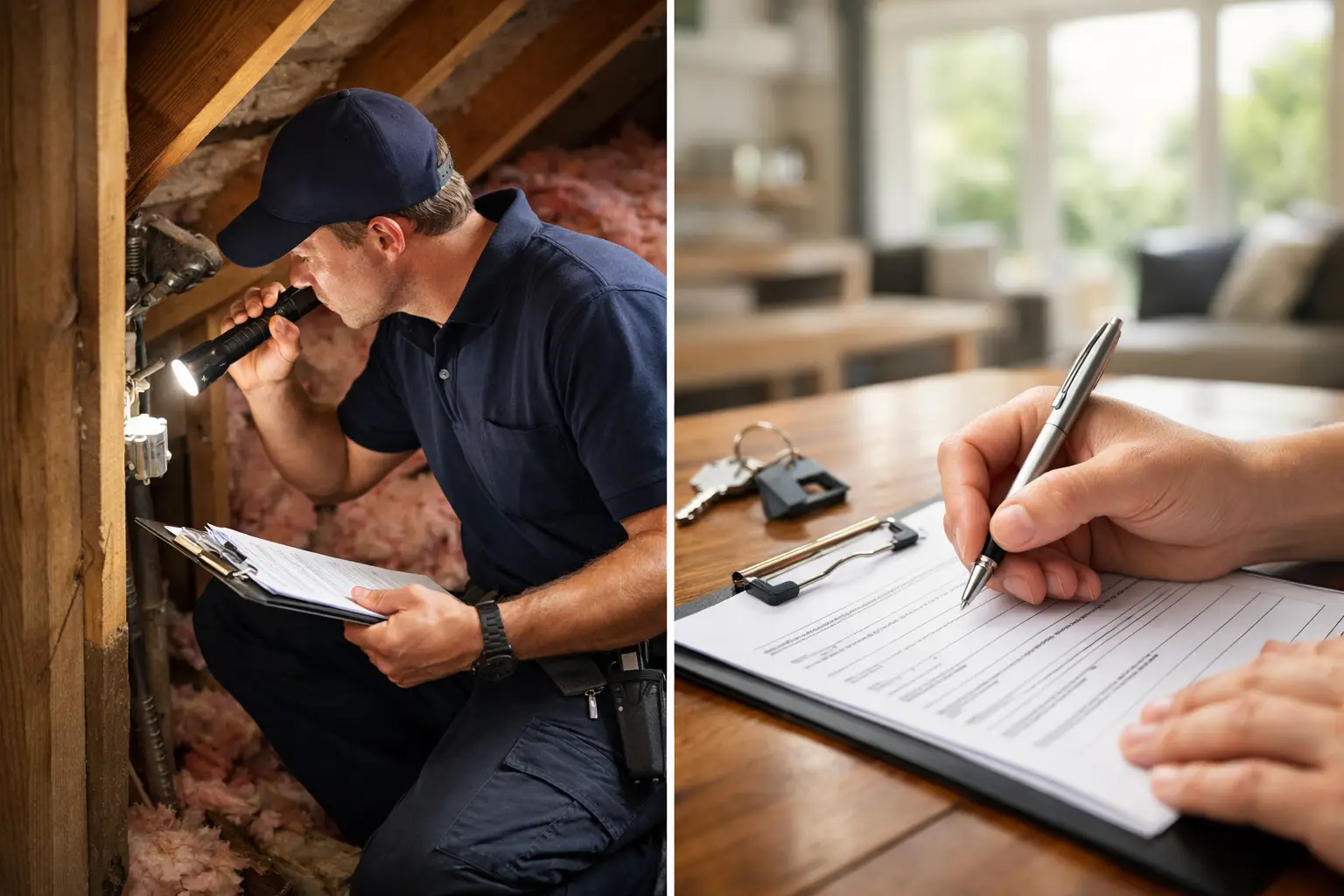
A buyer inspection is different. It is a visual, non-invasive evaluation performed by a licensed home inspector. The inspector is not relying on the seller’s memory. The inspector is looking at the home as it stands now – structure, roof, electrical, plumbing, HVAC, interior components, and other accessible systems and features.
That distinction matters because many costly problems are either forgotten, misunderstood, minimized, or never fully recognized by the seller in the first place. A seller might know there was a past leak but assume it was fixed. An inspector may still find active staining, damaged materials, or poor repairs that need attention.
Why a seller disclosure is helpful – but limited
A disclosure is still valuable. It can alert you to prior issues, insurance claims, repairs, or recurring problems that deserve closer review. In some cases, it can also help you ask better questions before you get too far into the transaction.
But a disclosure should be treated as a starting point, not the final word on the home’s condition. Sellers are not inspectors. Most are not trained to recognize electrical hazards, subtle structural movement, improper drainage, failing HVAC performance, or signs of concealed moisture intrusion. Even well-intentioned sellers can miss major concerns.
There is also the reality that people do not always define problems the same way. One seller may view a sticking back door as normal settling. Another may not think occasional water in the garage during a heavy storm counts as flooding. A buyer needs more than the seller’s interpretation. A buyer needs evidence.
What a buyer inspection can uncover that disclosures may miss
This is where the inspection becomes one of the strongest forms of buyer protection in the transaction. A thorough home inspection is designed to identify visible deficiencies, safety concerns, aging systems, deferred maintenance, and signs of larger underlying problems.
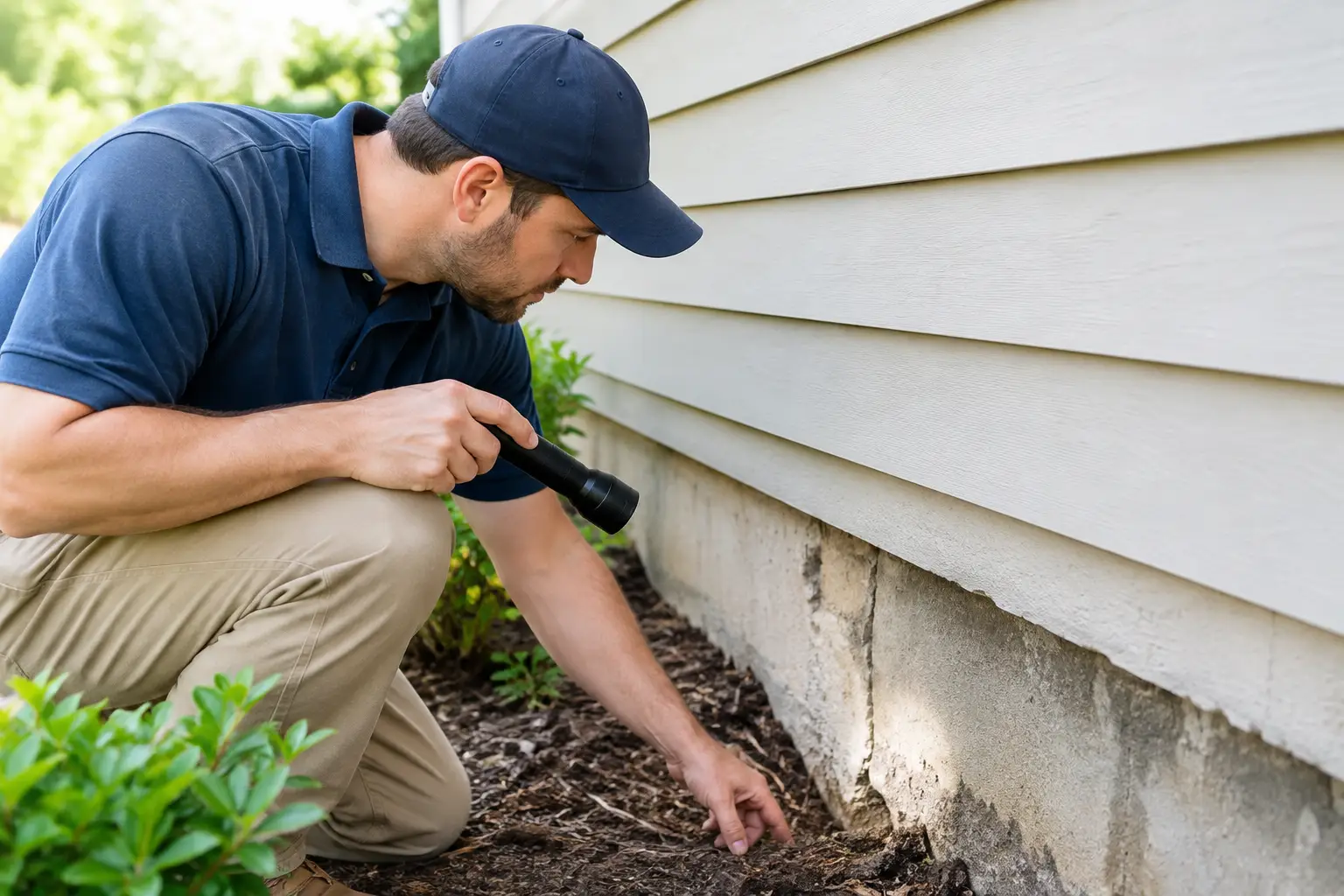
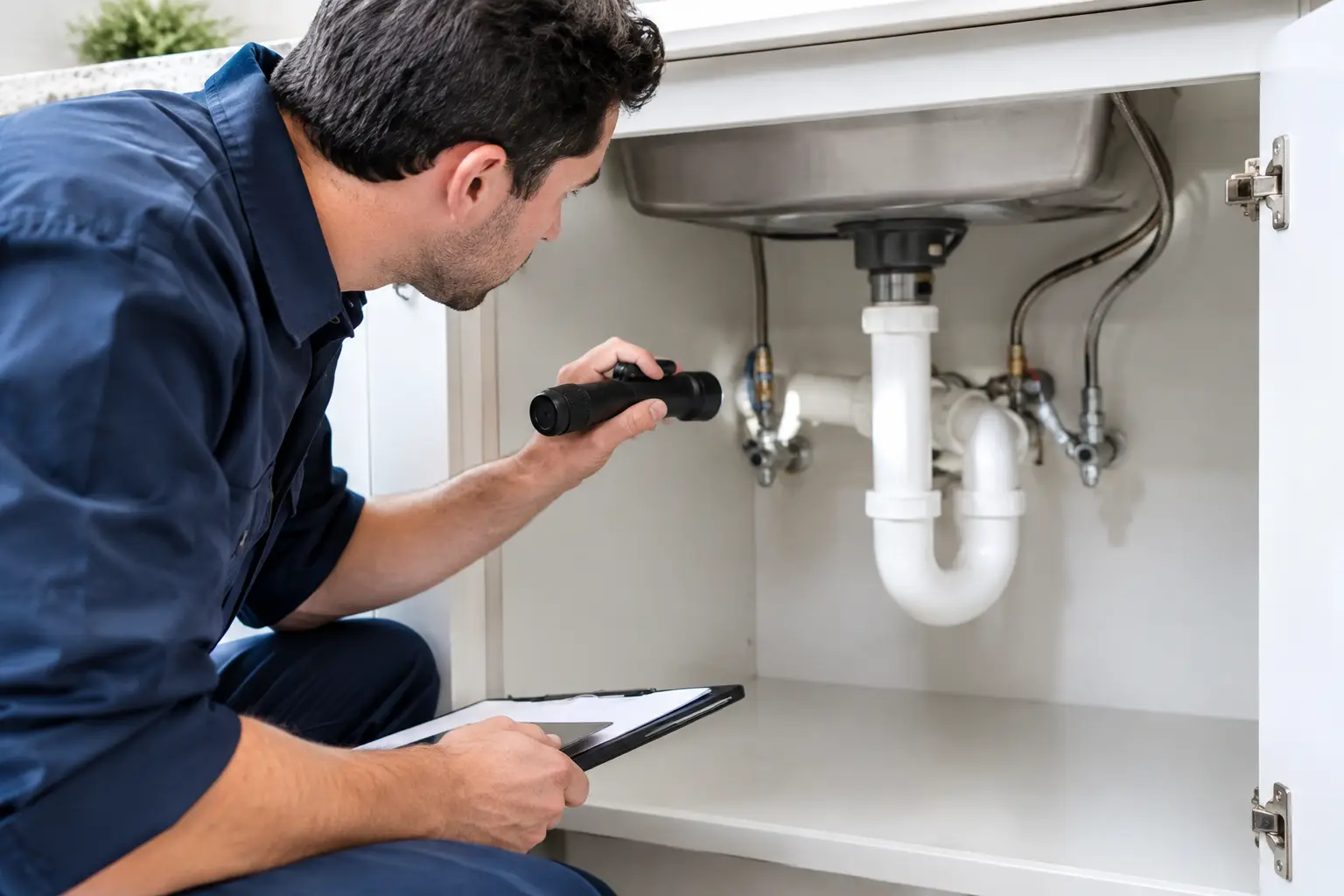
That can include roof damage the seller may not have seen, electrical defects inside the panel, plumbing leaks under sinks, HVAC performance issues, unsafe exterior grading, damaged siding, cracked masonry, or evidence of wood-destroying insect activity. In homes around Houston, Cypress, Katy, and nearby areas, inspectors also pay close attention to moisture-related issues, drainage concerns, and movement that may affect the structure over time.
An inspection also gives you context. Not every issue is a deal-breaker. Some items are routine maintenance. Others are major cost concerns. A good inspection report helps you separate what is urgent, what is typical, and what may require negotiation, repair, or further evaluation.
Seller disclosure does not replace due diligence
Buyers sometimes assume that if a seller failed to disclose a problem, they will have legal recourse later. Sometimes that is true. Often, proving what a seller knew and when they knew it is difficult, expensive, and stressful. That is a poor substitute for finding issues before closing.
The better approach is simple: do not buy blind. Use the disclosure to understand the seller’s side of the story, then use the inspection to verify the home’s actual condition. If the two align, that builds confidence. If they do not, you have an opportunity to investigate before the home becomes your responsibility.
This matters even more in competitive markets where buyers feel pressure to move quickly. Speed should not come at the cost of clarity. A rushed purchase without an inspection can turn a manageable transaction into a repair-heavy surprise.
When the disclosure and inspection tell different stories
It is not unusual for an inspection to reveal concerns that were not listed on the seller disclosure. That does not always mean the seller was dishonest. Some issues develop gradually, remain hidden, or are easy for an untrained eye to overlook.
Still, differences between the two should get your attention. If the disclosure says there have been no roof issues, but the inspection finds active signs of water intrusion, ask follow-up questions. If the seller reports no plumbing concerns, but the inspection shows leaks, corrosion, or sewer line concerns, take a closer look. These gaps can affect negotiations, repair requests, and your overall comfort with the purchase.
Sometimes the reverse happens too. A disclosure may mention a past issue that was professionally repaired, and the inspection may show no current concern. That can actually be reassuring. It means the problem was acknowledged and may have been addressed properly. The point is not to assume the worst. The point is to verify.
What Texas buyers should keep in mind
Texas homes can present a wide range of conditions depending on age, construction type, maintenance history, and local environmental factors. Expansive soils, heavy rain events, prolonged heat, and humidity all put stress on homes in different ways. A seller may disclose previous foundation work or roof repairs, but that does not tell you whether the home is performing well today.
A professional inspection gives you a current snapshot. That is especially important when you are making one of the biggest financial decisions of your life. Whether you are a first-time buyer, using a VA loan, or moving into a larger home, the goal is the same – understand what you are buying before you commit.
For some properties, add-on services also make sense. If an older home has drain concerns, a sewer line camera inspection may be worth considering. If moisture issues are suspected, thermal imaging can help identify hidden temperature differences that point to trouble. If the property includes a pool or spa, that system deserves its own close look too. The right level of inspection depends on the property, but the principle stays the same: verify, do not assume.
How to use both tools the smart way
The best buyers do not choose between the two. They use both, in the right order and for the right purpose.
Start by reviewing the seller disclosure carefully. Look for prior repairs, recurring issues, water intrusion, insurance claims, or anything vague or incomplete. Then schedule a professional inspection and share any concerns you already have. If the disclosure mentions foundation repair, roof replacement, plumbing leaks, or past flooding, those are areas your inspector can pay close attention to during the evaluation.
Once the report comes back, compare it to the disclosure. Are the seller’s statements consistent with the home’s visible condition? Are there problems that need pricing, repair requests, specialist evaluation, or a second conversation with your agent? This process gives you leverage, but more importantly, it gives you clarity.
That is one reason buyers across the Houston area turn to companies like CK Inspections. A detailed report with clear photos, organized findings, and practical next steps helps you move from uncertainty to informed action.
The real question is not which one matters more
When people ask about buyer inspection vs seller disclosure, they are often trying to figure out which one they can trust. The better question is what each one is actually designed to do.
A disclosure tells you what the seller says they know. An inspection tells you what a trained professional can observe about the property now. One is a statement from the seller. The other is part of your due diligence as a buyer. They work best together, but only one is specifically there to protect your side of the transaction.
If you want to avoid costly surprises, do not mistake disclosure for proof. Read it carefully. Take it seriously. Then verify the home with an independent inspection so you can move forward with confidence, not crossed fingers.