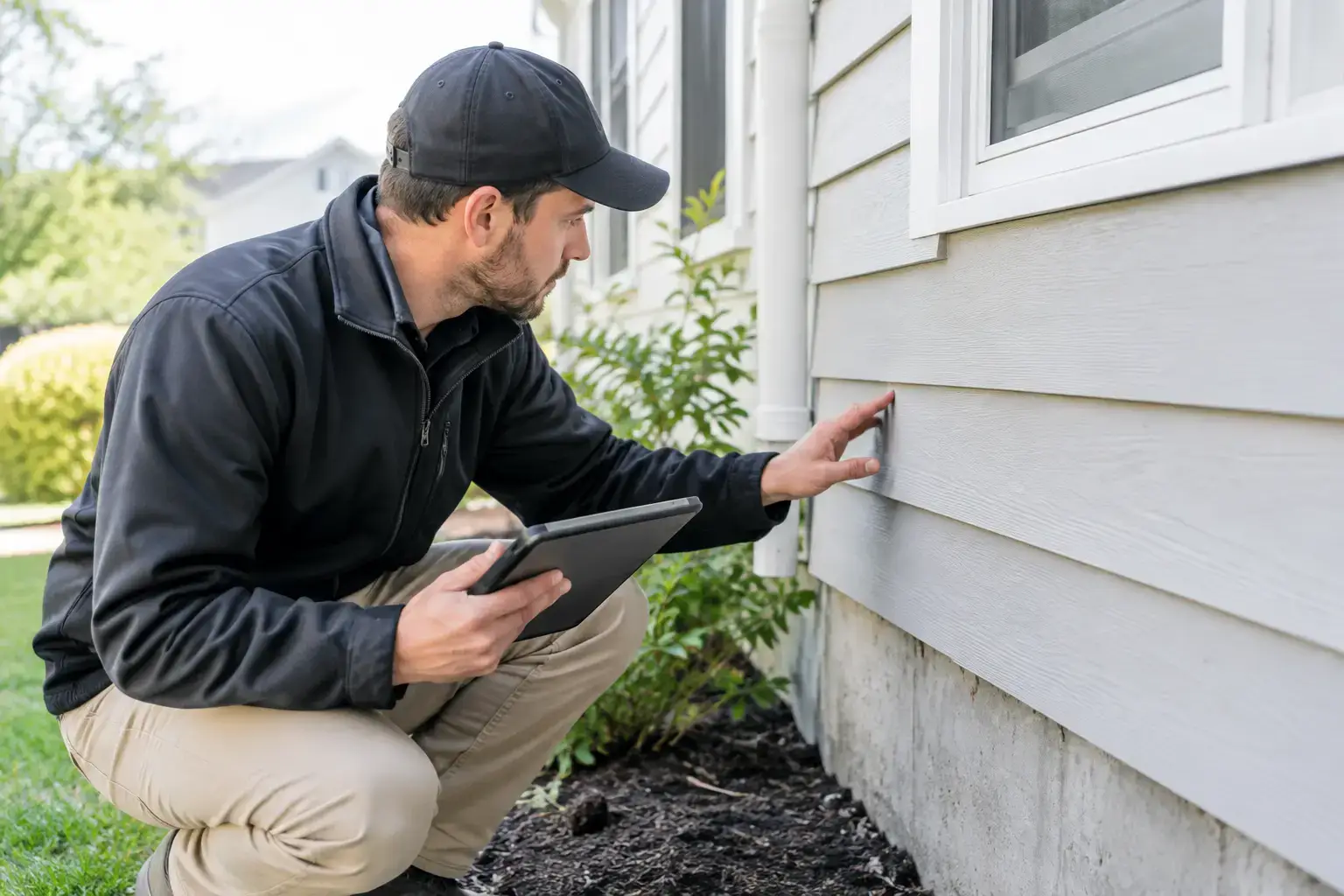
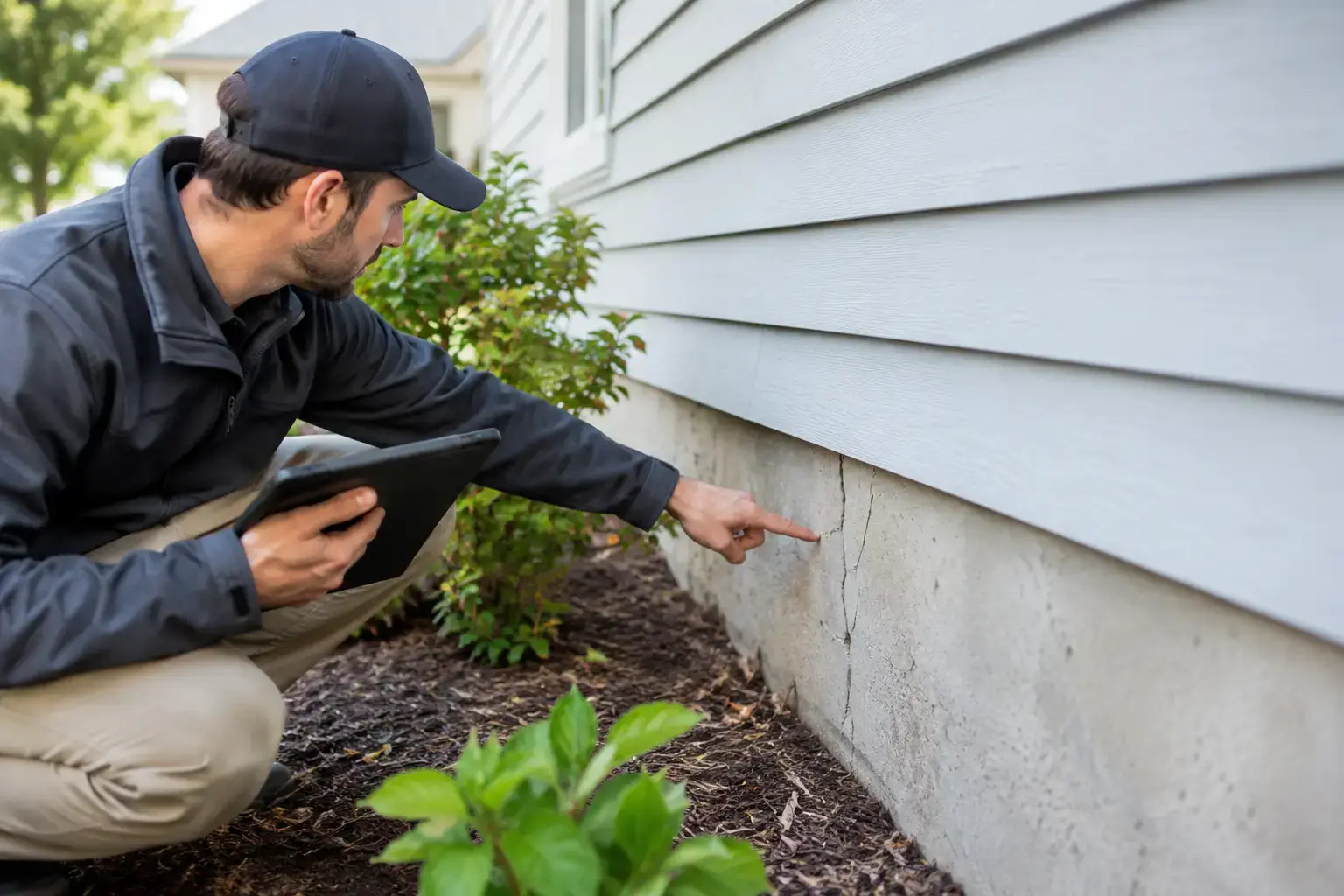
A home can look well cared for at eye level while the ground around it is quietly directing water toward the foundation. That is why the best grading warning signs deserve attention before you make an offer or reach the end of your option period. In Greater Houston, where heavy rain and expansive clay soils are part of the landscape, poor drainage can turn a manageable exterior issue into an expensive long-term concern.
Grading is simply the shape and slope of the soil around a house. Its job is to move rainwater away from the structure, not hold it near the slab, crawlspace, or exterior walls. A home inspection can identify visible grading concerns and help you understand which conditions may need prompt correction, further evaluation, or a closer look at related areas.
Why Lot Grading Matters to Homebuyers
Water is one of a home’s most persistent stressors. When it repeatedly collects near the foundation, it can contribute to soil movement, erosion, damp conditions around exterior materials, and drainage problems that become more noticeable during major storms.
This does not mean every low spot is a deal breaker. Nearly every property has some uneven ground, especially older homes with mature landscaping. The concern is the pattern: Does the site consistently move water away from the house? Are there visible signs that water has been collecting in the same areas? Has someone added landscaping or hardscape that now directs runoff toward the structure?
For Texas buyers, this matters because clay-rich soils can expand when wet and shrink when dry. Repeated swings in moisture around a foundation may increase movement risk. Grading is not the only factor affecting foundation performance, but it is one of the most practical conditions a homeowner can often improve.
Best Grading Warning Signs Around a House
Soil slopes toward the foundation
The most direct concern is soil that visibly slopes down toward the home instead of away from it. Look along the perimeter, particularly below roof valleys, near corners, and beside patios or walkways. If rainwater has a natural path toward the slab or wall, the property may need regrading, improved drainage controls, or both.
A subtle slope can be hard to judge by sight alone. A level-looking yard is not always a problem, but it may not provide enough drainage during heavy rain. The question is whether water has an obvious exit route away from the home.
Standing water or persistent muddy areas
Puddles immediately after a major storm are not unusual. Puddles that remain for days, recurring muddy patches, or soft ground near the foundation deserve closer attention. These conditions can indicate a low area, compacted soil, inadequate drainage, a leaking irrigation component, or a combination of issues.
Pay close attention to areas hidden by side gates, shrubs, air-conditioning equipment, and storage sheds. Buyers often focus on the front and backyard, while narrow side yards reveal where runoff is actually collecting.
Erosion, washed-out mulch, or exposed roots
Moving water leaves clues. Channels in the soil, bare spots where grass will not establish, displaced mulch, and exposed tree roots can all suggest that runoff is concentrated in one area. Erosion near the house is especially important because it can remove soil support and create uneven drainage patterns.
Not every eroded patch points to a foundation issue. A bare area at the bottom of a yard may simply need better landscaping or a controlled drainage path. But erosion that begins near a downspout, roof valley, or foundation corner is worth evaluating in context.
Downspouts that empty beside the house
A properly functioning gutter system can still create a drainage issue when downspouts discharge right at the foundation. During a hard Houston rain, a short downspout can release a surprising volume of water into one small area.
Look for splash blocks that have shifted, crushed extensions, or downspouts ending at a mulch bed against the wall. Extensions are a relatively simple improvement in many cases, but the final discharge point matters. Sending water farther away only helps if it can continue flowing away without creating a new low spot or affecting a neighboring property.
Landscaping built too high against exterior walls
Raised flower beds and fresh soil can make a home look polished, but they can also cover portions of exterior siding, brick weep holes, or the visible edge of the slab. Beyond trapping moisture against the structure, high landscaping can make it harder to see where water is going and where exterior conditions may be developing.
This is common after landscaping upgrades, and the correction may be straightforward. Still, buyers should ask whether the appearance of the yard is masking drainage limitations. Decorative rock, thick mulch, and retaining borders should not make water management harder to assess.
Patios, walkways, and driveways that direct water inward
Concrete surfaces are part of the drainage plan whether they were designed that way or not. A patio that slopes back toward the house, a settled walkway beside the slab, or a driveway edge that funnels water toward a corner can concentrate water where it is least wanted.
Cracks alone do not prove a serious problem. Concrete often cracks from age, soil movement, or installation conditions. What matters is the combination of cracking, settlement, and drainage direction. A slab edge that receives regular runoff deserves more attention than a similar crack in a well-drained area.
Drain inlets, swales, or catch basins that appear neglected
Some properties rely on swales, area drains, catch basins, or other site features to manage water. When these components are filled with leaves, soil, or landscape debris, they may not perform as intended. A drain grate sitting above the surrounding grade can also be a clue that water bypasses it rather than entering it.
Do not assume a visible drain solves the issue. Ask where it discharges and whether the surrounding ground actually directs water into it. A drain system may require maintenance, repair, or further evaluation if its condition cannot be confirmed during the inspection.
Clues Inside the Home That Add Context
Exterior grading should be considered alongside conditions inside and around the structure. Doors that bind, noticeable floor slope, cracks in interior finishes, separated trim, or cracks at exterior masonry openings can provide useful context. None of these signs, by themselves, establish a cause or confirm a structural defect.
The practical point is to avoid looking at one symptom in isolation. If a home has visible drainage concerns and signs of movement, a buyer may need a more specialized evaluation before closing. If the home has minor cosmetic cracking but good drainage and no broader pattern of concern, the next step may be different.
An experienced inspector helps separate conditions that need monitoring from those that warrant prompt action. That protects you from overreacting to ordinary wear while also keeping you from dismissing a pattern that could become costly.
What to Ask Before Your Inspection Period Ends
When grading concerns appear, ask the seller whether the property has experienced ponding, water entry, drainage repairs, foundation work, or recurring gutter issues. Past repairs are not automatically a reason to walk away. Clear documentation and a reasonable explanation can be helpful, while vague answers or evidence of repeated patchwork should prompt further questions.
It is also smart to consider the property after rainfall, not just on a bright, dry showing day. If possible, revisit after a storm or ask for photos showing how the yard drains. Look beyond the home itself to nearby lots, drainage easements, and the street. Water does not stop at a property line, and the surrounding terrain can influence where it travels.
For homes with more significant visible concerns, your inspection report can help you decide whether to request repairs, seek a specialist’s opinion, negotiate based on expected work, or move on to another property. The right choice depends on the severity of the condition, the home’s overall value, and your comfort with future maintenance.
Protect Your Purchase Before Closing
Grading problems are often easier and less expensive to address before they affect other parts of the home. The key is catching them while you still have time to make an informed decision. CK Inspections helps buyers identify visible drainage and site conditions as part of a thorough pre-purchase inspection, with clear reporting that explains what was observed and why it matters.
Before you buy, take a few minutes to walk the perimeter, study the direction of the soil and hard surfaces, and look for evidence of where rainwater has been going. A house should not leave you guessing after the next storm.