A buyer opens the inspection report expecting a simple yes-or-no answer, then gets a long document filled with photos, notes, and recommendations. That moment is exactly why a clear guide to buyer inspection reports matters. A good report does not exist to scare you out of a purchase. It exists to show you the home as it really is, so you can move forward with confidence, renegotiate wisely, or walk away before a costly surprise becomes your problem.
For most buyers, the challenge is not getting the report. It is knowing what to do with it. Some issues look alarming but are routine maintenance. Others seem minor on paper and can signal expensive repairs behind the walls, under the home, or above the ceiling. The key is learning how to separate defects that affect safety, function, and budget from the normal wear you should expect in an existing house.
What buyer inspection reports are really for
A home inspection report is a professional snapshot of the property’s visible condition on the day of the inspection. It typically covers major systems and components such as structure, roofing, electrical, plumbing, HVAC, interiors, exteriors, insulation, and built-in appliances. Depending on the property and services selected, it may also include specialized findings related to wood-destroying insects, sewer lines, thermal imaging, or pools and spas.
That scope matters because buyers sometimes expect an inspection report to function like a warranty or a code certification. It is neither. It does not predict every future failure, and it does not mean a home is perfect if no major defects are found. Instead, it gives you a practical decision-making tool. It helps you understand condition, prioritize repairs, plan future costs, and negotiate from a position of facts rather than assumptions.
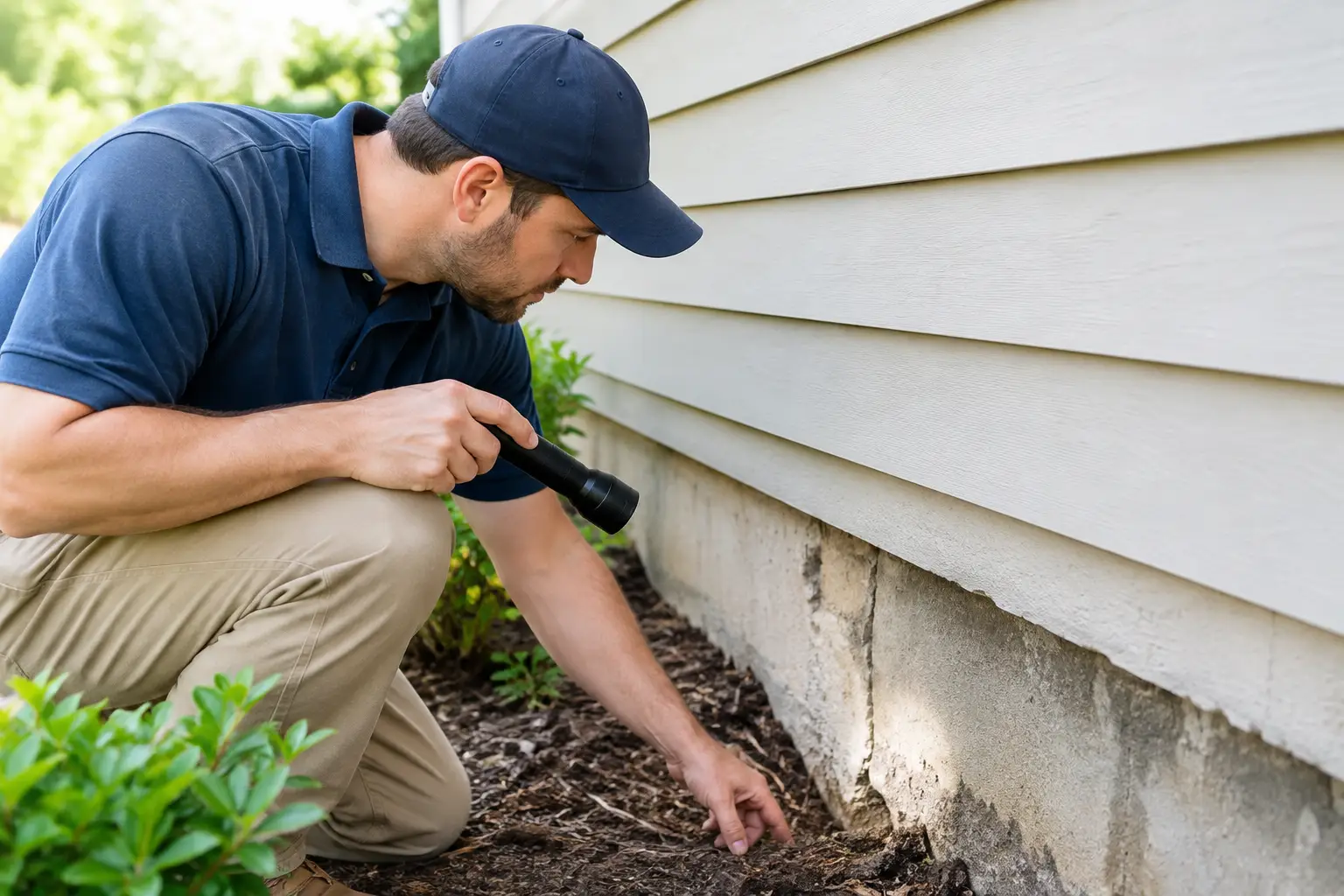
In Texas, where heat, moisture, soil movement, and storm exposure can all affect a home’s performance, this kind of clarity is especially valuable. A report may reveal evidence of foundation movement, aging HVAC equipment, roof wear, plumbing leaks, or moisture concerns that could become expensive quickly if ignored.
How to read a guide to buyer inspection reports without getting overwhelmed
Start with the big picture before reading every line item. Most modern reports are organized to show major concerns first, followed by maintenance issues, deficiencies, and informational notes. Look at the summary section, but do not stop there. The summary tells you where to focus, while the full report provides the context you need to understand severity, location, and likely next steps.
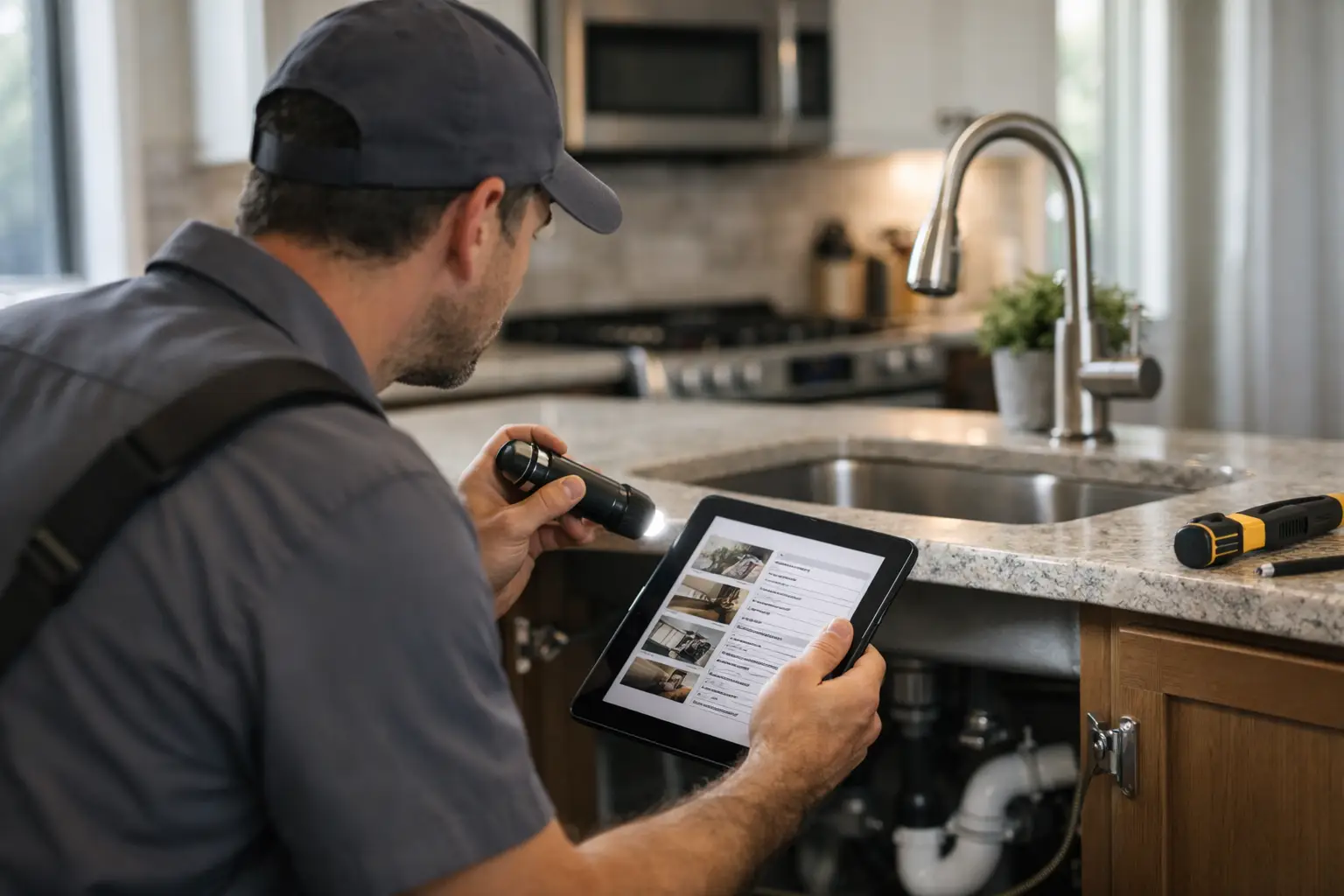
Photos are one of the most useful parts of the report. They show what the inspector saw and help translate technical observations into something easier to understand. When a report includes visual documentation, you can often tell the difference between cosmetic wear and a more significant defect. A stained ceiling, for example, might be old and inactive, or it could point to an active roof or plumbing leak. The written note and photo together tell a much better story than either one alone.
It also helps to read recommendations carefully. Not every comment means immediate replacement. Sometimes the right action is repair, monitoring, servicing, or further evaluation by a licensed specialist. That distinction affects how urgent the issue is and how you might approach negotiations with the seller.
Which findings matter most
Buyers can lose time and leverage by focusing too much on small cosmetic concerns while missing more important issues. In most transactions, the most significant findings fall into a few practical categories.
Safety concerns should rise to the top. Exposed wiring, missing GFCI protection, active gas leaks, unsafe stairs, or evidence of improper venting deserve prompt attention because they affect people, not just property.
Water is another major category. Moisture intrusion, roof leaks, plumbing leaks, poor drainage, and signs of past or active water damage often lead to bigger repair bills if not addressed. Water has a way of turning a manageable issue into multiple issues at once, especially when framing, drywall, insulation, or flooring are involved.
Structural and foundation concerns also deserve close review. In Texas homes, cracks, sloping floors, sticking doors, and separation at trim or exterior masonry may or may not indicate a serious structural problem. It depends on pattern, severity, and supporting evidence. That is why the report language and inspector’s observations matter. Not every crack means foundation failure, but some combinations of symptoms should not be brushed aside.
Then there are major system concerns. An aging HVAC unit that still runs is not the same as one showing signs of failure. A water heater at the end of its expected life may still function fine today, but it tells you a replacement cost could be around the corner. Electrical and plumbing issues vary in the same way. The real question is not whether something is brand new. It is whether it is operating as intended, showing visible defects, or approaching a likely expense you should factor into your budget.
What buyers often misunderstand in inspection reports
One common mistake is treating every item as a seller concession request. That usually backfires. Sellers are more likely to respond reasonably when repair requests focus on material defects, safety issues, active leaks, malfunctioning systems, or significant hidden concerns rather than a long list of minor wear.
Another mistake is assuming older components are automatically defective. Age matters, but condition matters more. A fifteen-year-old system may be operating adequately, while a newer installation may have poor workmanship or improper repairs. Inspection reports help you see the difference.
Buyers also sometimes panic over technical wording. Inspectors document conditions carefully because accuracy matters. Terms like deficient, recommend evaluation, or monitor are not automatic deal killers. They are signals to pause, understand the issue, and decide what level of risk you are willing to accept.
Turning the report into a smart next step
Once you understand the findings, the next move is practical decision-making. Usually that means one of three paths: proceed as planned, negotiate repairs or credits, or reconsider the purchase if the issues are larger than your budget or comfort level.
If the report identifies a few manageable items, you may decide the home still makes sense. In that case, the report becomes your planning tool. You know what needs attention first and what can wait.
If the report identifies meaningful defects, use it to support focused negotiation. This is where organized reporting really helps. A report with clear descriptions, photos, and repair request tools gives buyers and agents a stronger foundation for asking for repairs, credits, or price adjustments. You are not just saying, “Something seems wrong.” You are pointing to documented conditions that affect the home’s value or livability.
There are also cases where the right answer is to pause and get more information. Sewer line concerns, evidence of wood-destroying insects, signs of hidden moisture, or suspected structural movement may warrant specialist evaluation. That extra step can save you from making a decision based on guesswork.
Why post-inspection support matters
A report is only as useful as your ability to understand it. Buyers often review their inspection late at night, between work and lender emails, while trying to meet contract deadlines. Questions come up fast. Is this crack normal? Is this roof issue urgent? Should we ask for repair or credit? What does this mean for insurance or future maintenance?
That is why post-inspection support matters. A thorough inspection company should not disappear after sending the PDF. Buyers benefit from having someone explain the findings in plain language, clarify what is major versus routine, and help them think through next steps without adding pressure. That kind of support protects more than the transaction. It protects your confidence.
For real estate agents, this clarity helps keep deals moving for the right reasons. The goal is not to make every house look flawless. It is to make sure the buyer understands the condition well enough to make an informed decision.
A practical guide to buyer inspection reports for Texas buyers
In competitive markets, some buyers feel pressure to move quickly and overlook defects just to keep the deal together. That is risky. A home inspection report is one of the few tools in the buying process designed specifically to protect you. Use it that way.
Read the summary, then the full report. Pay attention to safety, water, structure, and major systems. Ask questions when language is unclear. Keep repair requests focused on meaningful issues. And remember that no house is perfect, especially a resale home. The goal is not perfection. The goal is knowing what you are buying, what it may cost, and whether the terms still make sense for you.
When a report is detailed, visual, and easy to follow, it turns stress into clarity. That is the standard practical buyers should expect from a company like CK Inspections. The right report does more than point out defects. It gives you a clearer path forward, whether that means buying with confidence, negotiating from strength, or avoiding a mistake you would have paid for long after closing.
Before you sign the final paperwork, make sure you are not buying based on hope. Buy based on what the home is actually telling you.