A home can look spotless during a showing and still have a failing sewer line, unsafe electrical panel, active roof leak, or HVAC system near the end of its life. The best ways to avoid hidden defects are not about finding a “perfect” house. They are about slowing down long enough to understand what you are buying, what may need attention soon, and what costs should be part of your decision before closing.
For buyers in Houston, Cypress, Katy, and nearby communities, that diligence matters. Our heat, heavy rainfall, expansive soils, humidity, and storm exposure can put real pressure on a home’s roof, foundation, drainage, air conditioning, plumbing, and electrical systems. A careful process helps you avoid costly surprises while keeping a good home purchase from becoming an unnecessary source of stress.
Best Ways to Avoid Hidden Defects in a Home Purchase
1. Look beyond fresh paint and staging
A clean, well-staged home can make buyers feel confident quickly. It can also direct attention away from the areas that deserve the closest look. Fresh paint is not automatically a concern, but you should pay attention when it appears only in isolated sections of a ceiling, wall, or exterior trim. Those areas may have been repaired after moisture intrusion, movement, or other damage.
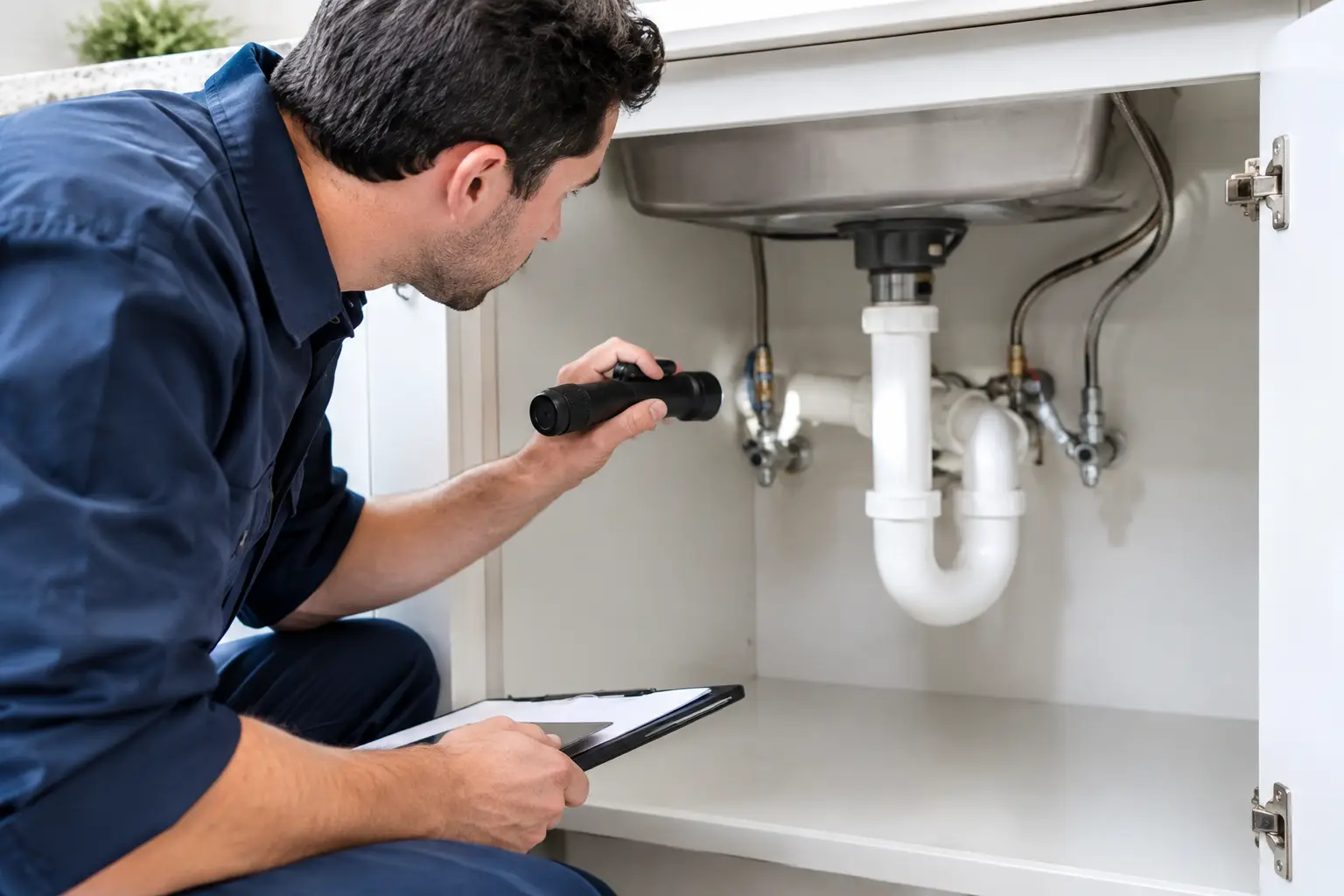
During a showing, look at the property with the furniture and finishes mentally removed. Check for doors that stick, cracks around windows, uneven flooring, stains in closets, soft spots near tubs and toilets, and signs of poor drainage around the exterior. Open cabinets under sinks. Look at the ceiling near vents and around attic access points. Run water at more than one fixture if the seller permits it.
These observations do not replace an inspection, and a visible crack does not automatically mean a structural problem. They do help you ask better questions and identify areas that need closer evaluation.
2. Read the seller’s disclosure, but do not treat it as a guarantee
The seller’s disclosure is a valuable starting point. It may identify previous leaks, foundation repairs, insurance claims, additions, past pest activity, or systems that have required service. Review it before the inspection whenever possible, then compare what is disclosed with what you see at the property.
A disclosure is limited by what the seller knows, remembers, and is required to report. It may not reveal a concealed issue, a problem that developed after the form was completed, or a defect the seller never recognized. A home can also have no reported issues and still need repairs.
Ask focused follow-up questions. When was the roof replaced? Has the HVAC system been serviced recently? Were permits obtained for major renovations? Has the home ever had standing water in the yard or water inside after a storm? Documentation for repairs and maintenance can provide useful context, especially for major systems.
3. Protect the inspection period in your contract
An inspection contingency gives you time to learn about the property before your option period ends. That time is one of your strongest consumer protections. Do not wait until the last minute to schedule the inspection, particularly in a competitive market or during busy moving seasons.
A thorough home inspection is visual and non-invasive, which means an inspector cannot open walls, move personal belongings, or guarantee the future performance of every component. Still, it provides a professional evaluation of accessible structural elements, roofing, electrical, plumbing, HVAC, interiors, and other major components. The report should clearly separate significant concerns from routine maintenance items so you can focus on what matters most.
Be present for the inspection if your schedule allows. The report is essential, but walking the property with the inspector gives you practical context. You can see where a concern is located, understand its likely impact, and ask what next step makes sense.
4. Match the inspection services to the home’s risk
A standard inspection is the foundation, not always the full picture. The right add-on services depend on the age, location, features, and visible condition of the property.
For example, a sewer camera inspection can be especially valuable for an older home, a property with mature trees, slow drains, or a history of plumbing work. Buried sewer lines are not visible during a standard inspection, and repairing a damaged line can be disruptive and expensive.
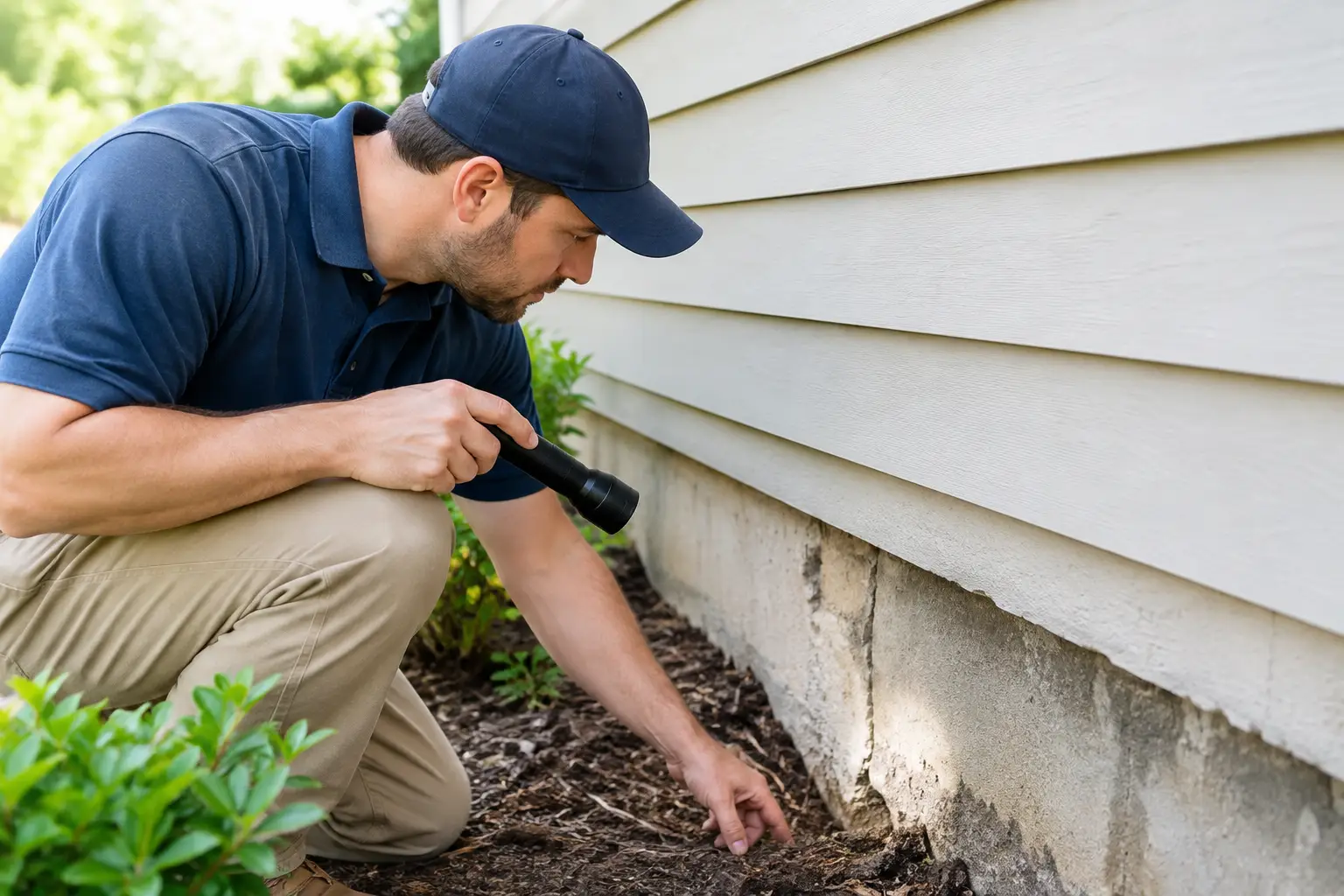
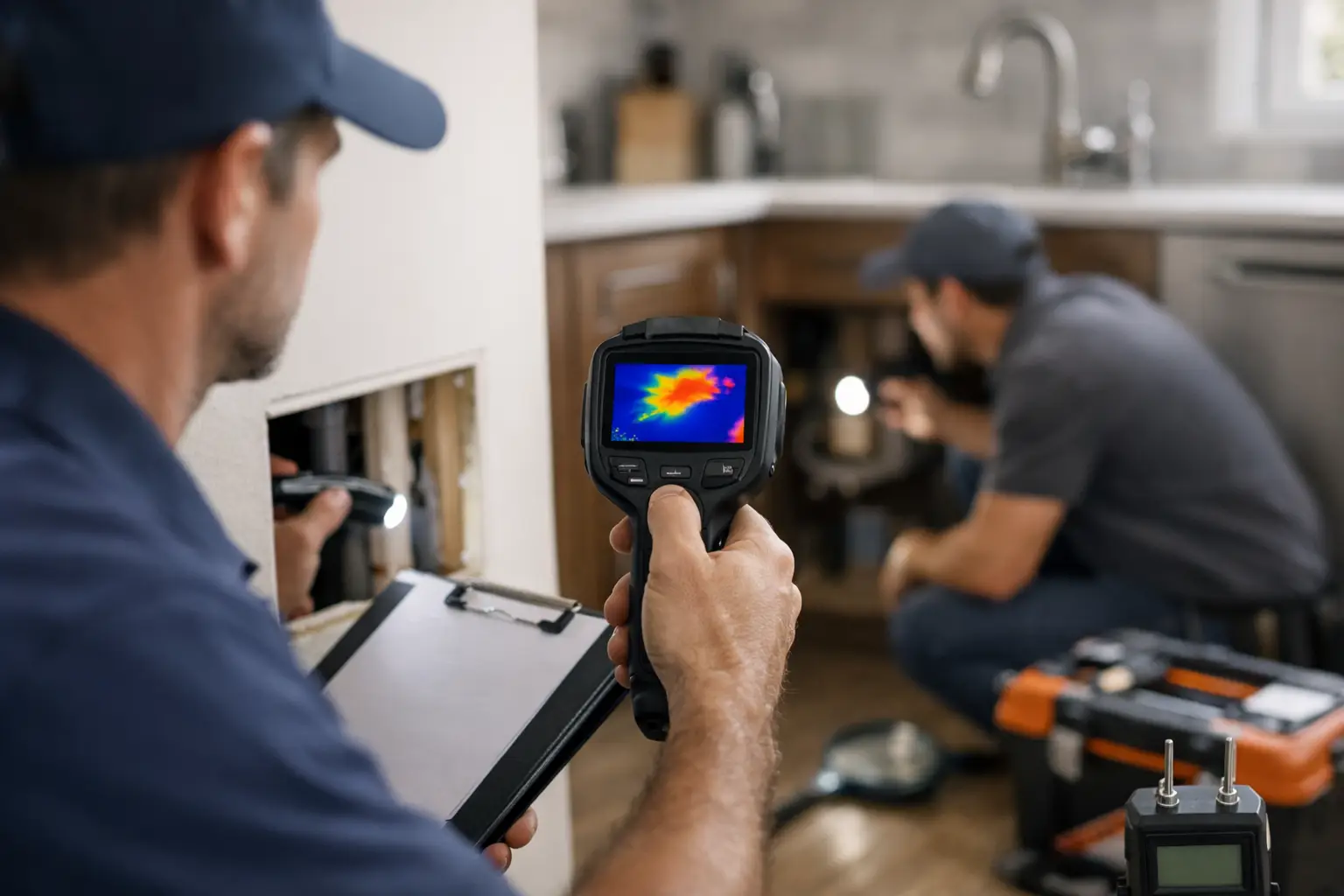
Thermal imaging can help identify temperature differences that may point to moisture intrusion, insulation gaps, or electrical concerns. It does not see through walls or diagnose every issue, but it can direct attention to areas that need further review. A wood-destroying insect inspection is a smart consideration in our humid Texas climate, where termites and other pests can damage concealed wood components. If the property has a pool or spa, a dedicated evaluation can help identify concerns with equipment, safety features, surfaces, and circulation systems.
The goal is not to add every possible service without reason. It is to choose the evaluations that address the property’s real risks. A qualified inspector can help you decide where added information is worth the cost.
Pay Close Attention to the Systems That Create Big Repair Bills
5. Treat water management as a major buying decision
Water is one of the most common sources of expensive hidden damage. In the Greater Houston area, buyers should look closely at roof condition, gutters, grading, drainage paths, exterior penetrations, windows, plumbing fixtures, and attic areas. A small leak can remain unnoticed until it creates damaged framing, mold-like growth, deteriorated finishes, or electrical concerns.
Outside, observe whether soil slopes away from the foundation and whether downspouts move water away from the home. Pooled water, erosion, clogged gutters, and low areas near the slab deserve attention. Inside, water stains may be old and repaired, or they may point to an active issue. The condition of the surrounding materials and moisture readings can help determine whether further evaluation is needed.
Foundation movement also requires context. Minor cosmetic cracks can be common, while wider cracks, uneven floors, separated trim, or doors that no longer operate properly may warrant review by a qualified foundation specialist. Do not assume, but do not dismiss patterns either.
6. Verify the age and condition of major equipment
A home’s air conditioner, furnace, water heater, roof, and electrical system can represent some of the largest post-closing expenses. Ask about their ages, service history, repairs, and remaining expected life. A system may be working on inspection day but still be approaching replacement.
That distinction matters in negotiations. A buyer does not always need the seller to replace an older system that is functioning as intended. However, you should know whether you are likely to face a major expense soon. Price, repair concessions, home warranty coverage, and your own maintenance budget can all affect the right decision.
For electrical components, outdated panels, improper wiring, missing safety protections, and amateur modifications should be taken seriously. For HVAC equipment, poor cooling performance, damaged ductwork, condensate drainage issues, and deferred maintenance can affect comfort, energy costs, and reliability in a Texas summer.
7. Use the inspection report to make a practical decision
No home inspection report should be read as a pass-or-fail grade. Nearly every property, including newer construction, has findings. The real value is in understanding severity, safety, cost, and timing.
Organize findings into three groups: items needing prompt repair or specialist evaluation, items that may require budgeting in the near future, and routine maintenance. Then discuss the high-priority concerns with your real estate agent and, when needed, obtain estimates from licensed specialists. An inspector identifies visible conditions and recommends next steps; contractors and specialists can provide repair scopes and pricing.
Keep repair requests focused. Asking a seller to address every small defect can create friction without improving your position. Prioritize material safety concerns, active leaks, major functional defects, and issues that could lead to significant damage. A detailed report with photos makes those conversations clearer and helps everyone stay focused on the property rather than opinions.
Confidence Comes From Knowing What You Are Taking On
The right home is not always the newest home or the one with the shortest report. It is the home whose condition you understand well enough to move forward with clear expectations. When you review disclosures carefully, inspect early, select useful specialty services, and respond thoughtfully to the findings, you are far less likely to buy blind.
CK Inspections helps buyers turn inspection findings into practical next steps, with detailed visual reporting and support that continues after the appointment. Before you commit to a home, give yourself the information needed to protect your investment and make your next decision with confidence.