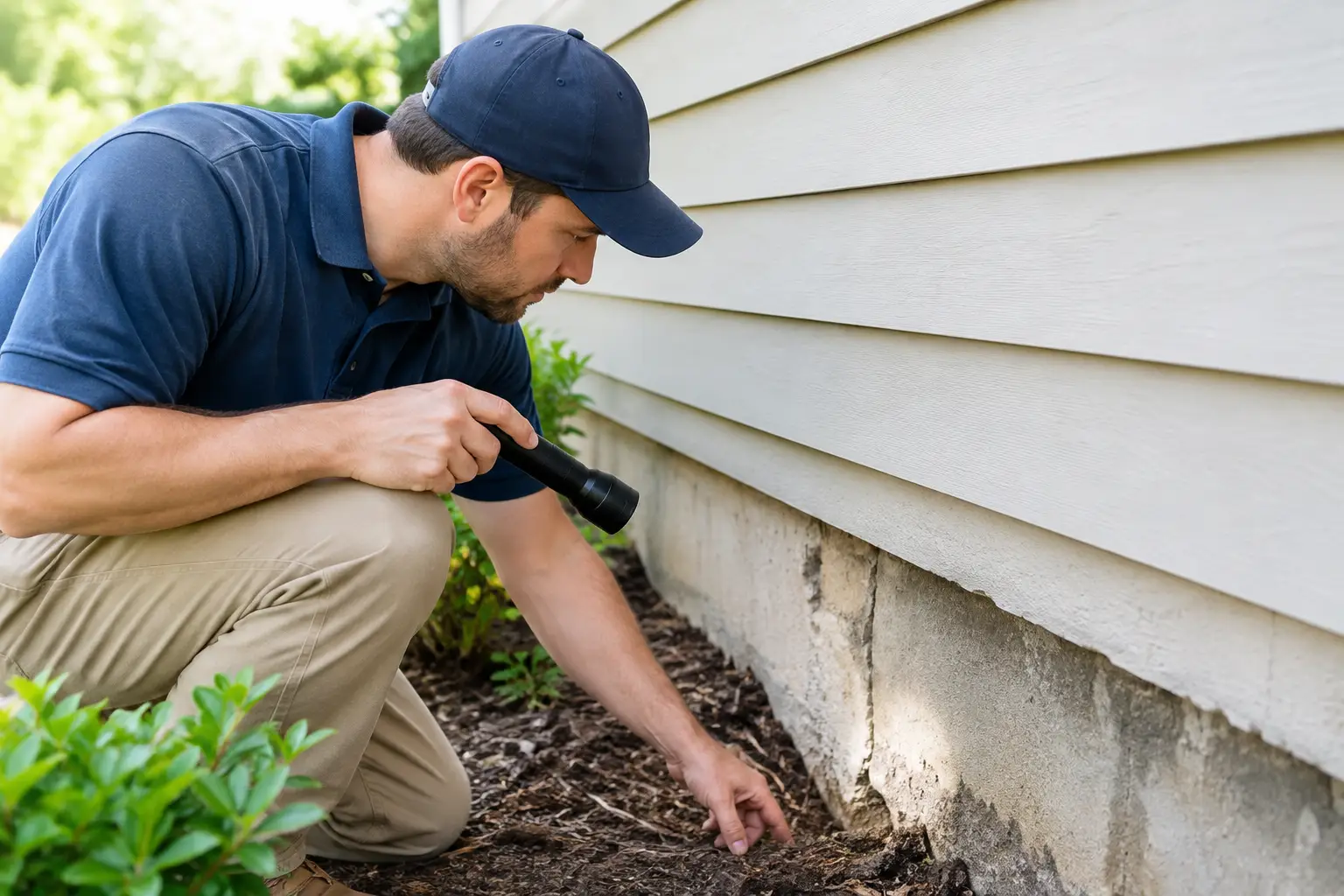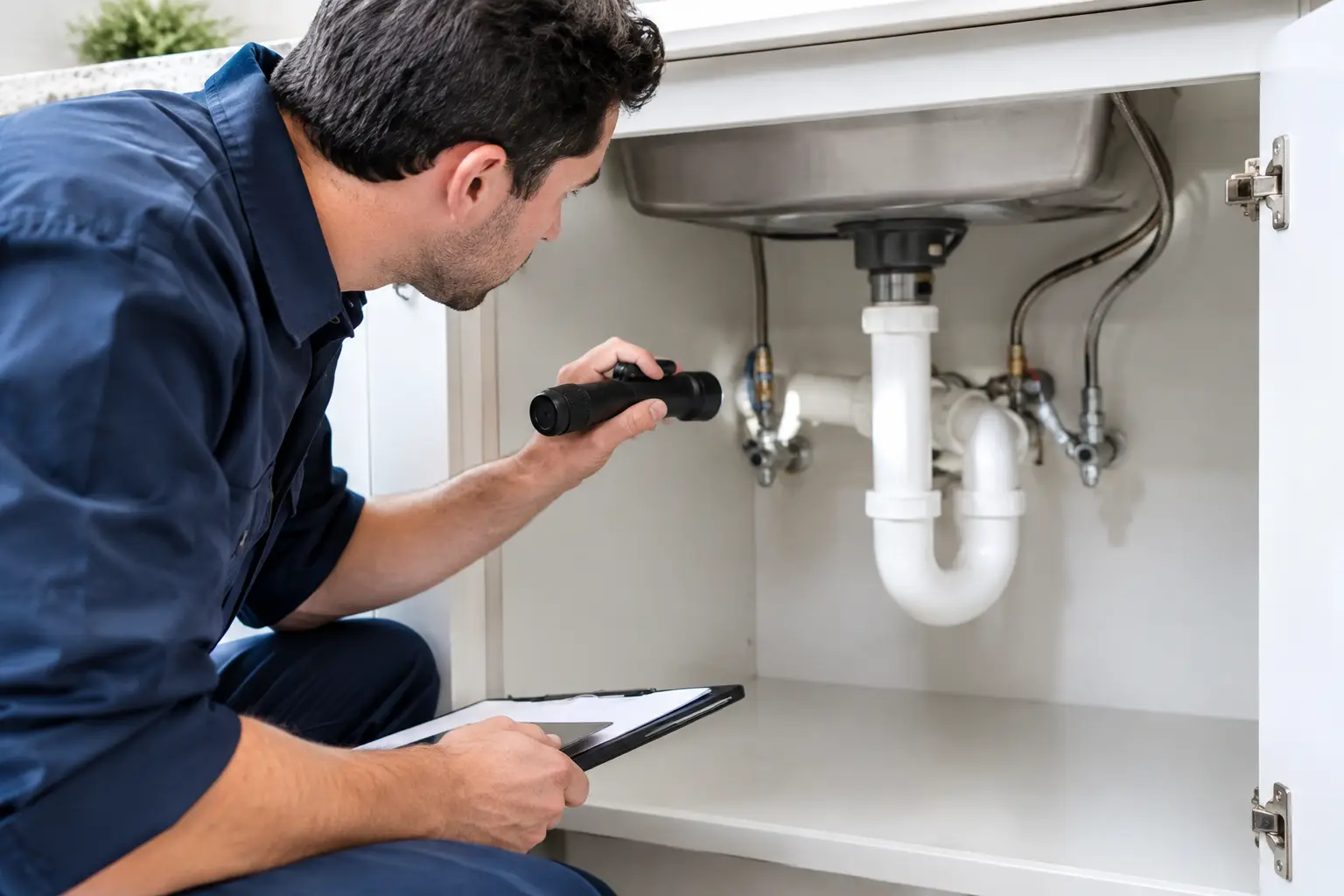
A home can look clean, updated, and well maintained on the surface while hiding a serious plumbing problem underground. That is exactly why this guide to sewer line inspections matters for buyers. A sewer issue is easy to miss during a standard walk-through, but once you own the home, the repair bill becomes your problem.
For buyers in Houston, Cypress, Katy, and nearby Texas communities, this is more than a technical add-on. It is a practical way to avoid costly surprises before closing. Sewer line defects can affect older homes, recently flipped homes, and even properties that seem move-in ready. If the main line is cracked, blocked, sagging, or invaded by roots, the damage can be expensive and disruptive.
What a sewer line inspection actually is
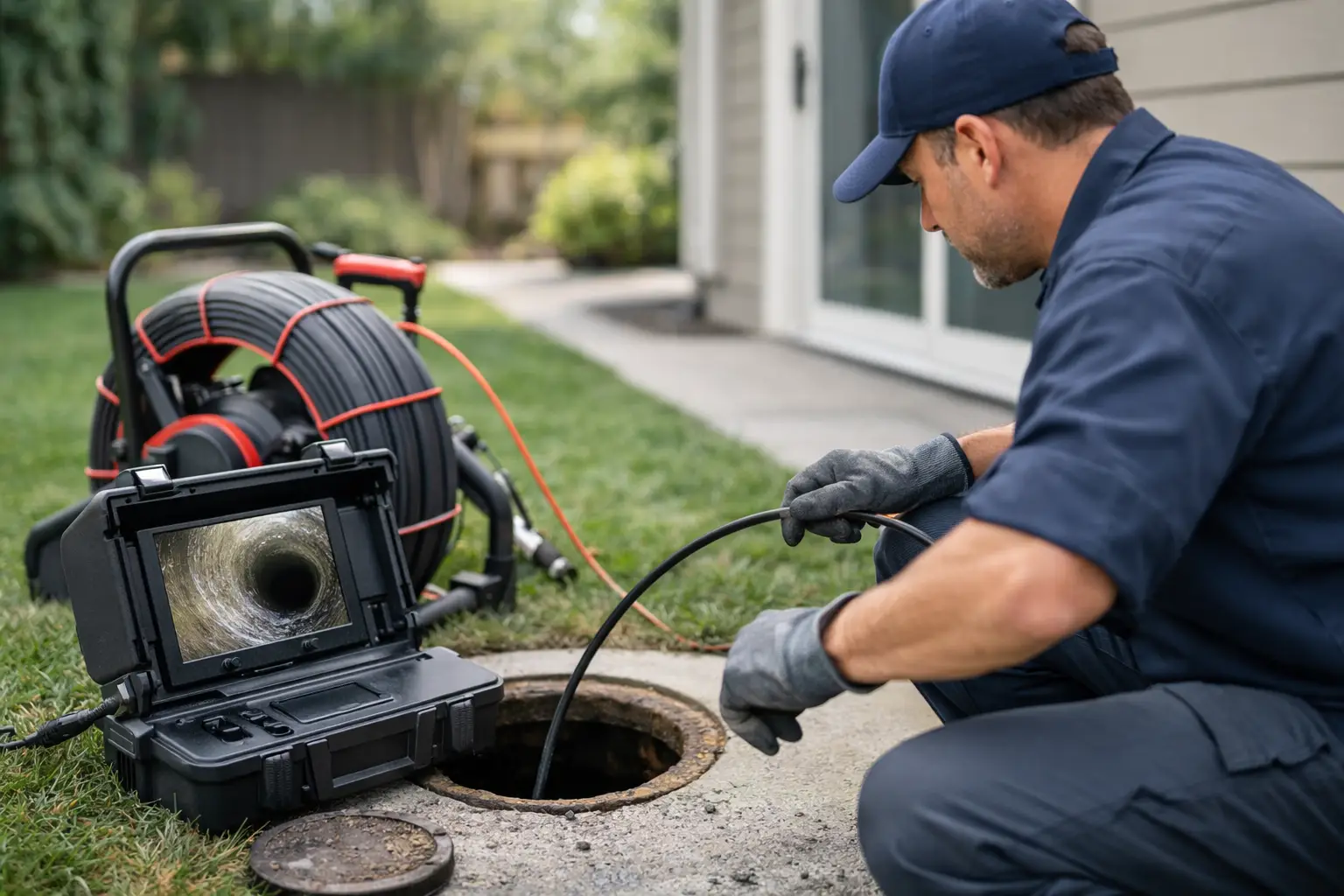
A sewer line inspection uses a specialized camera to look inside the home’s main drain line. The camera is typically inserted through an accessible cleanout and pushed through the pipe toward the city connection or septic tie-in, depending on the property. This allows the inspector to see the interior condition of the line rather than making assumptions from sinks, tubs, or toilets that seem to drain normally.
That distinction matters. A home can have no obvious backup on inspection day and still have a damaged or restricted sewer line. Some problems only show up under heavier use. Others have been temporarily cleared but not truly fixed.
The camera inspection helps reveal whether the line is flowing as intended and whether there are visible defects that should be addressed before you move forward. It turns an unknown underground system into something you can evaluate with more confidence.
Why a guide to sewer line inspections matters before closing
Most buyers understand the value of checking the roof, HVAC system, electrical panel, and foundation. The sewer line often gets less attention because it is out of sight. Unfortunately, underground plumbing failures can rank among the most expensive post-purchase surprises.
A damaged sewer line can lead to repeated backups, foul odors, slow drainage, yard saturation, or wastewater entering the home. Repairs may involve excavation, tunneling, pipe replacement, or coordination with the city. Costs can rise quickly depending on the depth of the line, access limitations, landscaping, and whether the pipe runs under driveways, patios, or slabs.
This is where due diligence pays off. A sewer camera inspection gives buyers useful leverage before closing. If a defect is found, you may be able to negotiate repairs, request seller concessions, plan for future work, or reconsider the purchase if the condition is severe. That is a very different position than finding out after the keys are in your hand.
What problems sewer camera inspections can find
A camera inspection does not predict every future plumbing issue, but it can identify many common defects and warning signs. In practical terms, the most valuable findings are the ones that suggest the line is already compromised or heading that way.
Tree root intrusion is a frequent concern, especially in established neighborhoods with mature landscaping. Roots are drawn to moisture and can enter small pipe openings, then expand over time. What starts as a minor intrusion can become a recurring blockage or a break.
Cracks, fractures, and separated joints are also important findings. These defects may allow leakage into the surrounding soil or let roots enter the line. In older homes, aging materials such as cast iron or clay can be more vulnerable to deterioration.
A camera may also reveal bellies or low spots in the line. This means part of the pipe has sagged and may hold water or waste instead of carrying it away efficiently. Not every low spot creates an immediate emergency, but it can contribute to chronic drainage problems.
Other possible findings include grease buildup, scale, corrosion, offset connections, construction debris, and evidence of past repairs. The significance depends on what is seen, how severe it is, and whether it appears to be affecting flow.
When buyers should consider a sewer line inspection
Not every home carries the same level of sewer risk, but there are situations where this service makes especially good sense. Older homes are high on the list, particularly if the original drain piping may still be in place. Age alone does not confirm a problem, but it increases the value of getting eyes inside the line.
Homes with large trees in the yard are another strong candidate. Root intrusion is common enough that mature landscaping should raise the question, especially if the sewer route passes near major root systems.
You should also consider a sewer line inspection if there are signs of past plumbing trouble. These may include slow drains, fresh patches in the yard, evidence of recent drain cleaning, sewer odors, or seller disclosures mentioning backups or plumbing repairs. A recent remodel is not always reassuring either. New finishes can hide old infrastructure.
Even in newer homes, a sewer scope can be worthwhile. Construction debris, improper installation, or settlement-related issues can affect newer lines too. The point is not to assume every home has a sewer problem. It is to avoid buying blind when the cost of being wrong can be significant.
What happens during the inspection
In most cases, the inspector locates an accessible cleanout and feeds the camera into the sewer line. As the camera moves through the pipe, the inspector watches the live video to evaluate the pipe walls, joints, flow conditions, and any visible obstructions or damage.
The process is typically straightforward, but access conditions matter. If there is no usable cleanout, if the line is obstructed, or if the system configuration limits access, the inspection may be restricted. That is one reason it helps to work with an inspection company that explains what was inspected, what could not be inspected, and what findings need further review.
A professional report should keep the information organized and understandable. Buyers do not need raw footage with no context. They need clear documentation, visual evidence, and practical guidance on what the findings may mean for the transaction.
How to read the results without overreacting
A sewer line inspection is valuable because it adds clarity, not because every imperfection is a deal breaker. Some findings are maintenance issues. Others point to repair or replacement needs. The difference matters.
For example, a minor buildup that can be cleared may not carry the same weight as a cracked line with root intrusion and standing water. Likewise, an older line that shows wear but is still functional should be viewed differently than one with active failure signs. This is where experience and clear reporting matter.
Buyers should focus on a few practical questions. Is the defect affecting function now. Is it likely to worsen soon. What type of repair may be needed. And what could the cost range look like in this market. Sometimes the right response is to request further evaluation by a licensed plumber. Sometimes it is to negotiate. Sometimes it is simply to proceed with better information.
Sewer line inspections and Texas homebuyers
Texas buyers often focus heavily on foundation movement, roofing, and HVAC because those issues are common and expensive. That makes sense, but underground drain lines deserve a place in the same conversation. Soil movement, aging materials, root growth, and deferred maintenance can all affect sewer performance over time.
In a competitive market, buyers may feel pressure to limit add-on services and keep the deal moving. That is understandable, but skipping a sewer scope to save a little during escrow can become very expensive later. The better question is whether the risk justifies the inspection cost for this specific home. In many cases, it does.
For clients who want a clearer picture before closing, a company like CK Inspections can help document what is visible in the line and present findings in a way that supports informed decisions rather than guesswork. That kind of clarity protects both buyers and the transaction.
The real value of a guide to sewer line inspections
The real value is not just finding defects. It is gaining decision-making power while you still have options. Before closing, information can help you negotiate, budget, or walk away from a property that carries more risk than expected. After closing, the same discovery often becomes a costly emergency.
A sewer camera inspection will not eliminate every unknown in a home purchase. No single service can do that. But it can expose one of the most expensive hidden problems a buyer may face, and that makes it one of the smartest add-ons to consider when the home, age, site conditions, or history suggest elevated risk.
If you are buying a home and want fewer surprises after move-in, pay attention to what is happening below the surface. Peace of mind is better when it is backed by evidence.