You get the appraisal notice from the lender, the inspection period is on the calendar, and suddenly two similar-sounding steps start to blur together. That confusion can cost buyers time, leverage, and peace of mind. Understanding home inspection versus appraisal differences matters because these two services answer completely different questions about the property you are about to buy.
An appraisal helps the lender decide whether the home supports the loan amount. A home inspection helps you understand the actual condition of the property. One is primarily about value for financing. The other is about defects, safety concerns, aging components, and the risk of expensive repairs after closing. If you are buying a home in Houston, Cypress, Katy, or nearby Texas communities, knowing the difference can keep you from buying blind.
Home inspection versus appraisal differences at a glance
The simplest way to think about it is this: an appraiser looks at market value, while an inspector looks at the house itself.
An appraiser compares the property to recent nearby sales, considers size, location, condition, upgrades, and market trends, and then forms an opinion of value. That value protects the lender’s financial interest. If the home does not appraise at the contract price, the lender may reduce the loan amount or require the buyer and seller to renegotiate.
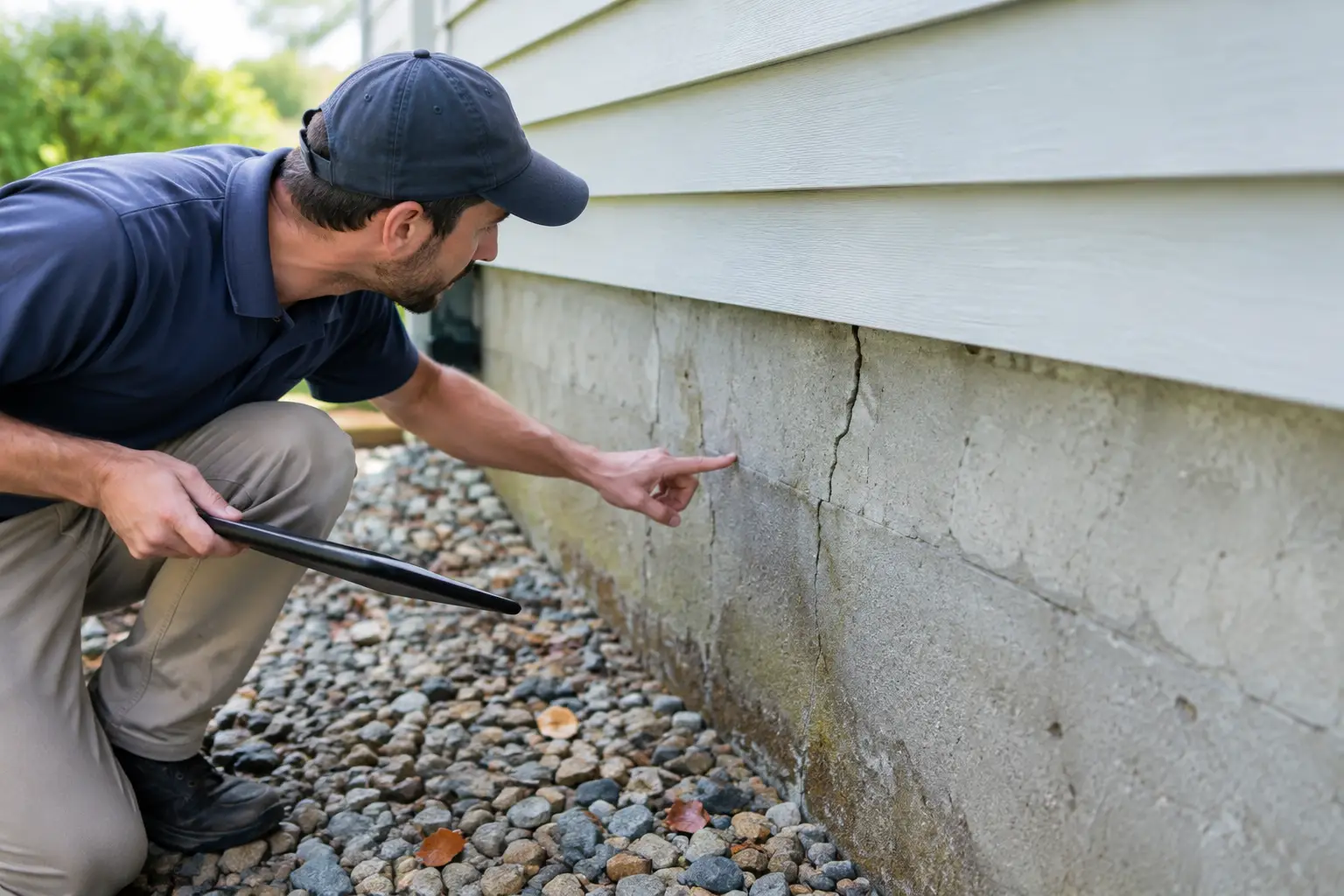
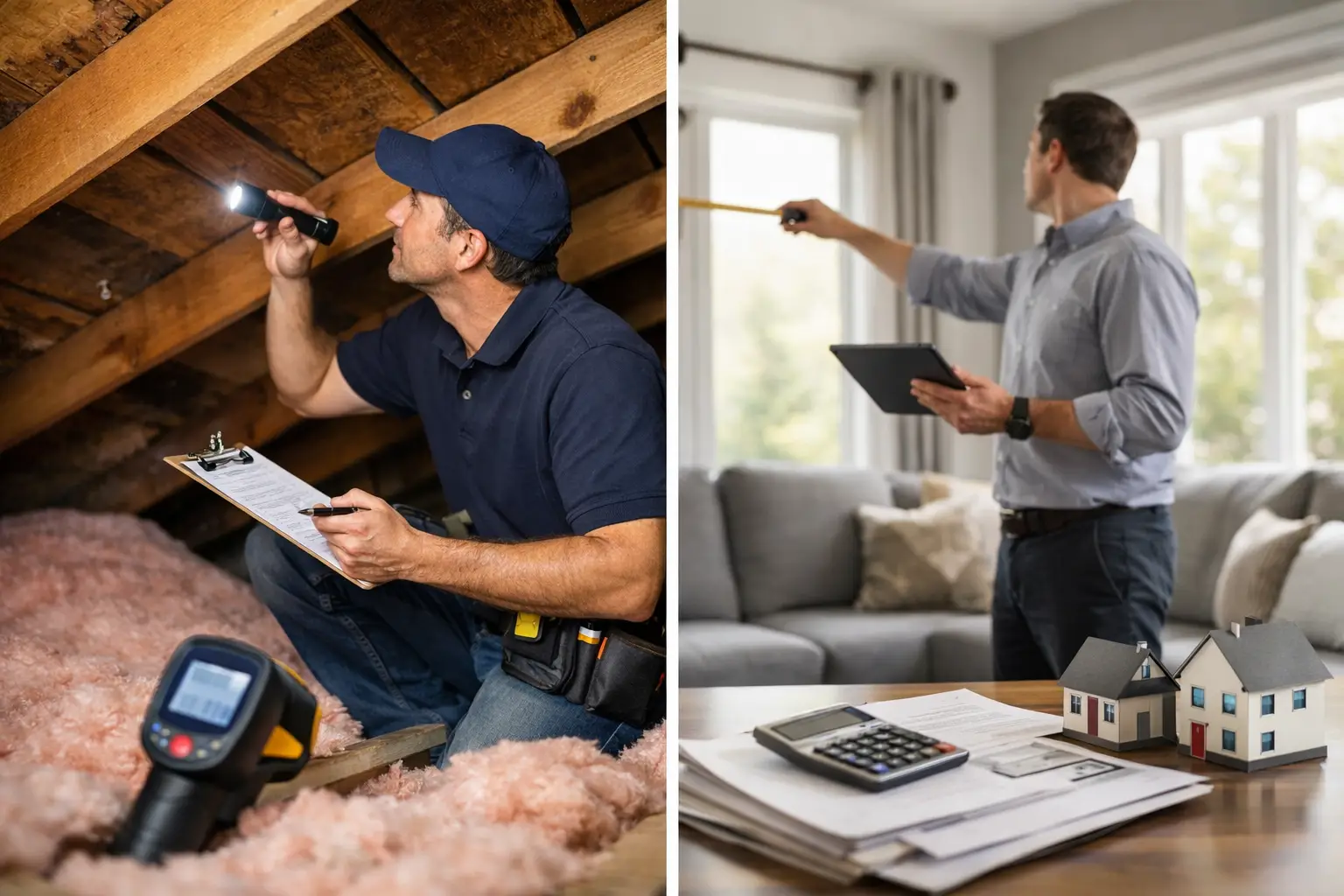
A home inspector, by contrast, examines the visible and accessible systems and components of the house. That includes areas like the roof, attic, structure, electrical, plumbing, HVAC, interior, exterior, and built-in appliances. The goal is not to assign a dollar value to the home. The goal is to uncover problems, explain what they mean, and give the buyer a clearer picture of what they may be taking on.
These are not interchangeable services, and one does not replace the other.
What a home inspection is really for
A home inspection is a risk-reduction step for the buyer. It is one of the few moments in the transaction where someone is focused on the home’s condition from a practical, consumer-protective perspective.
A good inspection can reveal issues that are easy to miss during a showing, especially when a property looks clean and well staged. Fresh paint does not tell you whether the attic has signs of previous leaks. A nice kitchen does not tell you whether the electrical panel has defects. A strong first impression does not tell you whether the HVAC is near the end of its service life.
That is why buyers schedule inspections before closing. The findings can influence whether you move forward, ask for repairs, request credits, renegotiate the price, or simply prepare your budget for future maintenance. In other words, the inspection gives you decision-making power.
In Texas, this matters even more because homes can face demanding conditions – long cooling seasons, heavy rain events, shifting soils, drainage concerns, and age-related wear in major systems. A detailed inspection report with photos and organized findings helps buyers make sense of those risks without guessing.
What an appraisal is really for
An appraisal serves a different client and a different purpose. Even though the buyer usually pays for it as part of the transaction, the appraisal is generally ordered for the lender.
The lender wants to know whether the home is worth enough to justify the loan. If the borrower defaults, the lender wants confidence that the property has sufficient market value relative to the amount being financed.
That means the appraiser is not performing a buyer-protection inspection. The appraiser may note obvious condition issues if they affect value or loan eligibility, but that is not the same as a thorough evaluation of the home’s systems. The appraiser is not there to test outlets in the way an inspector does, document deficiencies throughout the attic, or describe maintenance concerns in a way that helps you plan ownership costs.
This distinction is where many buyers get tripped up. They assume the appraisal will catch major problems because someone is visiting the house. Sometimes obvious issues do get flagged. Many others do not.
Why buyers should never treat an appraisal like an inspection
If you skip the inspection because the home appraised well, you are relying on the wrong tool.
A home can appraise at contract price and still have a failing roof, active plumbing leaks, unsafe wiring, poor drainage, wood-destroying insect activity, foundation movement, or an HVAC system on borrowed time. The market may still support the sale price because comparable homes in the area sold at similar numbers. Value and condition are related, but they are not the same thing.
The reverse can also happen. A home may be in solid condition and still appraise below contract price because of neighborhood sales data, market shifts, or a lack of strong comparable properties. That does not necessarily mean the house is defective. It means the appraiser’s market-based opinion of value came in lower than expected.
For buyers, this is the key practical takeaway: the appraisal protects the lender’s position, while the inspection protects your decision.
Home inspection versus appraisal differences in the real transaction
During a real estate transaction, the inspection often happens early in the option or due diligence period. That timing matters because it gives the buyer room to respond to findings before they are fully committed.
If the inspection reveals significant issues, you may be able to request repairs, negotiate a credit, ask for a price adjustment, or walk away depending on your contract terms. That window can save buyers from inheriting large repair bills.
The appraisal usually comes later and affects financing. If it comes in at value, the loan process moves forward more smoothly. If it comes in low, you may need to bring more cash to closing, challenge the appraisal, renegotiate with the seller, or terminate the deal if the contract allows.
So while both steps can impact the transaction, they do so in very different ways. The inspection shapes your understanding of the property. The appraisal shapes the lender’s willingness to fund the purchase at the agreed price.
What each professional looks at
There is some overlap in a broad sense because both professionals visit the property, but the depth and purpose are very different.
A home inspector evaluates visible and accessible components and documents material defects, safety concerns, deferred maintenance, and performance issues. Depending on the service package, buyers may also add specialty inspections for concerns that a standard inspection does not fully address, such as sewer lines, pools and spas, thermal anomalies, or wood-destroying insects.
An appraiser focuses on square footage, layout, condition level, site characteristics, permanent features, updates, and comparable sales. They are assessing how the property fits into the local market and what it is worth in that context.
That is why an appraiser may spend less time testing systems and more time measuring, photographing, and comparing. An inspector, on the other hand, is more likely to identify a loose toilet, missing GFCI protection, deteriorated roof coverings, signs of moisture intrusion, or improper grading near the foundation.
Which one matters more?
For financing, the appraisal matters. For protecting yourself from costly surprises, the inspection matters more.
That is not a knock on appraisals. They serve an essential role in lending. But if you are asking which step gives a buyer the most useful information about what they are actually purchasing, the inspection is usually the answer.
This is especially true for first-time buyers, who may not yet have a feel for how expensive home repairs can be. A single issue with roofing, plumbing, foundation movement, or HVAC can change the real cost of ownership fast. Even smaller defects can add up when several systems are aging at once.
A detailed inspection does not guarantee a perfect home, because no house is perfect. What it does provide is visibility. That visibility gives you a stronger negotiating position and a more honest picture of the property.
The smartest approach is to understand both
The best buyers do not choose between an inspection and an appraisal as if one cancels out the other. They understand what each one is designed to do and use both pieces of information wisely.
If the home inspection finds defects, you can address those issues before closing or decide whether the deal still makes sense. If the appraisal comes in low, you can deal with the financing and pricing side of the transaction. Those are separate questions, and both matter.
For buyers who want fewer surprises, clearer next steps, and more confidence before closing, the inspection is where the practical protection happens. That is why companies like CK Inspections focus so heavily on thorough reporting, visual documentation, and support after the appointment. The goal is simple: help you see the home more clearly before it becomes your responsibility.
When the stakes are this high, it helps to remember one simple rule. An appraisal tells you what the market may pay. An inspection helps you understand what the house may ask from you after move-in.