If you are asking what do inspectors check before you buy a house, you are asking the right question at the right time. A home can look clean, updated, and move-in ready on the surface while still hiding expensive problems behind walls, above ceilings, or under the structure. The inspection is where you get a clearer picture of what you are really buying.
For most buyers, a home inspection is not about finding a perfect house. It is about finding the truth. A qualified inspector is there to evaluate the visible, accessible components of the property, identify defects, point out safety concerns, and help you understand which issues are minor maintenance items and which ones could affect your budget or decision to move forward.
What do inspectors check during a home inspection?
A standard residential inspection covers the home’s major systems and structural components. That usually includes the roof, foundation, exterior, attic, insulation, electrical system, plumbing, HVAC, interior rooms, doors, windows, built-in appliances, and more. The goal is not to tear into the house or predict every future failure. The goal is to document the condition of what can be seen and tested on the day of the inspection.
That distinction matters. Inspectors are thorough, but they are not performing invasive testing. If an issue is hidden behind finished surfaces, furniture, storage, or locked areas, it may not be fully visible. That is one reason detailed reporting and clear photos matter so much. Buyers need to know both what was found and where limits existed.
Structural components and foundation
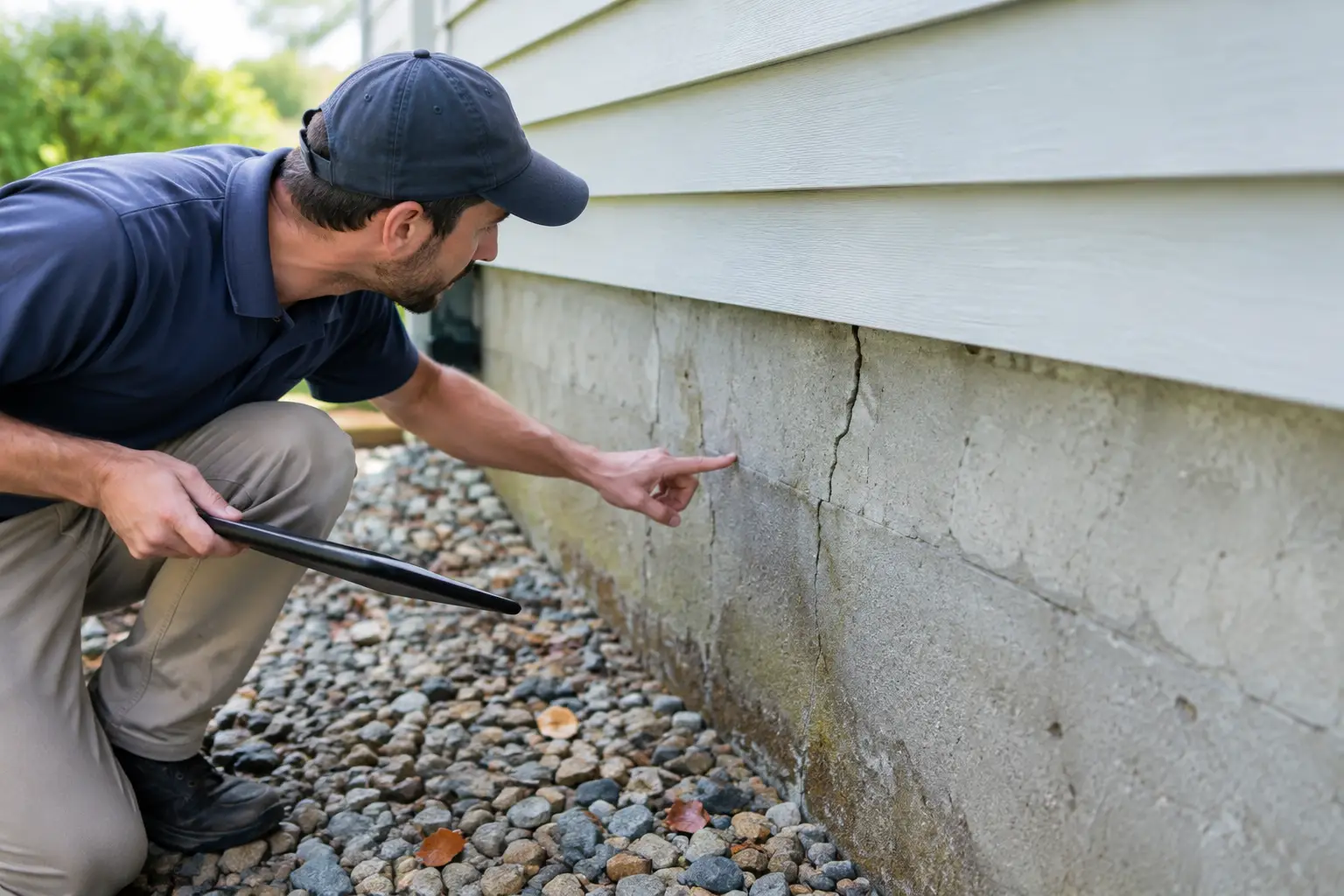
One of the first concerns buyers have in Texas is the structure. Inspectors pay close attention to the foundation, walls, ceilings, floors, and framing for signs of movement or stress. That can include cracks in brick or drywall, sloping floors, doors that stick, gaps at trim, or signs that portions of the home are settling unevenly.
Not every crack means major structural trouble. Houses expand, contract, and age. But patterns matter. A good inspector looks at the size, location, and possible cause of those conditions rather than treating every cosmetic flaw like a crisis. In areas like Houston, Cypress, and Katy, where soil movement can be part of the conversation, this part of the inspection carries real weight.
Roof, attic, and drainage
Roof issues are among the most expensive surprises a buyer can inherit. Inspectors check the roof covering, flashing, penetrations, gutters, drainage patterns, and visible signs of wear or storm damage. They are looking for missing materials, damaged shingles, soft spots, exposed fasteners, poor repairs, and conditions that may allow water intrusion.
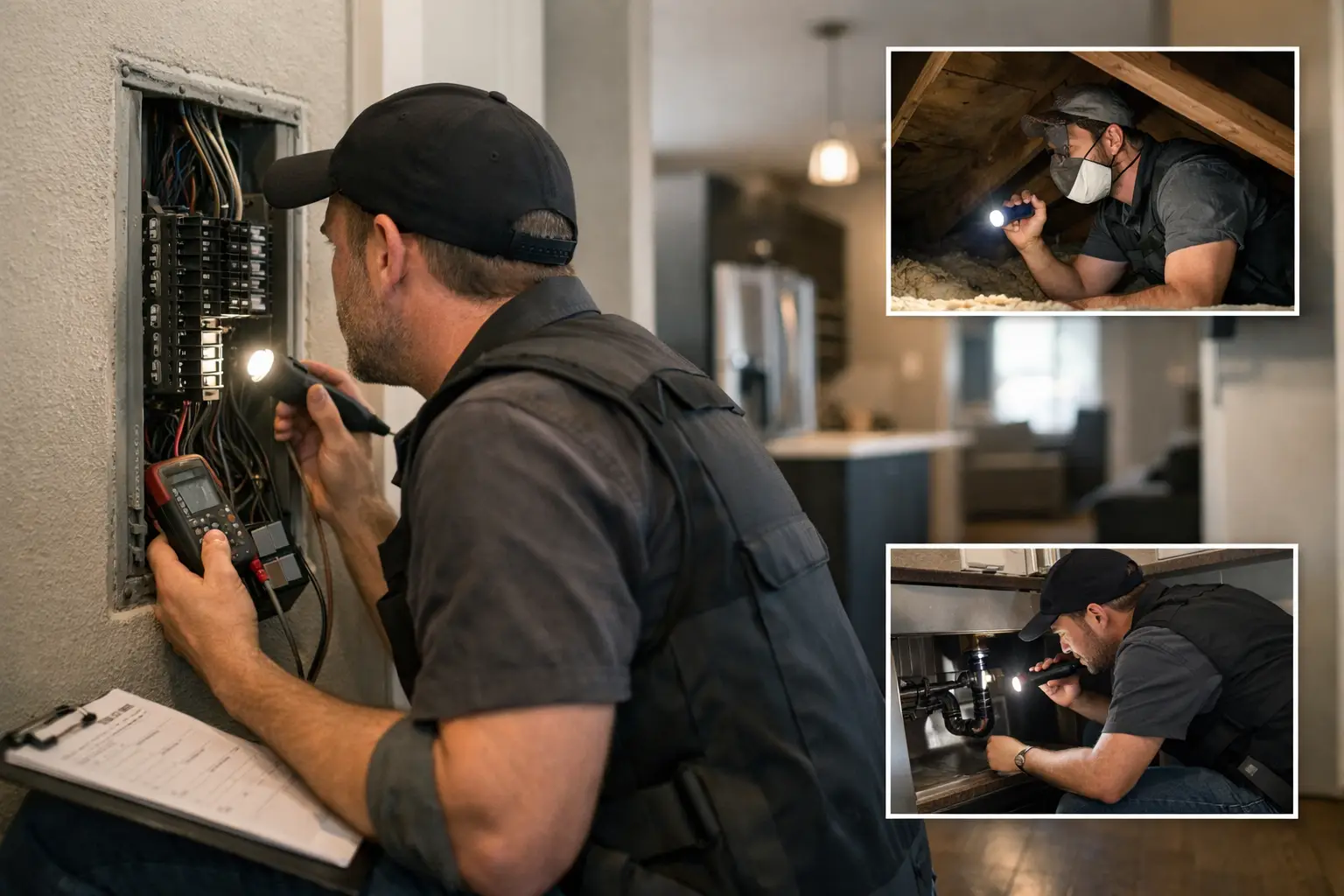
Inside the attic, they also look for staining, active leaks, improper ventilation, insulation concerns, and framing issues. An attic often tells the story of how the house has been performing over time. Even when the roof looks acceptable from the ground, the attic may reveal moisture problems, heat buildup, or past repairs that deserve a closer look.
Drainage around the home matters too. If water is not directed away from the foundation, that can contribute to structural movement and moisture intrusion. Grading, downspout discharge, and low spots near the home are all worth attention.
Electrical system
The electrical system is one of the most important areas inspectors evaluate because defects here can affect both safety and function. They typically inspect the main panel, visible wiring, breakers, grounding and bonding, receptacles, switches, and fixtures.
Common concerns include double-tapped breakers, missing knockouts, improper wiring methods, reversed polarity, ungrounded outlets, and signs of overheating. Sometimes the issue is age. Other times it is poor workmanship from past repairs or unlicensed modifications.
An inspector is not there to redesign the system, but they can identify defects that may need correction by a qualified electrician. For buyers, this is especially helpful because electrical issues are easy to miss during a showing and can become costly once you move in.
Plumbing system
When buyers think about plumbing, they often think about whether faucets turn on. Inspectors go further. They check visible supply lines, drain lines, fixtures, water heaters, shut-off valves, and signs of leaks, corrosion, or improper installation.
They are also watching for slow drains, loose toilets, inadequate water pressure, missing safety components, and moisture damage beneath sinks or around tubs and showers. A water heater gets close attention because age, installation quality, and missing safety features can all create future expense.
Plumbing issues can range from simple repairs to hidden drain line problems. That is why some buyers choose to add a sewer camera inspection. A standard inspection may reveal signs that suggest a problem, but a camera inspection can provide a much clearer view of the sewer line itself.
HVAC system
In Texas, the heating and cooling system is not a minor detail. Inspectors check the visible condition and basic operation of the HVAC equipment, including the thermostat, air handler, condenser, ducts, and vents. They look for poor cooling performance, dirty components, damaged insulation, rust, blocked drain lines, and other signs of wear.
This part of the inspection is important because an HVAC system can still turn on and yet have underlying issues that affect efficiency, comfort, or service life. Age matters here, but condition matters more. A well-maintained older unit may perform better than a newer one that was poorly installed or neglected.
Inspectors do not perform destructive testing or full engineering analysis, so there are limits. But if the system is not cooling properly, has visible defects, or shows signs of deferred maintenance, that should be part of your decision-making before closing.
Interior rooms, windows, and doors
The interior inspection covers more than cosmetic appearance. Inspectors evaluate walls, ceilings, floors, stairs, railings, windows, doors, and visible signs of water intrusion or damage. They test a representative number of windows and doors for operation and look for issues such as broken seals, damaged frames, missing safety glazing, or settlement-related sticking.
They also check for indications of previous repairs, active leaks, or conditions that may point to larger problems. Stains on a ceiling, for example, may be old and inactive, or they may be evidence of an unresolved roof or plumbing leak. Context matters, and this is where an experienced inspector helps separate minor wear from warning signs.
Kitchen appliances and built-in components
Most standard home inspections include a check of built-in appliances such as the dishwasher, range, oven, microwave, garbage disposal, and vent hood. Inspectors test basic operation, not long-term performance. In other words, they can tell you whether an appliance responded during the inspection, but they cannot guarantee how long it will last.
That is still valuable information. Built-in items are part of the transaction, and defects can affect both convenience and negotiation. The same practical approach applies throughout the inspection. The question is not whether every component is brand new. It is whether it is functioning as intended and whether there are visible concerns you should know before you buy.
Exterior surfaces and site conditions
Outside the home, inspectors examine siding, trim, soffits, fascia, porches, walkways, driveways, grading, and other visible exterior features. They look for wood rot, cracks, missing sealant, trip hazards, poor drainage, and conditions that may allow moisture or pests to enter the home.
This part of the inspection can reveal maintenance issues that seem small on their own but become costly if ignored. A gap at trim, damaged siding, or poor grading may not feel urgent during a walkthrough. Over time, though, those issues can lead to water damage, structural deterioration, or pest activity.
What inspectors check that buyers often overlook
Some of the most valuable findings are not dramatic. They are the quiet warning signs buyers might never notice on their own. Improper ventilation in the attic, active moisture beneath a sink, unsafe wiring in the panel, or evidence of wood-destroying insects can all affect your costs after closing.
This is also where add-on services can make sense. Depending on the property, buyers may benefit from thermal imaging, pool and spa inspection, wood-destroying insect inspection, or a sewer camera inspection. Not every home needs every add-on. It depends on the age of the property, visible risk factors, and how much certainty you want before moving forward.
What a home inspection does not check
A good inspection is comprehensive, but it is not unlimited. Inspectors generally do not open walls, move heavy furniture, predict future market value, or guarantee that a system will never fail. They inspect what is visible and accessible at the time of the appointment.
That is not a weakness. It is simply the standard. The real value comes from getting a professional, organized evaluation of the home as it stands, along with clear documentation you can use for negotiations, repair requests, and planning.
For buyers who want to avoid costly surprises, that clarity matters. A careful inspection gives you leverage, perspective, and peace of mind. And when the report is detailed, visual, and easy to understand, you can move forward with confidence instead of guesswork.
If you are buying a home, do not focus only on whether the house feels right. Make sure you understand how it is performing behind the scenes. That is where the inspection earns its value, and that is often where the smartest decisions begin.