The house looks right. The photos were great, the showing went smoothly, and the contract is moving forward. Then comes the moment that protects you from buying blind: the home inspection before closing. This is where excitement meets verification, and for most buyers, it is one of the most important steps between an accepted offer and the final signature.
A home can present well and still have expensive problems hiding in the attic, behind electrical panels, under sinks, or along the roofline. That is why a professional inspection matters. It gives you a clearer picture of the property’s actual condition so you can move forward with more confidence, ask for repairs, negotiate credits, or decide whether the risk is worth it.
Why a home inspection before closing matters
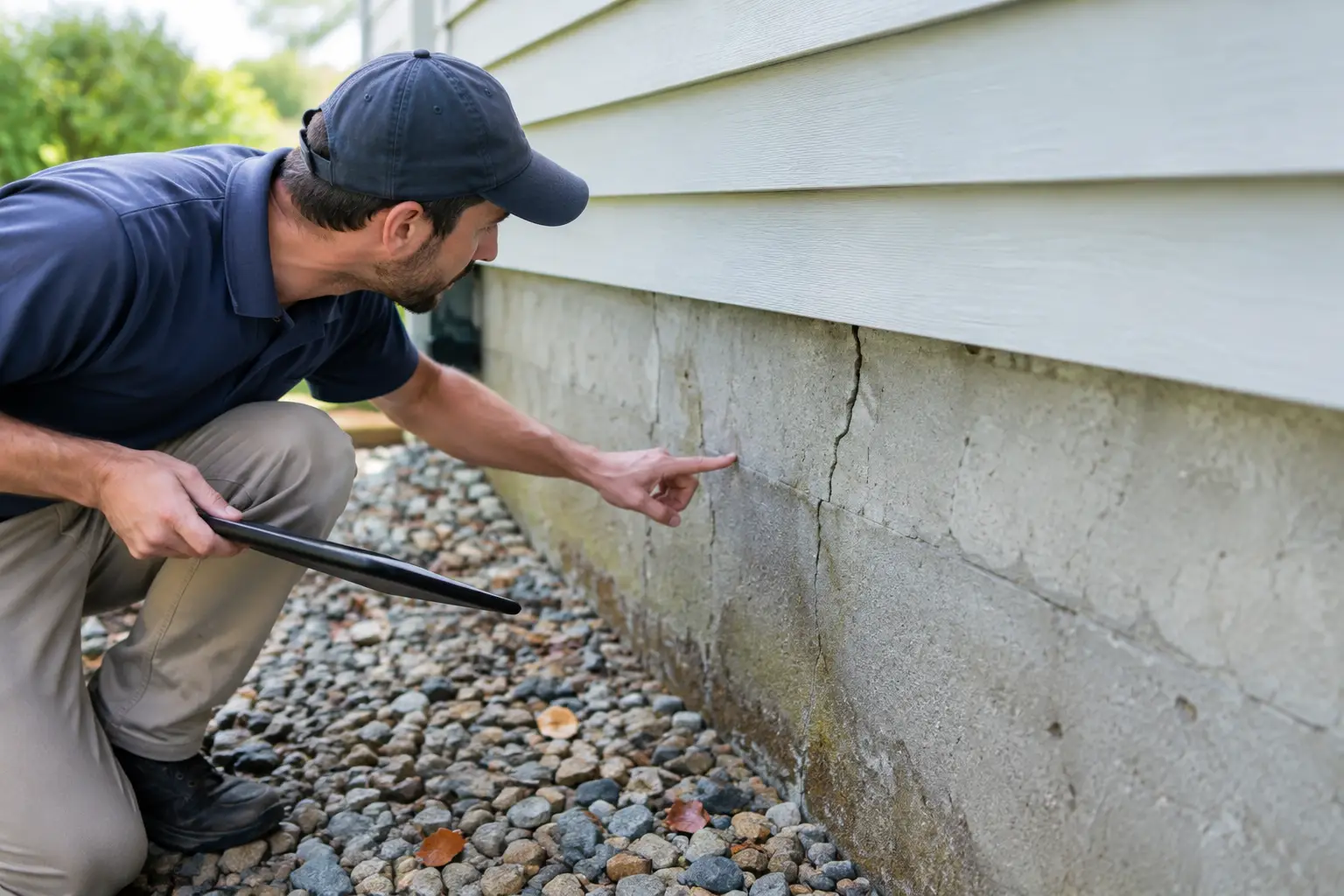
A home purchase is more than a transaction. It is a major financial commitment, and the inspection period is your chance to slow down and confirm what you are really buying. Cosmetic finishes can distract from larger concerns like foundation movement, aging HVAC equipment, unsafe wiring, plumbing leaks, or roof damage.
A home inspection before closing helps uncover issues that may not be obvious during a walkthrough. Even newer homes can have defects. Poor workmanship, deferred maintenance, drainage problems, and system wear do not always show up in listing photos or seller disclosures.
For buyers in Houston, Cypress, Katy, and surrounding Texas communities, this step can be especially valuable. Heat, humidity, heavy rain, shifting soil, and storm exposure can all affect a home’s condition over time. What looks minor on the surface may point to a larger repair need later.
The goal is not to create fear around the purchase. The goal is to replace guesswork with facts.
What the inspection usually covers
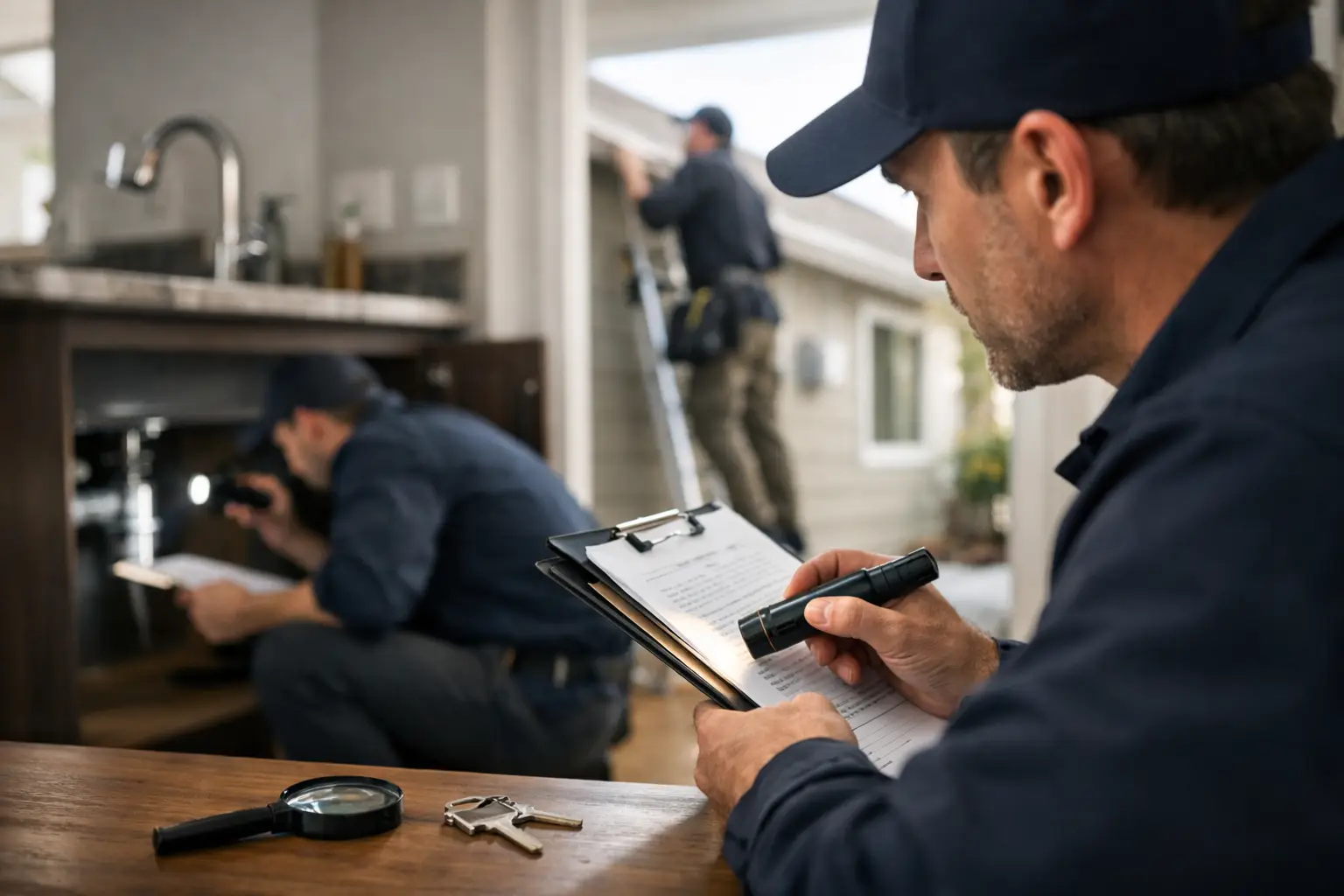
Most pre-purchase inspections focus on the home’s major systems and components. That typically includes the structure, roof, exterior, attic, electrical, plumbing, HVAC, interior rooms, windows, doors, insulation, and visible signs of moisture intrusion or damage.
A strong inspection report should do more than list defects. It should organize findings clearly, explain why they matter, and include visual documentation so you can understand the condition of the home without having to interpret technical language on your own.
Some buyers also need add-on services depending on the property. In Texas, wood-destroying insect inspections can be important, especially where moisture or previous damage is suspected. Sewer line camera inspections may be worth considering for older homes or properties with drainage concerns. Thermal imaging can help identify hidden moisture patterns or insulation gaps, and pool and spa inspections are smart when those features are part of the purchase.
Not every home needs every add-on. It depends on the age of the property, visible conditions, and your risk tolerance as a buyer.
What an inspection does and does not do
It helps to go into the process with realistic expectations. A home inspection is a visual evaluation of accessible systems and components at the time of the inspection. It is not a guarantee that every issue in the house will be found, and it is not a prediction of every future failure.
That said, a thorough inspection can still be one of the most powerful tools you have as a buyer. It often reveals active problems, safety concerns, signs of poor repairs, and components that may be near the end of their service life. That information can shape your negotiations and your budget from day one.
It is also worth remembering that inspectors are not there to pass or fail a house. Almost every home has findings. The real question is whether those findings are manageable, negotiable, or severe enough to change your decision.
When to schedule a home inspection before closing
The best time to schedule the inspection is as soon as your contract allows during the option or inspection period. Waiting too long can put pressure on your decision-making if problems are discovered late.
Early scheduling gives you more room to review the report, get repair estimates if needed, and talk through your next steps with your agent. If specialist evaluations are recommended, such as by a roofer, electrician, plumber, or foundation contractor, you will want enough time to arrange those before deadlines arrive.
In a competitive market, some buyers feel tempted to shorten contingencies or move quickly without enough due diligence. That can make a deal look stronger on paper, but it can also expose you to expensive surprises after closing. Speed matters in real estate, but protection matters more.
Should buyers attend the inspection?
If your schedule allows, attending at least part of the inspection can be very helpful. You do not need to follow the inspector for every minute, but being there near the end to review key findings in person often makes the report easier to understand.
You can ask practical questions, see problem areas firsthand, and learn where the main shutoffs, panels, filters, and maintenance items are located. For first-time buyers especially, that walkthrough can make the home feel less mysterious and more manageable.
If you cannot attend, the quality of the report becomes even more important. Clear photos, organized sections, and straightforward explanations can make a major difference when you are deciding how to proceed.
What happens if the inspection finds problems?
This is where the inspection becomes useful, not alarming. Findings give you leverage and clarity. Depending on the contract and the nature of the issues, buyers may ask the seller to make repairs, request a credit, negotiate the price, or accept the condition and move forward.
The right response depends on the severity of the issue. A loose doorknob or minor drywall crack is very different from active roof leaks, unsafe electrical conditions, foundation concerns, or a failing air conditioning system in a Texas summer.
It also depends on the age and price of the home. An older property will usually have more wear than a newer one, and that does not automatically make it a bad purchase. What matters is whether the condition aligns with your expectations, budget, and willingness to take on repairs.
Many buyers make the mistake of focusing only on the number of findings. The better approach is to focus on the impact of the findings. Safety issues, water intrusion, structural movement, and major system defects deserve more attention than a long list of minor maintenance items.
How the report helps you negotiate
A good inspection report supports smart conversations. It gives buyers and agents documented findings that can be used to request repairs or concessions with more precision.
This matters because vague concerns are easy to dismiss. Specific observations, photos, and clearly organized repair items are much more useful during negotiations. Instead of saying the house has “some issues,” you can point to the exact condition, why it matters, and what kind of follow-up may be needed.
This is one reason buyers often appreciate inspection companies that offer modern, easy-to-read reports and repair request tools. The process becomes more efficient, and the path from discovery to decision is clearer.
Common Texas concerns buyers should take seriously
While every house is different, some issues tend to come up more often in this market. Foundation movement can be a major concern in areas with expansive clay soils. Drainage problems can lead to water intrusion or long-term structural stress. Roof wear matters after years of sun, heat, wind, and storms. HVAC performance is critical in a region where cooling is not optional for much of the year.
Plumbing issues also deserve careful attention, especially in older homes with aging supply or drain lines. Electrical concerns can range from outdated panels to unsafe modifications made over time. In some properties, evidence of wood-destroying insects may also affect your risk assessment and repair planning.
None of these issues automatically kills a deal. But each one can affect your budget, your insurance considerations, and your confidence in the purchase.
Choosing the right inspection company
Not all inspections are equal. Buyers need more than a quick checklist. They need a careful evaluator who looks closely, documents clearly, and remains available for questions after the appointment.
A strong inspection company will help you understand the difference between a routine maintenance recommendation and a major concern. That kind of clarity matters when emotions are high and contract deadlines are close. It is also where experience and communication style make a real difference.
For buyers who want detailed reporting, visual evidence, and support that continues after the inspection, working with a company like CK Inspections can add real peace of mind to the process.
The right home inspection before closing does not just point out defects. It helps you make a better decision with your eyes open. Whether the report confirms the house is in solid shape or uncovers issues that need attention, you are in a stronger position when you know what you are walking into. Before you sign the final paperwork, make sure the home has earned your confidence.