If you’re buying with a VA loan, one misunderstanding can cost you time, money, and negotiating power: many buyers assume the VA appraisal and a home inspection are basically the same thing. They are not. When people search for va home inspection requirements, they usually want to know whether the Department of Veterans Affairs actually requires a buyer to get a full inspection before closing. The short answer is no – but skipping one is still a risk most buyers should not take.
For VA buyers in Texas, that distinction matters. A VA appraisal is focused on value and broad property condition standards. A professional home inspection is focused on finding defects, safety concerns, aging systems, and expensive issues that may not be obvious during a showing. If you want to avoid costly surprises, you need to understand where the VA loan process ends and where your own due diligence begins.
What are the VA home inspection requirements?
Strictly speaking, there is no universal VA rule that says every borrower must purchase a separate home inspection. The VA requires an appraisal for the loan, not a standard buyer’s inspection. That is why the phrase va home inspection requirements can be a little misleading.
What the VA does care about is whether the property meets its Minimum Property Requirements, often called MPRs. These are baseline standards intended to make sure the home is safe, structurally sound, and sanitary. If the appraiser notices problems that suggest the home does not meet those standards, the lender may require repairs or additional review before the loan can move forward.
That still does not replace an inspection. An appraiser is not performing the same detailed analysis an inspector does. They are not testing the home as deeply, documenting defects room by room, or giving you the kind of practical maintenance and repair insight that helps you make a confident buying decision.
VA appraisal rules vs. a home inspection
This is where buyers get tripped up.
A VA appraiser is there to protect the lender and support the loan process. They look at market value and whether the home appears to meet basic VA property standards. If they spot peeling paint on an older home, a damaged roof, broken windows, exposed wiring, or signs of major water intrusion, that can affect the loan.
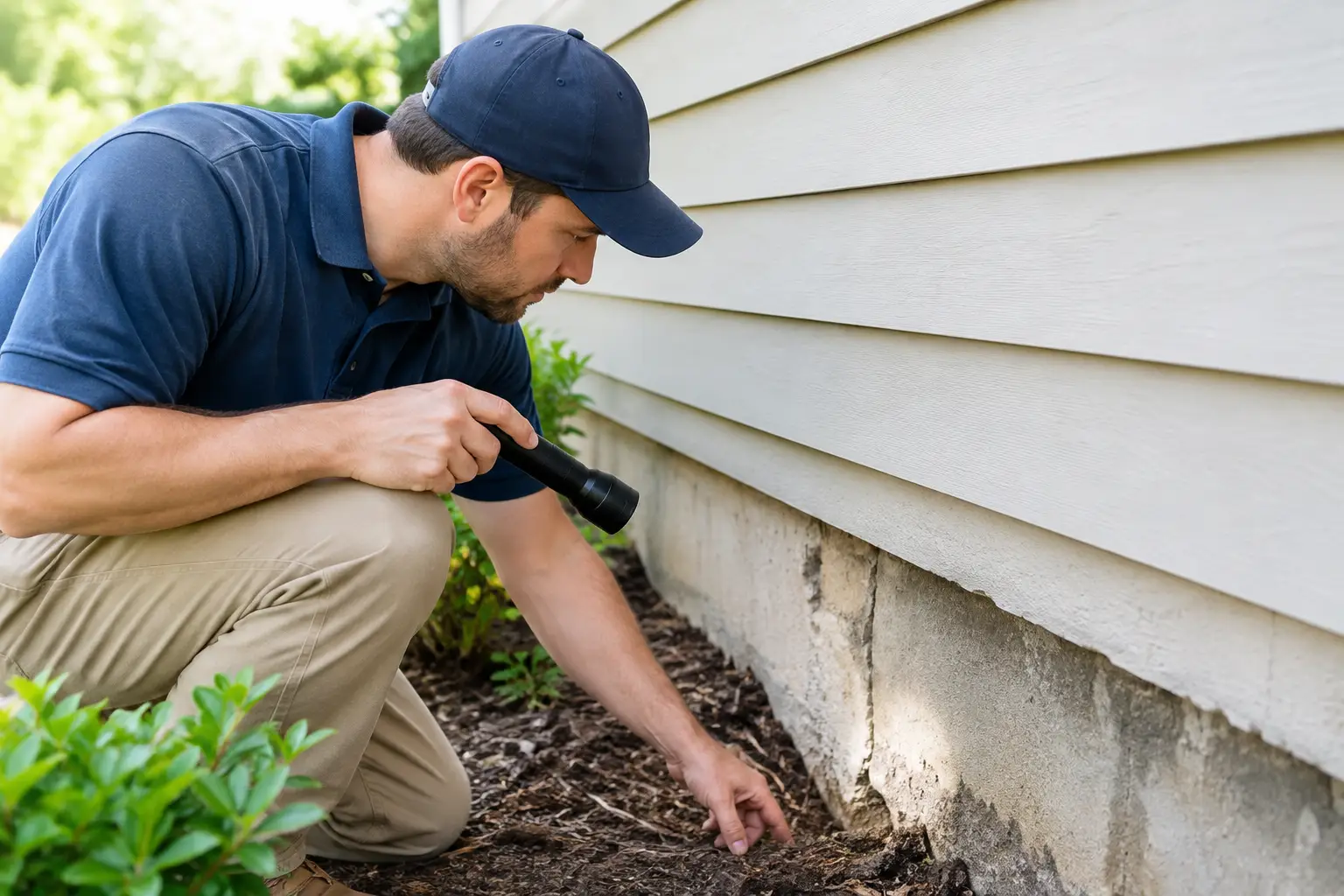
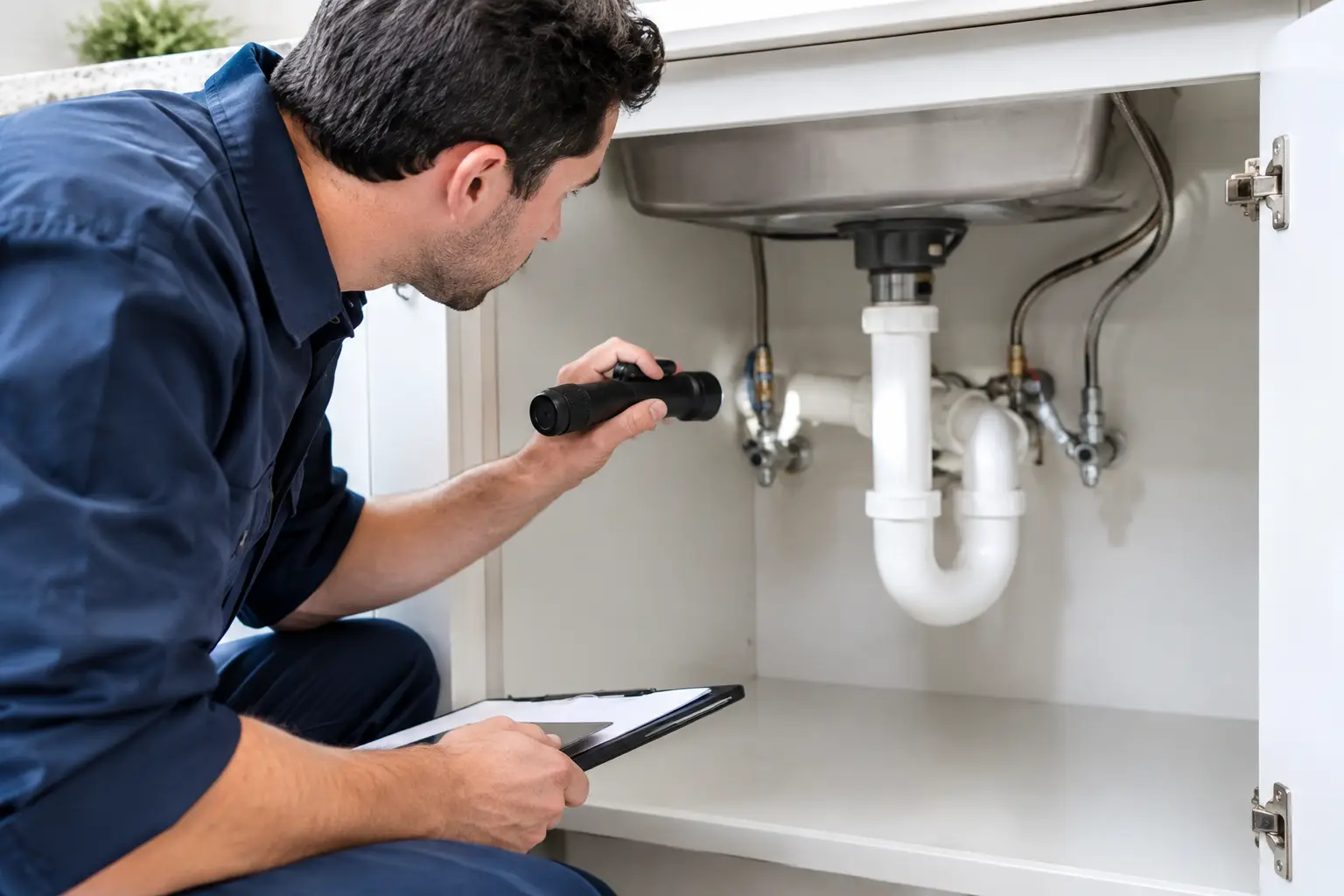
A home inspector is there to protect you. The inspection is designed to evaluate the condition of the home’s major systems and components, including the roof, structure, electrical, plumbing, HVAC, interior, and visible exterior elements. The goal is not to determine loan eligibility. The goal is to help you understand what you are buying.
That difference matters most when a house “looks fine” at first glance. A VA appraisal might move forward while a detailed inspection reveals an aging air conditioner near the end of its life, active leaks in the attic, sewer line concerns, moisture intrusion behind finishes, or unsafe electrical conditions that deserve immediate attention.
What the VA typically wants to see in a property
Although a separate inspection is not always required, the property still needs to satisfy VA standards. The exact issues can vary by home, but the broad concerns are usually pretty consistent.
The home should provide safe access, dependable shelter, and functional major systems. Heating should work. Electrical hazards should not be obvious. Plumbing should be operational. The roof should keep moisture out. There should not be major structural problems, serious infestation concerns, or unsanitary conditions that make the home unsuitable.
In some transactions, the appraiser may call out repairs that need to be completed before closing. In others, the home may pass the appraisal while still having meaningful defects a buyer should know about. That is the gap a proper inspection helps fill.
Why a VA buyer should still get a home inspection
The smartest way to look at this is simple: passing a VA appraisal does not mean the home is in good shape.
A buyer can still inherit expensive problems after closing, even when the loan is approved. Roof repairs, foundation movement, plumbing leaks, worn HVAC systems, and hidden moisture damage do not become less expensive just because the property met minimum standards on paper.
A good inspection gives you leverage before the transaction is final. You may be able to request repairs, negotiate credits, revisit pricing, or decide that the home carries more risk than you are comfortable accepting. Without that information, you are making one of the largest purchases of your life with avoidable blind spots.
For first-time VA buyers, this matters even more. The VA loan is an excellent benefit, but the loan itself does not protect you from every repair bill waiting behind the drywall, under the crawlspace, or above the ceiling.
Common issues that matter in VA-backed purchases
Some defects show up often enough that they deserve special attention in VA transactions.
Roofing issues are a common example. If a roof is actively leaking or appears near failure, it can create appraisal problems and practical ownership problems. Electrical defects also carry weight, especially exposed wiring, double-tapped breakers, missing safety devices, or evidence of amateur repairs.
Moisture intrusion is another big one in Texas. Water damage can lead to staining, wood deterioration, mold-like conditions, and hidden repair costs. HVAC performance matters too, especially during hot Houston-area summers when a marginal system can turn into a major expense right after move-in.
Then there are issues the VA appraisal may not fully explore, such as a damaged sewer line, insulation deficiencies, drainage concerns, or wood-destroying insect activity. Those may not always stop a loan, but they can absolutely affect whether the purchase still makes sense for you.
How inspections help with negotiation
A home inspection is not just about finding defects. It is about using accurate information at the right time.
When your report is clear, photo-documented, and organized by significance, it becomes much easier to have productive conversations with your agent and the seller. You can separate routine maintenance from material concerns. You can focus repair requests on items that affect safety, function, and cost. You can also avoid overreacting to minor issues while still taking major ones seriously.
That is especially helpful in competitive markets, where buyers do not want to lose a home but also should not accept unnecessary risk. A solid inspection helps you negotiate from facts instead of emotion.
Do VA buyers in Texas need anything beyond a standard inspection?
Sometimes, yes. It depends on the home.
If the property is older, has signs of previous moisture issues, or sits in an area where hidden drainage or plumbing concerns are more likely, additional inspection services can be worth considering. A wood-destroying insect inspection may matter if there is evidence of past or current pest activity. A sewer line camera inspection can be useful for older homes or properties with slow drains. Thermal imaging may help identify patterns of moisture intrusion or missing insulation that are not visible to the naked eye.
This is where a practical inspection company adds real value. You do not need every add-on for every house. You do need honest guidance about where the risk is and what level of evaluation makes sense for that specific property.
Choosing the right inspector for a VA purchase
Not every inspector communicates the same way, and that affects the buying process.
For a VA buyer, the best inspection experience is detailed but not overwhelming. You want a report that explains findings clearly, uses visual documentation well, and helps you understand what is urgent, what is monitorable, and what may affect negotiations. You also want post-inspection support, because questions often come up after you have had time to read the report and talk with your agent.
That is one reason many buyers in Greater Houston, Cypress, Katy, and nearby communities look for inspection companies that prioritize organized reporting and practical next steps, not just a checklist. CK Inspections is built around that kind of support, helping buyers make informed decisions before closing instead of hoping for the best after move-in.
The bottom line on VA home inspection requirements
The VA loan program does not generally require a separate buyer’s home inspection, but that does not mean you should waive one. The appraisal helps the loan. The inspection helps you. Those are not competing services – they serve different purposes.
If a home has defects, the best time to learn about them is before the papers are signed and the repair bills become yours. Peace of mind is not about checking a box. It is about knowing what you are buying, where the risks are, and whether the house still fits your budget and comfort level once the facts are on the table.
Before you move forward on a VA purchase, make sure your confidence is based on evidence, not assumptions.