A slow sink can be a minor maintenance issue. A damaged underground sewer line can become a five-figure surprise shortly after move-in. This guide to drain line defects helps homebuyers understand the difference, what a sewer camera inspection can reveal, and when a finding deserves closer attention before closing.
Drain lines carry wastewater away from sinks, showers, toilets, appliances, and floor drains. Most of that piping is concealed behind walls, beneath slabs, or underground, which means a home can look clean and well maintained while a significant drainage problem develops out of sight. For buyers, the goal is not to assume the worst. It is to identify material defects, understand the likely consequences, and make a decision with clear information.
Why Drain Line Defects Matter Before You Buy
A home’s drain system works by gravity. Wastewater needs a properly sized, adequately sloped, connected, and unobstructed path to the municipal sewer or septic system. When that path is compromised, the result may be recurring clogs, slow drainage, sewer odors, backups, leaks, or wastewater emerging where it does not belong.
The expense can vary widely. Clearing a simple obstruction is not the same as repairing a separated connection under a foundation or replacing deteriorated cast-iron piping. The right response depends on the defect’s location, severity, pipe material, access, and whether the issue is isolated or widespread.
In the Greater Houston area, soil movement and the age of the home can add context. Expansive clay soils may shift, and older homes may have aging drain materials that deserve a closer look. Neither factor proves there is a problem, but both are good reasons to take drainage findings seriously rather than treating them as routine plumbing notes.
Common Drain Line Defects a Camera Inspection Can Find
A sewer line camera inspection is a visual evaluation of accessible drain piping, typically performed through a cleanout. It can document conditions inside the line that cannot be confirmed during a standard visual home inspection alone. It is especially useful when a home has older piping, recurring drainage concerns, mature trees near the sewer route, or no reliable record of recent sewer work.
Root Intrusion
Tree and shrub roots naturally seek moisture. If roots reach a crack, loose joint, or opening in a drain line, they can grow inside the pipe and catch waste material. Early root intrusion may cause intermittent slow drains. Over time, it can create repeated blockages and contribute to pipe damage.
Roots can sometimes be cleared, but clearing alone does not necessarily solve the underlying opening that allowed them in. A buyer should understand whether the line appears sound after cleaning or whether there is evidence of broken pipe, separated joints, or recurring vulnerability.
Cracks, Breaks, and Collapsed Sections
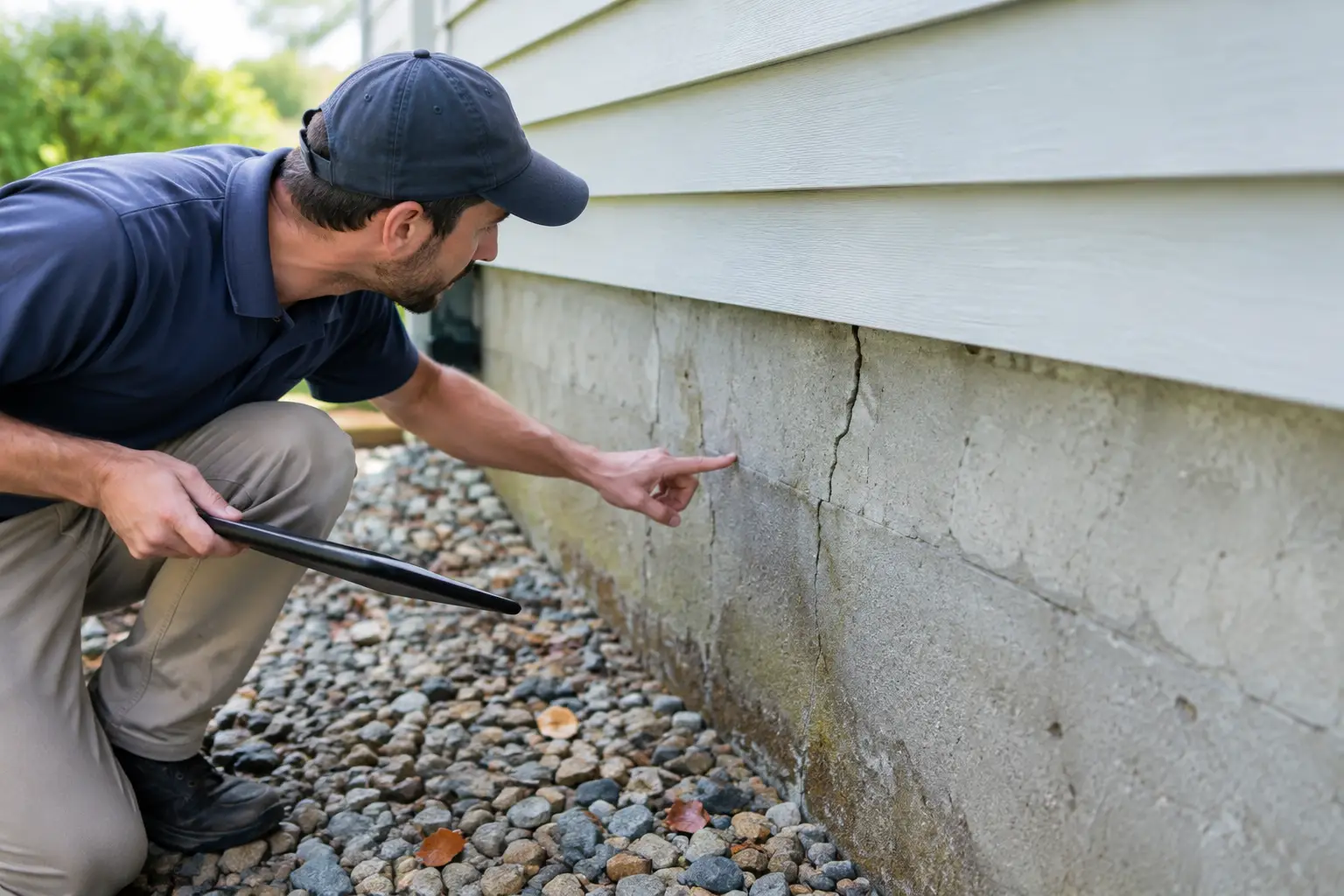
A cracked or broken line may allow wastewater to escape into surrounding soil and permit soil or roots to enter the pipe. A collapsed section is more severe because it can substantially restrict or stop flow. These conditions are often associated with settlement, impact, aging materials, poor installation, or deterioration over time.
Camera footage can help identify the apparent location and condition, but it cannot always determine the full cause or exact repair scope. Additional evaluation by a qualified plumbing professional may be needed before negotiations are complete. That extra step can be worthwhile when the finding could affect the home’s use, sanitation, or repair budget.
Offset, Separated, or Open Joints
Drain pipes are made of connected sections. If those sections shift apart or become misaligned, the camera may show an offset joint, gap, or open connection. Wastewater and solids can hang up at the misalignment, while surrounding soil can enter through an opening.
Not every offset is immediately critical. A minor offset in a line that remains open and flows properly may be monitored, while a significant separation that catches debris or shows soil intrusion is a different matter. The practical question is whether the defect is likely to create a recurring blockage, leak, or repair need in the near future.
Bellies and Improper Slope
A drain line needs consistent fall to move solids efficiently. A low area, commonly called a belly, can hold standing water and waste. Camera inspections may reveal a section where water remains in the pipe after normal flow has passed.
A small amount of standing water does not automatically mean immediate replacement. However, a pronounced belly can contribute to repeat clogs and may indicate movement or poor installation. The footage, the length of the affected area, and the home’s drainage history all matter when deciding how urgent the condition is.
Corrosion and Deteriorated Pipe Material
Older cast-iron drain lines can corrode internally. As the pipe wall deteriorates, rough surfaces and scale can reduce the effective opening and collect debris. In more advanced cases, the pipe may show holes, flaking material, channeling at the bottom, or areas that are no longer structurally dependable.
PVC piping has different concerns, including cracks, poor connections, or deformation. Material alone is not a verdict. A well-performing older line may remain serviceable, while a newer line with poor installation can have substantial defects. What matters is the observed condition and its impact on function.
Warning Signs Buyers Should Not Brush Off
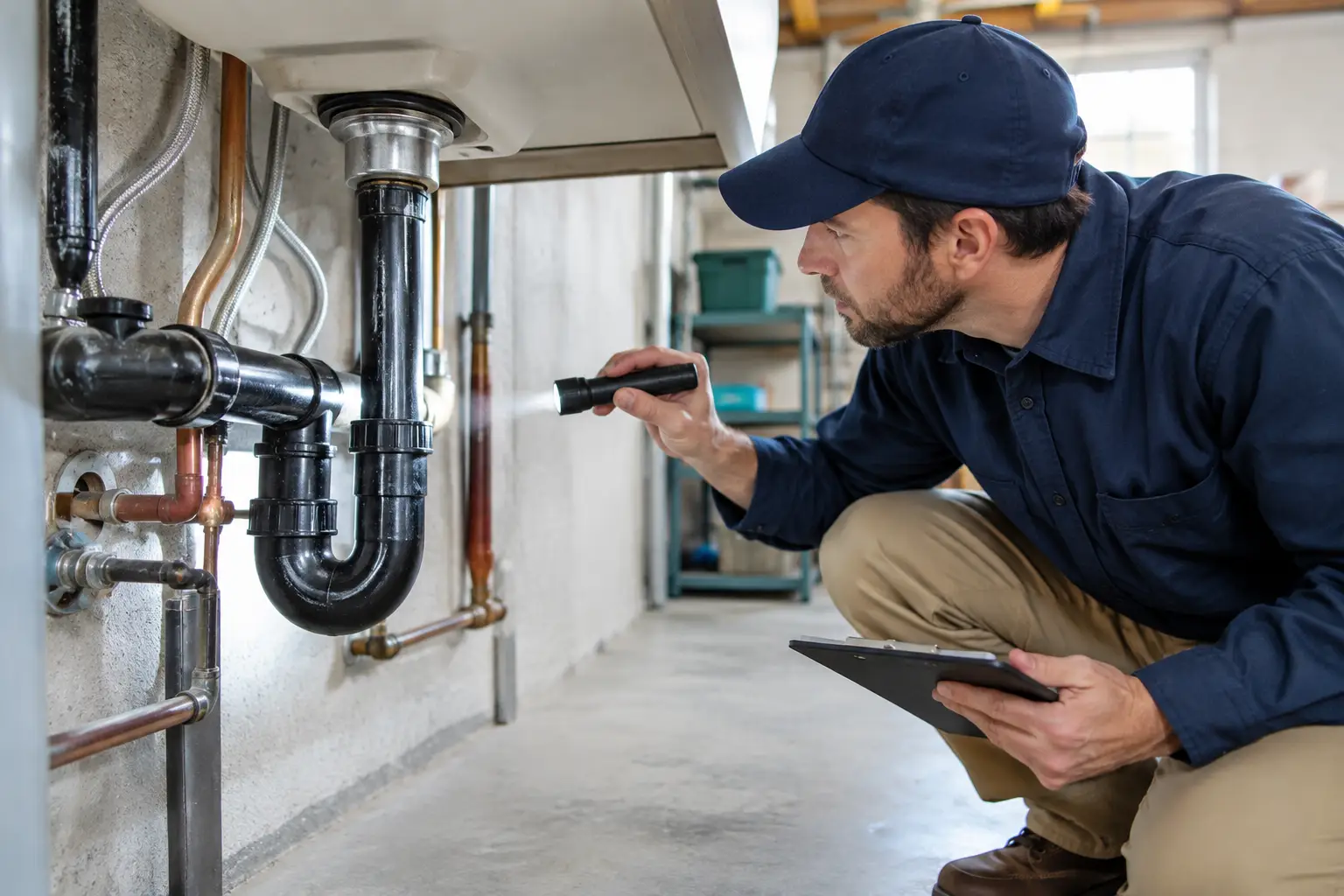
Some drain line defects show themselves before a camera ever enters the pipe. Pay attention when multiple fixtures drain slowly, toilets bubble when a nearby fixture is used, or wastewater backs up into a tub or shower. Sewer odors, unexplained wet areas near the sewer route, and frequent use of drain cleaners can also deserve follow-up.
Ask the seller direct, practical questions. Have drains backed up? Has the sewer line been cleaned or repaired? Are there invoices, warranties, permits, or camera recordings? A seller’s answer is useful background, but documentation carries more weight than a verbal assurance.
A recently vacant home deserves care as well. Limited use can conceal an intermittent drainage issue. Conversely, one sluggish fixture may simply have a localized clog or venting concern. This is why good inspection decisions are based on patterns and evidence, not one symptom alone.
How to Read a Drain Line Finding in an Inspection Report
The most useful reports explain what was observed, where it was observed if identifiable, and why it matters. Clear images or video references help buyers, agents, and plumbing specialists discuss the same condition rather than relying on vague descriptions such as “sewer issue.”
When reviewing a reported defect, focus on four practical questions:
- Is the line currently flowing, restricted, or blocked?
- Is the condition isolated or present in multiple sections?
- Does the footage show a defect that is likely to worsen or recur?
- What further evaluation is needed to establish a realistic repair plan?
A camera inspection has limits. The camera may not pass a major blockage, tight bend, damaged section, or inaccessible portion of the system. Water-filled areas can obscure the pipe bottom, and underground depth or routing may require locating equipment if repair planning becomes necessary. A clear camera run is valuable evidence, but it is not a lifetime guarantee that no future drainage issue will occur.
Turning Findings Into a Smart Closing Decision
A drain line defect does not automatically mean you should walk away from a home. Many issues can be repaired, and a buyer may still feel comfortable proceeding after understanding the condition. The key is avoiding a decision based on incomplete information.
For a minor, localized obstruction with no visible pipe damage, a reasonable next step may be routine service and documentation. For root intrusion, deteriorated cast iron, separated joints, or a suspected collapse, ask for a qualified plumbing evaluation and a written repair recommendation. If the scope is uncertain, obtain enough information to understand the possible range of work before your inspection contingency expires.
Your real estate agent can help structure a repair request, credit discussion, or decision to move forward. Keep the request tied to documented conditions and safety, sanitation, or functional concerns. Cosmetic upgrades can wait. Wastewater drainage problems can affect everyday use from the first day you own the property.
When a Sewer Camera Inspection Is Worth Adding
For many buyers, a sewer camera inspection is a practical layer of protection, particularly for older homes or properties with mature landscaping. It can also make sense when the main inspection identifies slow drains, prior plumbing repairs, active drainage symptoms, or limited information about the sewer line’s history.
CK Inspections offers sewer line camera inspections to help buyers see conditions that may not be visible during a standard home inspection. The purpose is straightforward: provide clear evidence so you can ask better questions before the transaction is final.
Do not let a clean kitchen, fresh paint, or new flooring distract from the systems that make a home livable. Before closing, give the drain line the same attention you would give the roof, electrical panel, or HVAC equipment. A clear view of the pipe can turn an unknown risk into a manageable decision.