A house can look move-in ready during a 20-minute showing and still have a failing HVAC system, an aging roof, hidden plumbing leaks, or electrical concerns behind a polished finish. So, are inspections required when buying a Texas home? Usually, no. But for most buyers, skipping one is a risk that can turn a major investment into an expensive surprise.
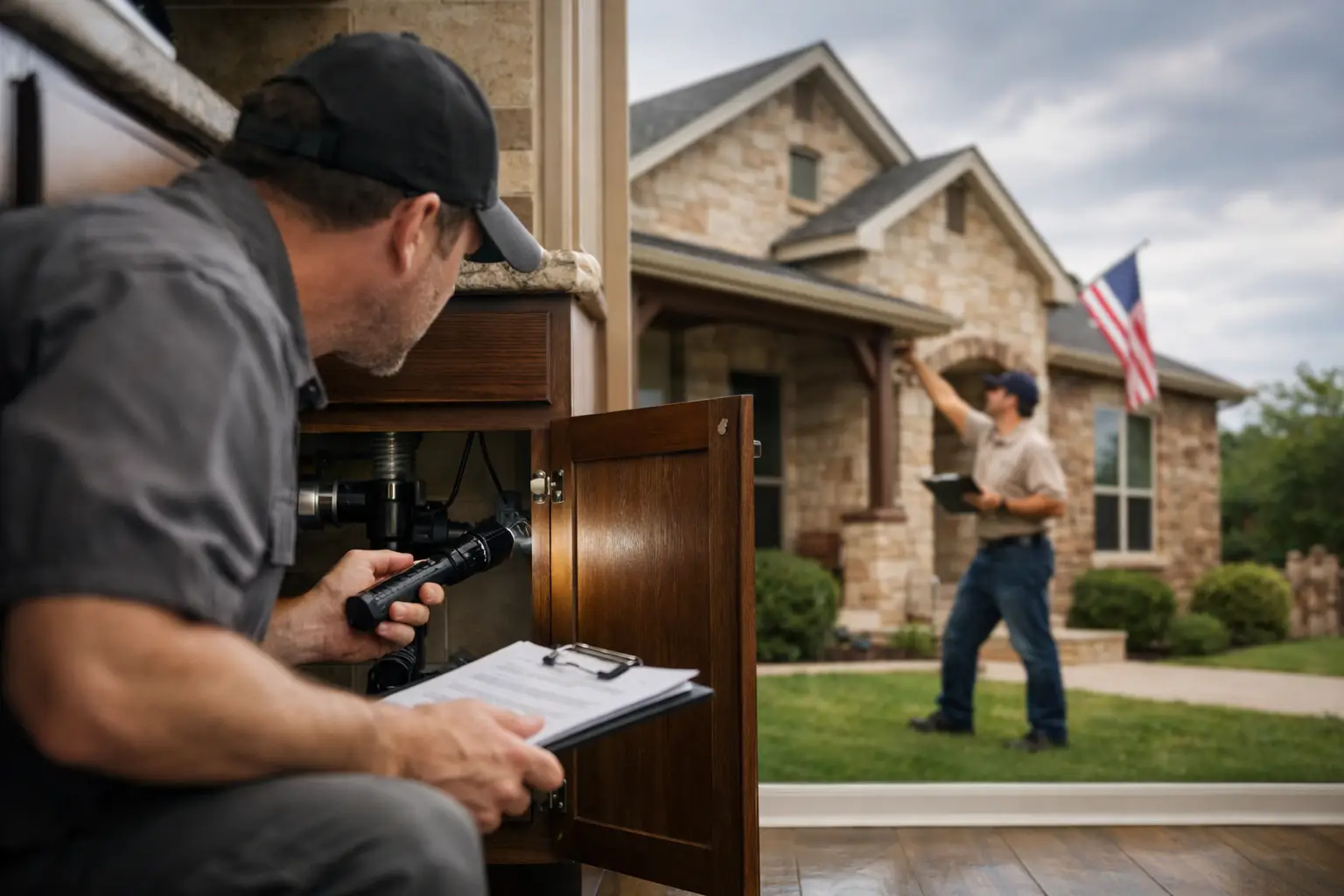
A professional home inspection is not just another closing task. It is your opportunity to understand the condition of the property before your option period ends and before the home becomes your responsibility. Don’t buy blind simply because an inspection may not be legally mandatory.
Are Inspections Required by Texas Law?
Texas law does not generally require a buyer to obtain a home inspection before purchasing a home. You can legally buy a property without hiring an inspector, even when the property is older, newly built, or being sold as-is.
That said, the ability to waive an inspection does not mean it is the right move. A home is a collection of systems that age at different rates, and many significant concerns are not obvious during a walkthrough. A seller may not know about every issue, and a real estate agent is not responsible for evaluating the property’s structure, electrical system, plumbing, roof, or mechanical equipment in the same way a licensed inspector does.
Texas sellers are generally expected to provide a Seller’s Disclosure Notice for many residential transactions. That document can be useful, but it is not a substitute for an inspection. It reflects what the seller knows or chooses to disclose. An inspection provides an independent assessment of visible and accessible conditions at the time of the appointment.
When a Home Inspection May Be Required
While Texas does not impose a universal inspection requirement, other parties involved in the transaction may have their own conditions. The details depend on the loan program, property type, insurer, and contract.
Lender and loan program requirements
Many conventional lenders do not require a full buyer-paid home inspection. They do require an appraisal, but an appraisal is not a home inspection. The appraiser’s role is primarily to estimate value and confirm that the home meets basic lending standards. Appraisers do not test every outlet, operate every plumbing fixture, inspect the attic in detail, or evaluate the remaining service life of major systems.
FHA and VA loans also involve property condition standards, but that does not make an appraisal a replacement for a complete inspection. If an appraiser identifies a visible safety or property condition concern, the lender may require repairs before closing. Even so, that review is limited in scope.
Some loan situations can create additional inspection needs. For example, a lender may request more information about a damaged roof, foundation movement, a private well, septic system, or other condition that affects the property’s eligibility or value. A wood-destroying insect inspection may also be requested in certain circumstances, particularly when evidence of infestation or damage is present.
The practical point is simple: a lender’s approval should never be treated as proof that the house is in good condition. Lending approval answers whether the loan can move forward. A home inspection helps answer whether you understand what you are buying.
Insurance requirements
Your homeowners insurance carrier may require documentation before issuing or continuing coverage, especially for homes with older roofs, electrical panels, plumbing materials, or prior claims. In some cases, an insurer may ask for a roof inspection, a windstorm-related evaluation, or proof that a specific issue has been repaired.
These requirements vary by carrier and property. They are often narrower than a full home inspection, focusing on the insurer’s risk rather than your complete purchase decision. A home can meet an insurer’s minimum requirements and still have maintenance needs or defects worth knowing before closing.
Contract deadlines and the option period
The Texas purchase contract often gives buyers an option period, which is a negotiated window to inspect the home and decide whether to proceed. During that period, buyers commonly schedule a general home inspection and any specialized evaluations the property may need.
The option period is valuable because it gives you time to gather facts. If the inspection reveals serious concerns, you may choose to request repairs, negotiate a credit, obtain further evaluation from a specialist, or terminate under the terms of your contract. Waiting until the end of the option period can leave you with fewer choices and more pressure.
Because deadlines matter, schedule the inspection as soon as the contract is executed. If you are considering sewer scope, pool and spa, thermal imaging, or wood-destroying insect services, arrange them early enough to review the findings and ask questions before your contractual rights change.
Why an Inspection Is Still the Smart Choice
The real question is rarely whether you are forced to get an inspection. It is whether you are comfortable taking ownership without a clear picture of the home’s visible condition.
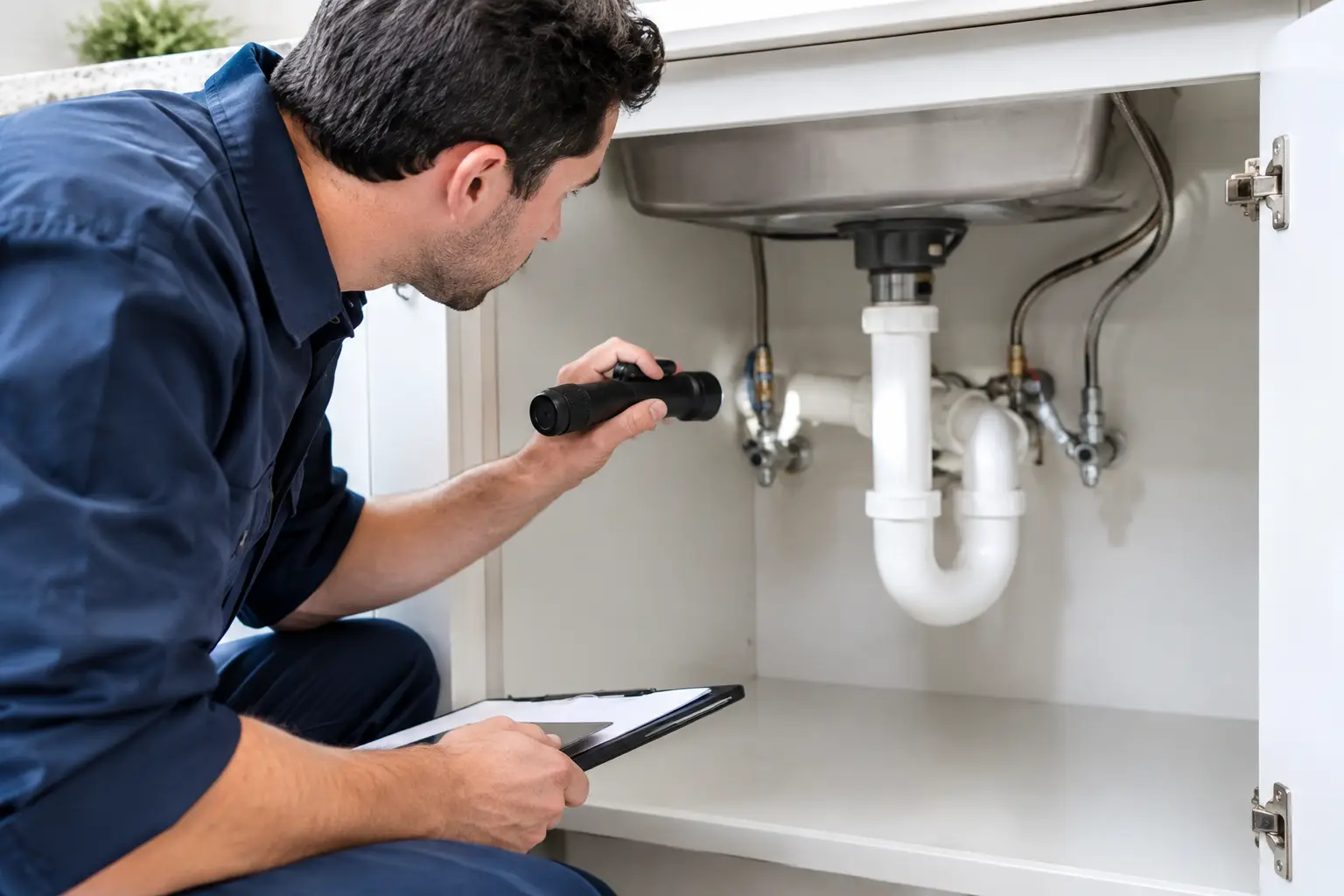
A professional inspection can identify safety concerns, active leaks, damaged components, improper installations, poor drainage, signs of movement, deferred maintenance, and systems nearing the end of their typical service life. Not every finding is a deal-breaker. In fact, most homes have a list of maintenance items. The value is knowing the difference between routine upkeep and a concern that could require significant planning or expense.
For first-time buyers, an inspection can serve as a practical introduction to homeownership. Your report may explain where the main water shutoff is located, what type of electrical panel the home has, whether the HVAC equipment is aging, and which repairs should be addressed first. That information helps you plan after closing rather than react to emergencies.
For move-up buyers, the stakes can be even higher. Larger homes often have more complex systems, multiple HVAC units, pools, irrigation equipment, extensive roofing, and more plumbing fixtures. A thorough inspection brings those details into focus before you commit.
Even competitive markets do not erase the need for due diligence. Some buyers consider waiving inspections to strengthen an offer. That choice may be appropriate only when you fully understand the risk and have received sound guidance from your real estate professional. A more protective approach may be to preserve the ability to inspect while keeping timelines efficient. Speed matters in a competitive offer, but so does avoiding a costly surprise after closing.
New Construction Is Not Automatically Inspection-Free
A new home may have fresh paint, new appliances, and builder warranties, but new does not always mean defect-free. Construction is performed by many trades over many stages, and issues can occur in grading, roofing, insulation, drainage, electrical installation, plumbing connections, HVAC performance, or finish work.
A pre-drywall inspection can help identify concerns before walls are closed. A final inspection before closing can document visible and accessible issues that should be addressed before you move in. Many buyers also choose an 11-month warranty inspection before the builder warranty period expires.
The goal is not to expect perfection. It is to identify conditions that deserve correction, documentation, or monitoring while you still have meaningful leverage with the builder.
Choosing the Right Scope for the Property
A standard home inspection provides a broad evaluation of major systems and readily accessible components. Depending on the home, that may be the right starting point, but some properties warrant additional services.
A sewer line camera inspection can be especially valuable for older homes, homes with mature trees, or properties showing drainage concerns. A pool and spa inspection can evaluate equipment and visible safety-related conditions that fall outside a general inspection’s primary scope. Thermal imaging may help identify temperature anomalies associated with moisture intrusion, missing insulation, or electrical concerns, though it does not see through every wall or diagnose every issue.
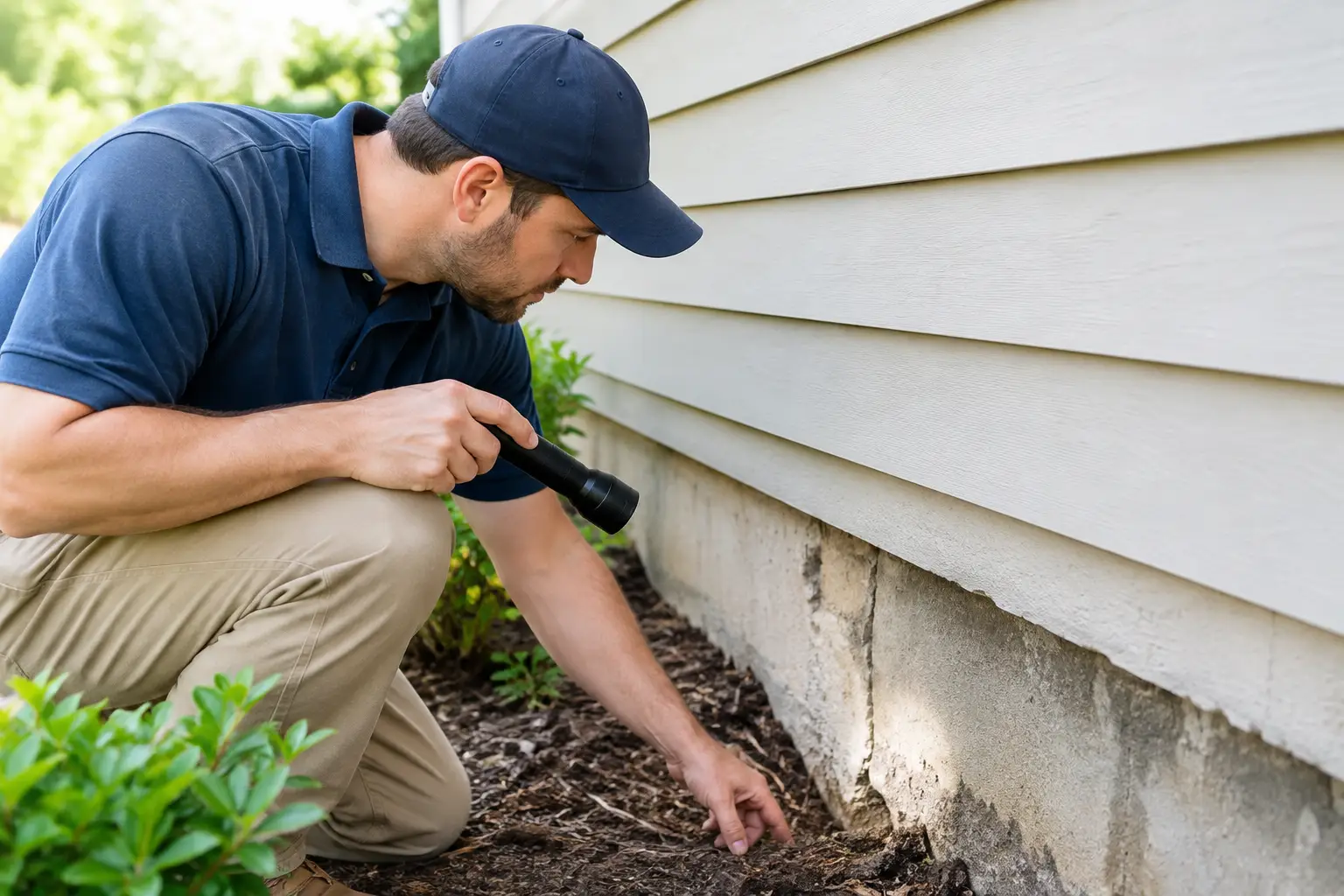
Wood-destroying insect inspections can help identify visible evidence of termites or other organisms that may damage wood components. This is particularly relevant in the Houston area, where heat, humidity, and moisture can create conditions that deserve close attention.
The right services depend on the property, its age, visible conditions, and your risk tolerance. A good inspector should help you understand the scope of the inspection and recommend specialized evaluations when the situation calls for them, not sell unnecessary add-ons.
What an Inspection Cannot Guarantee
An inspection is a visual, noninvasive evaluation of conditions present on inspection day. Inspectors cannot see behind finished walls, predict every future failure, or inspect areas that are blocked, unsafe, inaccessible, or not functioning at the time of the appointment.
That limitation is not a reason to skip the inspection. It is a reason to use the report correctly. Read the findings, review photos, ask questions, and seek specialist evaluation when a concern requires deeper investigation. A detailed report should help you prioritize rather than overwhelm you.
At CK Inspections, the focus is on giving buyers organized findings, visual documentation, and practical context so they can make decisions with greater confidence. You do not need a perfect house. You need an honest understanding of the house you are about to own.
Before your option period runs out, give yourself the information that a showing, disclosure form, and appraisal cannot provide. A careful inspection may not be legally required, but peace of mind is worth protecting.