A house can look clean, updated, and move-in ready while still hiding expensive problems behind walls, under floors, and above ceilings. That is why understanding the top hidden defects in houses matters before you sign closing documents and take on someone else’s repair bill.
For buyers in Houston, Cypress, Katy, and nearby Texas communities, the stakes are even higher. Heat, humidity, shifting soils, heavy rain, and long HVAC seasons can put serious stress on a home. Cosmetic updates may impress during a showing, but they do not tell you how the structure is performing, whether the electrical system is safe, or what condition the plumbing line is really in.
Why the top hidden defects in houses are easy to miss
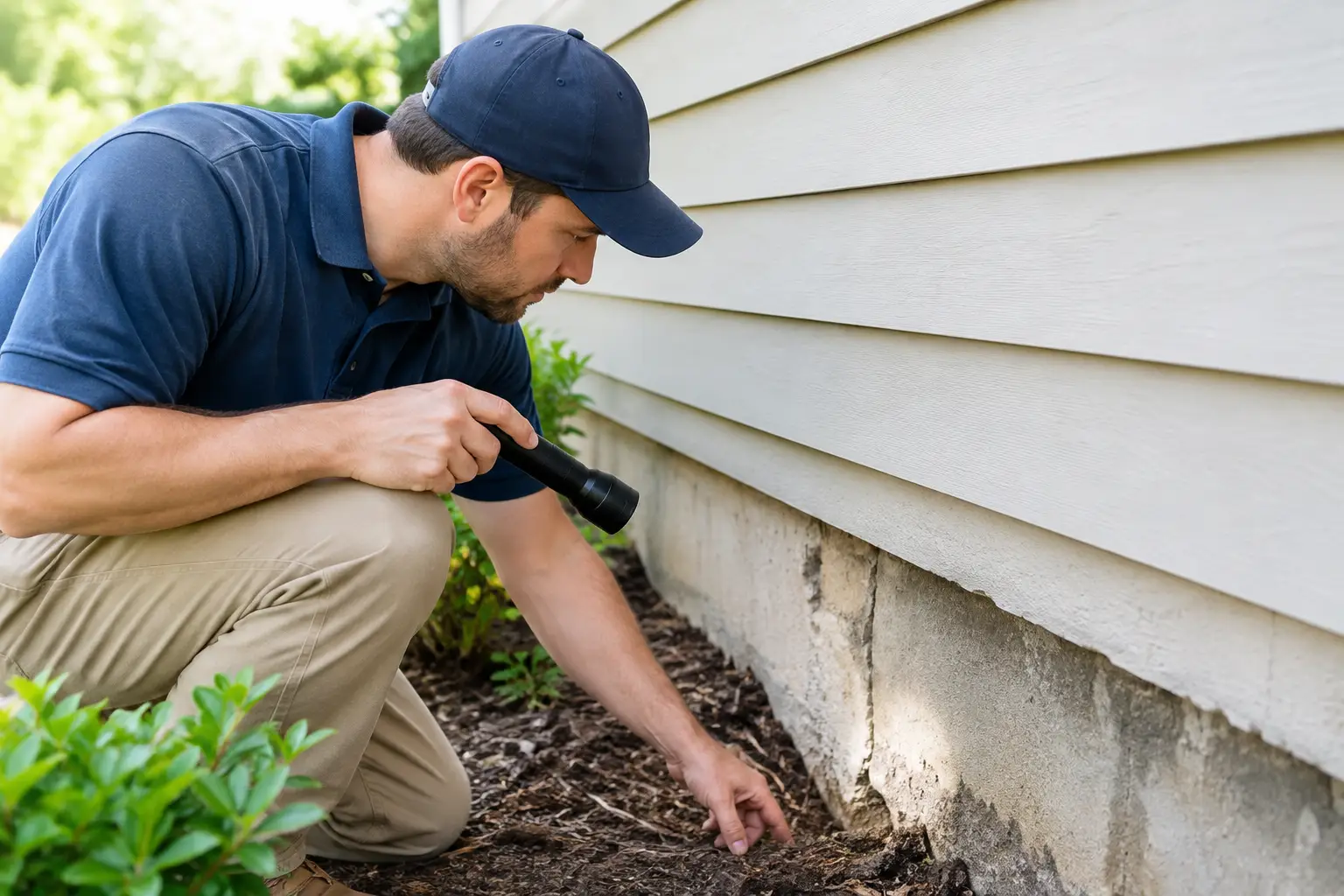
Most hidden defects are not truly invisible. They are simply easy for an untrained buyer to overlook. Fresh paint can cover prior moisture staining. Furniture placement can hide cracked walls. A cool home on showing day can distract from an aging air conditioning system that is near the end of its service life.
Sellers are not always trying to hide something on purpose. In many cases, they may not know a problem exists. A slow plumbing leak inside a wall, a damaged roof flashing detail, or overheating electrical components can go unnoticed for months or even years. That is exactly why a professional inspection adds value. The goal is not to make a perfect house appear from nowhere. The goal is to identify risk before it becomes your problem.
1. Foundation movement and structural distress
In Texas, foundation concerns are one of the first things experienced buyers and inspectors pay attention to. Expansive clay soils can swell and shrink with moisture changes, and that movement can affect the structure over time.
Not every crack means major failure, but some patterns deserve close attention. Doors that stick, sloping floors, gaps around window frames, ceiling cracks, and brick separation can all point to movement. Sometimes the signs are subtle enough that buyers explain them away as normal settling. Sometimes they are partly cosmetic and partly structural. That is where careful evaluation matters.
The trade-off here is that minor movement is common in many homes, especially in this region. The real question is whether the movement appears typical and manageable or active and costly.
2. Roof problems that have not started leaking indoors yet
A roof can be near failure long before a stain shows up on the ceiling. Damaged shingles, worn flashing, exposed fasteners, soft decking, and improper repairs may not be obvious from the ground. Buyers often assume that no interior leak means no roof issue. That assumption can get expensive fast.
In the Greater Houston area, storms, wind, sun exposure, and age all take a toll. Even when a roof is not actively leaking during the inspection, visible wear may point to a limited remaining life. That matters when you are budgeting after closing.
A home inspection helps put roof condition in context. You may not need a replacement tomorrow, but you deserve to know whether you are buying a roof with years left or one that may soon need major work.
3. Hidden moisture intrusion
Moisture is one of the most damaging defects a home can have because it rarely stays small. Water intrusion can affect framing, insulation, drywall, flooring, trim, and indoor air quality. It can come from roof leaks, plumbing leaks, failed window seals, poor drainage, or missing exterior caulking.
The challenge is that moisture often hides well. Sellers may repaint over staining. Dry weather can temporarily reduce visible symptoms. By the time warped baseboards, soft trim, or musty odors appear, damage may already be advanced.
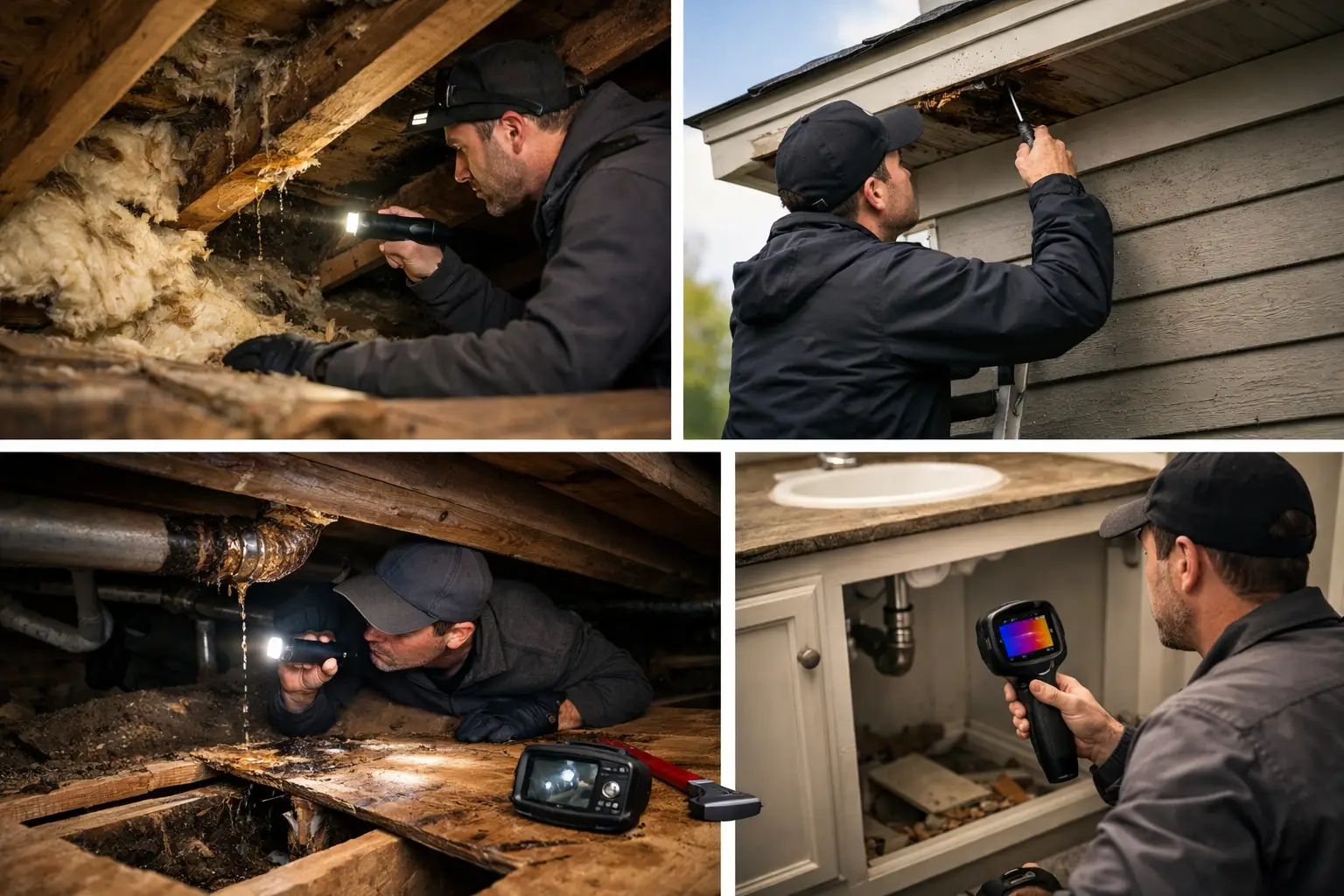
This is one reason buyers value thermal imaging and a careful visual inspection. While no inspection can see through every surface, added tools and experience can help identify patterns that suggest concealed moisture where a casual walk-through would not.
4. Electrical safety defects
Electrical issues are among the top hidden defects in houses because many of them sit behind cover plates, inside panels, or in attic spaces buyers never inspect. A home may have lights that turn on and outlets that appear functional while still containing unsafe wiring conditions.
Common concerns include double-tapped breakers, overheated conductors, improper grounding, outdated components, amateur wiring changes, missing safety devices, and panel defects. In older homes, prior renovations can create a mix of old and new materials that were not installed to the same standard.
This category matters for two reasons. First, repair costs can add up quickly once a licensed electrician starts correcting multiple defects. Second, some conditions create real fire and shock hazards. Functional does not always mean safe.
5. Plumbing leaks and supply line issues
Plumbing defects are often quiet until they become disruptive. A slow leak under a sink, around a tub drain, inside a wall cavity, or at a water heater connection can cause long-term damage before anyone notices. The same is true for aging supply lines that have not failed yet but show signs of corrosion or improper materials.
In some homes, the problem is not just leakage. It may be poor water pressure, incomplete repairs, missing shutoff valves, or drain performance problems that suggest a bigger issue downstream. A buyer may flush a toilet and run a faucet during a showing and think everything is fine. That quick check does not replace a full inspection of visible plumbing components.
6. Sewer line defects below the surface
Few repairs surprise buyers more than a damaged sewer line because the problem is literally out of sight. Tree root intrusion, pipe offsets, cracks, bellies, and blockages may not show obvious warning signs during a basic walk-through. You can buy a house with working sinks and toilets and still inherit a sewer line that is one backup away from failure.
This is where add-on services can make a real difference, especially for older homes or properties with mature trees. A sewer camera inspection can reveal conditions that a standard visual inspection cannot access. It is not necessary in every transaction, but when the risk factors are there, it can prevent a major post-closing surprise.
7. HVAC systems with short remaining life
In Texas, air conditioning is not a luxury. It is essential. That makes HVAC defects especially important for homebuyers. A system may cool the house on inspection day yet still show signs of deferred maintenance, poor installation, duct leakage, aging components, or improper performance.
Buyers sometimes ask a simple question: does it work? The better question is: how well is it working, and what condition is it in? An older unit can still operate, but that does not mean it is efficient, reliable, or likely to last through another heavy cooling season.
This is where expectations matter. An inspection cannot predict the exact day a compressor will fail. What it can do is identify observed deficiencies, approximate age, and visible signs that a system may be approaching replacement.
8. Attic problems that affect the whole house
Attics are easy to ignore because buyers spend almost no time thinking about them. Yet an attic can reveal roofing leaks, ventilation defects, insulation deficiencies, structural alterations, pest activity, and damaged mechanical components.
Poor attic ventilation is especially common and often overlooked. It can contribute to excess heat buildup, moisture accumulation, and premature wear on roofing materials. In a hot Texas climate, those issues can also affect comfort and energy costs.
An attic does not need to be perfect to be serviceable, but it should not be treated as wasted space with no bearing on the home’s condition. What happens above the ceiling often affects what happens below it.
9. Wood-destroying insect damage
Termites and other wood-destroying insects can cause damage long before a buyer sees visible evidence. In some cases, there are no dramatic signs at all during a casual visit. You may notice only minor trim damage, a soft spot, or faint mud tubing, while concealed framing members have already been affected.
This is one of those defects where climate and region matter. In Texas, buyers should take the risk seriously. Not every home will have active infestation, but overlooking the possibility is not a smart gamble. When conditions warrant, a wood-destroying insect inspection adds another layer of protection.
10. Poor drainage and exterior grading
Many expensive interior problems begin outside. If the lot slopes toward the home, gutters discharge too close to the foundation, or water collects near exterior walls, moisture can work its way into the structure over time.
Drainage issues are often missed because buyers focus on kitchens, bathrooms, and finishes. But exterior water management affects foundations, crawlspaces, wall materials, and even interior flooring. A home can appear dry today and still have a pattern of water intrusion during heavy rain.
This is also a defect that tends to create chain reactions. What starts as a grading issue can lead to foundation movement, moisture staining, wood rot, and mold-like conditions later. Catching that pattern early matters.
What buyers should do before closing
The safest approach is not to assume a home is problem-free because it shows well or because the seller completed recent updates. A clean listing can still have hidden risk. What protects you is a thorough inspection process, clear reporting, and enough time to review findings before final decisions are made.
For some homes, a standard inspection may be enough to give you clarity. For others, add-on services such as thermal imaging, sewer camera inspection, pool and spa inspection, or wood-destroying insect inspection may be the smarter move. It depends on the age of the property, visible warning signs, and your tolerance for risk.
A good inspection is not about talking you out of a house. It is about helping you buy with open eyes. CK Inspections is built around that idea – giving buyers organized findings, visual documentation, and the support needed to make a confident decision without buying blind.
The right house is not always the one with zero issues. It is the one you understand well enough to move forward with confidence.