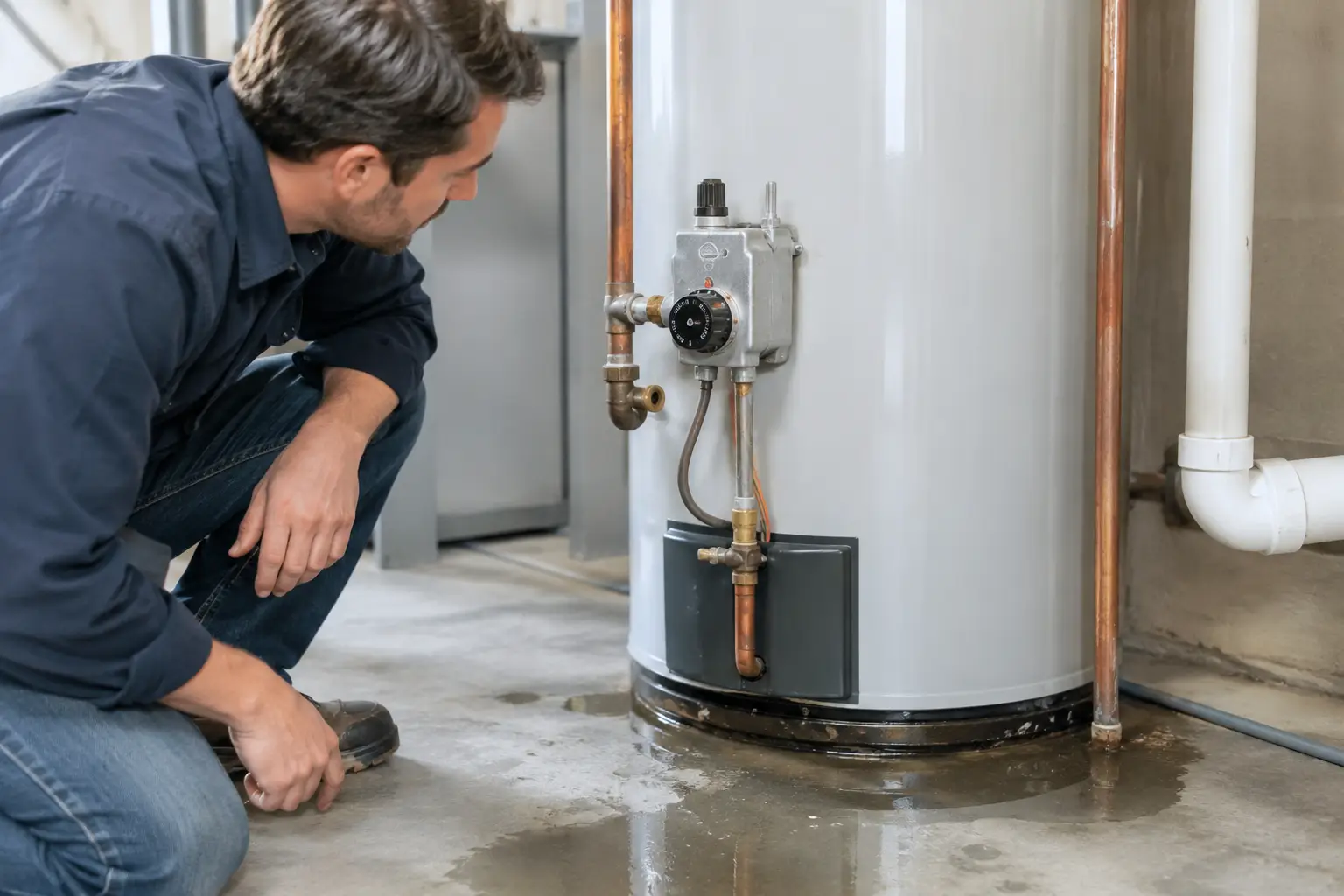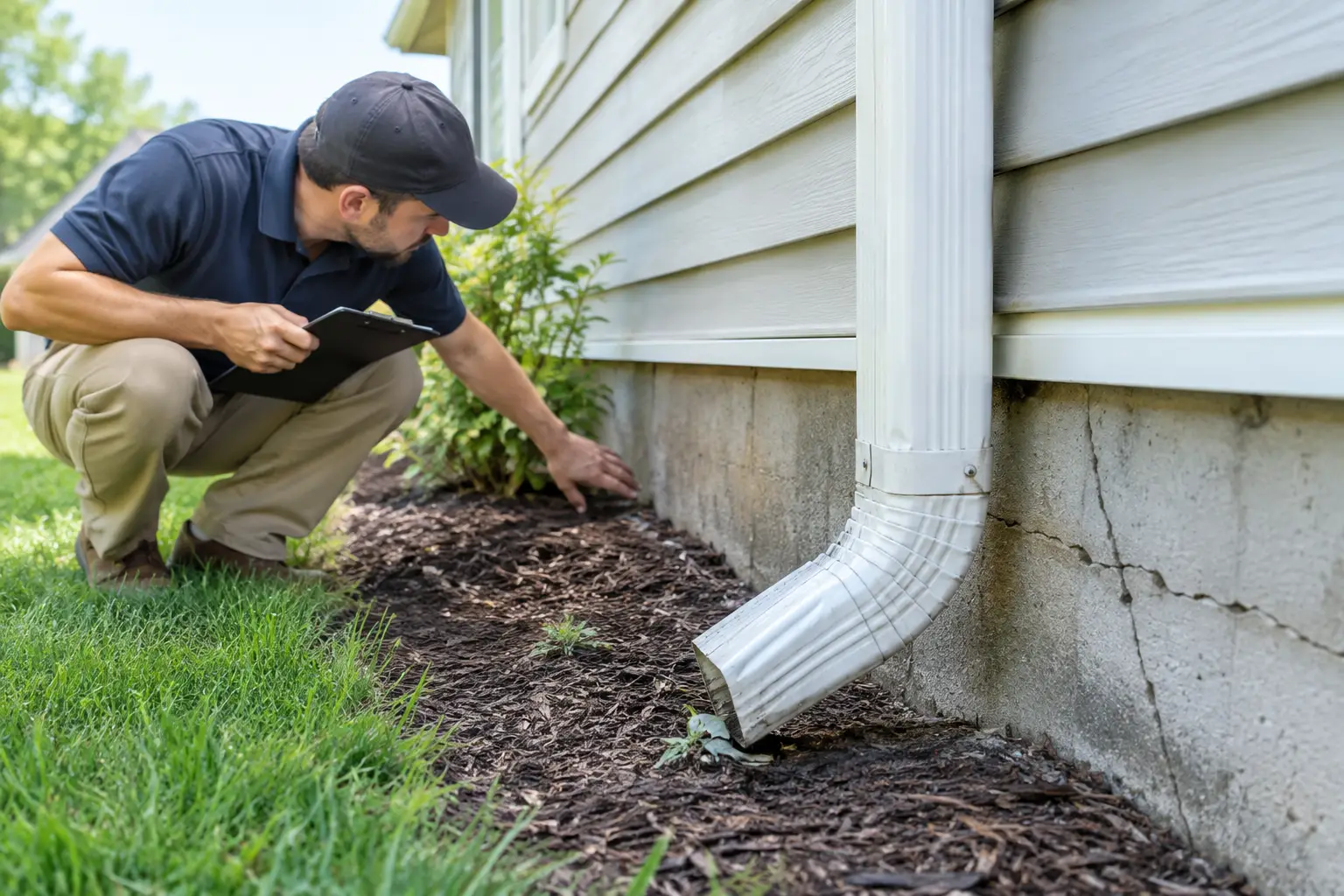

A new home can look flawless on closing day and still have issues that deserve attention. That is why builder warranty versus inspection is not really an either-or decision for most buyers. A warranty may give you a path to request repairs after closing, while an independent inspection helps you identify concerns before you own the home and before small defects become your responsibility to chase.
For buyers in Greater Houston and surrounding communities, this distinction matters. New construction homes are built by people, under schedules, through changing weather conditions, and with many separate trades involved. Most are well built, but no construction process is perfect. Don’t buy blind simply because the home is new.
Builder Warranty Versus Inspection: The Key Difference
A builder warranty is a promise from the builder to address certain qualifying defects for a defined period. Its purpose is to outline the builder’s responsibilities after closing. The exact coverage, exclusions, deadlines, claim process, and dispute requirements are controlled by the warranty documents and your purchase agreement.
A home inspection is an independent evaluation of the property’s visible and accessible components at a specific point in time. It is designed to give the buyer a clearer picture of the home’s condition, including material defects, safety concerns, installation issues, and maintenance items that should be understood before closing.
The difference is practical: a warranty is a remedy process, while an inspection is an information and decision-making process.
A warranty may help if a covered issue appears later and the builder agrees it falls within the terms. An inspection can reveal concerns now, when you may still have leverage to request corrections, document conditions, ask informed questions, or plan for follow-up. Neither replaces the other.
What a Builder Warranty May Cover
Builder warranties vary widely, so buyers should read the actual documents rather than rely on a sales representative’s general description. Many programs use different coverage periods for workmanship items, major systems, and designated structural components. Some builders administer claims directly, while others use a third-party warranty company.
Depending on the agreement, coverage may address certain defects in materials or workmanship, as well as limited problems involving electrical, plumbing, HVAC, or structural elements. But coverage is rarely unlimited. Warranty documents often exclude normal settling, cosmetic conditions within stated tolerances, homeowner maintenance issues, damage caused by drainage changes, landscaping, alterations, appliances, and items installed by others.
That does not mean a builder warranty has no value. It can be a meaningful protection when you understand how to use it. The problem comes when buyers treat it as proof that an inspection is unnecessary.
If a door does not latch properly, an attic insulation area is incomplete, a roof flashing detail needs correction, or a bathroom exhaust fan does not operate as intended, those may be items worth raising before closing. Waiting until after move-in can mean entering a claim process, scheduling access around your life, and discussing whether the issue qualifies under the warranty terms.
Why a New Construction Inspection Still Matters
A new construction inspection is not an accusation that the builder cut corners. It is an independent quality-control step for one of the largest purchases you will make.
The inspector is working for the buyer, not the builder, sales office, lender, or construction manager. That independence matters because the goal is not to move the closing forward. The goal is to provide clear, documented information about the home’s visible condition.
A thorough inspection can review major areas such as the foundation and structure, roof covering, exterior, electrical system, plumbing fixtures and accessible components, HVAC operation, attic, interior finishes, doors, windows, and built-in safety features. The report helps separate routine punch-list items from concerns that deserve prompt attention or further evaluation.
Many new-home issues are not dramatic failures. They are incomplete installations, components that do not operate correctly, missing safety features, grading concerns, improperly connected equipment, or workmanship details that should be corrected while the builder’s crews are still active on the project. Addressing these before closing is often more straightforward than reporting them months later.
An Inspection Does Not Guarantee Future Performance
Buyers should also understand what an inspection cannot do. A standard home inspection is a visual, noninvasive evaluation. It does not predict every future failure, confirm code compliance in every detail, or guarantee that a component will never develop a problem.
For example, an HVAC system may be operating properly on inspection day but still require service later. A plumbing line may be functional during the inspection and develop a leak years afterward. That is where a builder warranty, homeowner’s insurance, maintenance, and sensible budgeting all play different roles.
The value of the inspection is not a promise of perfection. It is the opportunity to make a better-informed decision with the conditions that are visible and accessible before closing.
The Best Times to Inspect a New Home
The timing depends on where the home is in the construction process and what the builder permits. For many buyers, a final inspection shortly before closing is the most important appointment. It gives the inspector an opportunity to evaluate installed systems and finishes while there is still time to submit findings to the builder.
For homes that are still under construction, a pre-drywall inspection can also be valuable. At that stage, portions of the framing, plumbing, electrical work, and mechanical systems may be more visible than they will be once drywall and finishes are installed. It is a different inspection with a different purpose, not a replacement for the final inspection.
A third opportunity is commonly called an 11-month warranty inspection. This takes place before the end of a typical one-year workmanship coverage period, though buyers should verify their own warranty deadlines. After living in the home through changing temperatures, rainfall, regular HVAC use, and normal daily activity, you may notice issues that were not apparent before closing. An inspection near the warranty deadline can help document visible concerns to submit through the builder’s required process.
Texas Conditions Make Follow-Through Especially Important
In the Houston area, homes face demanding conditions: intense heat, high humidity, heavy rain, expansive clay soils in many locations, and sudden weather changes. These conditions do not automatically mean a home has a defect, but they make proper drainage, roof performance, HVAC operation, ventilation, and foundation-related observations especially relevant.
A buyer should not assume that every crack is structural or that every drainage concern will lead to damage. Context matters. An experienced inspector can document what is present, explain why it matters, and help you understand when a condition should be addressed by the builder or evaluated further.
This is also why keeping records is wise. Save the inspection report, builder punch-list correspondence, warranty booklet, photos, receipts, and all written claim submissions. If an issue is corrected, ask for confirmation of the work completed. Clear documentation helps you stay organized and avoids relying on memory months later.
Questions to Ask Before You Close
Before relying on a builder warranty, ask for the written warranty documents and read them carefully. Find out how claims must be submitted, whether notice must be in writing, what response times apply, and whether the builder has the right to repair before you pursue another remedy.
You should also ask what is excluded, when each coverage period begins, and whether certain systems or appliances carry separate manufacturer warranties. If the home is part of a new development, confirm who is responsible for grading, drainage, irrigation, fences, sidewalks, and other items that may involve the lot, association, or builder.
Then schedule an independent inspection early enough to use the report. A report delivered the day before closing is helpful, but a report with no time to discuss corrections is less useful than one completed while the builder can still respond.
Use Both Protections With a Clear Plan
The strongest approach is usually to treat the inspection and warranty as complementary protections. Use the inspection before closing to identify visible concerns and request appropriate corrections. Use the warranty after closing to report qualifying issues that emerge during the coverage period. Keep up with normal home maintenance so avoidable conditions do not become harder to sort out later.
CK Inspections helps new-home buyers understand findings in plain language, with clear visual documentation and practical guidance about what deserves attention. The goal is not to create unnecessary alarm. It is to give you the confidence to ask the right questions before a new house becomes your home.
Your builder’s warranty may be there when something goes wrong. An independent inspection gives you a better chance to address what is already visible before you are unpacking boxes, scheduling repairs, and wondering whether a deadline has passed.