A house can look move-in ready during a showing and still have a leaking drain line, aging roof, unsafe electrical panel, or HVAC system near the end of its service life. Are home inspectors worth it when you are already facing a down payment, closing costs, and moving expenses? For most Texas buyers, the answer is yes. A professional inspection is a relatively small cost compared with buying a property without a clear picture of its condition.
The purpose is not to make a house “pass” or “fail.” Homes do not receive a passing grade, and even well-maintained properties have findings. The value comes from knowing what you are buying before your option period ends and before unexpected repairs become your responsibility.
Are Home Inspectors Worth It Before Buying a Home?
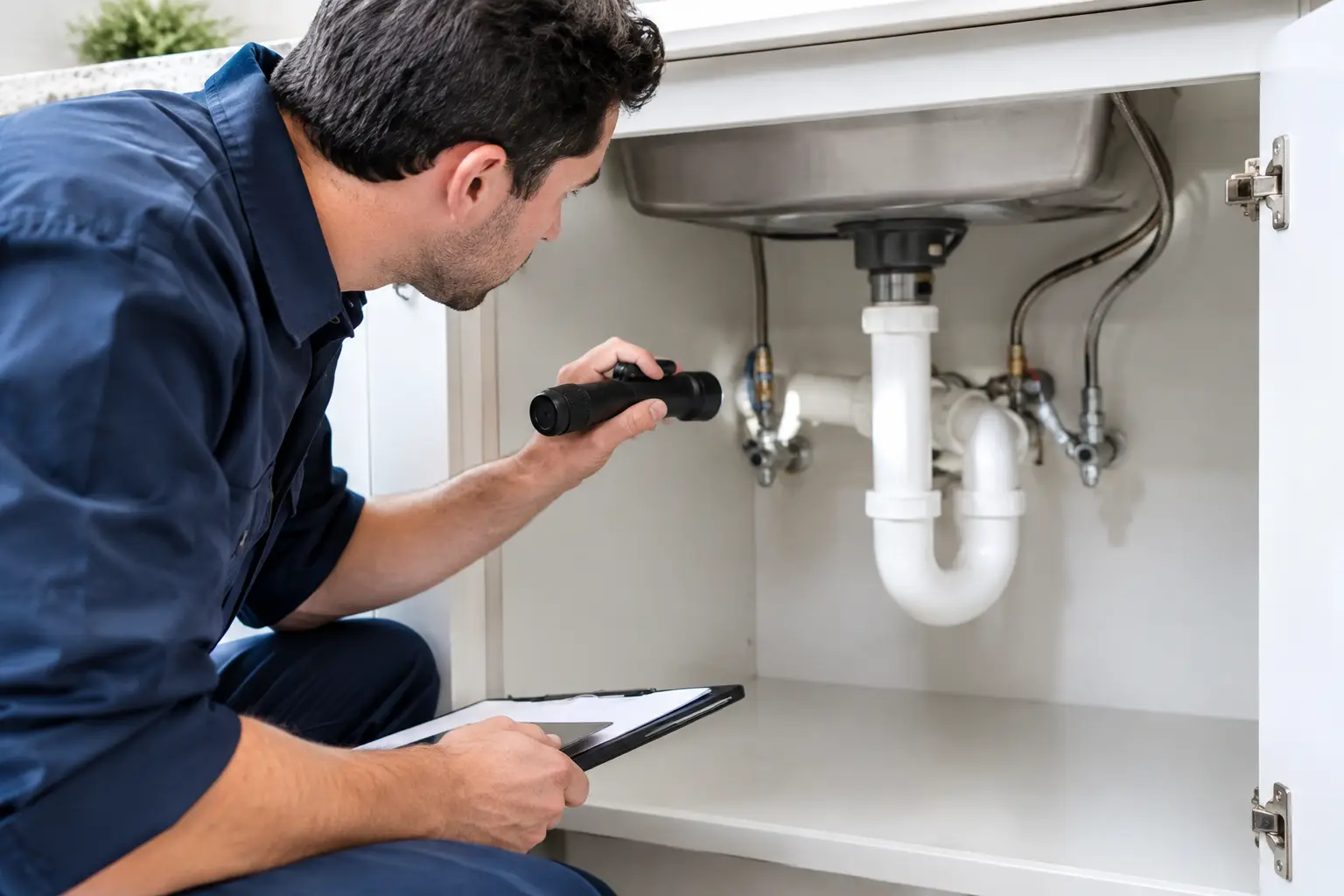
A home inspection gives you an independent evaluation of the major visible and accessible systems in a property. This commonly includes the foundation and structural components, roof, electrical system, plumbing, HVAC equipment, interior, exterior, attic, insulation, and built-in appliances. The inspector documents observed deficiencies, explains their significance, and provides visual evidence that helps you make decisions with facts instead of assumptions.
That information can protect you in several ways. You may decide the home is still the right fit, but negotiate repairs or a credit. You may budget for work that is not urgent but will likely be needed soon. In some cases, you may discover problems serious enough to reconsider the purchase altogether. Each outcome can be valuable because it happens before closing, when you have choices.
For a buyer in Houston, Cypress, Katy, or nearby communities, this matters even more because local homes face specific pressures. Expansive clay soils can affect foundations. High humidity can contribute to moisture concerns and HVAC strain. Intense heat, storms, and heavy rainfall can expose roof, drainage, and exterior maintenance issues. An inspection cannot predict every future problem, but it can identify visible signs that a system needs closer attention.
The Cost of Skipping the Inspection
Skipping an inspection can feel like a way to save money or make an offer more competitive. But the savings are often small compared with a single major repair after closing. Replacing an HVAC system, correcting significant electrical defects, repairing plumbing leaks behind walls, or addressing roof damage can cost thousands of dollars. Foundation repairs and sewer line work can be even more expensive.
The more common issue is not a dramatic disaster. It is the accumulation of several overlooked items: a water heater nearing the end of its life, poor attic ventilation, missing GFCI protection, slow drainage, deteriorated caulking, and a roof with limited remaining life. Individually, these findings may be manageable. Together, they can change your first-year homeownership budget substantially.
A detailed inspection report also gives you a practical record of the home at the time of purchase. Rather than relying on a quick conversation at the property, you have organized findings and photos you can review with your agent, contractor, lender, or family. This is especially helpful for first-time buyers who may not know which concerns are safety-related, which are maintenance items, and which require a specialist’s opinion.
What a Home Inspection Can and Cannot Tell You
A quality inspection is thorough, but it is not a warranty or a guarantee that nothing will break after closing. Inspectors evaluate conditions that are visible and accessible on the day of the appointment. They do not open walls, move furniture, dismantle equipment, or predict the exact remaining lifespan of every component.
That limitation does not reduce the inspection’s value. It sets realistic expectations. A professional inspector looks for evidence of defects, improper installations, water intrusion, safety hazards, deferred maintenance, and conditions that warrant further evaluation. If an issue is hidden behind drywall or develops months later, it may not have been visible during the inspection. That is different from a missed visible defect.
An inspector may also recommend additional evaluation when a concern falls outside the scope of a general inspection or needs diagnosis by a licensed specialist. For example, visible foundation movement may call for a structural engineer, an HVAC performance concern may need an HVAC contractor, and suspected sewer issues may justify a camera inspection. Those recommendations are not scare tactics. They are a way to help buyers get the right answer before accepting a risk.
When Add-On Services Make Sense
A general home inspection is an essential starting point, but certain homes benefit from targeted add-on services. The right choice depends on the property, its age, features, and observed conditions.
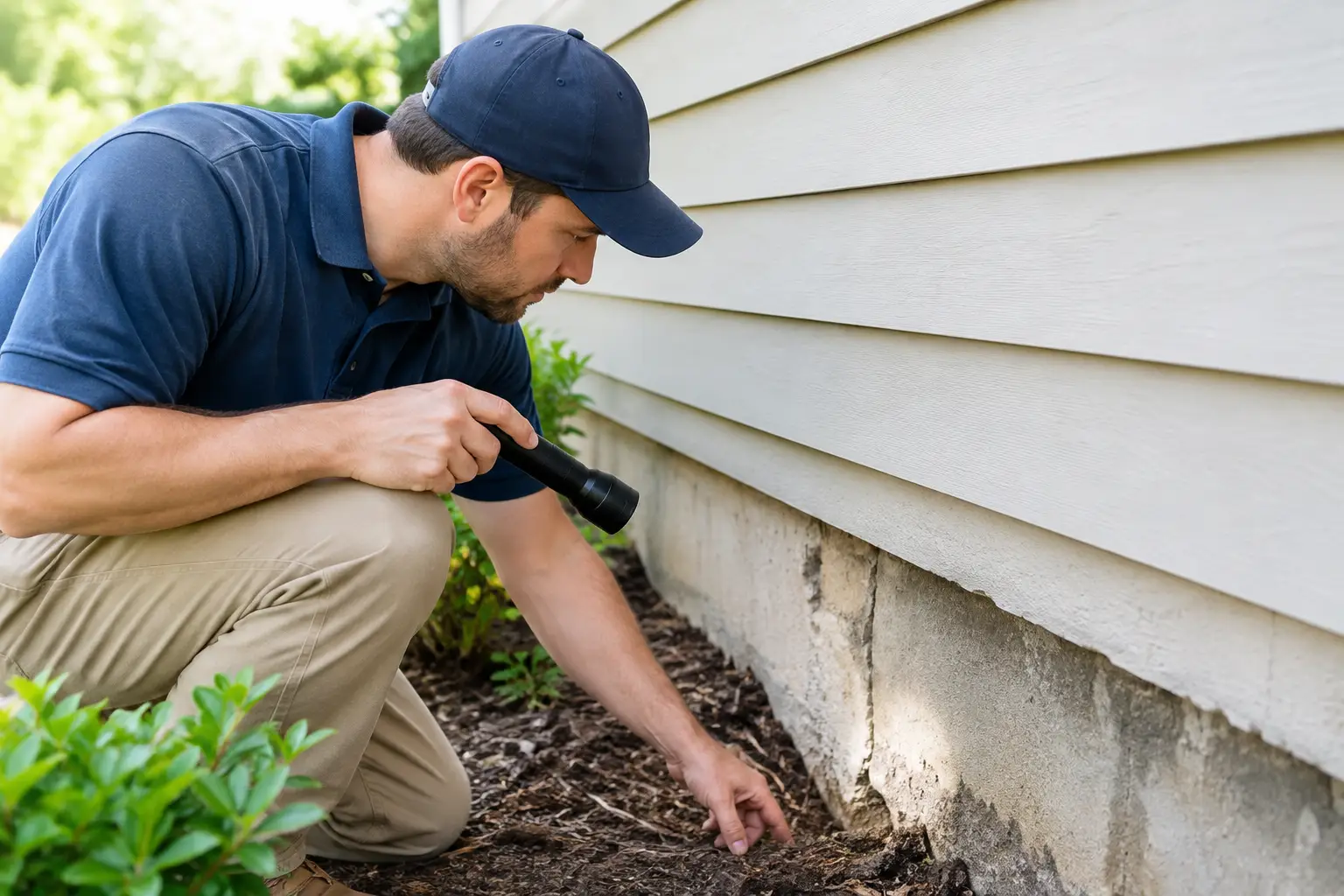
A wood-destroying insect inspection can be valuable in Texas, where termites and other wood-destroying organisms can cause damage that is not obvious during a walkthrough. A sewer camera inspection may be wise for older homes, properties with large trees, or homes where drainage concerns appear during the inspection. Repairing or replacing a sewer line after closing is not a surprise any buyer wants.
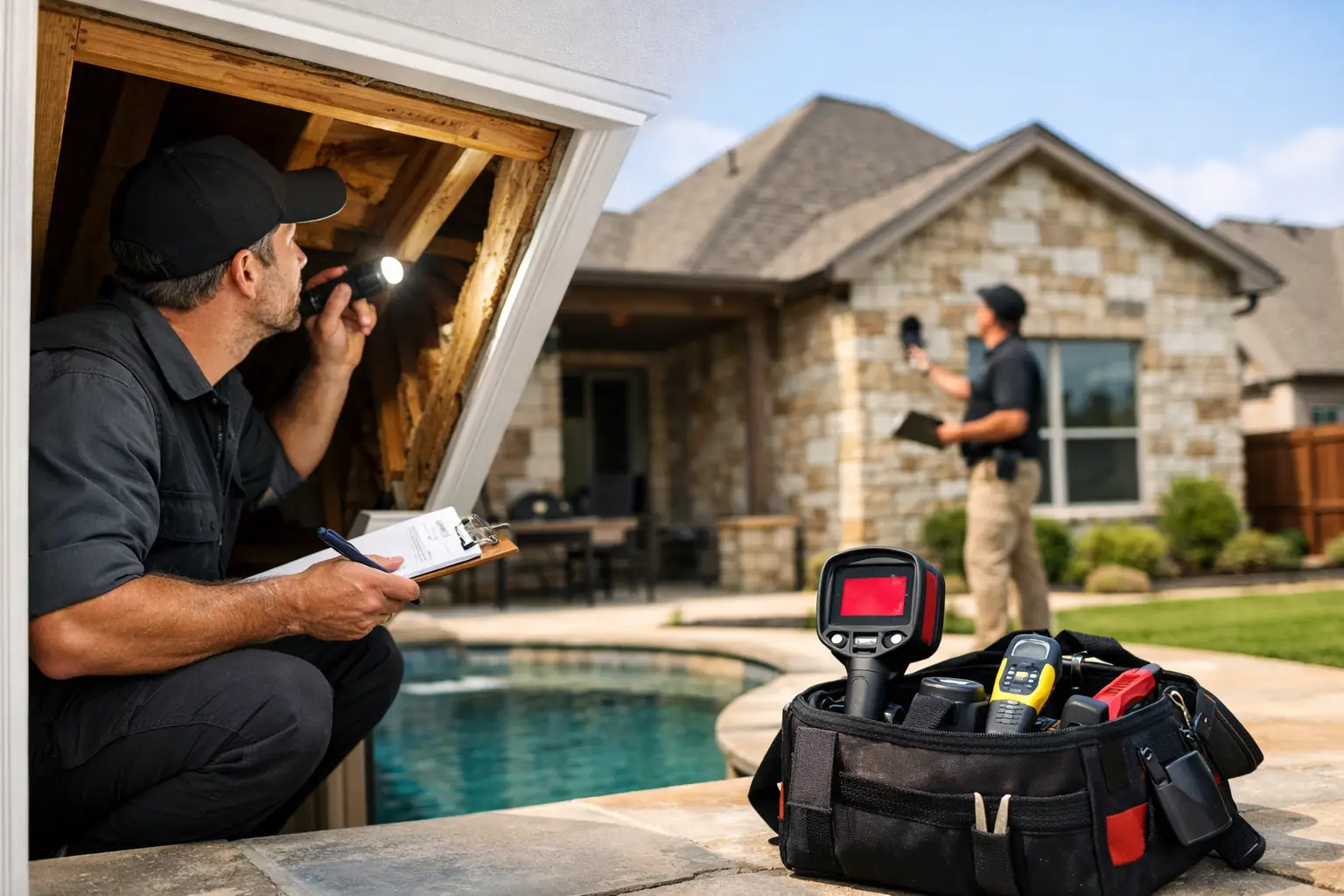
Thermal imaging can help identify temperature differences that may suggest moisture intrusion, insulation gaps, or electrical hot spots in accessible areas. It does not see through every surface or diagnose every problem, but it can add useful context. If the property includes a pool or spa, a separate pool and spa inspection can address equipment and safety features that fall beyond the scope of a standard home inspection.
The goal is not to add services without a reason. It is to match the inspection approach to the risks of the property. A good inspector explains what each service can reveal and whether it is likely to provide meaningful value for your situation.
How an Inspection Strengthens Your Negotiating Position
The inspection report is not a repair list that a seller must automatically complete. Negotiations depend on the contract, local market conditions, the seller’s willingness, and the significance of the findings. In a competitive market, buyers may choose to focus on major safety, structural, water intrusion, or system concerns rather than asking for every minor maintenance item.
Still, a documented report creates a more informed conversation. Instead of saying the roof “looks old,” you can point to visible wear, damaged materials, or other observations. Instead of asking for a vague credit, you can discuss specific conditions and obtain contractor estimates when appropriate. This makes repair requests more grounded and easier for all parties to evaluate.
For buyers, the greatest leverage is often clarity. You may negotiate a repair, request a credit, accept the condition with a plan and budget, or use your option period to walk away. Without an inspection, you are making those choices with far less information.
Choosing an Inspector Who Supports the Decision
Not all inspection experiences are the same. Look for an inspector who communicates clearly, produces a detailed report with photos, and is willing to answer questions after the appointment. The report should help you prioritize findings rather than bury you in unfamiliar terminology.
It is also helpful to attend the inspection when possible. You do not need to follow the inspector for every minute, but being present for the final walkthrough gives you a chance to see key concerns firsthand. Ask what needs immediate attention, what should be monitored, and what can be handled as routine maintenance. A trustworthy inspector will explain the condition without minimizing legitimate risks or turning every imperfection into an emergency.
At CK Inspections, the focus is on helping buyers understand the property in front of them through organized findings, visual documentation, and support after the inspection. The goal is straightforward: do not buy blind.
The Real Return on a Home Inspection
The best return on an inspection is not always a seller credit. Sometimes it is avoiding a home with risks that do not fit your budget or tolerance. Sometimes it is moving forward confidently because the issues are minor and manageable. And sometimes it is simply knowing where to spend your first maintenance dollars after closing.
Buying a home will always involve some uncertainty. A careful inspection does not remove that uncertainty, but it replaces avoidable surprises with a clearer plan. Before you commit to one of the largest purchases of your life, give yourself the information needed to protect it.