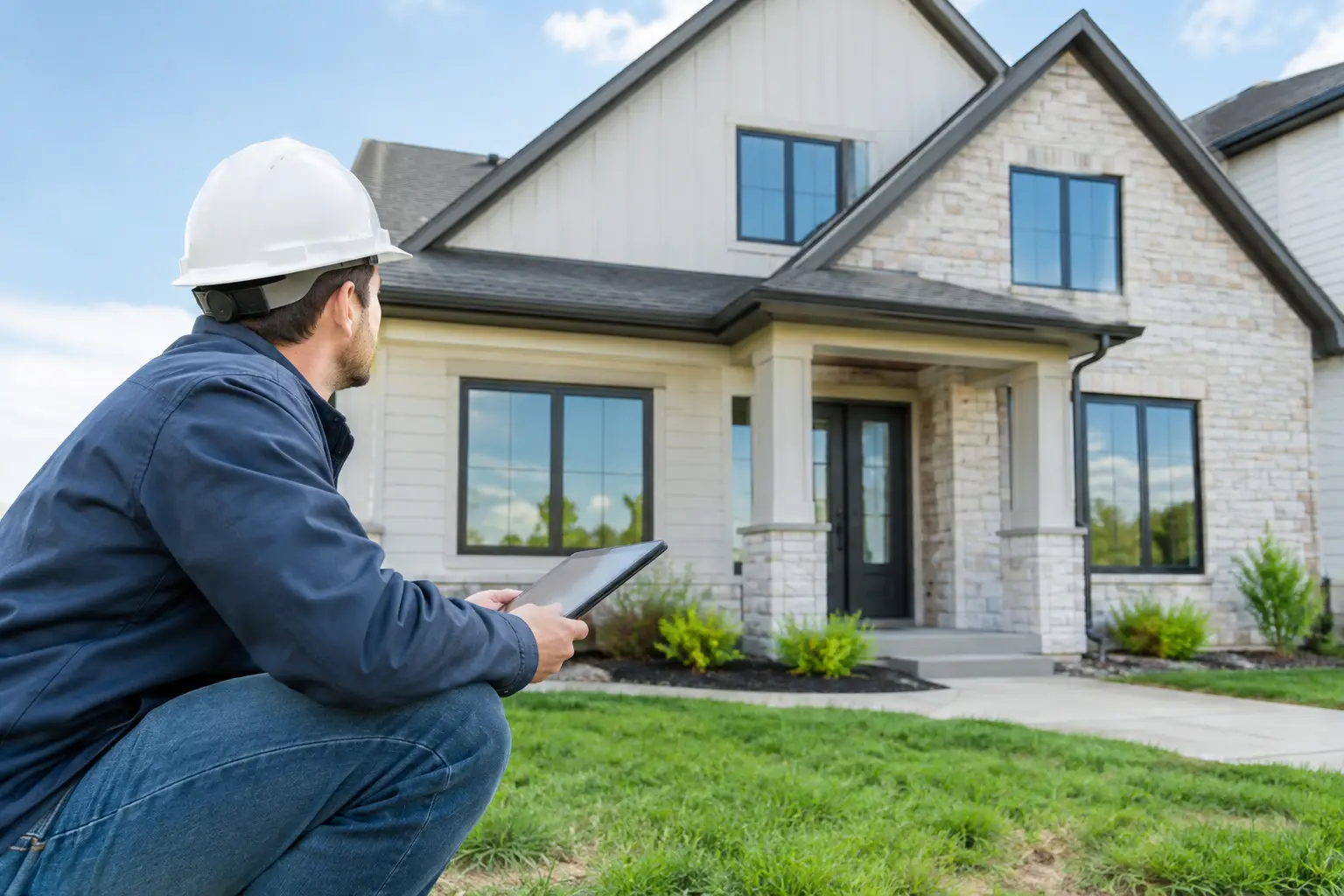
A brand-new house can look complete long before it is truly ready for you to own. Fresh paint, clean floors, and new appliances can make it easy to overlook installation errors, unfinished work, or systems that have not been fully tested. A new construction home inspection in Cypress, TX gives you an independent assessment before closing, when it is usually easiest to address concerns with the builder.
New does not automatically mean defect-free. Construction involves many trades, tight schedules, changing weather, material deliveries, and multiple stages of work. Most builders want to deliver a quality home, but mistakes and omissions can still happen. An inspection is not about assuming the worst. It is about making sure you do not buy blind.
Why New Homes Still Need an Independent Inspection
A city or county inspector and a private home inspector serve different purposes. Municipal inspections generally verify that work meets applicable code requirements at required construction stages. Those inspections are essential, but they are not a detailed evaluation performed solely for the buyer, nor are they typically a full review of every accessible component and finish before you close.
A private inspection focuses on the house you are purchasing and the condition of accessible systems at the time of the inspection. It can identify items that may need correction, further evaluation, adjustment, or documentation before your final walkthrough. It also gives you a clear report to use when discussing concerns with the builder.
This matters in Cypress, where intense heat, heavy rain, expansive clay soils, and high humidity put real demands on a home’s drainage, roof, HVAC, exterior sealing, and foundation performance. A new home should be built with those local conditions in mind from the beginning.
The Best Times to Schedule a New Construction Inspection
The right inspection timing depends on where your home is in the construction process and what your builder allows. For many buyers, a final inspection before closing is the minimum. If the construction schedule provides enough lead time, phase inspections offer a more complete look at major work before it is covered.
Pre-Drywall Inspections
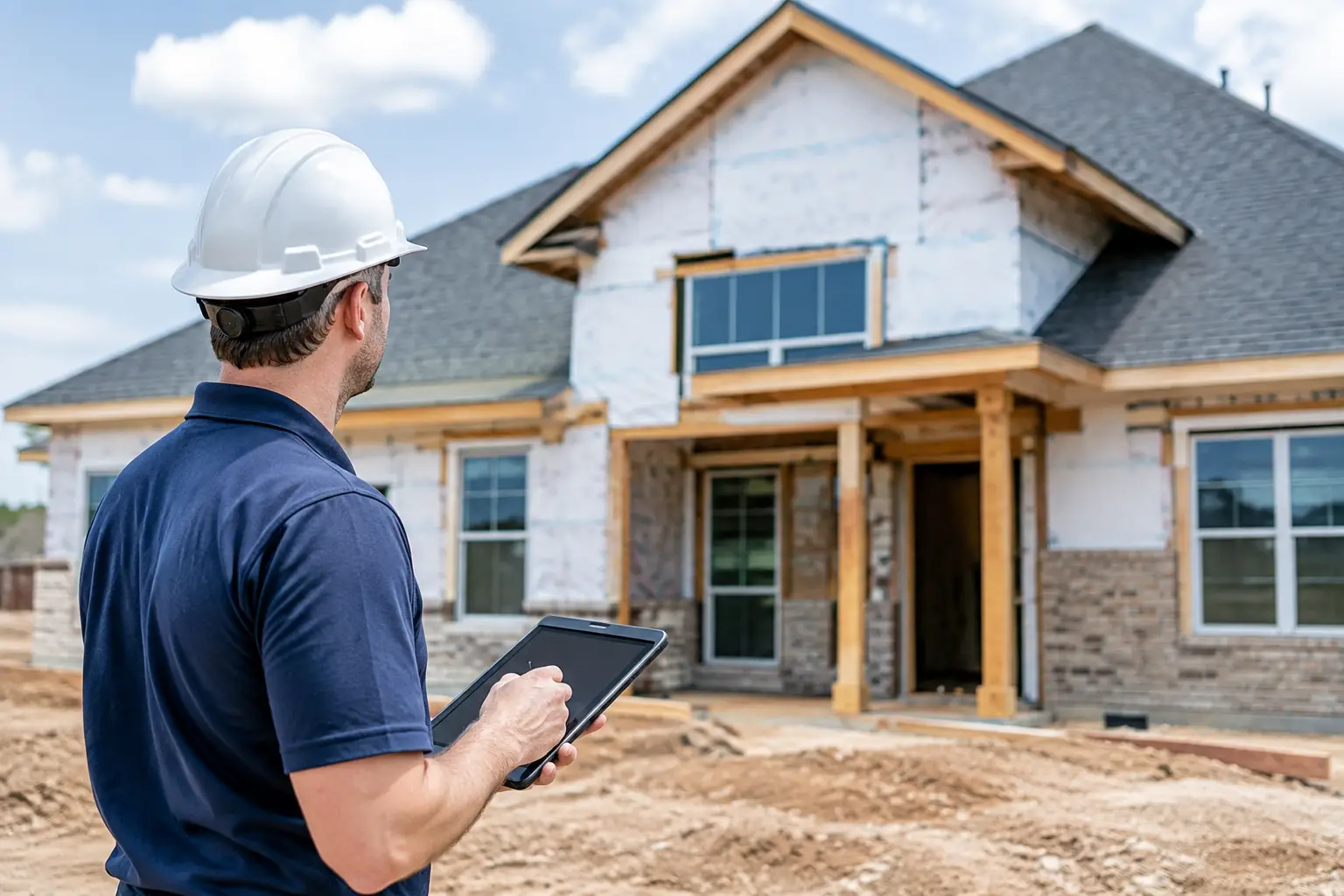
A pre-drywall inspection takes place after framing, plumbing, electrical, and mechanical rough-ins are largely complete but before insulation and drywall conceal them. This is often the best opportunity to review visible framing, roof structure, wiring routes, plumbing lines, ductwork, and other accessible components.
Not every issue found at this stage is a major defect. Some are incomplete items, workmanship concerns, or conditions that warrant clarification. The advantage is visibility. Once walls are closed, a buyer has far less opportunity to see how the house came together.
Final Inspections Before Closing
A final inspection is typically performed when the home is substantially complete, utilities are on, and major systems can be operated. This is where an inspector can evaluate accessible roofing components, exterior cladding, grading, doors and windows, electrical fixtures, plumbing fixtures, heating and cooling equipment, appliances, attic conditions, and interior finishes.
The final inspection should happen before your scheduled closing whenever possible. Waiting until after you receive the keys can reduce your leverage and turn a straightforward correction request into a warranty follow-up.
Warranty Inspections Before Coverage Ends
Many new homes include a builder warranty with different coverage periods for different components. A warranty inspection near the end of the first year can help document concerns that may have developed after the home has been lived in through changing temperatures, rain events, and normal seasonal movement.
This is not a substitute for an inspection before closing. It is a practical second checkpoint. The earlier inspection helps protect your purchase decision, while the warranty inspection can help you raise qualifying concerns while coverage is still active.
What a Final New Construction Inspection Can Evaluate
A thorough final inspection looks beyond whether the home is clean and visually appealing. The goal is to assess accessible components and determine whether the home appears to be performing as intended at the time of the inspection.
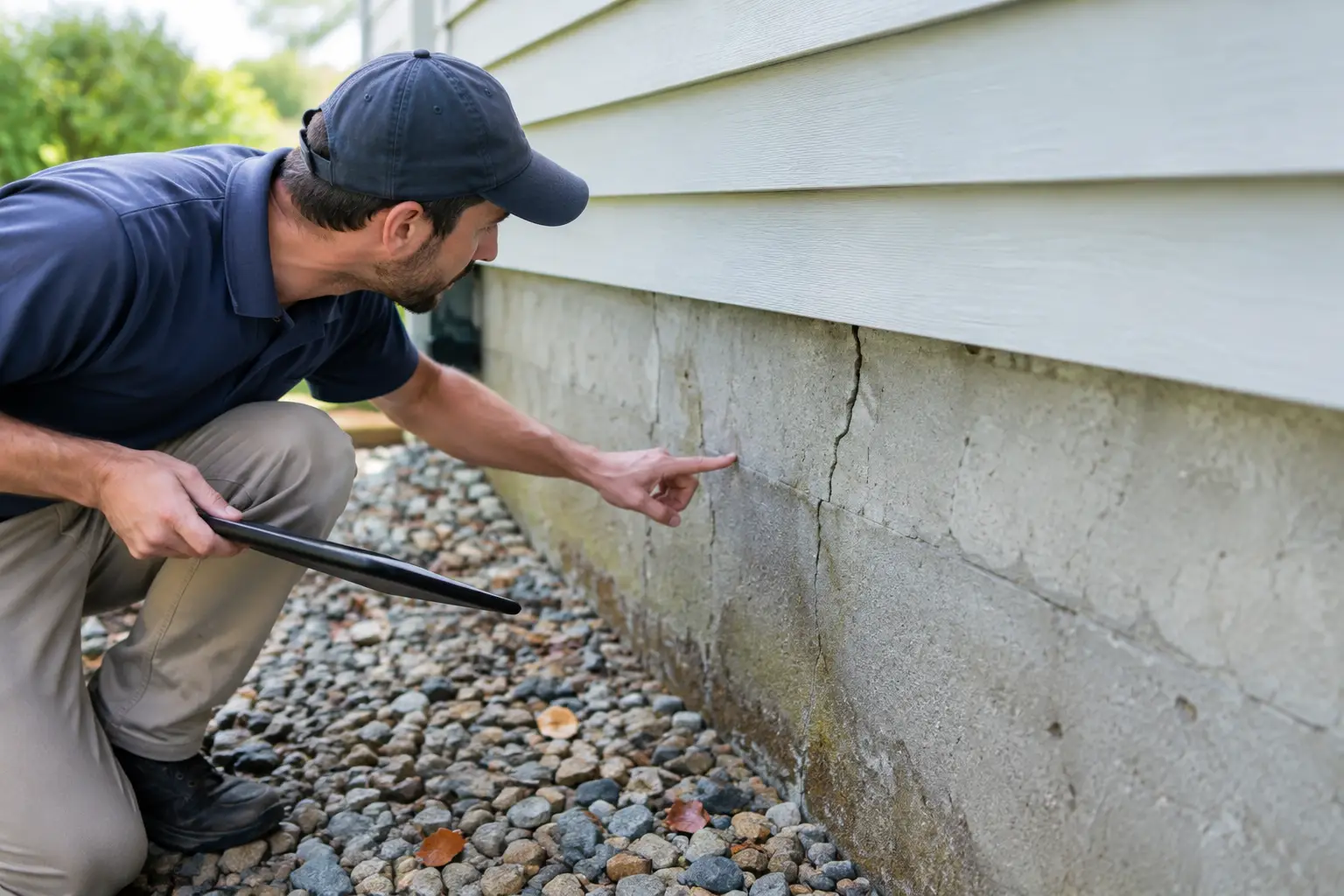
Exterior review may include roof coverings visible from accessible areas, flashing, gutters, wall cladding, exterior penetrations, windows, doors, drainage patterns, and grading around the foundation. In the Greater Houston area, drainage deserves close attention. Water should be directed away from the home rather than allowed to collect near the foundation.
Inside, the inspection can cover the electrical panel, visible wiring concerns, receptacles, switches, plumbing fixtures, water flow, drainage, water heater installation, HVAC operation, attic access, insulation visibility, ceilings, walls, floors, doors, windows, and installed appliances where applicable. The inspection also considers safety-related features, such as garage fire separation, stair conditions, handrails, and smoke or carbon monoxide alarms where required.
The scope is visual and noninvasive. Inspectors do not open walls, dismantle equipment, or certify perfection. A practical report distinguishes between items that should be addressed before closing, maintenance matters you should understand, and conditions that may need review by a qualified specialist.
Builder Walkthroughs Are Helpful, but They Are Not the Same Thing
Your builder’s walkthrough is valuable. It is your chance to learn how the home operates, ask questions about systems and finishes, locate shutoffs, and create a punch list for cosmetic or incomplete items. You should absolutely attend it and take your time.
Still, the builder representative is not there as your independent advocate. Their role is to present the home, explain its features, and coordinate completion. Your inspector’s role is different: to provide an objective assessment of accessible conditions and help you understand what may affect your investment.
The strongest approach is to have your inspection report available before the walkthrough or before closing. That allows you to discuss documented concerns clearly instead of trying to spot everything yourself while managing a major move.
How to Use the Inspection Report Without Creating Unnecessary Stress
A detailed report can feel overwhelming, especially for a first-time buyer. New homes often have a number of reported items, and not every item carries the same urgency. The key is to focus on what matters most: safety concerns, water-management issues, active leaks, improper installation, components that do not operate properly, and conditions likely to become expensive if left unresolved.
Provide the report to your builder according to the contract process and keep communication organized. Ask which items will be corrected before closing, which need additional evaluation, and when you can verify completed work. If repairs or corrections are made, a reinspection may be worthwhile when significant concerns were identified.
It also helps to keep your expectations realistic. Minor paint touch-ups, caulk gaps, and finish adjustments are common punch-list items. They should be addressed, but they are different from a drainage concern, a roof installation issue, or an HVAC system that is not functioning correctly. A clear report helps separate cosmetic details from conditions that deserve prompt attention.
Choosing an Inspector With Construction Perspective
New construction inspections require more than a checklist. The inspector should understand how a house is assembled, how building systems interact, and what can go wrong when one phase affects another. Hands-on construction and renovation experience can add useful context when evaluating visible workmanship, installation methods, and conditions that may affect long-term performance.
CK Inspections brings more than 20 years of construction, home building, and renovation experience to residential inspections throughout Cypress and the Greater Houston area. Clients receive clear visual documentation and straightforward explanations, so they can make decisions with confidence rather than guesswork.
Before you close, give your new home the same careful review you would give any major investment. A new construction home inspection is a practical way to document concerns, ask better questions, and start homeownership with a clearer picture of the house you are about to call home.