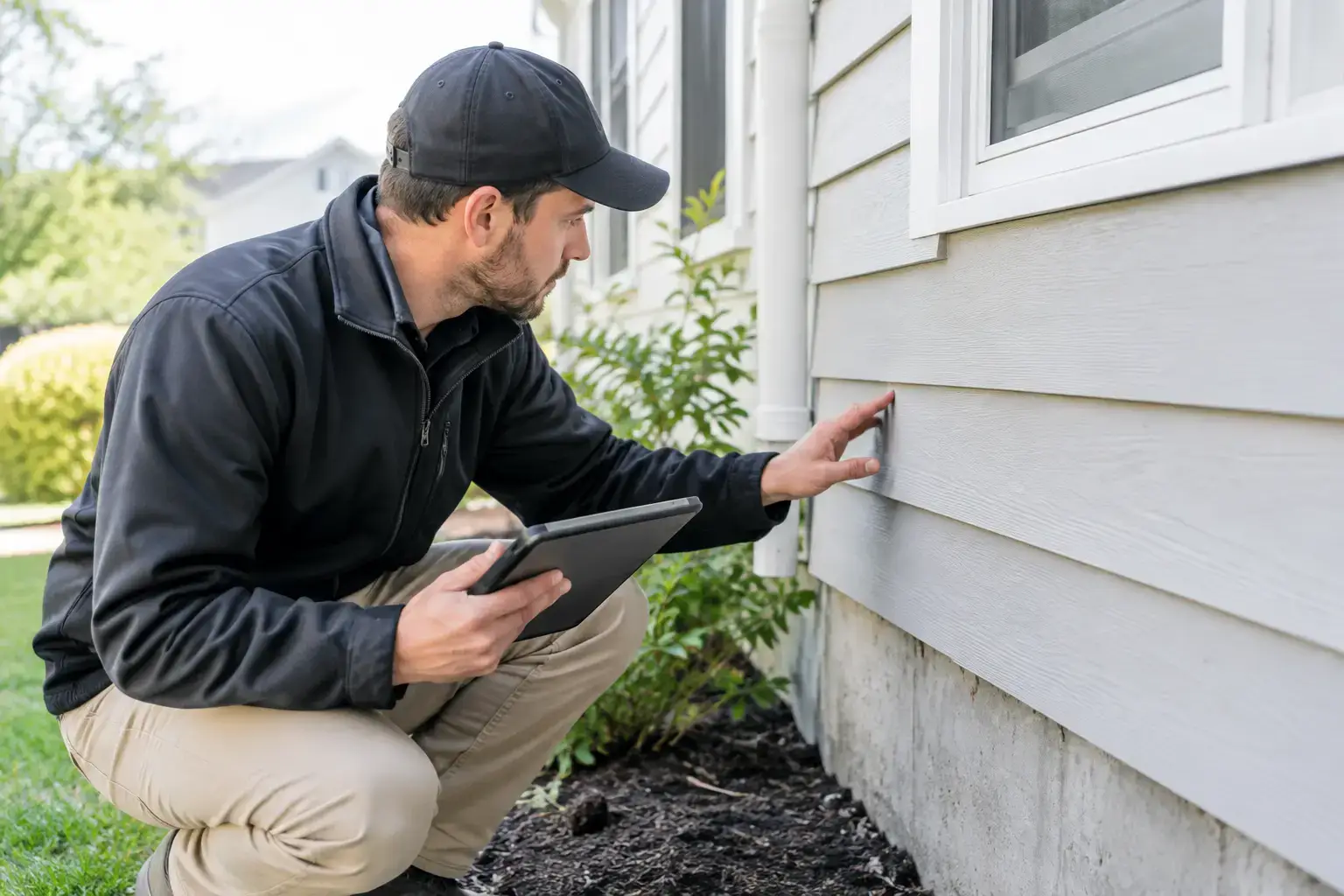
A slow sink or backed-up toilet can make sewer scope versus drain cleaning sound like the same conversation. They are not. One service is designed to clear a blockage. The other is designed to show you the condition of the buried sewer line before a small symptom becomes a costly surprise.
For a homebuyer, that distinction matters. A drain that flows during a showing does not prove the sewer line is sound. It may simply mean a recent clog was cleared, or that the line has not been stressed enough to reveal a developing problem. Don’t buy blind when a camera inspection can provide useful evidence about a system that is otherwise out of sight.
What Drain Cleaning Is Designed to Do
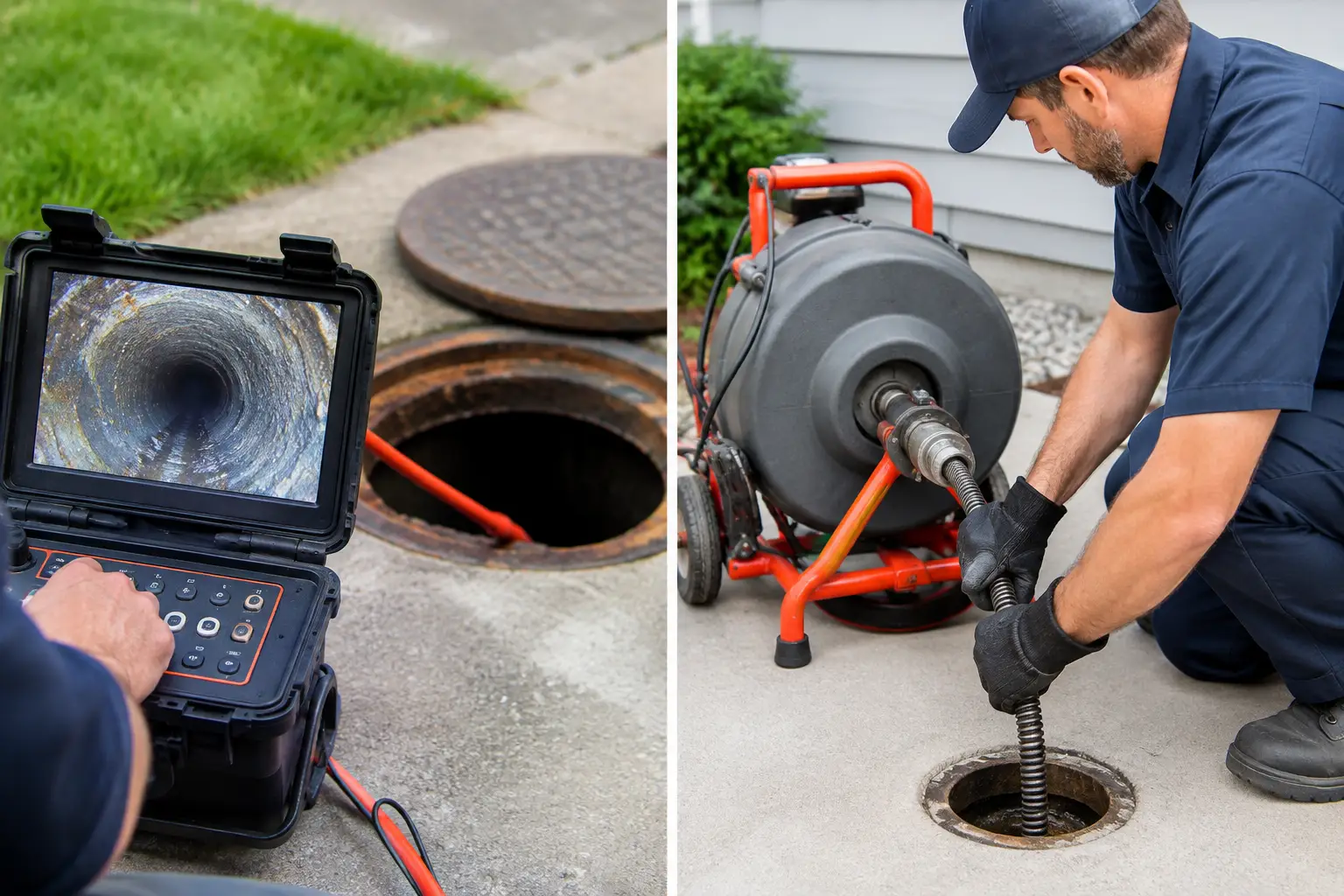
Drain cleaning is a corrective service. A plumber uses methods such as a cable machine, auger, or hydro-jetting equipment to remove or break through material restricting the flow of water. The goal is to restore drainage when a sink, tub, toilet, or main sewer line is clogged or draining poorly.
Common causes include buildup from soap, grease, wipes, hair, food debris, scale, or roots entering a sewer line. In some cases, cleaning is exactly what the system needs. A localized clog caused by everyday use may be resolved quickly once the obstruction is removed.
But clearing a line does not automatically explain why it clogged. If roots are growing through a joint, if an older cast-iron line has interior deterioration, or if a pipe has separated or sagged, the drain may work better after cleaning while the underlying defect remains. That is why a cleaning receipt is helpful context, not proof that the sewer line is in good condition.
What a Sewer Scope Tells a Buyer
A sewer scope is a visual inspection of the sewer lateral – the buried pipe that carries wastewater from the home to the public sewer connection or, where applicable, another approved disposal point. A technician feeds a specialized camera through an accessible cleanout or drain opening and records what the camera can see inside the line.
The purpose is evaluation, not repair. The camera can help identify conditions such as root intrusion, cracking, separated joints, corrosion, heavy scaling, standing water, construction debris, bellies in the line, or sections that appear improperly aligned. It can also document the pipe material and trace the route of the line when conditions allow.
For buyers, the value is not merely seeing a video. It is having clear visual documentation that supports a practical decision before closing. If a significant condition is identified, you may have time to request additional evaluation, negotiate with better information, plan for repairs, or reconsider the risk of the property.
A sewer scope cannot guarantee that every inch of piping is visible. Heavy blockage, standing wastewater, inaccessible cleanouts, sharp turns, or damaged pipe can limit how far the camera travels. Still, a limited inspection can be valuable when it documents why the line could not be fully evaluated and points to a condition that needs further attention.
Sewer Scope Versus Drain Cleaning: The Core Difference
The simplest way to separate the two services is this: drain cleaning addresses flow, while a sewer scope evaluates condition.
A clogged line may need cleaning before a camera can travel through it. Conversely, a camera inspection may reveal that cleaning would be only a temporary measure because the pipe itself is compromised. The services can work together, but they should not be treated as interchangeable.
Consider a home with recurring backups. A drain cleaner may remove roots and restore flow. That solves the immediate problem. A sewer camera may then show that roots are entering through an open joint several feet from the house. In that situation, the buyer needs to understand both facts: the line can flow today, and it may continue to require maintenance or more substantial correction later.
When a Homebuyer Should Consider a Sewer Scope
A sewer scope is especially worthwhile when there is little visibility into the age, history, or condition of the underground plumbing. This often applies to older homes, homes with mature trees, properties that have had additions or major renovations, and homes with evidence of prior plumbing work.
In Greater Houston communities, soil movement, changing ground conditions, mature landscaping, and a broad mix of home ages can all affect buried piping over time. Older pipe materials may have different vulnerabilities than newer PVC systems, but newer construction is not automatically exempt from concerns. Construction debris, poor connections, improper slope, and damage from later site work can affect newer lines as well.
Pay attention to clues in the seller disclosure, inspection findings, and the property itself. Prior sewer repairs, frequent plunging, slow fixtures, sewage odors, cleanout caps showing signs of overflow, or a recently cleaned main line are all good reasons to ask more questions. None of these signs confirms a major defect on its own. They do justify a closer look before you take ownership.
A sewer camera inspection can also make sense when the home otherwise appears well maintained. Hidden systems deserve the same careful consideration as the roof, electrical panel, HVAC equipment, and visible plumbing. A clean kitchen and fresh paint do not tell you what is happening below the slab or yard.
When Drain Cleaning May Be the Right Next Step
Drain cleaning is generally the appropriate next step when an active blockage is preventing normal use of the plumbing system. If wastewater is backing up into tubs, toilets will not flush, or multiple fixtures are draining slowly, a qualified plumbing professional should address the immediate issue.
For a buyer under contract, timing matters. A line that cannot be scoped because it is blocked should not simply be ignored. The blockage itself may be a meaningful finding. Depending on the transaction timeline and the advice of qualified professionals, the line may need to be cleared and then camera inspected so the condition of the pipe can be evaluated after flow is restored.
Be cautious about accepting a statement that the line was “snaked” as the final answer. Ask what was removed, whether the blockage was recurring, whether a camera was used afterward, and whether there is video or written documentation. A straightforward answer with records gives you a better basis for evaluating risk than a verbal assurance alone.
What a Camera Inspection Cannot Promise
A sewer scope is one of the most useful add-on evaluations for a buyer, but it has limits. The camera examines accessible portions of the line from the available entry point. It does not excavate the yard, test every branch drain inside the home, verify every connection beyond visible camera access, or predict the exact remaining life of the pipe.
The inspection also does not replace repair expertise. When a camera shows a concerning condition, the next step may be evaluation by a qualified plumbing contractor who can determine repair options, access requirements, permits, and costs. That additional opinion is particularly important for defects that appear extensive or for lines that cannot be fully traversed.
What the scope does provide is evidence. Instead of guessing whether a buried pipe is likely sound, you have observations, images, and a documented basis for asking the right questions.
How to Use the Findings During a Purchase
If the scope identifies a concern, avoid jumping straight to the worst-case scenario. The right response depends on the type, location, severity, and extent of the condition. Minor scale buildup may call for routine maintenance. Isolated root intrusion may warrant cleaning and monitoring. A displaced, collapsed, or heavily deteriorated section may require a more urgent conversation with a plumbing specialist and your real estate agent.
Keep the inspection report and any available video with your home records. If you proceed with the purchase, that documentation establishes a useful baseline for future maintenance decisions. If repairs are recommended, obtain details that distinguish a temporary clearing from a lasting correction.
CK Inspections helps buyers understand what the camera findings mean in the context of a home purchase, with clear documentation and straightforward explanations. The goal is not to create alarm. It is to prevent a buried sewer issue from becoming an unexpected expense after closing.
Before you commit to a property, make sure the sewer line has been evaluated for what it is – a major, hidden system with the potential to affect your budget and your daily routine. Clear evidence now gives you more confidence in the decision you make next.