That charming home with fresh paint and a clean seller’s disclosure can still have a serious problem hiding behind the walls or under the floor. A termite inspection before buying house is one of the smartest ways to avoid walking into expensive structural repairs, treatment costs, and a stressful surprise after closing.
For buyers in Houston, Cypress, Katy, and nearby Texas communities, this matters even more than many people realize. Warm temperatures, moisture, and wood-to-soil contact create conditions where termites and other wood-destroying insects can thrive. A home can look well cared for on the surface and still have evidence of past activity, current infestation, or concealed damage that deserves a closer look.
Why a termite inspection before buying house matters
Most buyers focus on the obvious big-ticket items first – the roof, foundation, HVAC system, and plumbing. That makes sense. But termite damage can be just as costly because it often affects structural wood members that are not visible during a casual showing.
The real issue is not just whether termites are present today. It is whether they have been active before, whether the home has conditions that invite future infestation, and whether any damage has already changed the integrity of wood framing, trim, or other components. Those are not things most buyers, and many sellers, can reliably identify on their own.
A standard home inspection may note visible signs that suggest wood-destroying insect activity, but that is not the same as a dedicated wood-destroying insect inspection. If you want clearer answers before you commit to the purchase, this extra step gives you far better protection.
What a termite inspector is actually looking for
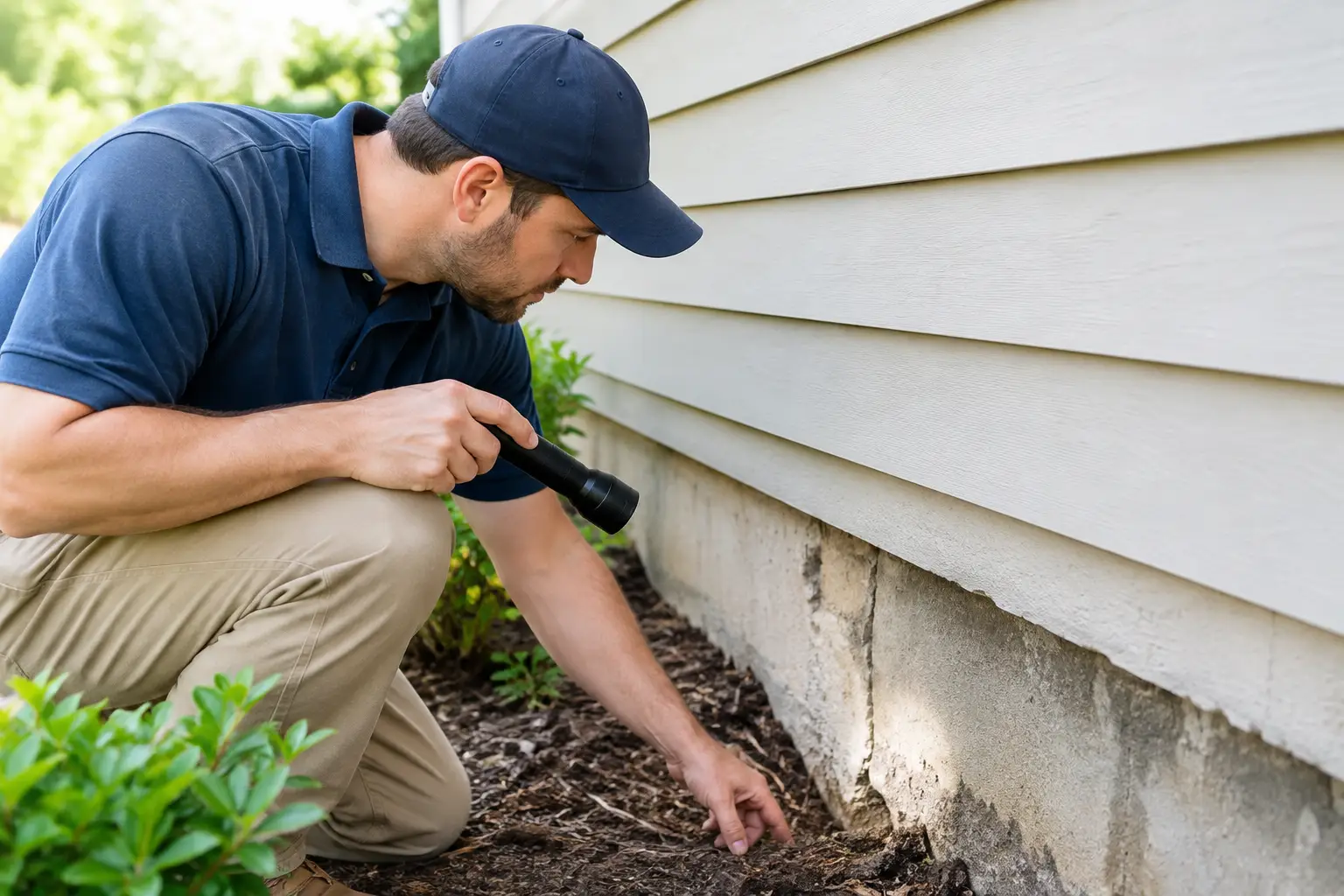
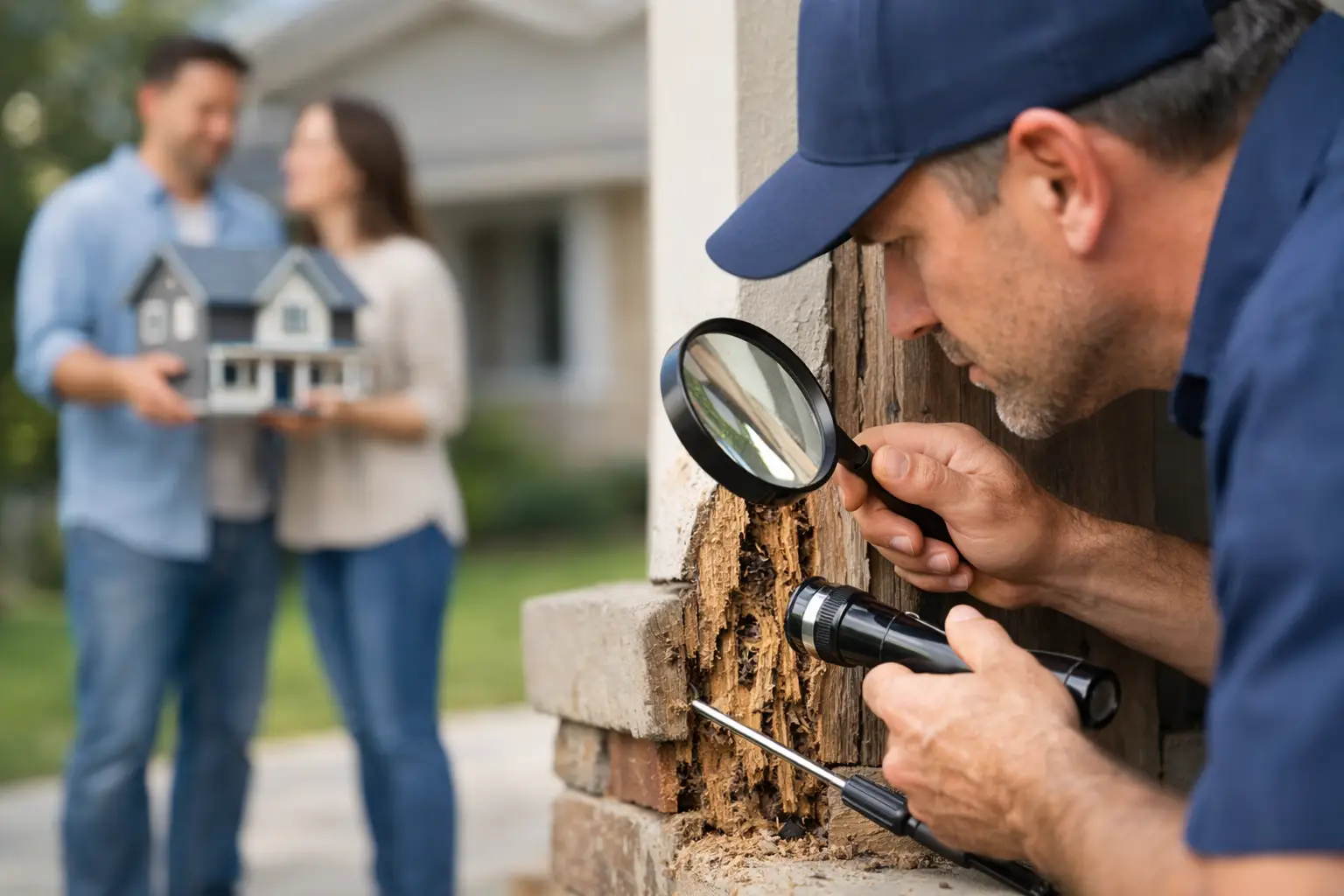
A termite inspection is not just a quick glance at baseboards. It is a focused evaluation for signs of infestation, damage, and risk conditions. That may include mud tubes, damaged or hollow-sounding wood, discarded wings, frass from other wood-destroying insects, moisture-prone areas, and direct wood contact with soil.
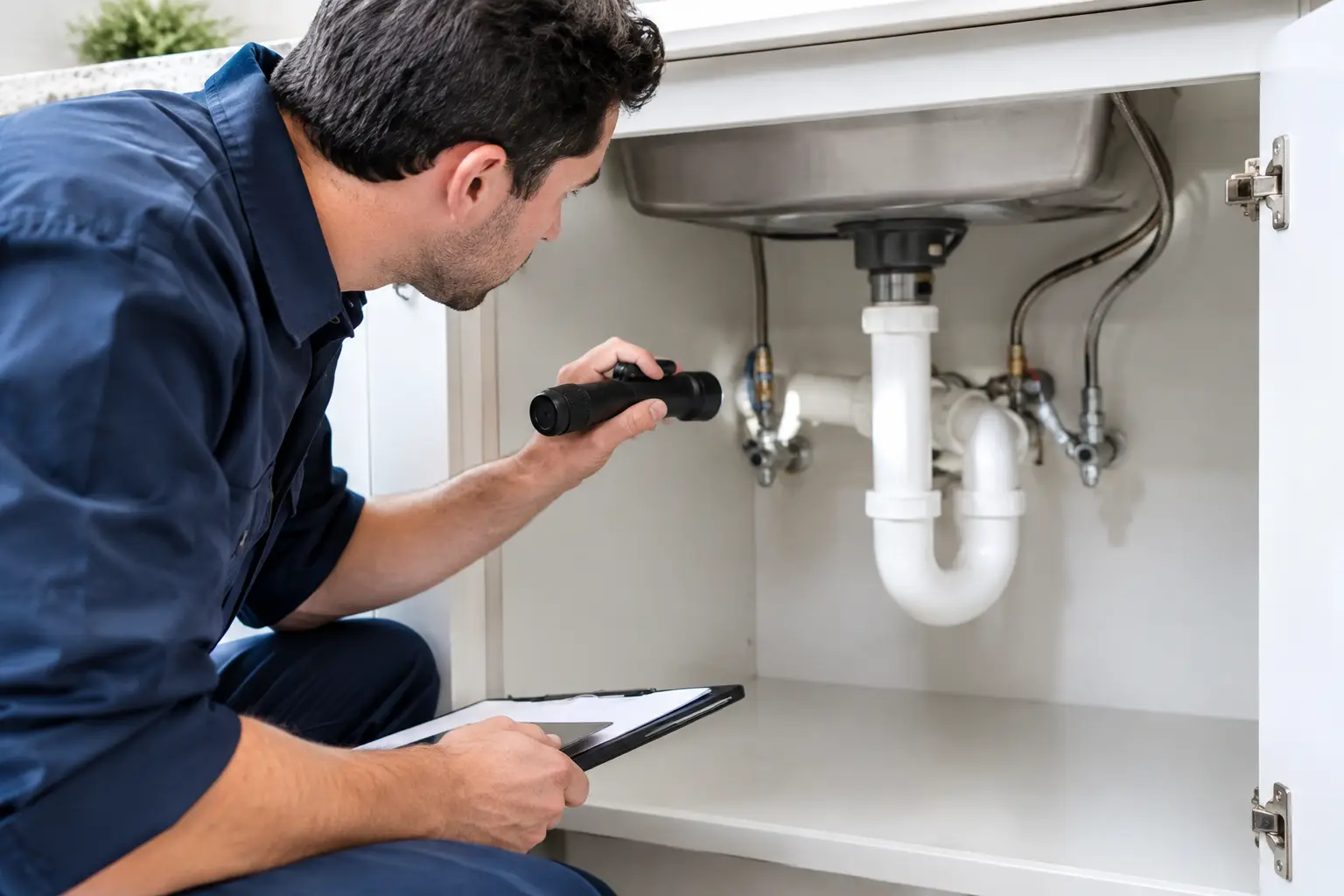
In Texas, subterranean termites are a common concern. These termites often travel from the soil into the home through shelter tubes, which means activity can exist in crawlspaces, garages, around slab penetrations, near exterior walls, and in areas where moisture is present. Bathrooms, kitchens, utility rooms, and spots around leaking hose bibs or poor drainage can all draw attention during the inspection.
The inspector is also assessing access and visibility. If key areas are blocked by storage, wall coverings, heavy landscaping, or finished surfaces, that limitation matters. It does not automatically mean there is a problem, but it does mean there may be areas where hidden conditions cannot be fully confirmed without further invasive evaluation.
What the inspection can reveal before closing
The best outcome is simple – no visible evidence of infestation, no visible damage, and no major conducive conditions. But even then, the report may still point out preventive concerns worth correcting after move-in.
When issues are found, they usually fall into a few categories. The first is active infestation, which may require treatment before closing or immediately after purchase. The second is evidence of previous infestation, where treatment may have happened in the past but damaged materials should still be evaluated. The third is conducive conditions, such as earth-to-wood contact, excessive moisture, or drainage problems that make the home more vulnerable.
That distinction matters during negotiations. Active termites create a different conversation than old damage with no current evidence of activity. A buyer may ask for treatment, repairs, specialist review, seller credit, or a combination depending on what the inspection shows.
A termite inspection is not the same as a repair estimate
This is where buyers can get tripped up. A termite inspection can identify visible signs of concern, but it may not tell you the full cost to repair damaged framing until a contractor opens up concealed areas. That is why the findings should be treated as a decision-making tool, not a final construction bid.
Sometimes the visible damage is minor and localized. Other times, what looks like a small issue at a door frame or trim board turns out to reflect a larger hidden problem behind finishes. The right next step depends on what was found, where it was found, and whether the home is showing related moisture or structural concerns.
That is one reason buyers benefit from pairing a thorough home inspection with specialized services when appropriate. If termite activity is suspected, you want enough information to make a confident decision, not just enough information to feel uneasy.
Termite inspection before buying house in Texas: what buyers should expect
In Texas real estate transactions, wood-destroying insect inspections often come up when lenders, insurers, buyers, or agents want greater assurance before closing. The exact requirement can vary, but the practical value stays the same. You are trying to reduce risk before the property becomes your responsibility.
Expect the inspection to be visual and condition-based. Inspectors are looking for evidence and accessible signs, not performing destructive demolition. That means no inspection can promise that every hidden area is free of termites. A trustworthy report should be clear about what was observed, what was inaccessible, and what follow-up is recommended.
That clarity is important. You do not need vague language when you are about to make one of the biggest purchases of your life. You need organized findings, photos when possible, and practical direction on what to do next.
When should you schedule it?
As early in your option period or inspection period as possible. Waiting until the last minute can create pressure if treatment, contractor review, or negotiation becomes necessary.
If the home is older, has visible moisture issues, backs to heavily landscaped areas, has wood siding close to grade, or shows any suspicious staining or wood deterioration, there is even more reason not to delay. A newer home is not automatically safe either. Construction type, drainage, and maintenance history all matter.
For many buyers, the smartest move is to schedule the termite inspection alongside the pre-purchase home inspection so the information comes together while you still have time to act. That keeps the process more efficient and helps avoid fragmented decision-making.
How termite findings can affect negotiations
Not every termite issue should kill a deal. But every termite issue should be taken seriously.
If active infestation is found, buyers often request professional treatment and documentation before closing. If damage is visible, it may be reasonable to ask for further evaluation or repairs by a qualified contractor. If conducive conditions are present, credits or corrective work may be worth discussing, especially if those conditions are likely to lead to future problems.
This is where a detailed report becomes valuable. Clear documentation helps buyers and agents have a more productive conversation instead of arguing over whether a problem is real. It also helps you avoid underreacting to a major issue or overreacting to a manageable one.
What buyers should not do
Do not assume a seller would already know if termites were present. Some infestations are subtle, and some damage is hidden behind finished surfaces. Do not assume a fresh coat of paint means the wood beneath it is sound. And do not assume a general home inspection alone answers every question about wood-destroying insects.
It is also wise not to treat termite risk as just another minor checkbox. If the home has active infestation or meaningful structural damage, the cost can be far greater than the inspection fee you were trying to save.
Choosing the right inspection support
Before closing, you want more than a basic report with technical language that leaves you guessing. You want findings that are easy to understand, backed by visual documentation, and explained in a way that supports a real decision.
That is why many buyers look for an inspection company that offers both comprehensive pre-purchase home inspections and specialized add-on services such as wood-destroying insect inspections. When the reporting is organized and the support continues after the appointment, you are in a much better position to ask the right questions, negotiate intelligently, and move forward with confidence.
For Texas buyers who do not want to buy blind, a termite inspection before buying house is not an extra luxury. It is practical protection. And when you are making a major investment, practical protection is exactly what gives you peace of mind when it matters most.