The inspection is over, the inspector has left, and now everyone waits for the report. This is the point where many buyers start asking the same question: what happens after home inspection, and how much can it change the deal? The short answer is plenty. The inspection itself gathers information, but the real value comes from what you do with that information before closing.
For buyers in Houston, Cypress, Katy, and nearby Texas communities, this stage matters because it can affect your budget, your negotiations, your timeline, and in some cases whether you should move forward at all. A home inspection does not automatically kill a deal, and it does not mean the seller has to fix everything. What it does is give you a clearer picture of the property so you are not buying blind.
What happens after home inspection is delivered
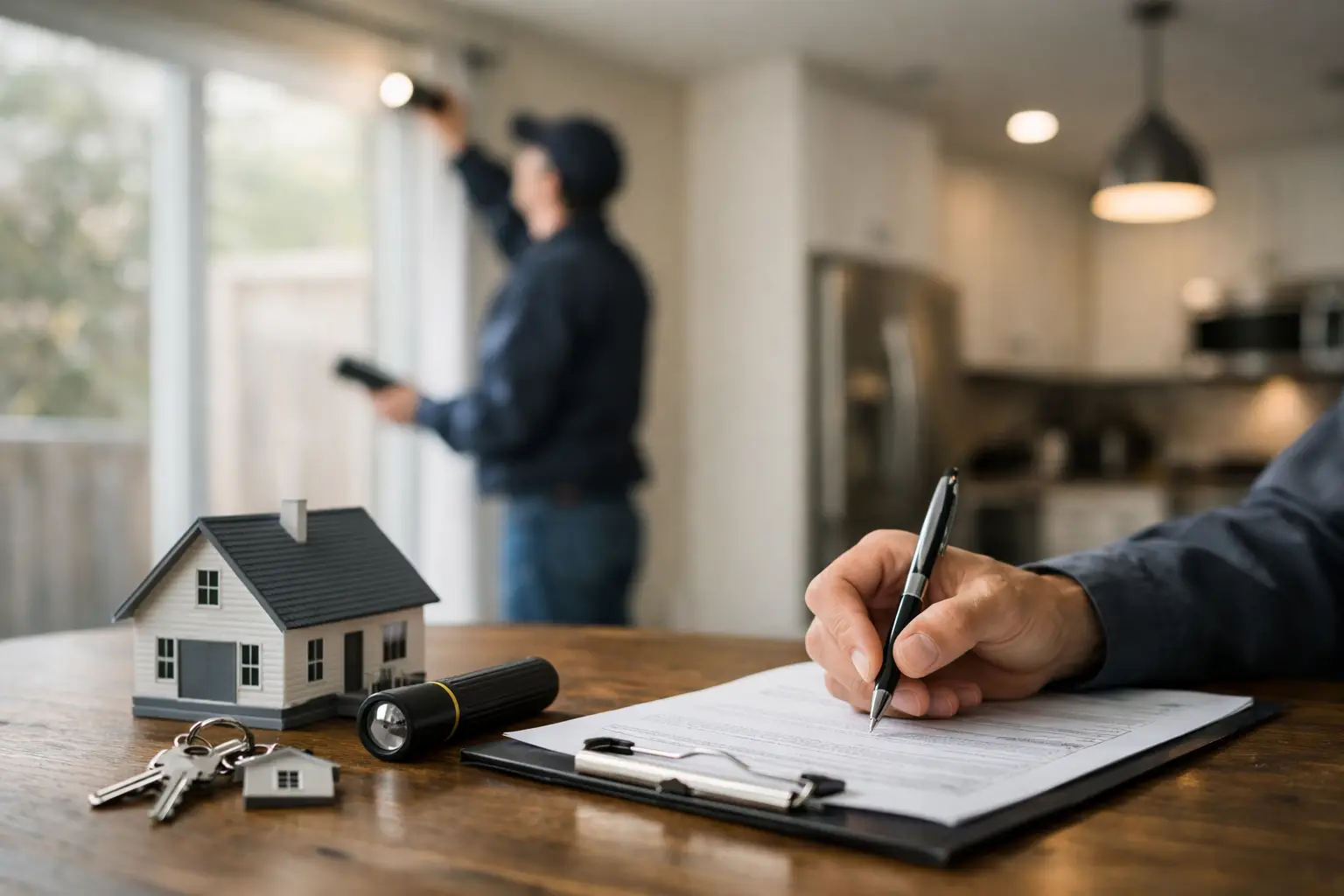
Once the inspection report arrives, the first step is to review it carefully. A professional report should be organized, easy to follow, and supported with photos so you can understand what was found and where those conditions exist. This is not the moment to panic over a long report. Even very good homes usually have a list of findings.
What matters is the nature of the issues. Cosmetic wear is different from a roof leak. A loose doorknob is different from active plumbing leakage, unsafe electrical conditions, or HVAC problems in the middle of a Texas summer. The report helps you separate normal maintenance items from defects that affect safety, function, or cost.
If anything is unclear, ask questions. A strong inspection process should include post-inspection support, because buyers often need help understanding which findings are routine and which deserve immediate attention. This is especially helpful for first-time buyers who may not know what is common in an older home versus what is a serious concern.
Focus on the issues that actually affect your decision
Not every item in the report should become a negotiation point. If you try to challenge every minor imperfection, you can create unnecessary friction without protecting your investment any better. A better approach is to focus on findings that have meaningful consequences.
Most buyers pay closest attention to structural concerns, roofing issues, electrical hazards, plumbing leaks, HVAC deficiencies, moisture intrusion, drainage problems, and signs of wood-destroying insects. Depending on the property, sewer line conditions, thermal imaging findings, or pool and spa defects may also carry real weight. These are the types of issues that can lead to expensive repairs or ongoing problems after move-in.
There is also a timing factor. Some defects can wait and be handled over time. Others need to be addressed before closing because they affect financing, insurance, safety, or habitability. That distinction matters when you decide how to respond.
Your main options after the inspection
After reviewing the report, buyers typically have a few paths forward. You may move ahead as-is if the findings are manageable and already reflected in the price. You may ask the seller to make repairs. You may request a credit or price reduction instead of repairs. Or, if the inspection reveals major concerns and your contract allows it, you may choose to walk away.
Which option makes the most sense depends on the market, the condition of the property, and your tolerance for future work. In a highly competitive market, buyers sometimes accept more issues to keep the deal together. In a slower market, you may have stronger leverage to negotiate. Neither approach is automatically right. The goal is to make a smart decision based on facts, not pressure.
Asking for repairs
A repair request is common after a home inspection, but it works best when it is targeted. Sellers are more likely to respond reasonably when the request is focused on material defects rather than cosmetic punch-list items. For example, requesting correction of unsafe electrical wiring, active leaks, or a failing water heater is far more practical than asking for every cracked tile or sticky window.
Even then, there is a trade-off. If the seller agrees to make repairs, you will want documentation and, in some cases, a reinspection before closing. Not all repairs are performed to the same standard, and buyers should not assume every issue was fixed correctly just because a seller said it was handled.
Requesting a credit instead
Many buyers prefer a seller credit or price adjustment rather than having the seller manage repairs. This can make sense when you want control over who does the work after closing. It can also help avoid rushed repairs made only to satisfy the transaction timeline.
The downside is simple: you take on the responsibility once the home is yours. If repair costs end up higher than expected, that difference comes out of your pocket. This is why clear documentation in the inspection report matters so much. It helps you estimate the scope of the problem before agreeing to a credit amount.
Walking away from the deal
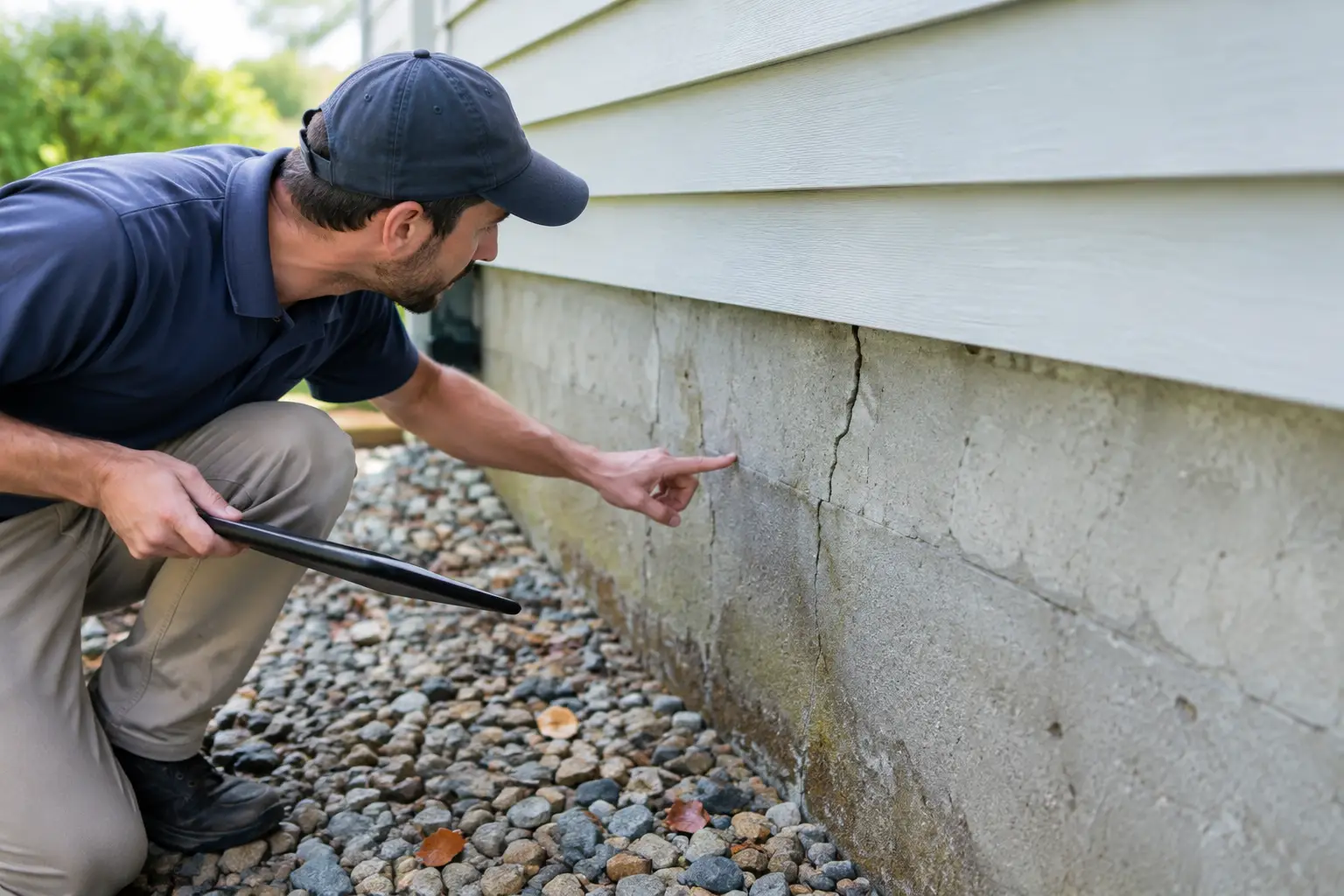
Sometimes the inspection reveals conditions that are more than a buyer wants to take on. Foundation movement, major roof failure, extensive moisture damage, widespread plumbing concerns, or severe electrical defects can shift a deal from manageable to risky. If the numbers no longer make sense or the seller will not negotiate reasonably, stepping away may be the most protective decision.
That choice can be disappointing, especially after you have invested time and money in the process. Still, it is often far less expensive than closing on a home with serious hidden problems.
How negotiations usually work
Once you decide how to respond, your real estate agent typically helps prepare an amendment, repair request, or other formal response under the contract. The seller can agree, reject, counter, or offer a partial solution. This stage can move quickly or take several rounds.
The strongest negotiations are based on documented concerns, not emotional reactions. A detailed inspection report with photos gives your side something concrete to work from. That is one reason buyers benefit from a thorough inspector who presents findings clearly and professionally.
Keep in mind that sellers are not obligated to deliver a perfect house. A resale home comes with age, wear, and maintenance history. The purpose of negotiation is not to make the property brand new. It is to address conditions that materially affect value, safety, or expected ownership costs.
What happens after home inspection if the seller agrees
If the seller agrees to repairs or credits, the next step is making sure those terms are documented correctly. Verbal promises are not enough. The agreement should be reflected in writing through the proper contract channels so there is no confusion later.
When repairs are part of the agreement, buyers should ask for receipts, contractor information when applicable, and enough time to verify the work before closing. In some situations, a follow-up inspection is worth it. This is especially true for roofing, electrical, plumbing, HVAC, or moisture-related repairs where the quality of the work matters as much as the fact that work was done.
If the agreement is a credit, confirm how that credit will be applied and whether it affects your cash to close. Your lender and agent can help explain the details, but the key point is to understand the financial side before you get to the closing table.
Don’t ignore financing and insurance implications
An inspection can affect more than negotiations. Some findings may create issues for your loan or insurance coverage. Exposed wiring, active leaks, damaged roofs, non-functioning HVAC systems, and certain structural problems can trigger additional lender or insurer scrutiny.
This is one reason buyers should act quickly after receiving the report. Waiting too long can compress the timeline and leave little room to get repair estimates, negotiate, or satisfy lender conditions. If a home has major issues, you want to know early, not days before closing.
Why the report matters long after the transaction
Even if the deal moves forward without major changes, the inspection report remains useful. It becomes a practical planning document for your first year of ownership. You can use it to prioritize repairs, budget for maintenance, and keep track of systems that may need attention later.
That long-term value is often overlooked. A quality inspection is not just about whether to buy the house. It is also about understanding how to own it wisely. Companies like CK Inspections build that value into the process with detailed reporting, visual documentation, and support after the appointment so buyers can make decisions with confidence.
The smartest next move for buyers
If you are still wondering what happens after home inspection, the best answer is this: you slow down just enough to make a better decision. You review the facts, focus on meaningful defects, negotiate where it makes sense, and protect yourself from costly surprises.
A home purchase does not need to be flawless to be a good decision. It does need to be informed. When you understand the property’s condition before closing, you put yourself in a much stronger position to move forward with clarity instead of crossing your fingers.